Upcycling Fashion: Transforming Old Clothes into Trendy Accessories
The Allure of Upcycling in Fashion
Amidst the fast-paced world of fashion, where trends often have a fleeting existence, a sustainable movement is gaining momentum and reshaping our wardrobes: upcycling. This creative endeavor focuses on transforming discarded or outdated clothing into stylish, functional items that extend their life far beyond their original purpose. For eco-conscious fashion enthusiasts, upcycling not only presents a unique opportunity to explore personal style but also significantly contributes to environmental sustainability.
Endless Creative Possibilities
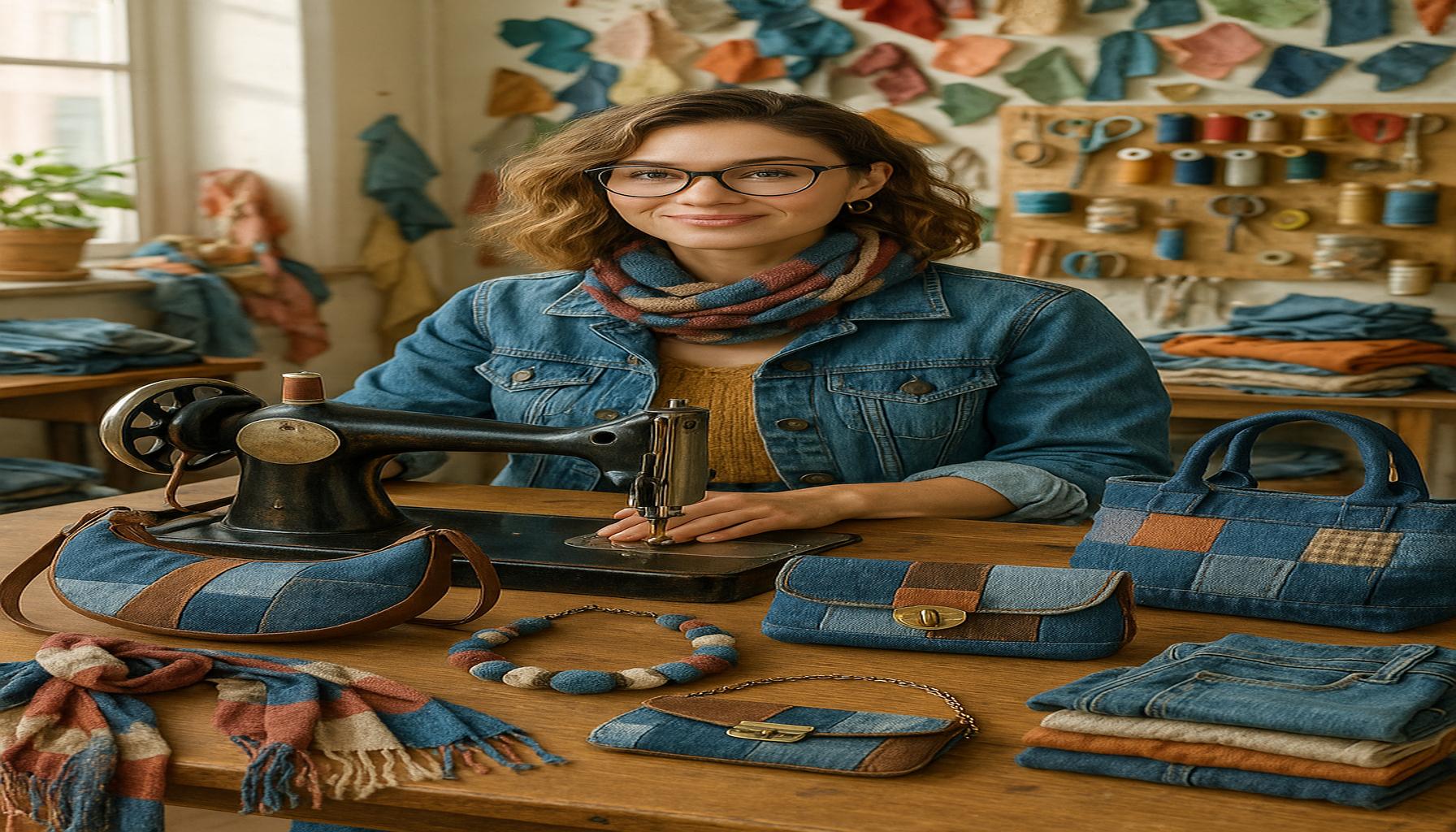
Upcycling boasts a myriad of artistic possibilities. Consider the transformation of a worn-out button-down shirt into a fashionable scarf. With simple sewing techniques or fabric twisting methods, those discarded shirts can take on new life as vibrant accessories. Similarly, old jeans, often too sturdy for the trash bin, can be reimagined as chic handbags. With some cutting, sewing, and creativity, they can become statement pieces that showcase individuality and style.
Furthermore, jewelry crafted from buttons, beads, and fabric remnants can create stunning pieces that stand out in any outfit. For instance, converting vintage buttons into earrings or making charm necklaces from fabric scraps allows fashion lovers to wear their unique history, sparking conversations and personal connections with their accessories.
The Impact of Upcycling
Choosing to upcycle not only minimizes textile waste but also supports a growing movement towards personalized, eco-friendly fashion. With the fashion industry being one of the largest polluters globally, the shift towards sustainable practices holds immense importance. Upcycling encourages consumers to think critically about their consumption habits and fosters a culture of creative reuse. As more shoppers seek items that reflect their personal stories, this creative practice satisfies both a visual and emotional need.
This exploration into the world of upcycling fashion will incorporate various techniques, share notable examples from innovative designers, and provide beginner-friendly tips for getting started. Whether you have a flair for crafting or are simply curious about this artistic pursuit, there is a world of creativity waiting to be uncovered in the realm of upcycled fashion.

As you dive into this transformative journey, remember that each piece you create not only enhances your wardrobe but also contributes to a more sustainable planet. Embrace the art of upcycling—it’s more than just fashion; it’s a statement of ideals and identity.
DISCOVER MORE: Click here to learn how to make a difference with handmade gifts
Embracing Techniques of Upcycling
Upcycling fashion opens the door to a world where creativity mingles with sustainability, producing trendy accessories that not only look good but also tell a story. From the simple act of cutting and stitching to more complex textile manipulation methods, there are various techniques enthusiasts can explore. Here are some popular upcycling methods that allow you to breathe new life into your old garments:
- Patchwork and Quilting: This technique involves sewing together pieces of fabric from different garments to create a unique, textured accessory. Imagine turning a collection of old t-shirts into a cozy, stylish tote bag that stands out.
- Embroidery and Fabric Paint: Adding intricate embroidery or vibrant fabric paint designs can transform a plain piece into a wearable work of art. This method allows for personal expression while revitalizing the fabric.
- Cutting and Restructuring: By cutting and reshaping old garments, you can create new silhouettes. Transform long skirts into chic clutches or design asymmetrical tops from t-shirts, making them perfect for casual outings or trendy events.
- Weaving and Braiding: Old denim and fabric strips can be woven or braided to create stunning accessories such as belts, headbands, and bags that exude style and originality.
- Restyling with Findings: Adding elements like zippers, buttons, or clips from other old garments can significantly enhance the visual appeal of your accessories. This technique allows for endless customization and upcycling possibilities.
For those just starting their upcycling journey, it can be inspiring to look at successful examples. Many designers are leading the way in this movement, showcasing their innovative methods at fashion shows and within their collections. Notable brands such as Re/Done focus on deconstructing vintage denim to create modern styles, highlighting the potential of upcycled pieces. Additionally, small independent designers often share their journey on platforms like Instagram, showcasing how they turn thrifted finds into coveted accessories that reflect unique personal aesthetics.
The thrill of upcycling lies not just in creating trendy accessories but in the ability to express individuality while promoting environmental consciousness. By engaging in upcycling, fashion enthusiasts are contributing positively to the fight against textile waste—a pressing issue considering that the Environmental Protection Agency reported that the United States alone generated 16.9 million tons of textile waste in 2018.
This burgeoning trend goes beyond mere aesthetics; it embodies a movement towards a more sustainable future. The act of reusing and repurposing old clothing aligns with the ideals of slow fashion, where quality and creativity take precedence over mass production. As you embark on your own upcycling journey, keep in mind that every stitch and snip is not just about fashion—it’s a commitment to a more sustainable and environmentally friendly way of life.
| Category | Advantages |
|---|---|
| Sustainable Living | Promotes eco-consciousness by reducing textile waste and encouraging responsible consumption. |
| Unique Fashion Statement | Creates one-of-a-kind pieces that tell a story and set the wearer apart in a world of mass production. |
The world of upcycling fashion is a dynamic space where creativity meets sustainability. With a surge in environmental awareness, many are looking to upcycling as a solution to the impending crisis of fast fashion. By transforming old clothes into trendy accessories, individuals not only reclaim their wardrobe but also contribute to a reduction in waste, which is critical in minimizing the environmental footprint.Moreover, upcycled pieces are often unique, allowing fashion enthusiasts to express their personal style in ways that mass-produced items simply cannot. Each accessory crafted carries its own narrative; be it a handbag made from vintage denim or earrings fashioned from discarded buttons. This movement not only champions sustainability but also encourages a creative reclamation of fashion, blending art with practical use in innovative ways. In an era where individuality matters, upcycling stands out as not just a trend but a lifestyle choice that inspires further exploration and innovation in the fashion industry.
DISCOVER MORE: Click here to learn how to create meaningful handmade gifts for charity
Finding Inspiration and Community
As the upcycling movement gains momentum, the vibrant community of creators, designers, and enthusiasts continues to grow, fostering a culture where sharing ideas and techniques is key. From local craft fairs to online forums, there are numerous resources for those looking to dive deeper into the world of upcycling fashion. Various platforms serve as stages for showcasing creative talents, alongside comprehensive guides that can help both beginners and experienced upcyclers.
Online marketplaces like Depop and Etsy not only provide a platform for buying and selling unique upcycled pieces but also inspire new creators. Browsing through these sites reveals an array of innovative products, from whimsical jewelry crafted from vintage silverware to bags sourced from repurposed fabrics, each with its unique backstory. The stories behind these pieces offer a glimpse into the skills and passion of their creators, prompting consumers to rethink their purchasing strategies.
Workshops and classes focused on upcycling techniques are becoming increasingly popular across the United States. Many local craft stores and community centers now offer hands-on sessions that teach participants how to sew, transform, and create from old clothes. For example, organizations like Fashion Revolution are committed to promoting sustainable practices and often host events where individuals can come together to learn and share their experiences while contributing to a more eco-friendly approach to style.
Additionally, social media platforms play a significant role in the upcycling dialogue. With hashtags like #UpcycledFashion and #SustainableStyle gaining traction, platforms such as Instagram and Pinterest have become treasure troves of ideas and tutorials. Creators often share step-by-step guides through reels and stories, allowing novices to follow along. Engaging with this content can unlock a treasure chest of inspiration, encouraging others to embark on their upcycling projects.
It is worth noting that upcycling doesn’t solely focus on textiles but also crosses over into the realm of accessories made from other materials. For example, plastic waste, wood scraps, and even discarded jewelry can be transformed into eye-catching earrings, statement necklaces, or home decor items. Designers such as David Bowie’s seamstress, Tziporah Salamon, have gained attention for their innovative uses of materials to create artful jewelry and bags, further underlining the creative possibilities that exist beyond fabrics.
The community aspect of upcycling also extends to trade and collaboration. Events like clothing swaps enable individuals to refresh their wardrobe without contributing to waste, while upcycling meet-ups provide opportunities for brainstorming and exchanging materials. These gatherings not only foster a sense of camaraderie but also amplify the movement, encouraging more people to participate in this sustainable practice.
By immersing oneself in the community of upcycling and utilizing diverse resources, individuals can discover a multitude of ways to engage with fashion that prioritizes sustainability. Embracing the ethos of upcycling promotes an awareness of consumption habits, challenging the throwaway culture of fast fashion, and highlighting the beauty in transformation and creativity.
DISCOVER MORE: Click here for fun family projects!
Embracing Upcycling: A Sustainable Future in Fashion
In conclusion, the upcycling fashion movement is more than just a trend; it represents a significant shift towards sustainable practices in the textile industry. By transforming old clothes into trendy accessories, individuals not only engage in a creative process but also contribute positively to the environment. As we’ve explored, the wealth of inspiration available through community workshops, online platforms, and social media can ignite anyone’s passion for upcycling. Each project tells a story, reflecting the unique history of the materials involved and the ingenuity of its creator.
Moreover, the rise of online marketplaces like Depop and Etsy fosters a thriving economy where upcycled goods can find a dedicated audience, encouraging a shift away from fast fashion consumption patterns. The growing emphasis on sustainability is underscored through grassroots initiatives, such as clothing swaps and collaborative meet-ups, which not only enhance social connections but also raise awareness about the environmental impacts of textile waste.
As we delve deeper into the world of upcycling, we can begin to challenge conventional fashion norms and embrace the ethos of sustainability. The changing landscape of fashion highlights the importance of conscious consumerism, where every purchase becomes a statement against wastefulness. The opportunity to be both fashionable and responsible lies within each of us, and with the tools and community available today, exploring upcycling fashion has never been more accessible. So why not dive into your wardrobe, rediscover those forgotten pieces, and let your creativity flourish? The potential for transformation is limitless.