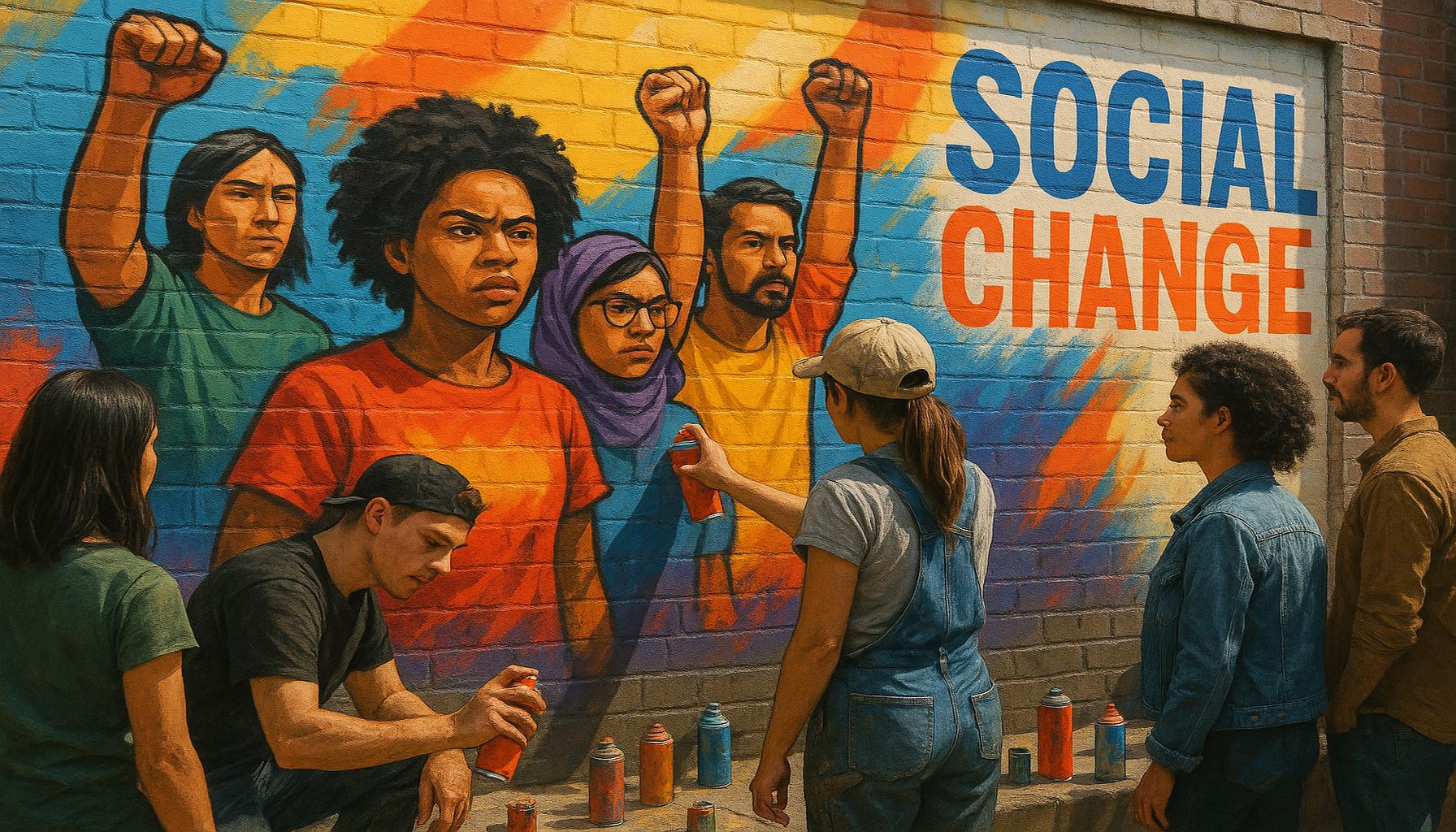
The Role of Community Art in Building Social Ties and Local Identity
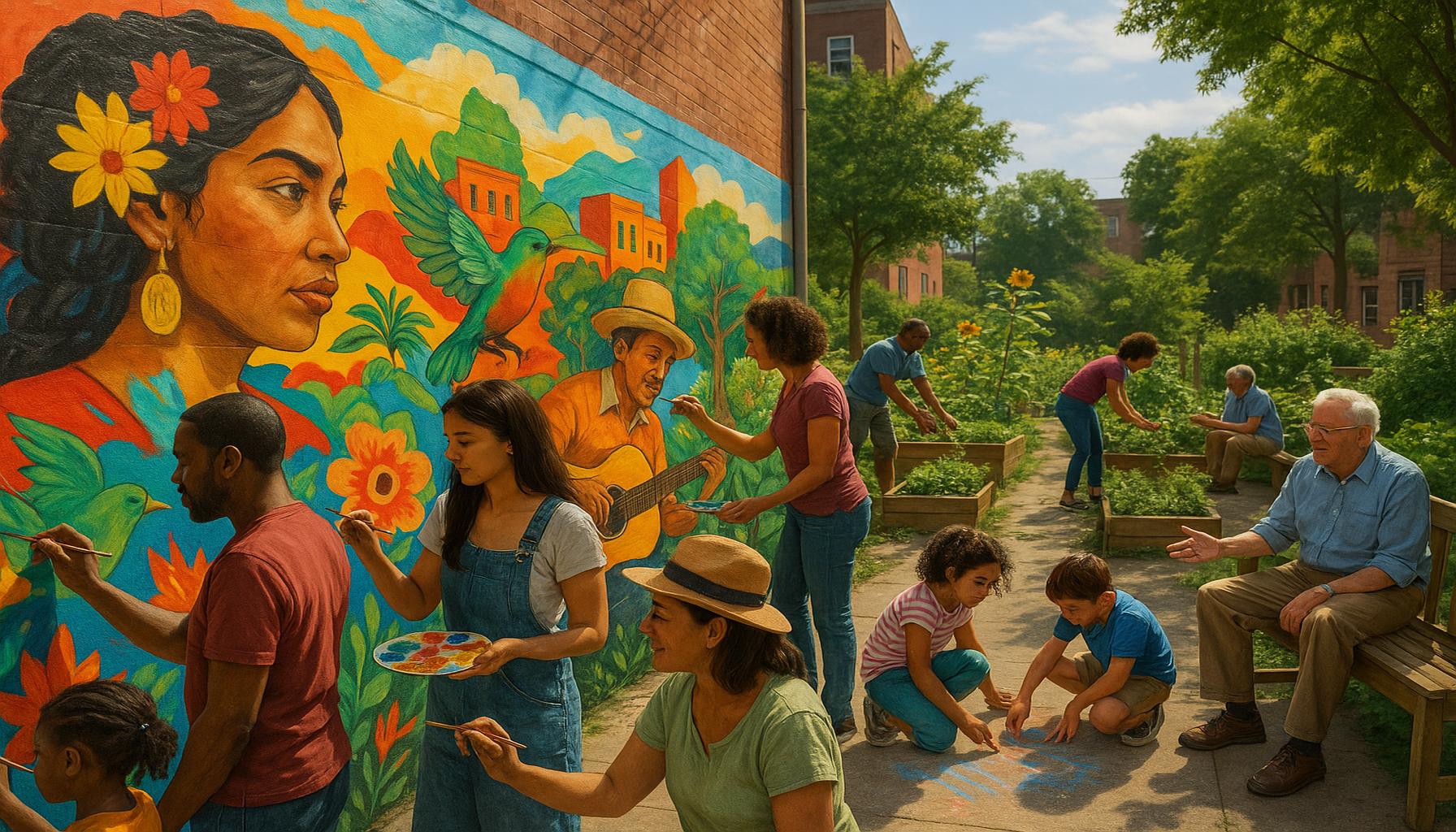
Understanding the Role of Community Art
In an era of increasing digital interaction, the significance of traditional communal experiences cannot be overstated. Community art projects are emerging as vital instruments that foster social ties and cultivate a distinct local identity. These collaborative efforts not only beautify public spaces but also initiate essential conversations within neighborhoods.
Community art has the power to:
- Create connections among diverse groups
- Celebrate local culture and history
- Encourage civic engagement and participation
The Power of Connection
One of the primary benefits of community art is its ability to bring together individuals from diverse backgrounds. Through collaborative projects, residents can share their personal stories, cultural heritage, and talents. Participating in a community mural or a public art installation often leads to interactions that foster mutual understanding and respect. For instance, in cities like Chicago, initiatives such as the Chicago Public Art Program engage residents to reflect their neighborhood’s vibrant diversity through artistic expression. This inclusive approach cultivates a sense of belonging and grapples with the community’s multifaceted identity.
Cultural Celebration and Local Identity
Community art also plays a pivotal role in celebrating local culture and history. By reflecting the unique narratives of a place, public art installations can serve as important touchstones for community identity. For example, New Orleans uses public art to commemorate its rich musical heritage, visually expressing the soul of the city while simultaneously drawing tourists who wish to experience that culture. The Street Art Project in the French Quarter showcases the works of local artists, explicitly tying the visual landscape to the cultural fabric of Louisiana.
Driving Civic Engagement
Engagement in community art projects often leads to increased civic participation. When residents come together to create, they develop a shared investment in their surroundings, which can lead to greater involvement in other civic activities. Initiatives like the Detroit Institute of Arts’ community-driven mural projects have been instrumental in rallying neighborhoods to beautify their environments while addressing social issues through art. These artistic endeavors not only enhance aesthetic appeal but also open dialogues about community challenges and aspirations.
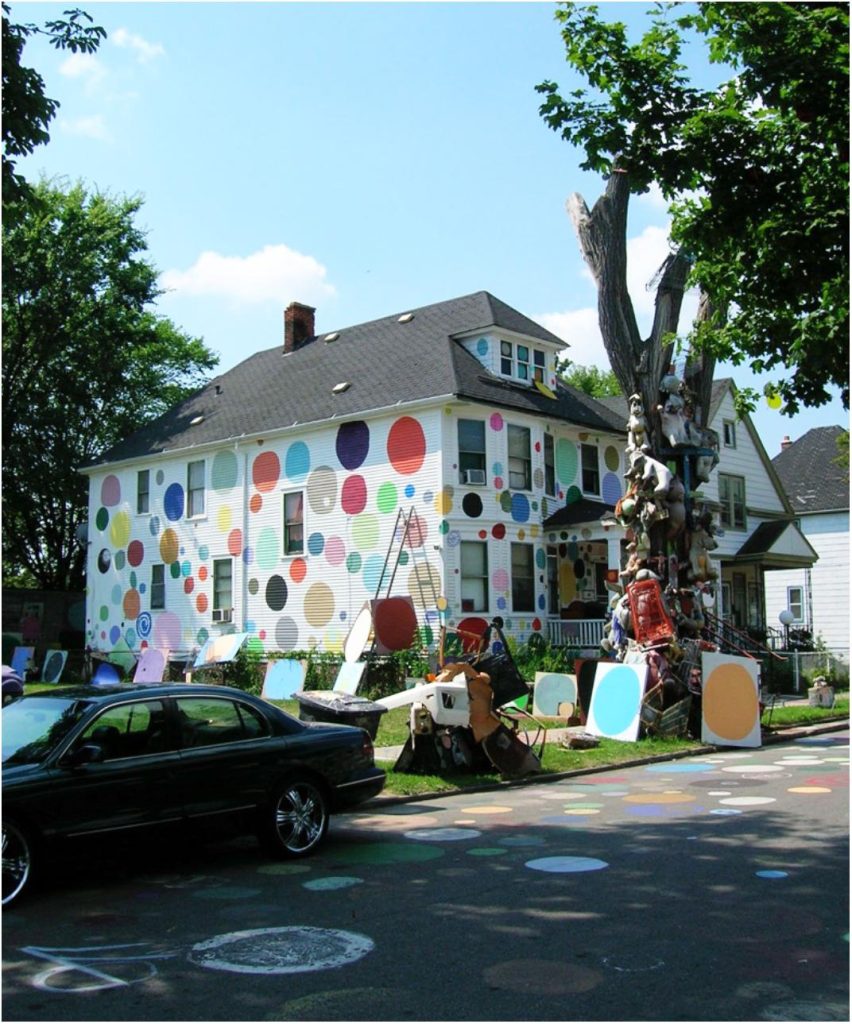
Transformative Impact Across the Country
The impact of community art on social cohesion and identity is being witnessed coast to coast. In places like Philadelphia, the Mural Arts Program has integrated art into the urban fabric for over three decades, resulting in thousands of murals that tell the city’s diverse stories. Similarly, in San Francisco, the ArtWalks initiative allows local artists to display their work, transforming streets into cultural corridors that celebrate local creativity while inviting the community to engage.
These initiatives highlight the essence of community art—the blending of creativity with active community involvement. As we delve deeper into this topic, the impact of community art on social cohesion and identity will become increasingly clear, revealing its potential to transform not just public spaces, but entire communities. From fostering connections among residents to celebrating unique cultural histories, community art is more than just decoration; it is a profound form of collective expression that can revitalize and unify neighborhoods across the United States.
DIVE DEEPER: Click here to discover how to enhance your DIY projects with technology
Connecting Through Creativity
The impact of community art extends far beyond mere aesthetics; it serves as a catalyst for connection among residents. When individuals come together to collaborate on art projects, they participate in a collective journey that encourages dialogue and fosters relationships. These interactions can significantly enhance social ties among community members, bridging gaps between different cultures, ages, and socio-economic backgrounds. For instance, neighborhood art fairs and workshops often culminate in the creation of impressive murals or installations, displaying the richness of shared narratives.
The Collective Experience
In various cities across the United States, community arts programs bring together individuals for a shared purpose. The power of community art is evident in programs like the Los Angeles Arts Community Initiative, where residents, artists, and local organizations unite to transform underutilized public spaces into artistic showcases. Participants from diverse backgrounds come together, sharing their experiences, art styles, and creative processes, ultimately leading to the formation of social bonds. Surveys conducted by local arts agencies indicate that over 70% of participants report increased feelings of connection to their neighborhood after engaging in community art projects.
Diverse Advantage
In terms of diversity, community art has the unique ability to reflect varied cultural heritages and perspectives. Programs like the Brooklyn Arts Council actively promote inclusivity by inviting artists from different ethnic backgrounds to contribute to community art projects. This approach not only promotes representation but also enhances understanding among community members, creating a tapestry of local identity. The visual artwork produced becomes a narrative that unites individuals, providing them with a sense of pride and ownership over their shared spaces.
Encouraging Participation
The act of creating art collectively encourages civic engagement in many neighborhoods. Residents invested in beautifying their surroundings are more likely to participate in local governance, attend community meetings, and raise awareness about pertinent social issues. Programs such as the Community Arts Project in Boston empower citizens to voice their concerns through art, providing a platform for discourse on critical issues ranging from gentrification to environmental concerns. By encouraging individuals to engage and collaborate, community art initiatives foster a culture of active participation that transcends the canvas.
Art as a Reflection of Community Values
Moreover, community art serves as a canvas to reflect the values and aspirations of a neighborhood. Through public installations, artists capture the essence of collective identity, celebrating what makes each area unique. In cities like Seattle, projects such as the Seattle Public Art Program incorporate local narratives, giving voice to stories that might otherwise go untold. Residents are drawn into these expressions of identity, prompting a shared understanding of their community’s values and history.
As we further explore the transformative nature of community art, it becomes clear that these artistic endeavors are much more than simple visual enhancements. They not only promote social ties among residents but also play a crucial role in defining and celebrating local identity. The possibilities that stem from community art are endless, paving the way for a more cohesive and engaged society.
The Role of Community Art in Building Social Ties and Local Identity
Community art serves as a powerful medium that can bridge gaps between individuals, fostering collaboration and interaction among diverse groups. When community members engage in artistic projects together, they share experiences and perspectives, breaking down social barriers and creating a sense of belonging. This collective participation nurtures friendships and social networks, which are vital for enhancing community resilience.
Moreover, community art projects often reflect local histories, cultural expressions, and unique identities, serving as visually striking representations of a community’s heritage. By incorporating local skills and traditions, these art initiatives not only strengthen local identity but also educate outsiders about the community’s values and narratives.
Furthermore, the engagement in community art promotes social cohesion by providing a platform for dialogue and shared ownership. For instance, murals or public installations can invite feedback and participation from local residents, making individuals feel valued and heard. The result is a collective pride and greater investment in the community’s future.
In addition to the personal benefits of social interaction, community art initiatives often attract visitors, enhancing local economies and increasing funding opportunities for further civic projects. This cycle of community engagement can lead to a more vibrant, inclusive, and thriving neighborhood, rich in identity and cultural significance.
| Advantage | Description |
|---|---|
| Enhanced Community Engagement | Community art fosters participation and collaboration among residents, creating strong ties and friendships. |
| Cultural Representation | Art projects reflect local heritage and identity, providing a visual narrative that conveys the community’s unique story. |
Exploring how community art can shape social ties and identity is vital for understanding its far-reaching effects on building vibrant public spaces and nurturing relationships among individuals. As communities continue to embrace this form of expression, the benefits are likely to expand, further enhancing both the individuals involved and the community as a whole.
DISCOVER MORE: Click here to deepen your understanding
Fostering Local Activism through Art
Beyond just beautifying neighborhoods, community art often ignites social activism and advocacy, empowering local residents to address pressing social issues. Art provides a meaningful outlet for expressing dissent, challenging the status quo, and rallying for change. For instance, the Philadelphia Mural Arts Program engages community members in dialogues centered around social justice, mental health, and environmental sustainability. Through murals and public installations, these conversations are not only documented but transformed into powerful visual statements that call for collective action.
Art as a Tool for Healing
Moreover, many community art projects contribute significantly to healing and reconciliation efforts, especially in areas affected by trauma or social unrest. Programs like Studio in a School in New York City work with at-risk youth to foster emotional resilience through creative expression. By providing a safe space for artistic exploration, these projects can rebuild trust, reduce stigma around mental health, and facilitate discussions that empower individuals to share their personal stories. The arts become a vehicle for healing, transforming pain into creativity and fostering connections among participants.
Creating Economic Opportunities
Community art can also serve as an economic lift for neighborhoods, creating opportunities for local artists and cultural entrepreneurs. Initiatives like the Arts District in Los Angeles have successfully linked art-making with economic growth, offering artist residencies, galleries, and performance spaces that contribute to local economies. By showcasing local talent, these initiatives promote local identity while drawing attention and visitors to the area, which can lead to further investment and development.
Innovative Collaborations with Technology
As the digital age continues to evolve, community art is also embracing technology, leading to innovative collaborations and outreach initiatives. Program examples, such as the Crew of Color’s Augmented Reality Art Walk, allow participants to interact with digital art overlays in public spaces via smartphones, engaging a wider audience in a dialogue about local culture and identity. Integrating digital platforms into community art not only attracts a younger demographic but also extends the reach of local stories and cultural narratives beyond geographical boundaries, further enhancing community ties.
Engagement Through Education
Education is another critical avenue where community art plays a vital role. Various schools and youth organizations across the country are implementing after-school programs that emphasize the importance of community art in developing awareness and appreciation of local cultures. For instance, City Arts & Lectures programs in San Francisco encourage students from diverse backgrounds to partake in artistic workshops, culminating in community showcases. Activities like these not only nurture young talent but also emphasize the aesthetic and historical significance of their environments.
In essence, community art serves as an invaluable tool in a multitude of ways, enhancing social ties, local identity, and cultural resilience. By interweaving artistic expression with community engagement, neighborhoods can thrive, fostering environments that celebrate diversity, activism, and creativity. The growing significance of community art speaks to a renewed understanding of the importance of collective creativity as a pathway toward a more cohesive and connected society.
DIVE DEEPER: Click here to discover more
Conclusion: The Lasting Impact of Community Art
In conclusion, community art stands as a powerful catalyst for fostering social ties and nurturing local identity. Through its multifaceted approach, art encourages collaboration, dialogue, and genuine connection among residents regardless of their backgrounds. By promoting creativity, community art empowers individuals to express their unique identities and experiences, ultimately enriching the cultural fabric of neighborhoods.
Additionally, the economic benefits of community art initiatives cannot be overlooked. By providing economic opportunities for local artists and cultural entrepreneurs, cities are able to invigorate their economies while cultivating a distinct sense of place. Programs that blend art with technology not only expand the reach of local narratives but also engage younger generations, ensuring the continuity of community-driven initiatives.
As the experiences highlighted in this article illustrate, community art goes beyond mere aesthetics; it becomes a transformative force for healing, collective activism, and education. From the murals in Philadelphia to the artist residencies in Los Angeles, these projects reflect the resilience, diversity, and creativity inherent in every community.
As we move forward, it is crucial to recognize and support the vital role that community art plays in shaping cohesive societies. By investing in and engaging with local arts initiatives, communities can continue to build strong social ties and cultivate a robust local identity, creating a shared future built on collaboration and creativity. The journey of community art is one worth exploring, as it unveils the rich tapestry of shared human experiences that bind us all.