The Journey of the Body: Discovering Authenticity and Freedom Through Dance
Unlocking the Power of Movement
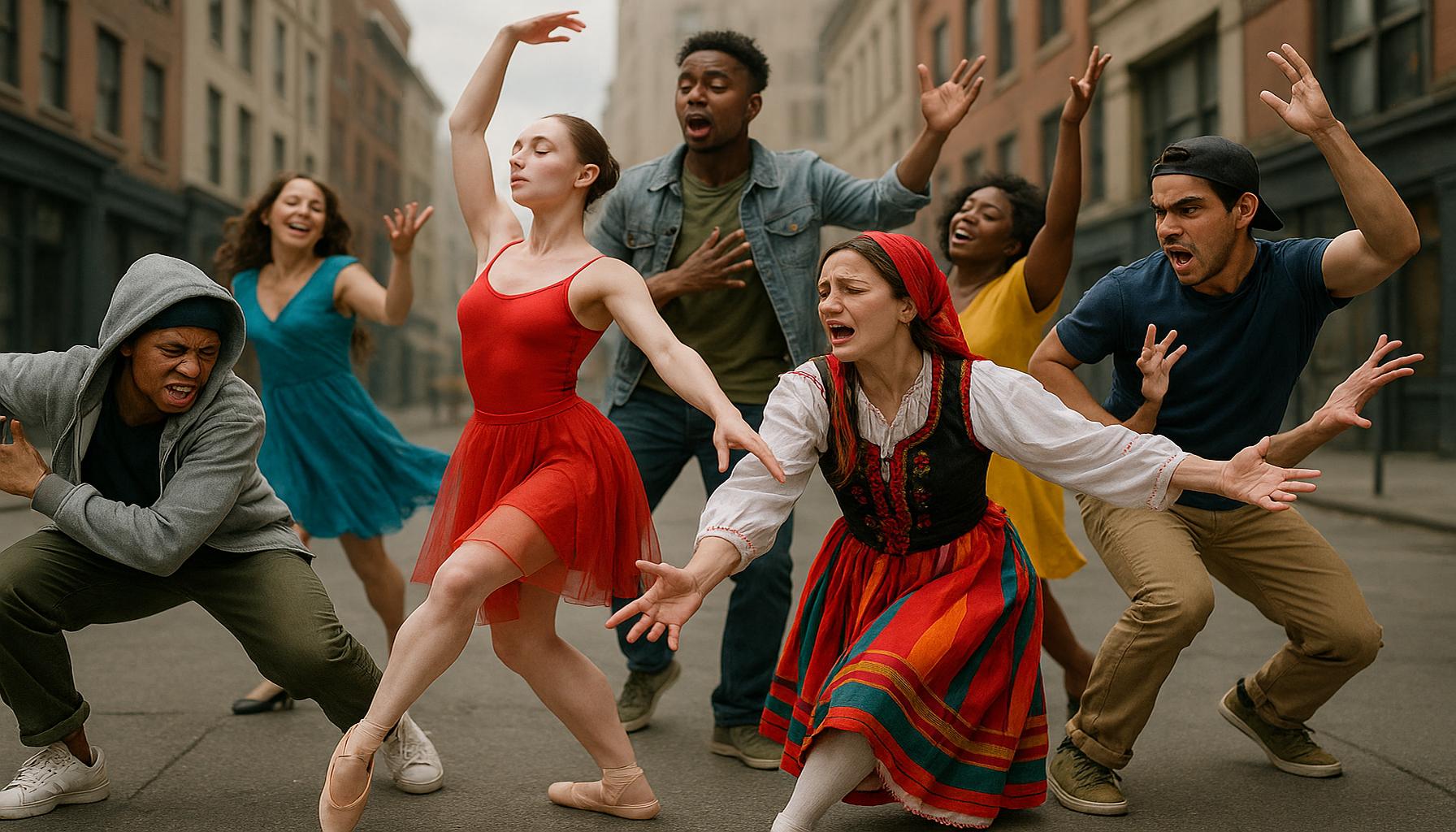
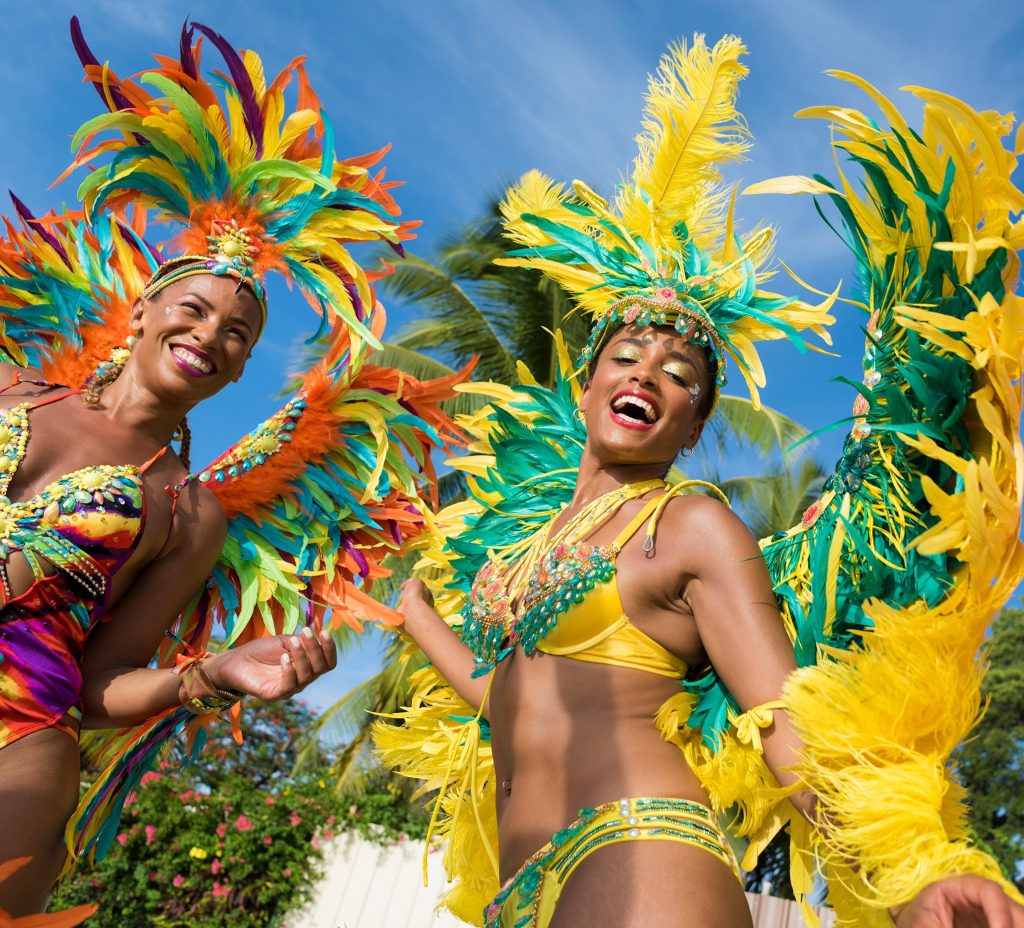
Dance is not merely a series of choreographed steps; it emerges as a dynamic form of expression that resonates deeply within us. Across the United States, dance manifests in a multitude of styles, each imbued with distinct cultural significance and personal backgrounds. The vibrant energy of hip-hop can be found on bustling city block corners, while the elegance of ballet graces the stages of renowned theaters. In both instances, dance offers a unique pathway for individuals to embark on transformative journeys that redefine their sense of self and community.
The profound journey of the body, facilitated by dance, invites us to:
- Connect with our inner selves: Through rhythmic movement, individuals can access emotions that often remain unspoken. For example, a dancer performing a contemporary piece may convey feelings of loss or joy without uttering a single word, creating an emotional resonance that connects with audiences.
- Break societal norms: Dance has the power to challenge and redefine conventional standards of beauty and identity. Styles such as voguing emerged in the LGBTQ+ community, directly contesting traditional notions of masculinity and femininity through flamboyant and expressive movements.
- Foster community: Group dances, from salsa nights at local clubs to flash mobs in public squares, cultivate a sense of belonging and connection. These shared experiences create bonds between participants, demonstrating how collective movement can forge friendship and understanding.
Exploring the rich tapestry of dance can lead to a more authentic existence. As individuals learn to navigate their physicality, they often find empowerment in embracing their unique narratives. Through this process, dancers may discover newfound confidence and resilience, igniting a desire to share their stories with the wider world. Are you ready to witness how movement can transform your life?
Discover the Journey
Join us as we delve into the multifaceted role of dance, not only as a vibrant form of artistic expression but also as a vital means of understanding ourselves and the world around us. This journey promises to reveal the freedom found in authentic movement and the liberation of the human spirit. Each step, every leap, and all rhythms echo the diverse stories we carry, inviting you to investigate further the ways in which dance can enhance your life.
In participating in this exploration, one might uncover local dance classes or community events, where learning and participation become accessible pathways to enrich one’s life. Engaging with dance offers a powerful reminder of our shared humanity and the transformative nature of movement, urging us to celebrate diversity in expression.
DISCOVER MORE: Click here to enhance your home decor
Diving Deeper into Self-Expression
The essence of dance as a medium of self-expression goes far beyond the surface level of movement. Whether one opts for the intricate footwork of tap, the fluidity of jazz, or the grounded expressions found in African dance, each style serves as a vessel for individuals to explore their personal narratives. When people engage in dance, they are not merely following steps; they are engaging in a profound conversation with their body, channeling emotions that transcend words and cultural confines.
In the United States, the landscape of dance is as diverse as its population. Cultural backgrounds infuse various styles with rich histories and meanings. For instance, flamenco illustrates the passion and resilience of Spanish culture, while traditional African dance often communicates community stories and ancestral connections. By delving into these forms, dancers gain insights into not just their own heritage, but also participate in the larger tapestry of human experience.
This journey into authenticity through dance unfolds in several compelling ways:
- Embracing Vulnerability: Engaging in dance often requires individuals to confront their insecurities. The spontaneity of improvisational dance, for example, challenges dancers to let go of preconceived notions about their body and ability, ultimately leading to personal breakthroughs.
- Cultivating Creative Freedom: Dance empowers individuals to make bold choices. Whether it’s experimenting with new moves or incorporating unconventional styles, this creative exploration often fosters a sense of freedom that extends beyond the dance floor, influencing other facets of life.
- Finding Our Voice: For many, dance serves as a means to express thoughts, struggles, and triumphs that are difficult to articulate verbally. The use of movement allows for a unique form of storytelling, enabling individuals to share their experiences and inspire others without saying a word.
The transformative power of dance lies in its ability to facilitate this exploration of identity. When participants lose themselves in the rhythm and flow of movement, they often come to better understand their own bodies and the limitations or biases they may have internalized. This leads to greater self-acceptance and a more profound connection to the world around them.
In nurturing creativity and vulnerability, dance ultimately provides an avenue for individuals to reclaim their narratives. By telling the stories of their lives through movement, dancers can encourage others to do the same, cultivating a culture of authenticity and freedom that reverberates within local communities and beyond.
The Invitation to Dance
As we continue this journey of exploration, remember that every dance step carries the potential for insight and transformation. Finding a local dance class or community workshop can be the first step in connecting with this powerful form of expression, leading to a deeper understanding of oneself. With each movement, a new chapter unfolds—inviting you to step onto the dance floor and into a world of authenticity, freedom, and discovery.
The Transformative Power of Dance
Dance is not merely a form of expression; it’s a profound journey towards self-discovery and emotional liberation. Each movement invites individuals to explore their physicality and emotions, fostering a unique connection with their inner selves. When one dances, the body becomes a medium through which personal stories and cultural narratives are shared, enabling a deeper understanding of one’s identity. Authenticity and freedom become intertwined as dancers learn to embrace every facet of their being—strengths, vulnerabilities, and everything in between.Moreover, the psychological benefits of dance are vast. Engaging with rhythm can significantly reduce stress and increase feelings of happiness. The physicality of dance releases endorphins, contributing to an improved mood and overall well-being. Participants discover how movement can be a tool for empowerment, allowing them to reclaim their bodies in a society that often tries to dictate how they should look or behave.
Community and Connection
The journey of dance also emphasizes the importance of community. Group dances foster a sense of belonging, encouraging individuals to share their experiences and dance together in harmony. This collective experience contributes to shared emotional healing, and cultivates friendships that transcends cultural and social barriers. As dancers come together, they celebrate diversity and learn from one another, creating an enriching environment that enhances personal and communal growth.Through workshops, classes, and performances, individuals encounter mentors and peers that challenge them to further explore their identities. This journey often leads to collaboration on creative projects, enhancing artistic expression while deepening bonds among fellow dancers. In finding their voice within movement, they also inspire others to embark on their own journeys, forming a ripple effect of empowerment and authenticity.
| Advantage | Description |
|---|---|
| Emotional Healing | Dance serves as a medium for expression, allowing for a release of pent-up emotions and personal stories. |
| Sense of Community | Joining group sessions fosters a feeling of belonging and connection, inviting individuals to share in the collective dance journey. |
The exploration of dance in this light opens avenues not just for personal growth but also for cultural dialogue. As individuals engage with diverse styles, they learn to respect various traditions, further enriching their dance experiences. The act of movement, when embraced fully, propels one towards authenticity, freeing the body to become a vehicle for self-expression and connection.
DIVE DEEPER: Click here to discover how technology enhances performance
The Impact of Community and Connection
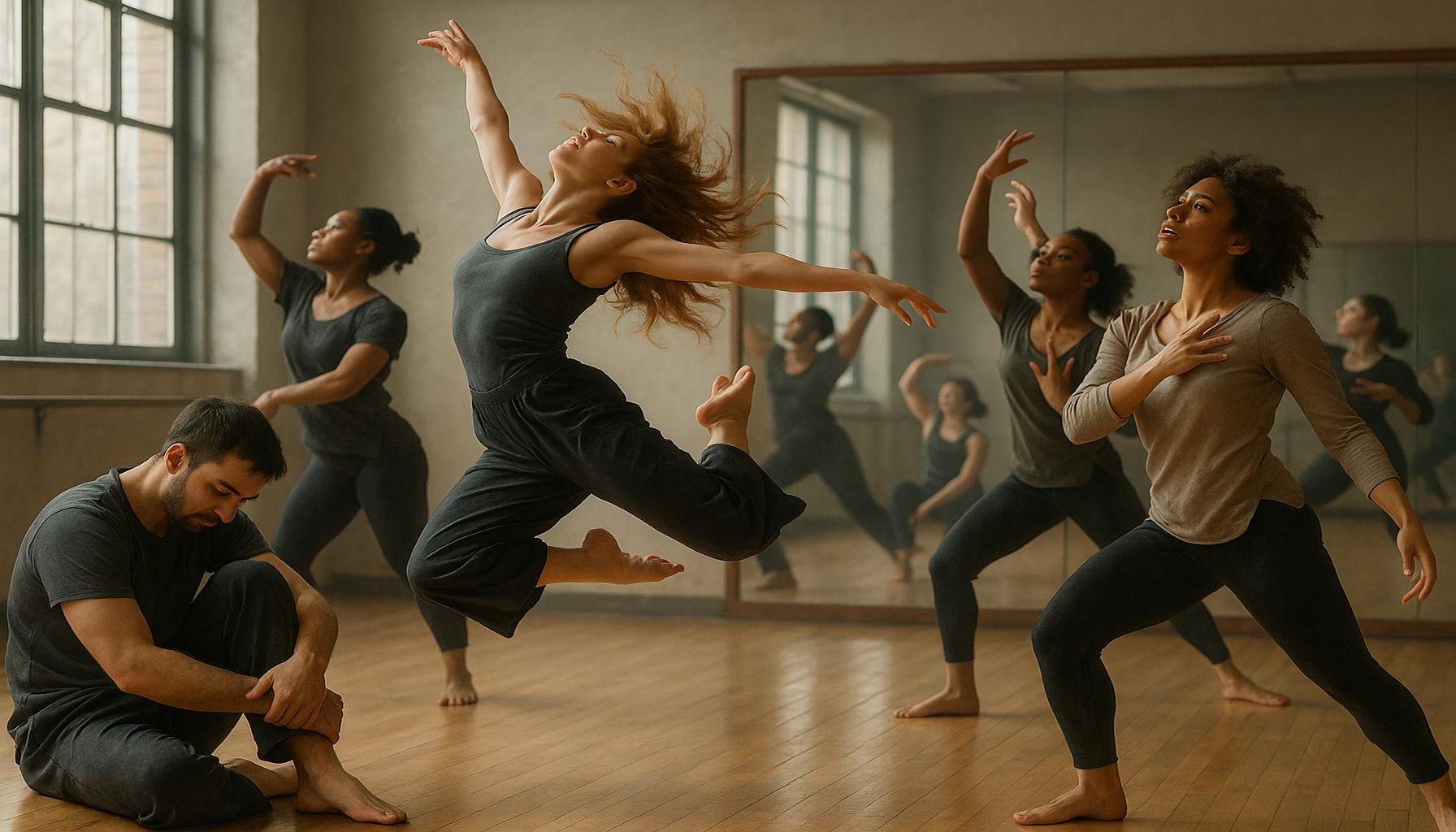
Dance is not merely a solitary endeavor; its true magic often unfolds within the shared experience of community. Across the United States, dance serves as a cornerstone for cultural exchange, fostering connections that transcend language and geography. In urban areas, dance studios and community centers have become safe spaces where individuals gather to celebrate their varied backgrounds and identities through movement.
This communal aspect of dance introduces yet another dimension to the theme of authenticity and freedom. Participating in group classes or collective performances allows dancers to forge bonds that enhance their understanding of both themselves and others. For instance, dance circles in the hip-hop community often stress the importance of “freestyling”—a form of improvisational dance that not only encourages self-expression but also highlights the communal nature of creativity. By sharing the dance floor as equals, dancers engage in a unique form of dialogue that fosters belonging and camaraderie.
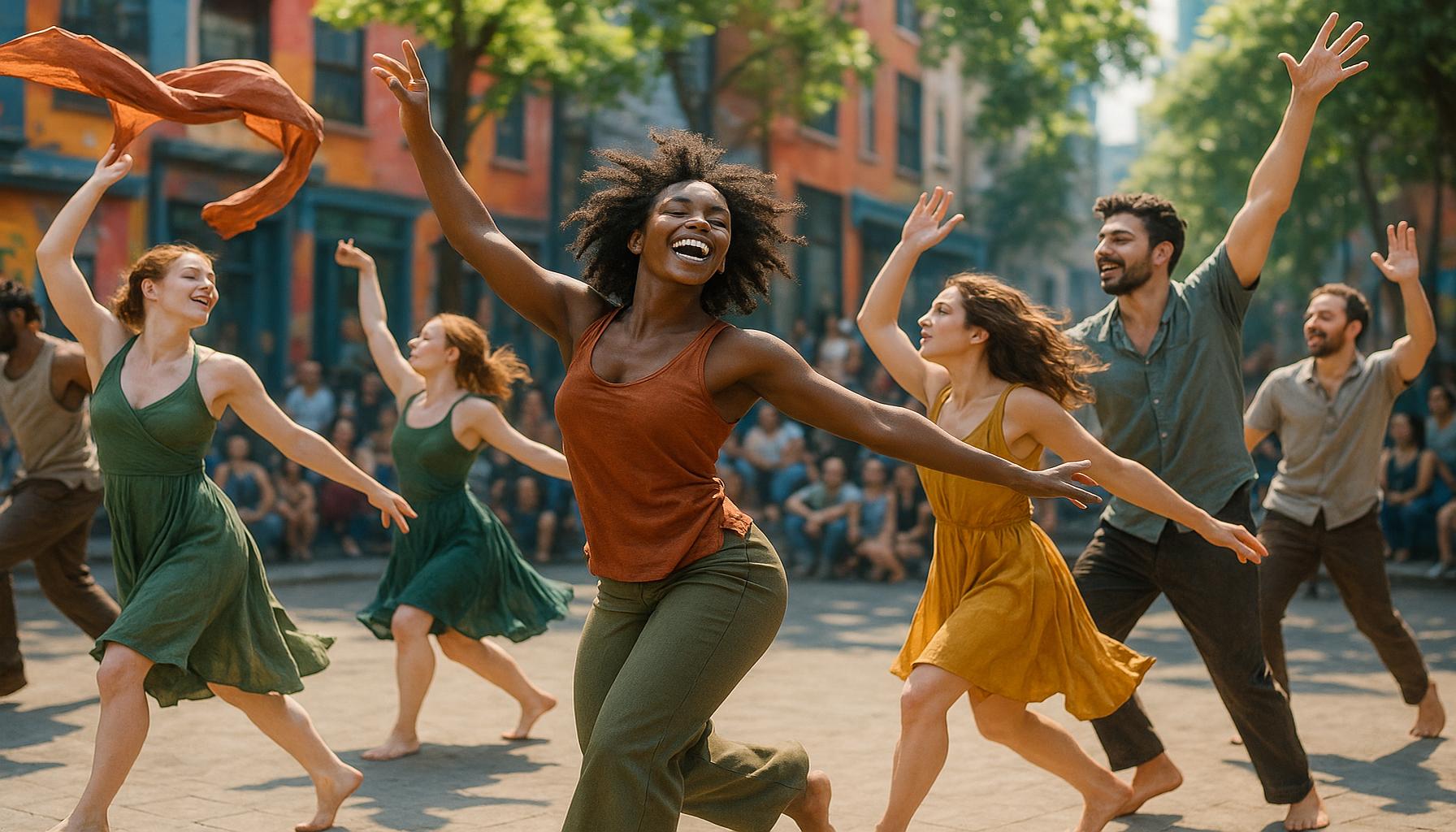
Moreover, the growing popularity of events like dancesport competitions and flash mobs plays a pivotal role in bringing people together. These gatherings celebrate diverse styles—from salsa to contemporary—and encourage participation from people of all ages and skill levels. Such inclusivity helps demystify dance as an art form, making it accessible to anyone willing to step out of their comfort zone and into the spotlight.
The Role of Dance in Healing and Empowerment
The therapeutic nature of dance cannot be overstated. Various studies have shown that engaging in dance can significantly improve mental health by reducing stress and anxiety levels while promoting feelings of joy and liberation. Dance therapy has gained traction in therapeutic contexts, offering individuals coping with trauma or mental health challenges an opportunity to process their emotions in a safe, expressive environment.
In particular, organizations like the Dance Therapy Association of America are dedicated to enhancing awareness of dance as a healing tool. They emphasize that moving the body can stimulate emotional transformation—helping individuals unlock experiences that might be difficult to access through traditional talk therapies. In this sense, dance becomes a medium not just for artistic expression but also for personal empowerment, reinforcing individuals’ ability to reclaim their stories and redefine their narratives.
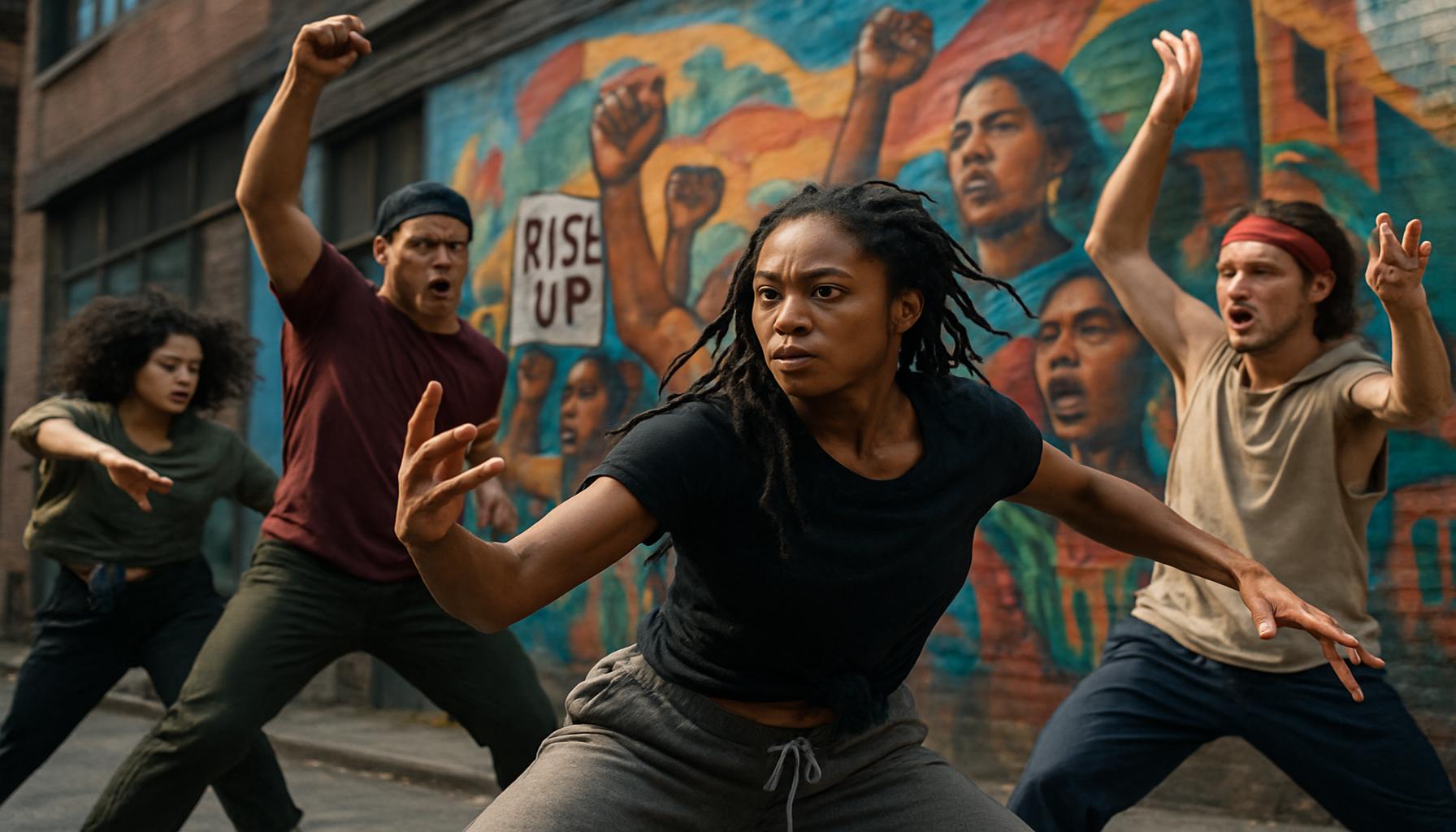
Additionally, for marginalized communities, dance can act as a powerful socio-political statement. Movements such as Black Lives Matter have incorporated dance as a form of protest and resistance. Through choreographed routines and street performances, dancers communicate messages of hope, solidarity, and resilience, showcasing how movement can act as a catalyst for social change.
As dancers continue to explore and embody authenticity through movement, the layers of connection, healing, and empowerment add depth to their journey. By embracing the intersection of individual and communal experiences in dance, participants encounter not only their own freedom but also a shared sense of purpose that enriches their lives.
DIVE DEEPER: Click here to get started with musical composition!
Embracing the Freedom of Movement
In conclusion, the journey of the body through dance is an intricate tapestry that weaves together authenticity, community, and empowerment. As individuals discover their own unique expression through movement, they simultaneously cultivate a profound connection with others. The opportunities for shared experiences, whether in studio classes, performances, or community gatherings, dismantle barriers and establish an enriching dialogue among diverse cultures and identities.
The transformative power of dance extends beyond mere entertainment; it acts as a therapeutic tool that nurtures healing and emotional resilience. Studies increasingly underscore the benefits of dance therapy, highlighting how moving the body can unlock hidden emotions and foster self-discovery, especially for those grappling with trauma or mental health challenges. This interplay of personal journeys and communal ties underscores the idea that dance is not just an art form but a powerful medium for individual and collective liberation.
Moreover, as socio-political movements incorporate dance as a vehicle for expression—challenging injustices and celebrating unity—its role in shaping cultural narratives becomes ever more significant. The fusion of artistic freedom, social activism, and healing through body movement invites us to explore dance as a vital force in our society today.
Ultimately, the journey of the body through dance is a celebration of authentic self-discovery and shared human experience. By embracing the freedom of movement, we not only enrich our own lives but also contribute to a vibrant tapestry of expression, belonging, and transformation that resonates far beyond the dance floor. To fully engage with this art form is to embark on a liberating adventure—a quest for our most genuine selves, intertwined with the lives and stories of others.