The Influence of Dance on Emotional Expression: Exploring Movement as Therapy
Unlocking Emotions Through Movement
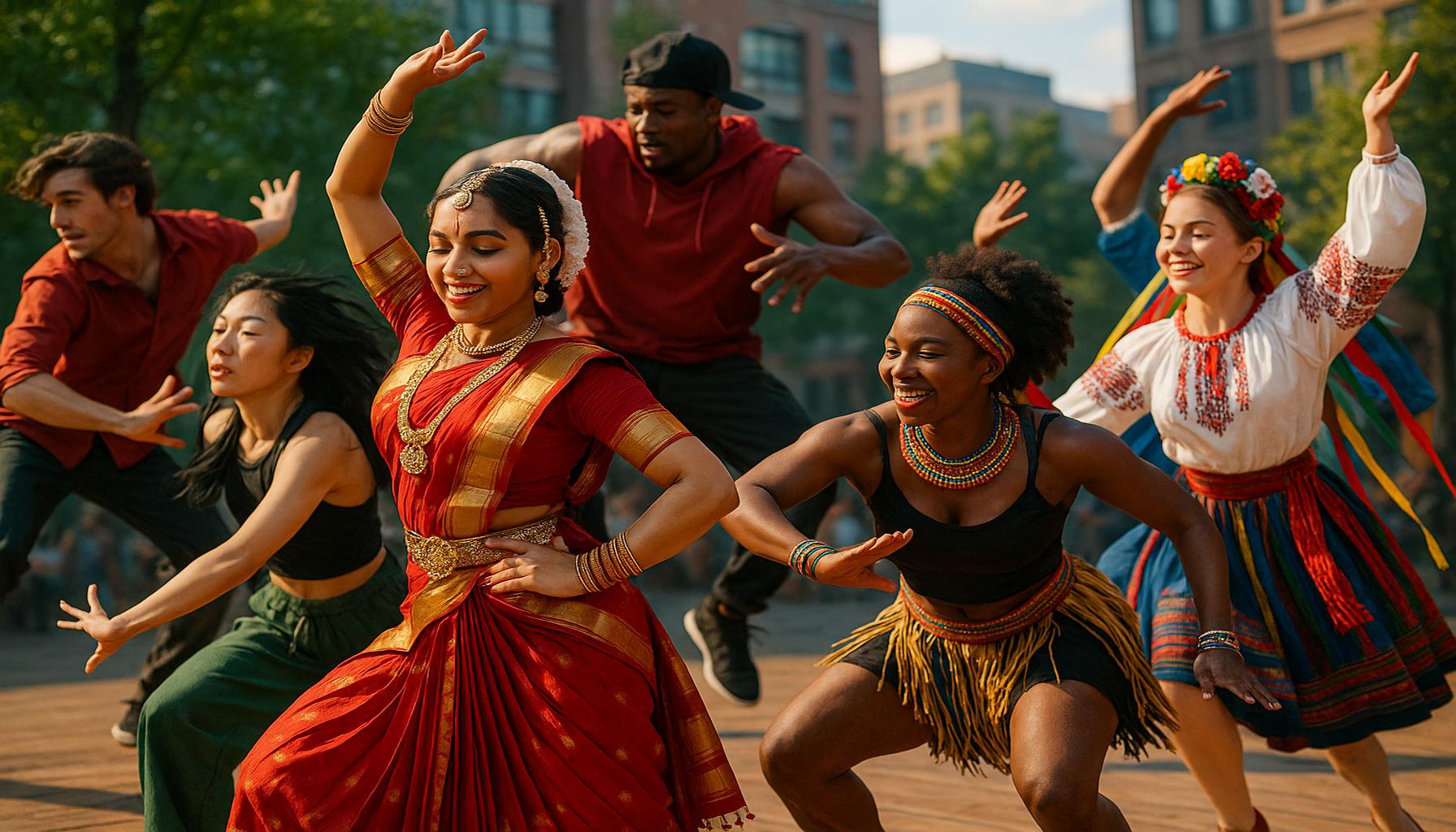
Dance has long been recognized as a universal language, intersecting cultures and creating a tapestry of human emotion that transcends barriers. It serves as a powerful medium for expression, allowing individuals to communicate deep feelings that may remain unspoken. With the rise of well-being movements, society is increasingly recognizing dance not only as an art form but also as a vital component of holistic wellness. Its therapeutic potential is coming to the forefront, revealing a world of emotional exploration.
The Therapeutic Power of Dance
Research has shown that engaging in dance can produce significant gains in emotional health and psychological well-being. Here are some of the most notable benefits:
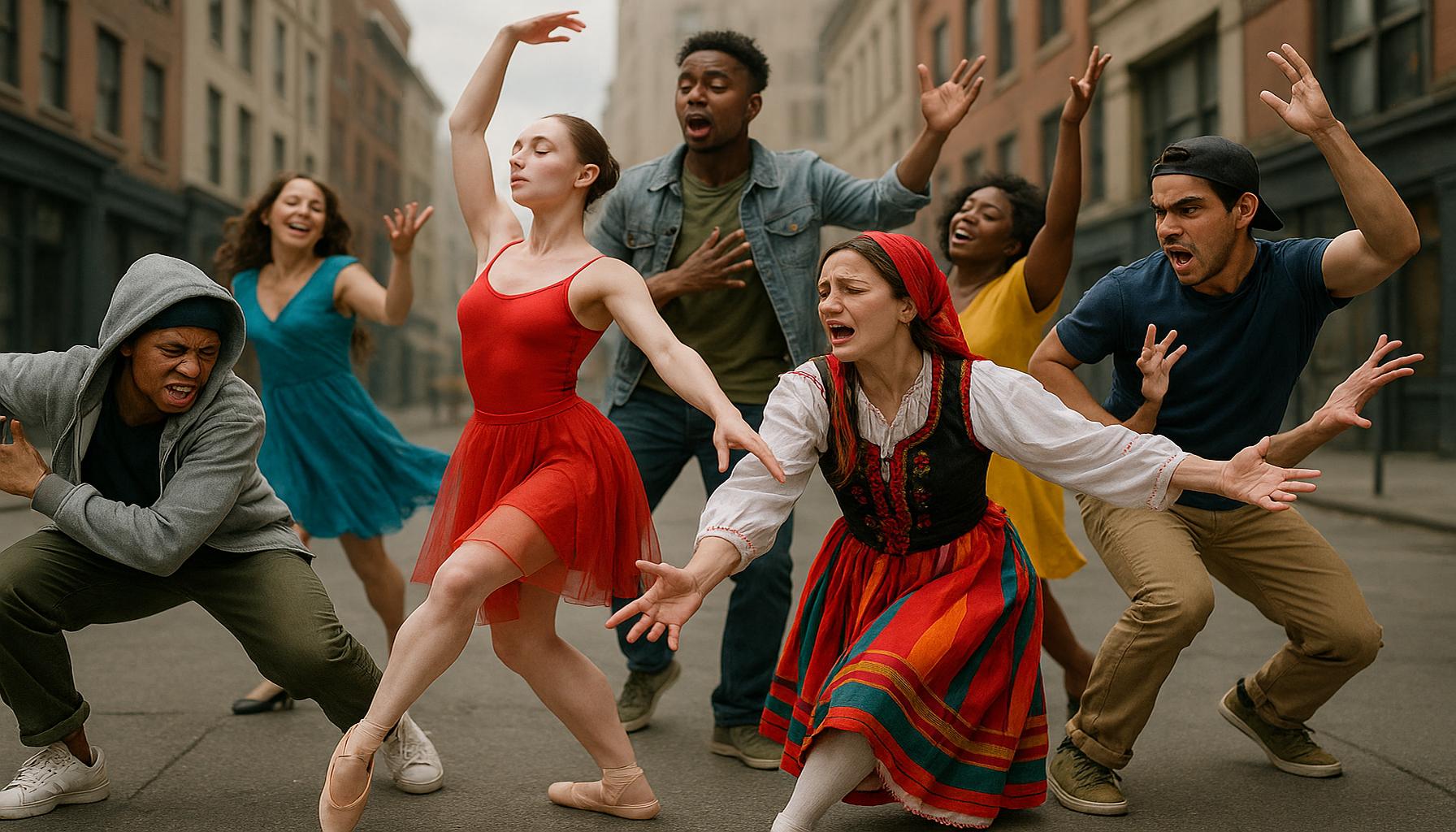
- Enhanced Emotional Expression: Through various styles, from ballet to hip-hop, dance provides a unique outlet for individuals to articulate complex emotions. For instance, a contemporary dancer may use fluid movements to express grief and loss, enabling both the performer and the audience to connect on a visceral level.
- Stress Reduction: Scientifically, physical activity, including dance, triggers the release of endorphins, chemicals in the brain that promote feelings of happiness and euphoria. For example, a Zumba class, with its upbeat Latin rhythms, can help participants shake off daily stress, leaving them invigorated and uplifted.
- Social Connection: Dance, particularly in group settings, fosters a sense of community and support. Dance groups in local communities often provide a safe haven for individuals who may feel isolated, creating bonds that are essential for overall mental health.
Dance as a Healing Tool
Numerous forms of dance therapy have emerged, each designed to address specific therapeutic needs. The landscape of dance therapy includes:
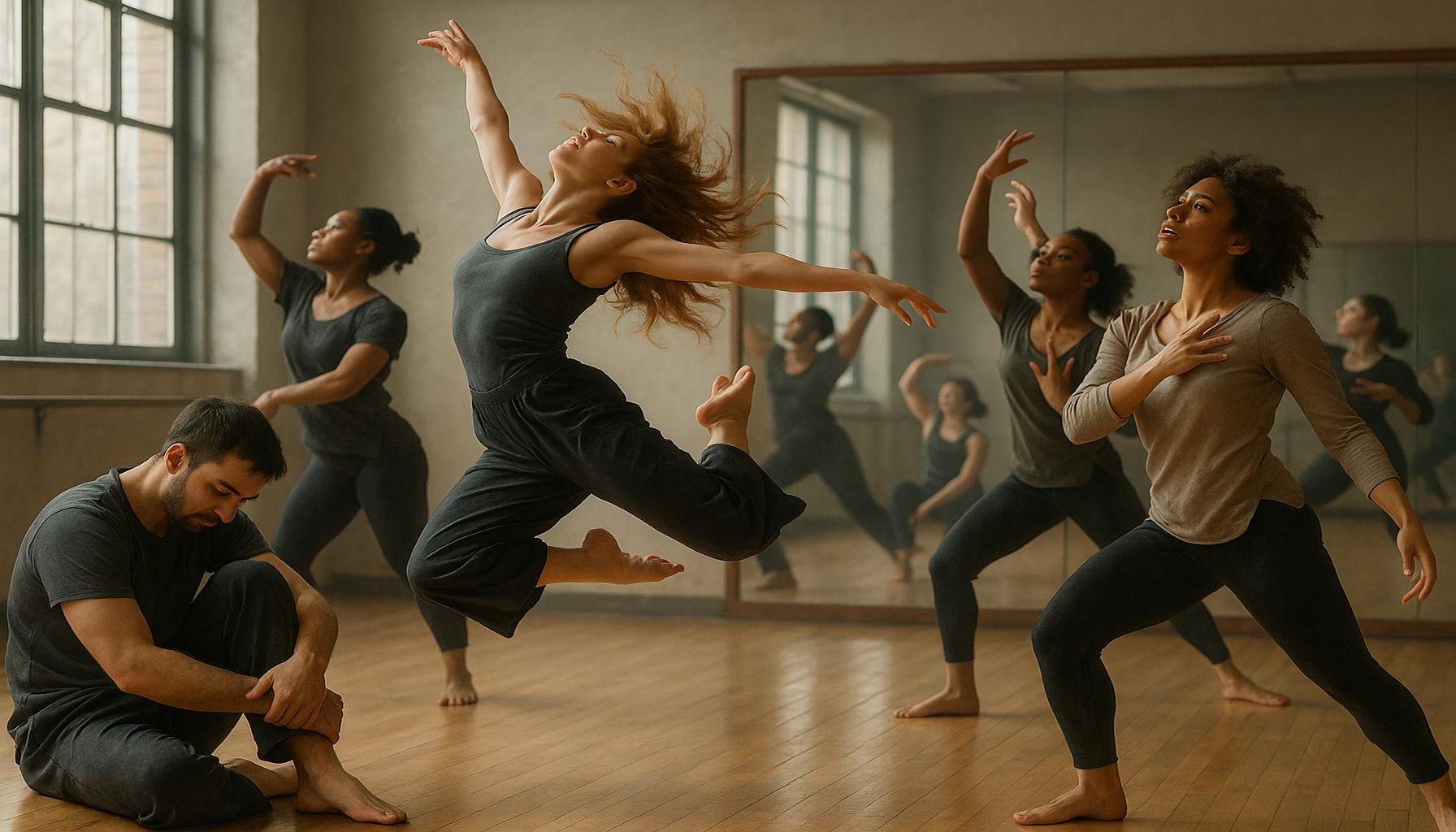
- Expressive Dance Therapy: This approach focuses on creativity and self-exploration, often using improvisational methods to explore personal narratives. Therapists may guide participants to express hidden emotions through movement, leading to breakthroughs in self-awareness.
- Movement Therapy: This technique employs bodily movements to address psychological issues. It’s particularly beneficial for individuals with trauma, allowing them to reconnect with their bodies in a safe environment. For example, veterans suffering from PTSD may find relief as they express their experiences through structured movement.
- Community Dance Programs: Projects such as “Dancing with Parkinson’s” or local flash mobs often connect individuals through shared experiences, encouraging collective healing and social bonding. These programs not only enhance physical well-being but also promote mental resilience.
Delving into the multifaceted world of dance as a therapeutic tool allows us to appreciate how movement unlocks emotions and facilitates personal growth. The stories of individuals who have transformed their lives through dance are numerous and inspiring, beckoning us to recognize the unique power of this expressive art form. As we explore the impact of dance therapy further, we open ourselves to a realm of healing possibilities waiting to be discovered.
DISCOVER MORE: Click here to delve into global handicrafts
The Healing Rhythm of Dance
Diving deeper into the therapeutic effects of dance unveils a profound connection between movement and emotional release. Dance therapy is not merely about learning steps or mastering choreography; it serves as a dynamic form of emotional expression that has captured the attention of mental health professionals and practitioners alike. By integrating physical movement with creative expression, dance therapy encourages individuals to reconnect with their feelings, embracing a holistic approach to mental well-being.
Exploring the Psychological Benefits
The intricate relationship between movement and emotion is well documented in psychological studies. Engagement in dance can elicit profound emotional responses, fostering a greater understanding of oneself. Here are several psychological benefits that contribute to the healing power of dance:
- Increased Self-Awareness: Dance challenges individuals to confront their emotions through movement. By paying attention to how different styles resonate personally, dancers often gain insights into their reactions to various life situations.
- Empowerment Through Creativity: The freedom to express oneself through movement allows individuals to explore aspects of their identity that may have been suppressed. For example, a participant in a hip-hop workshop may discover newfound confidence as they express their interpretations of joy and resilience through dance.
- Mind-Body Connection: Dance requires a synchronization of mental engagement with physical activity, reinforcing the connection between mind and body. This relationship can be particularly beneficial in addressing anxiety and depressive disorders. By focusing on movement, dancers can momentarily divert their attention from troubling thoughts, paving the way for emotional healing.
Case Studies in Dance Therapy
Numerous success stories highlight the power of dance in emotional healing. For instance, patients recovering from emotional trauma have gained traction through dance therapy programs established in hospitals and rehabilitation centers across the United States. One prominent case involves a group of veterans participating in a movement therapy program designed to address PTSD. As these individuals engaged in purposeful movement, many reported feeling a sense of camaraderie, which helped break down isolation and foster a supportive environment.
Furthermore, a study published in the Journal of Dance Medicine and Science revealed that older adults engaged in dance classes showed significant improvements in both emotional and cognitive function. Participants reported enhanced moods, as well as a reduction in symptoms of anxiety and depression, leading to a more fulfilled quality of life. Such findings underscore the essential role that dance can play in promoting holistic and emotional health.
As we continue to peel back the layers of dance as therapy, it becomes increasingly clear that dance is more than just art; it is a vital avenue for emotional exploration and healing. Engaging with movement allows individuals to articulate feelings in ways that words often fail to capture, showcasing the unique power of dance as a transformative therapeutic tool.
The Power of Dance as a Therapeutic Tool
Dance has long been recognized as a form of artistic expression, but its impact on emotional well-being is gaining significant attention in both clinical and creative fields. In therapy, the intrinsic connection between movement and emotional release serves as a robust foundation for healing. Research indicates that engaging in dance facilitates the expression of complex emotions that might be difficult to articulate through traditional talk therapy.
Mind-Body Connection
The essence of movement lies in its ability to bridge the gap between the mind and body. When individuals engage in dance, they activate the body’s natural responses to emotions, helping to alleviate symptoms of stress, anxiety, and depression. Studies have shown that participants in dance therapy experience decreased anxiety levels and improved mood after sessions. The rhythmic and expressive nature of dance allows for a profound exploration of personal narratives, enabling individuals to process trauma and express feelings in a safe environment.
Diversity in Dance Therapy
Various dance modalities, including modern dance, ballet, and African dance, offer diverse therapeutic benefits tailored to individual needs. For instance, modern dance emphasizes free, expressive movement, and is particularly effective for those who find it difficult to express their emotions verbally. In contrast, structured forms like ballet might instill discipline and confidence in participants. This diversity illustrates that dance therapy is not a one-size-fits-all approach; it adapts to personal preferences and emotional requirements, catering to a wide audience.
Case Studies and Anecdotal Evidence
Numerous case studies have demonstrated the positive outcomes of integrating dance into therapeutic practices. Clients have reported significant improvements in their emotional expression, such as a greater understanding of their feelings and noteworthy shifts in their mental states. Additionally, group dance therapy sessions foster a sense of community and belonging, which can be particularly beneficial for individuals struggling with isolation. In essence, dance is emerging as a dynamic tool for emotional expression and healing. It introduces an innovative paradigm in therapeutic settings, extending beyond traditional verbal methods. By understanding the multifaceted role of dance as therapy, we open doors to new methods of emotional exploration and healing that can profoundly impact individuals’ lives.
| Category | Benefits |
|---|---|
| Emotional Release | Helps articulate complex emotions during therapy sessions. |
| Mind-Body Integration | Encourages holistic healing through movement, reducing anxiety. |
DIVE DEEPER: Click here for festive inspiration
Movement as a Language of Emotion
As dance continues to gain recognition as a therapeutic tool, its application across various clinical settings highlights its adaptable nature for emotional expression. When individuals participate in dance therapy, they are not only engaging their bodies but are also translating their emotions into kinetic language. This unique form of communication can bypass the limitations sometimes imposed by verbal expression, allowing for a more profound connection to one’s feelings.
Dance and Personal Narrative
One compelling aspect of dance therapy is its ability to facilitate the exploration of personal narratives. Participants are encouraged to embody their experiences through movement, which can be a powerful way to process trauma and emotional pain. For example, individuals recounting their life stories through dance often experience catharsis, expressing feelings of loss, joy, or struggle without the confines of spoken language. This form of storytelling through movement can help individuals gain a deeper understanding of their personal journey, promoting healing and integration.
Scientific Insights: The Neurological Impact
Emerging research supports the premise that dance therapy positively influences neurological pathways associated with emotional regulation. Studies indicate that engaging in dance stimulates the release of dopamine and oxytocin, neurotransmitters that foster feelings of happiness and social bonding. This increase in positive neurochemicals enhances mood and helps in establishing connections, crucial for individuals who may experience isolation due to mental health struggles.
Moreover, a compelling finding published in the Journal of Neuroscience highlights how dance improves neural connectivity across various brain regions. Participants who engaged in dance showed increased activity in the insula, a brain area linked to emotional awareness. This suggests that dance not only allows for emotional expression but also develops an understanding of emotions themselves, reinforcing the idea that movement can be a potent tool for emotional intelligence.
Dance Across the Lifespan
Dance therapy is beneficial regardless of age, showing its multifaceted impact on diverse populations. In children, movement-based therapies can serve as an outlet for expressing emotions that they may not yet have the vocabulary to articulate. Programs in schools increasingly incorporate dance as a method to enhance emotional literacy and foster social skills, allowing children to thrive in collaborative environments.
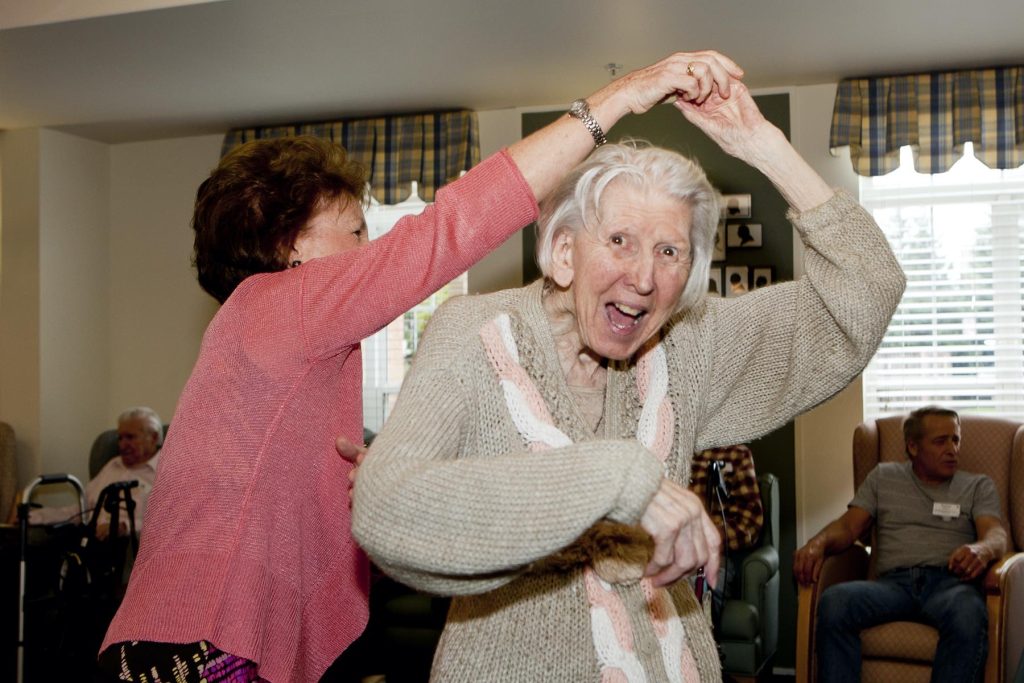
In older adults, dance therapy has emerged as a vital intervention for those experiencing cognitive decline or dementia. For instance, seniors participating in community dance classes report increased engagement with their environment, a reduction in feelings of loneliness, and improvements in overall emotional well-being. These programs, often rooted in familiar genres, such as ballroom or folk dance, cultivate community connections and reinforce memories tied to moments of joy.
Integrative Approaches in Therapy
As mental health professionals recognize the benefits of dance therapy, innovative integrative approaches are being developed. Many therapists utilize dance alongside traditional talk therapy, offering clients an opportunity to explore their emotions in a more embodied way. This combination can lead to breakthroughs that alter one’s perception of their emotions and experiences, paving the way for transformative healing. For instance, combining cognitive-behavioral therapy with dance might allow individuals to actively confront anxiety and stress through movement, creating a sense of empowerment and agency in their own emotional journey.
This multifaceted influence of dance illustrates its critical role in emotional expression, making it a vital component in therapeutic frameworks aimed at fostering resilience and well-being. The connection between dance and mental health not only emphasizes the importance of physical movement but also opens the door for ongoing research into innovative therapeutic practices that embrace the art of movement. By exploring dance as a language of emotion, we are reminded of the capacity of the human body to express complex feelings, encouraging a deeper understanding of ourselves and our emotional landscapes.
DIVE DEEPER: Click here to discover more
Conclusion: The Transformative Power of Dance in Emotional Expression
In conclusion, the exploration of dance as a therapeutic medium underscores its profound influence on emotional expression and mental well-being. By transcending the barriers of spoken language, dance invites individuals to tap into the rich tapestry of their emotions, translating unarticulated feelings into vibrant movement. The narrative dance allows participants to not only recount their personal stories but also to engage in a form of catharsis that fosters healing and self-discovery.
The scientific insights garnered from research pave the way for a deeper understanding of the neurological impact of dance, illustrating how it can enhance emotional regulation through the release of dopamine and oxytocin. Such findings reinforce the notion that dance is not merely a creative outlet but a powerful tool in promoting mental health, enhancing social bonds, and enriching overall emotional intelligence.
Moreover, the benefits of dance therapy span across lifetimes, proving effective for children who lack the vocabulary for their feelings, as well as older adults grappling with cognitive decline. This ability to engage diverse populations showcases the importance of integrating dance into holistic therapeutic practices. As the mental health community continues to embrace innovative approaches that combine movement with traditional therapy, it opens new avenues for emotional exploration and resilience.
As we further investigate the intersection of dance and emotional expression, it becomes clear that the body’s movement holds a unique potential for therapeutic healing. Embracing dance as a language of emotion helps foster a deeper connection with ourselves and the world, paving the way for empowered emotional journeys. This ongoing inquiry into the influence of dance on emotional expression not only enlightens us about the human experience but also emphasizes the importance of movement in our collective pursuit of mental well-being.