The Evolution of Home Music Production: How Technology is Empowering Aspiring Musicians
The Transformation of Music Creation in the Modern Era
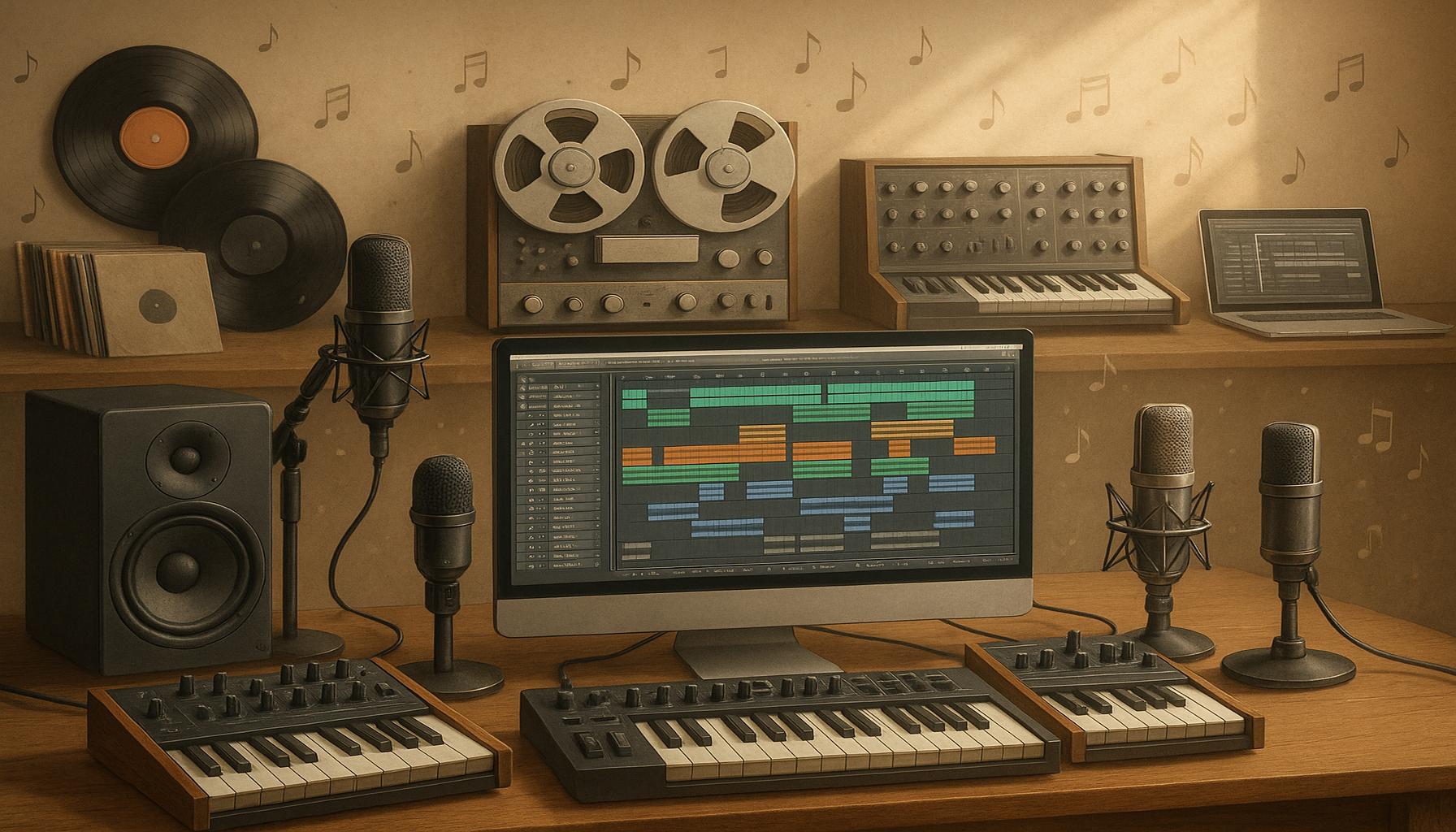
In recent years, the landscape of music production has undergone a remarkable transformation. Innovative technology is not just enhancing the process; it’s redefining it, making it accessible to aspiring musicians everywhere. From bedroom studios to mobile apps, the means to create professional-sounding music is now at our fingertips.
Consider the following developments that illustrate this evolution:
- DAWs (Digital Audio Workstations): Software like Ableton Live, FL Studio, and Logic Pro X has revolutionized the way music is composed, mixed, and mastered. These platforms offer user-friendly interfaces, a plethora of built-in instruments, and a vast library of loops and samples. For instance, Ableton Live stands out for its performance features, allowing musicians to play and rearrange their music in real-time during live sets.
- Affordable Equipment: Today, high-quality microphones, audio interfaces, and MIDI controllers are available at budget-friendly prices. Equipment that was once solely within the reach of professional studios can now be found in the homes of countless independent artists. Brands like Focusrite and Shure offer excellent microphones and interfaces that ensure even novice producers can capture clean, professional audio without breaking the bank.
- Online Collaboration: The rise of platforms such as Splice and Soundtrap enables musicians to collaborate on tracks from different locations. These services allow artists to share projects and ideas in real-time, fostering a sense of community and creativity. For example, a producer in New York can easily work with a vocalist in California, overcoming geographic limitations that once hindered collaboration.
- Streaming and Distribution: Services like Bandcamp and Spotify empower artists to share their music with a global audience without the need for traditional record labels. With a few clicks, musicians can upload their tracks and reach listeners around the world. This shift has not only lowered the barriers to entry but has also allowed for diverse genres and unique voices to flourish in the music scene.
This democratization of music production means that talent can emerge from anywhere, irrespective of the artist’s background or location. The question of what defines a musician has shifted; it’s no longer about industry connections or access to expensive studios. As technology continues to evolve, it empowers creators to express their musical vision with unprecedented ease and quality.
Where once a fully equipped studio was essential to produce high-quality music, today, a simple laptop and a burst of creativity can yield stunning results. Many artists, such as Billie Eilish and Chance the Rapper, began their journeys in home studios, illustrating that great music can originate in ordinary spaces.
In this article, we will explore how these advancements are reshaping the music industry, driving a new wave of independent artists, and altering our perception of music creation altogether. Through these technologies, the future of music is bright and filled with infinite possibilities for creators from all backgrounds.
DIVE DEEPER: Click here to discover the evolution of music production
Emergence of Digital Audio Workstations (DAWs)
The rise of Digital Audio Workstations (DAWs) is arguably one of the most significant developments in the evolution of home music production. In the past, creating a polished track demanded not only technical skills but also access to professional equipment and expertise. However, DAWs have transformed this reality, allowing both seasoned musicians and newcomers to produce music from the comfort of their homes. Platforms like Ableton Live, FL Studio, and Logic Pro X have made it clear that creating music is no longer limited to recording studios.
These software tools come equipped with a range of features that cater to various musical genres and styles, significantly enhancing the creative process. Here are some crucial attributes and benefits of DAWs:
- User-Friendly Interfaces: DAWs are designed with intuitive interfaces that make navigation easy for users of all skill levels. This accessibility lowers the learning curve, allowing novice musicians to dive right into music creation without extensive training.
- Comprehensive Tools: From virtual instruments to sound libraries and effects plugins, DAWs offer an extensive array of built-in tools that allow artists to experiment with sounds and styles. For example, with just a few clicks, producers can layer different tracks, add effects, and manipulate audio for a professional sound.
- Real-Time Performance: Many DAWs, particularly Ableton Live, provide performance-ready features that enable musicians to create and manipulate music live. This capability is a game-changer for those looking to incorporate improvisation and spontaneity into their performances.
- Cutting-Edge Editing Capabilities: Music creation is as much about editing as it is about composition. DAWs offer advanced editing tools that allow musicians to fine-tune their tracks, correcting timing issues or adjusting pitch for a cleaner final product.
Moreover, the continuous updates and community support surrounding DAWs enhance their functionality and increase user engagement. Online tutorials and user forums provide vast resources for learning, meaning aspiring musicians can find answers to their questions and grow their skills effectively. The accessibility of these platforms democratizes music production, making it possible for anyone with a passion for music to seize the opportunity to create.
Affordable Music Equipment: Breaking Down Barriers
The landscape of music production has also been transformed by the availability of affordable equipment. Once a luxury reserved for professional studios, high-quality microphones, audio interfaces, and MIDI controllers are now accessible to the average musician. Brands like Focusrite and Shure have captured this market, providing reliable options that offer excellent audio capture quality. As a result, independent artists can achieve studio-quality recordings without the financial burden that once accompanied such endeavors.
This influx of budget-friendly options means that aspiring musicians no longer need to compromise on quality. Innovations in technology, like the introduction of USB microphones and compact audio interfaces, have made it easy to set up a home recording system. People can now create user-friendly home studios tailored to their needs, significantly lowering the barrier to entry in the music industry.
With these advancements, music production has truly evolved to reflect the creativity and passion of a wider array of artists. The barriers that once stifled artistic expression are crumbling, making way for a new generation ready to share their voices and stories through music.
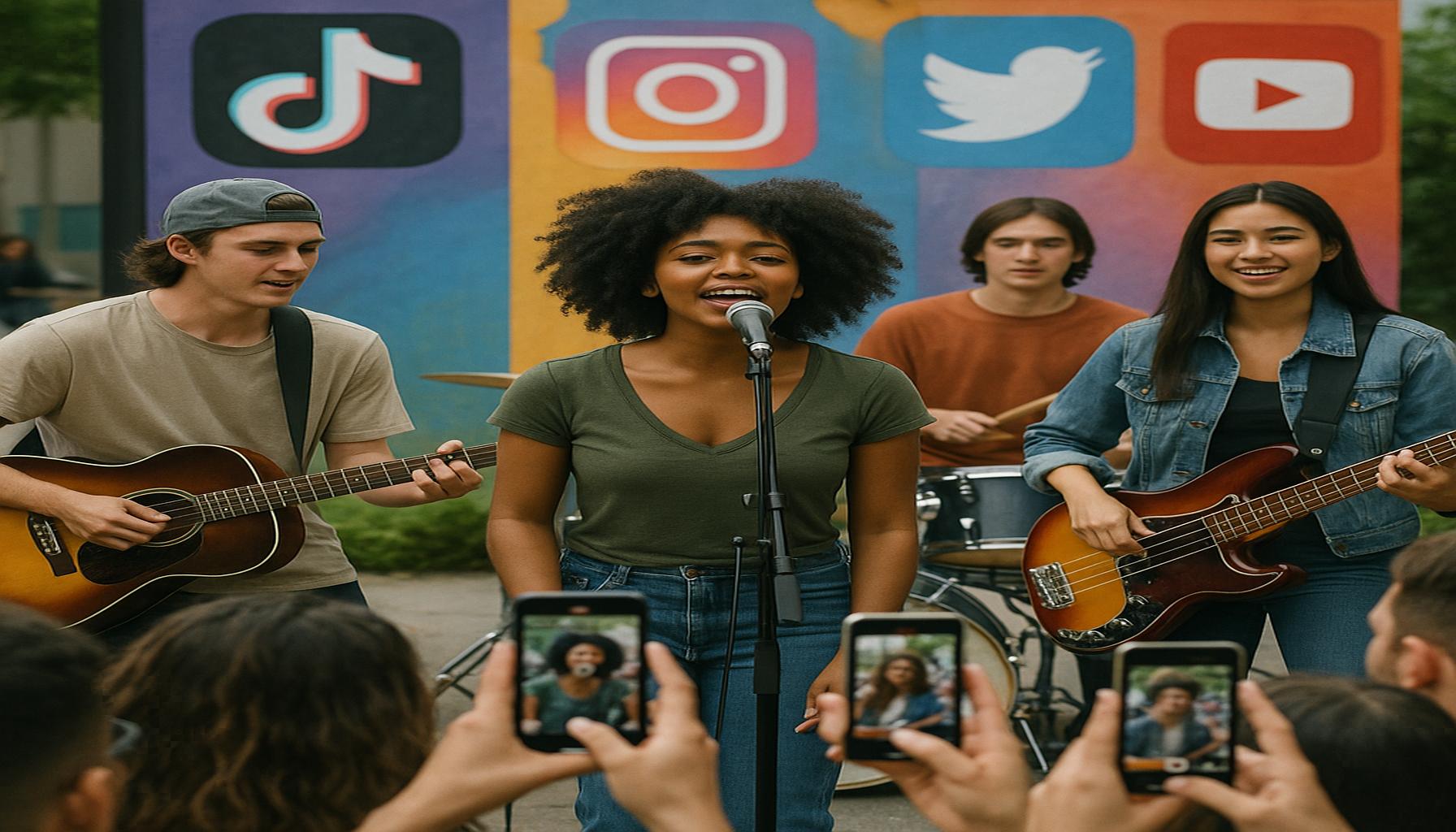
As we delve deeper into the evolution of home music production, it becomes increasingly evident that technology has significantly lowered the barriers for aspiring musicians. The introduction of affordable digital audio workstations (DAWs) has transformed the landscape, allowing individuals to create, edit, and produce music directly from their homes. This democratization of music production has led to an abundance of creativity and innovation, as more artists are able to experiment with their sound without the constraints of a traditional studio setting.Moreover, the advent of high-quality audio interfaces and microphones at reasonable prices means that even those on a tight budget can achieve professional sound quality. These tools have become essential in the home studio setup, enabling users to capture pristine audio and mix with precision. Additionally, a myriad of virtual instruments and plugin effects are now available, empowering musicians to explore various genres and styles, enriching their musical palettes.Collaboration has also experienced a revolution, thanks to the internet. Musicians can now connect with talented individuals worldwide, sharing files and ideas seamlessly. Online platforms facilitate collaborations that were once limited to geographical boundaries, fostering a sense of community among artists. Furthermore, social media and streaming platforms have provided aspiring musicians with unprecedented avenues to showcase their work and reach global audiences. This direct access to listeners not only fuels their growth but also allows them to receive instant feedback, adjust their sound, and build a loyal fan base. As technology continues to advance, the possibilities in home music production seem limitless. Aspiring musicians can leverage these tools to carve unique paths in the ever-evolving music industry, pushing the boundaries of creativity and expression.
DISCOVER MORE: Click here for fun project ideas
Advancements in Music Software and Plugins
As the evolution of home music production continues, another pivotal development has been the advancement in music software and plugins. These tools have fundamentally changed how music is created, mixed, and mastered, providing musicians with a broad spectrum of options to enhance their sound. Not only do they expand the sonic capabilities of DAWs, but they also cater to a diverse range of musical tastes and genres.
The world of plugins is vast, encompassing everything from virtual synthesizers to realistic instrument emulations. Software like Native Instruments Komplete and Arturia V Collection offer comprehensive libraries of sounds that allow aspiring musicians to tap into a professional-grade arsenal without the need for expensive hardware. This convenience and creativity empower artists to explore unique soundscapes that were once difficult or impossible to achieve on a budget.
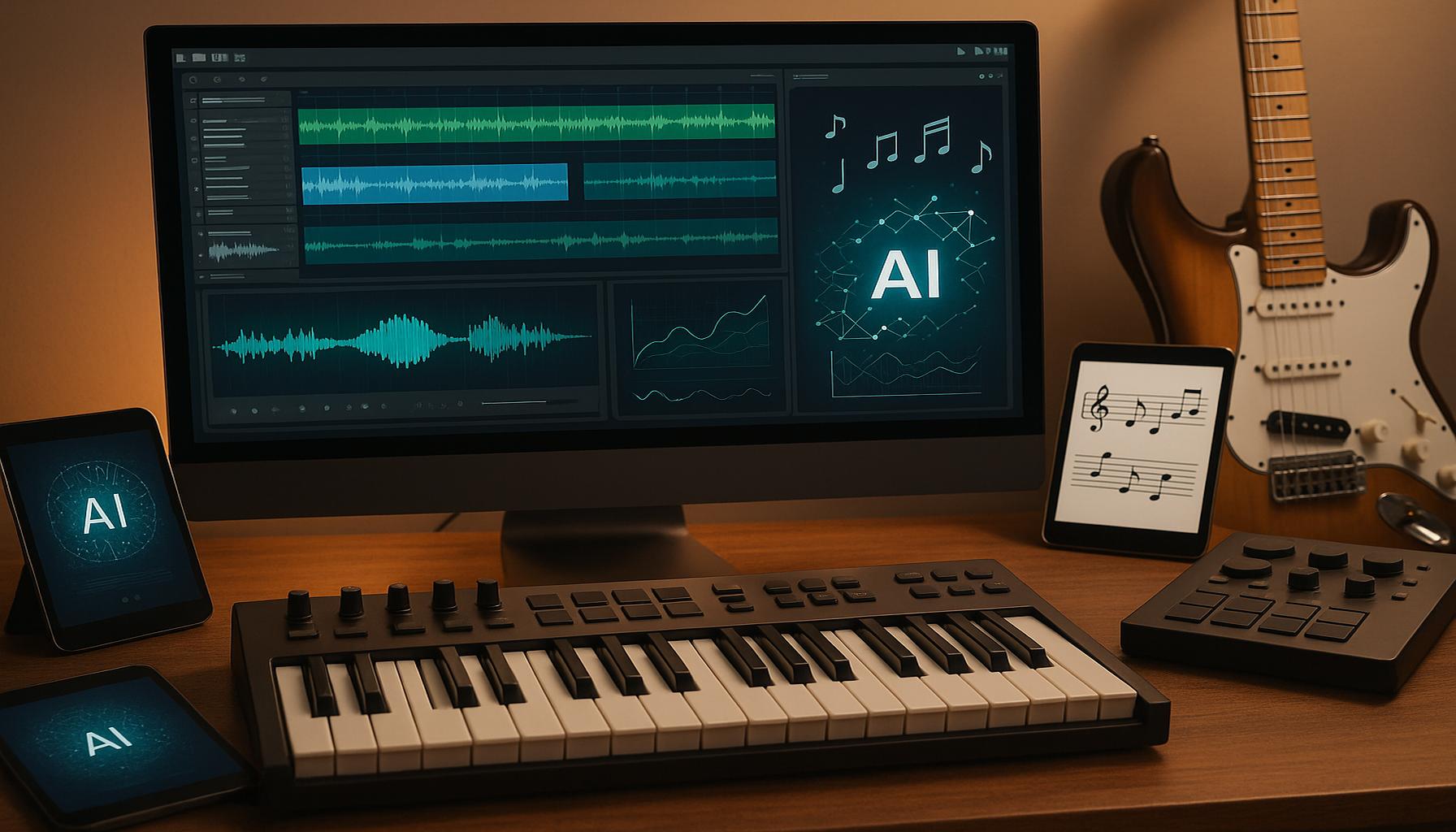
Furthermore, innovative plugins such as iZotope Ozone and Waves Audio revolutionize the mixing and mastering process. They provide automated and intelligent features that assist musicians in achieving polished final tracks, even without formal training in audio engineering. Through machine learning, these plugins can analyze a mix and suggest improvements, making sophisticated production accessible to those who are just starting out.
- Unique Sound Design: Through various effects and synthesizers, musicians can create signature sounds that reflect their personal style. Whether it’s designing ethereal pads or hard-hitting basslines, the options are virtually limitless.
- Collaboration Tools: Modern software often comes equipped with collaborative features that allow musicians to work together in real time, regardless of their location. Services like Splice facilitate sharing and remixing, fostering a sense of community among artists.
- Realistic Audio Samples: Sample libraries like Spitfire Audio present musicians with orchestral and acoustic instrument samples that sound authentic and immersive. This access enables independent musicians to create complex arrangements that can hold their own against mainstream productions.
Their ongoing innovation is not just limited to individual musicians, as many software companies have adapted their products for collaborative and educational environments. For instance, platforms such as BandLab and Soundtrap allow users to edit and create music interactively, making them excellent tools for schools and communities interested in music production.
The Role of Online Communities and Resources
The emergence of online communities focused on music production is yet another crucial element in the democratization of music making. Forums, social media groups, and platforms like Reddit and Gearslutz have become invaluable resources for aspiring artists. Here, they can share experiences, exchange tips, and gain feedback on their work from others who share their passion. These communities foster an environment of collaboration and encouragement, allowing new artists to learn from one another.
Additionally, educational resources ranging from YouTube tutorials to online courses on websites like Coursera and Skillshare provide aspiring musicians with the tools they need to grasp the fundamentals of music production. This proliferation of knowledge helps bridge the gap between amateur and professional production practices. As musicians gain access to expert advice and varied instructional content, they can hone their craft more effectively and creatively.
In an age where technology has become the backbone of artistic innovation, these advancements and resources confirm that home music production is not merely a trend, but a flourishing movement that empowers individuals to break into the music industry on their own terms. As aspiring musicians continue to embrace these tools, the landscape of music creation will further expand, paving the way for countless unique voices and sounds to emerge. The narrative of music production is being rewritten, one independent artist at a time.
DON’T MISS: Click here to learn about the power of improvisation in music
Conclusion: Embracing a New Era in Music Production
As we’ve explored, the evolution of home music production is reshaped by technological advancements that provide aspiring musicians with unprecedented access to tools and resources. The proliferation of affordable music software and plugins transforms traditional barriers, enabling artists to create, refine, and distribute their music from the comfort of their homes. Major software platforms now offer robust options that cater to a multitude of genres, thus unlocking a world of creativity that empowers artists to develop their unique sound without the constraints of high production costs.
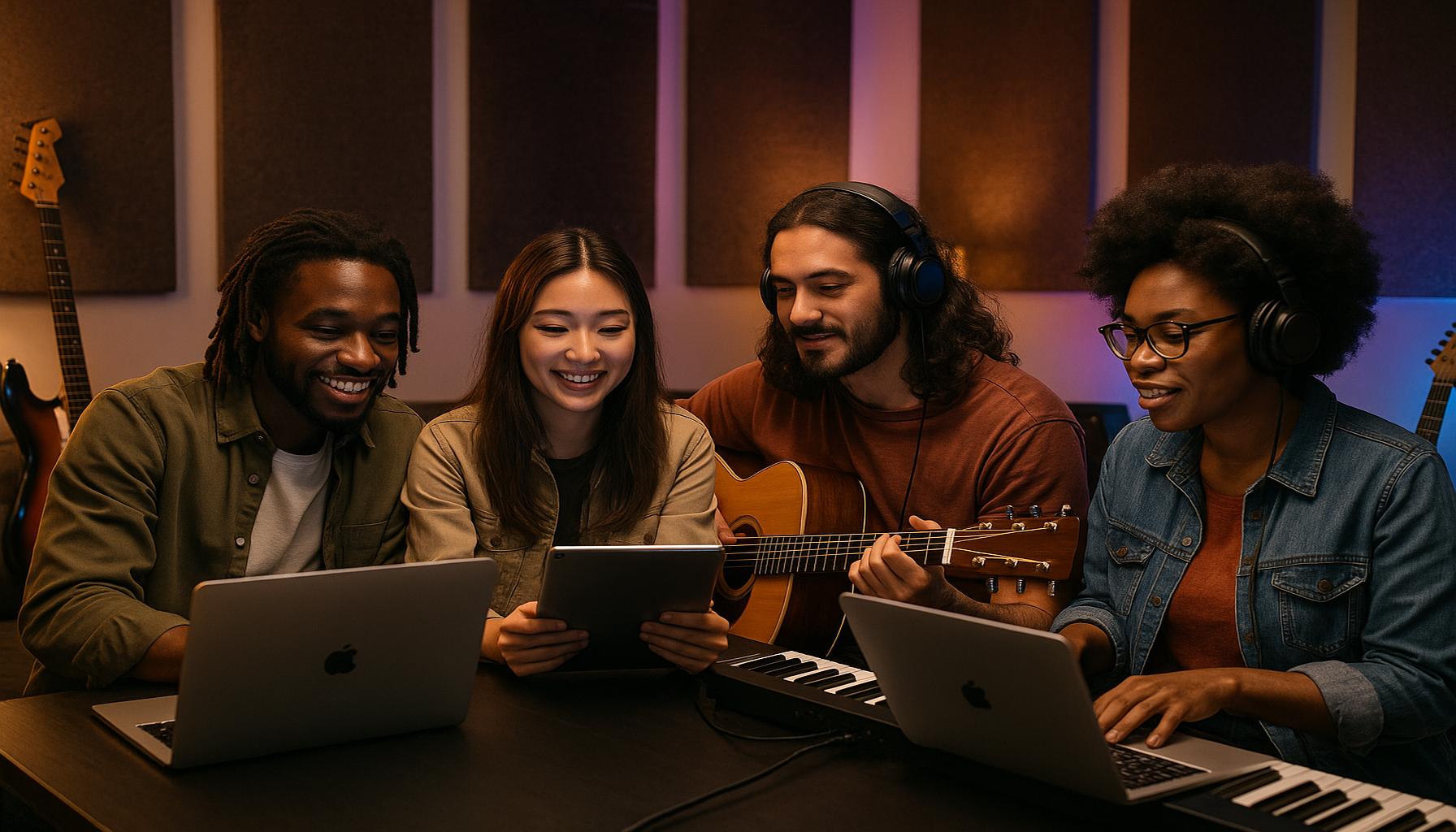
Furthermore, the role of online communities and accessible educational resources amplifies this evolution. Artists can now collaborate, share insights, and learn from one another, forging connections that transcend geographical borders. The shift towards collective knowledge-sharing facilitates an environment where newcomers can grasp complex concepts and refine their musicality, leveling the playing field for all.
In conclusion, this burgeoning movement signifies not just a trend but a substantial paradigm shift in the music industry. As technology continues to evolve, it will further democratize music production, inviting a diverse array of voices to contribute to the global soundscape. The empowerment of aspiring musicians through accessible tools, collaborative platforms, and an influx of knowledge ensures that the future of music production is bright, vibrant, and teeming with originality. Now, more than ever, the narrative of music is being authored by passionate individuals who are poised to make their mark on the world stage.