Musical Composition for Beginners: Tips and Tools to Get Started
Unlock Your Musical Potential
Whether you’re dreaming of crafting the next big hit or simply want to express your thoughts through music, musical composition is an exciting journey. As a beginner, the world of compositions may seem overwhelming, filled with complex terms and tools. However, with the right guidance and resources, you can embark on this creative adventure with confidence. The beauty of composition lies in its accessibility; anyone with a passion for music can express their ideas unheard.
Essential Components of Composition
Understanding the basics can transform your ideas into beautiful melodies. Here are some of the key elements:
- Melody: The main tune that catches the listener’s ear and often stays in their mind long after the music has stopped. For example, think of the iconic melody of “Twinkle, Twinkle, Little Star”; its simplicity and memorability illustrate the power of a well-crafted melody.
- Harmony: The chords and notes that complement the melody, creating a richer sound. A great example of effective harmony can be found in classic rock songs, such as “Let It Be” by The Beatles, where the harmony enhances the emotional impact of the lyrics.
- Rhythm: The timing and pace that brings your piece to life, influencing how the music feels. Whether it’s the steady pulse of a march or the syncopation of jazz, rhythm is crucial. Consider the uplifting rhythm in Pharrell Williams’ “Happy,” which encourages listeners to dance and feel joy.
Valuable Tools for Beginners
In today’s digital age, there are numerous tools at your disposal that make composition easier and more enjoyable than ever. Consider exploring:
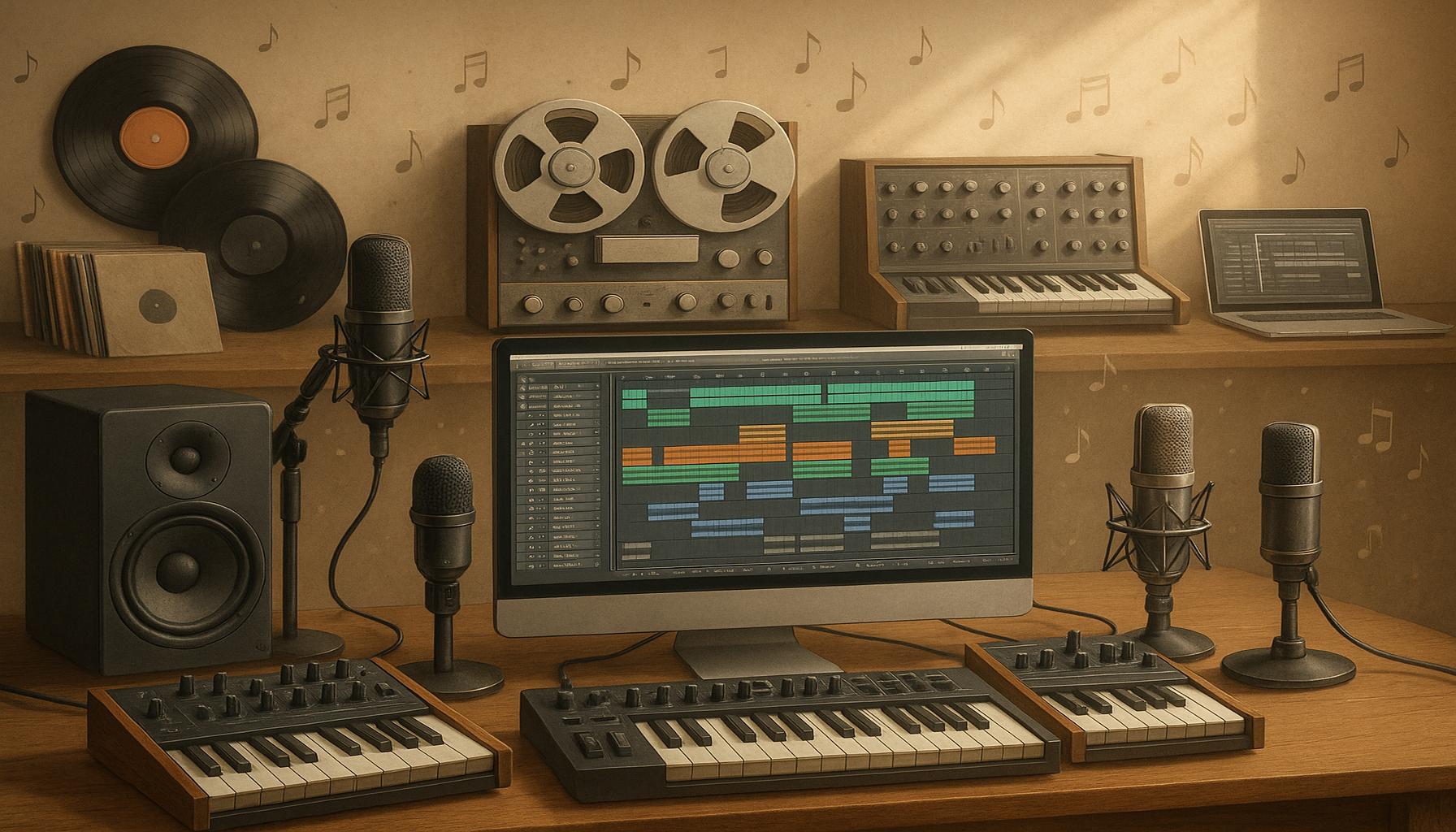
- Digital Audio Workstations (DAWs): Software like GarageBand or FL Studio for creating music. These platforms offer an intuitive interface that allows users to record, edit, and mix their tracks with ease. For instance, GarageBand is particularly user-friendly and a great entry point for those new to music production.
- Notation Software: Programs such as MuseScore enable you to write sheet music easily. This is especially helpful if you’re looking to formalize your compositions or share them with other musicians, as written scores can convey your ideas clearly.
- Online Tutorials: Websites and YouTube channels are dedicated to teaching composition techniques. For example, channels like “Andrew Huang” offer insights into the creative process, making music theory approachable and practical.
By mastering these essential components and utilizing effective tools, you’ll be well on your way to discovering your unique musical voice. Remember, composition is not just about following rules; it’s about exploring your emotions, experiences, and thoughts through sound. Embrace the process of learning, and let your creativity flow as you compose your first piece! Whether your goal is to perform for a small audience or produce professionally recorded tracks, the journey of musical composition is one filled with endless possibilities.
DISCOVER: Click here to enhance your DIY projects with technology
The Building Blocks of Your Composition
Before diving into the vast world of musical composition, it is crucial to ground yourself in the fundamental aspects that can help shape your music. Recognizing the vital building blocks will not only enhance your understanding but also refine your compositional skills. Let’s explore these essentials that every aspiring composer should familiarise themselves with:
Exploring Musical Texture
Texture in music refers to how different musical voices interact with one another. It encompasses the layers of sound that can be woven together, creating depth and complexity in your composition. As a beginner, you should experiment with various textures to discover what resonates with your musical ideas. Here are a few types of textures to consider:
- Monophonic: A single melodic line without accompaniment. This straightforward texture can highlight your melody, making it the focal point. Think of solo singers or instrumentalists performing a single line of music.
- Homophonic: A main melody accompanied by chords or harmonies, common in popular music. This texture allows the melody to stand out while being supported by harmonic structure. Classic examples include many pop songs where the singer is accompanied by guitar or piano.
- Polyphonic: Multiple independent melodies sounding at the same time. This can create a rich and interactive listening experience, often found in classical compositions. A perfect illustration is Bach’s fugues, where various melodies intertwine in fascinating ways.
Experimenting with these different textures can help you create unique compositions that captivate your audience.
Understanding Musical Form
The structure of your piece is just as important as the notes you play. Musical form refers to the arrangement of sections within a composition, providing a roadmap for both the composer and the listener. Here are a few common forms to consider:
- Verse-Chorus Structure: Frequently used in contemporary music, this form alternates between verses and a recurring chorus, enhancing memorability. It is a great option for beginners aiming to develop catchy hooks.
- Sonata Form: Prominent in classical music, this structure involves three main sections: exposition, development, and recapitulation. Understanding this form can broaden your compositional vocabulary, offering a framework for creating contrast and thematic development.
- ABA Form: Also known as ternary form, it consists of three sections, with the first and last (A) being similar and the middle section (B) providing contrast. This form is versatile and can be adapted to various genres, making it an excellent choice for novice composers.
By experimenting with these forms and combining different textures, you can create compositions that not only showcase your creativity but also maintain listener engagement.
As you delve deeper into the world of musical composition, remember that these building blocks are your foundation. Acquainting yourself with the concepts of texture and form will empower you to express your ideas more effectively. Stay open to exploration and allow your unique voice to shine through the various techniques and styles you discover. With practice and a willingness to learn, you’ll be well-equipped to create meaningful and impactful music.
Essential Tools for Aspiring Composers
As a beginner in musical composition, having the right tools at your disposal can significantly enhance your creativity and productivity. Here are some essential tools that every novice should consider:
1. Music Notation Software
Music notation software allows you to write down your compositions easily, helping you visualize your ideas. Popular options include Sibelius, Finale, and MuseScore. These programs offer features like playback of your compositions, which is crucial for understanding how your music sounds and flows. Using such software can streamline the composing process, enabling the creation of complex scores without the hassle of hand notation.
2. Digital Audio Workstations (DAWs)
A Digital Audio Workstation, or DAW, is a software application for recording, editing, and producing audio files. Programs like Ableton Live, FL Studio, and Logic Pro provide powerful tools for layering tracks and experimenting with various sounds. DAWs are essential for any modern composer interested in electronic music, film scoring, or integrating acoustic instruments with digital sounds.
3. Online Tutorials and Educational Platforms
Leveraging online resources can be a game-changer for beginners. Websites such as Coursera, Udemy, and YouTube offer a plethora of tutorials ranging from basic music theory to advanced composition techniques. Engaging with these materials allows beginners to learn at their own pace while gaining valuable insights from experienced composers.
Building a Composition Routine
Creating a consistent composition routine can greatly benefit your growth as a music creator. Here are some helpful tips to cultivate a productive routine:
1. Set Aside Dedicated Time
Establish specific times each week to focus solely on composing. Whether it’s carving out a few hours during the weekend or dedicating time after work, consistency is key. This disciplined approach helps you develop a habit, making it easier to find inspiration and push through creative blocks.
2. Start Small
For beginners, tackling large compositions can be overwhelming. Start with short pieces or themes. Focusing on brevity allows you to experiment freely with ideas and techniques without feeling constrained. As you gain confidence, gradually increase the complexity and length of your compositions.
3. Collaborate with Other Musicians
Collaboration can introduce fresh perspectives and techniques you may not have considered. Engaging with fellow musicians—whether through online platforms or local music communities—can provide valuable feedback and spark new creative ideas, enriching your understanding of musical composition.
| Category | Description |
|---|---|
| Music Notation Software | Visualize compositions and playback sounds for immediate understanding. |
| Digital Audio Workstations | Create and layer tracks for a rich, polished final product in diverse genres. |
This section offers tips and tools that empower beginners in their musical journey. By integrating these resources and establishing a routine, anyone can effectively harness their creativity in composition. Embracing the exploration of composition provides endless opportunities for growth and fulfillment in the world of music.
DISCOVER MORE: Click here to find eco-friendly craft ideas
Choosing Your Instruments and Creating a Palette
As an aspiring composer, one of the most exciting aspects of musical composition is selecting the instruments that will bring your ideas to life. Each instrument carries its own unique timbre and character, playing a vital role in how your music communicates with listeners. Understanding the options available to you can greatly enhance your compositional palette. Let’s take a closer look at how you can make thoughtful decisions regarding the instruments involved in your music.
Instrument Families and Their Characteristics
Familiarizing yourself with different families of instruments will allow you to craft diverse soundscapes. Here are the primary families you should consider:
- Strings: Include violins, violas, cellos, and basses. Instruments in this category produce warm, rich tones and are versatile in conveying emotion. Composing for strings can help you add depth to your piece, whether you opt for lush harmonies or intricate melodic lines.
- Woodwinds: Instruments like flutes, clarinets, oboes, and bassoons contribute a soft yet expressive quality to your music. Woodwinds often shine in conveying lyrical themes and intricacies, making them an excellent choice for creating intricate counterpoints.
- Brass: Trumpets, trombones, French horns, and tubas form the brass family. They are known for their bold, resonant sounds, perfect for adding grandeur and flair to your compositions. Incorporating brass instruments can lend a majestic feel to your music, ideal for climactic moments.
- Percussion: This family includes everything from drums and cymbals to xylophones and marimbas. Percussion instruments add rhythm and energy, making them essential for creating dynamic grooves or emphasizing key moments in your composition.
By mixing different instrument families, you can provide layers of richness and texture, enhancing your overall composition.
Utilizing Digital Tools for Composition
In today’s digital age, aspiring composers have access to an array of tools that can assist them in crafting their musical works. Leveraging technology not only streamlines the composition process but also opens new creative avenues. Here are some essential digital tools to consider:
- Notation Software: Programs like Finale, Sibelius, and MuseScore allow composers to write and notate music easily. These tools are essential for generating sheet music, making it easier to share your work with other musicians.
- Digital Audio Workstations (DAWs): Software like Ableton Live, Logic Pro, and FL Studio provide comprehensive environments for recording, arranging, and producing music. DAWs allow you to work with MIDI instruments and audio tracks, enabling you to hear your compositions in real-time and make necessary adjustments.
- Sample Libraries and Virtual Instruments: Libraries such as EastWest, Spitfire Audio, and Native Instruments offer high-quality samples that can mimic the sound of real instruments, enhancing your compositions without the need to hire musicians.
Utilizing these digital tools can transform your compositional experience, making it more accessible and enjoyable, while also elevating the quality of your output.
As you embark on your journey in musical composition, keep in mind the importance of selecting appropriate instruments and leveraging digital tools. Experimentation is key; don’t hesitate to explore various combinations and techniques to develop your unique sound. Embrace your creativity, as these elements will be instrumental in crafting pieces that reflect your artistic vision.
DISCOVER MORE: Click here to learn how to upcycle your wardrobe
Conclusion
Embarking on your musical composition journey is both thrilling and rewarding. Throughout this article, we have explored the essential aspects of starting your creative process, from understanding instrument families to effectively utilizing modern technology through digital audio workstations and notation software. As you cultivate your unique voice, remember that composition is an evolving art form that thrives on experimentation and personal expression.
By choosing diverse instruments and effectively blending different timbres, you can create rich, engaging soundscapes that resonate with your audience. Meanwhile, digital tools provide an accessible avenue for experimenting with your ideas while allowing for high-quality output. The resources available today can empower you to translate your musical visions into reality with ease.
As you take your first steps into the world of composition, be open to exploring various styles, genres, and techniques. Consider reaching out to fellow musicians, participating in workshops, or utilizing online platforms to share and receive feedback on your work. Remember, every great composer started as a beginner, and with practice, dedication, and passion, you too can craft compositions that reflect your artistic ambitions. So grab your favorite instrument or fire up your DAW, and let the music flow—your adventure in musical composition awaits!