Music and Technology: The Rise of AI Tools in Musical Composition
The Intersection of Technology and Creativity
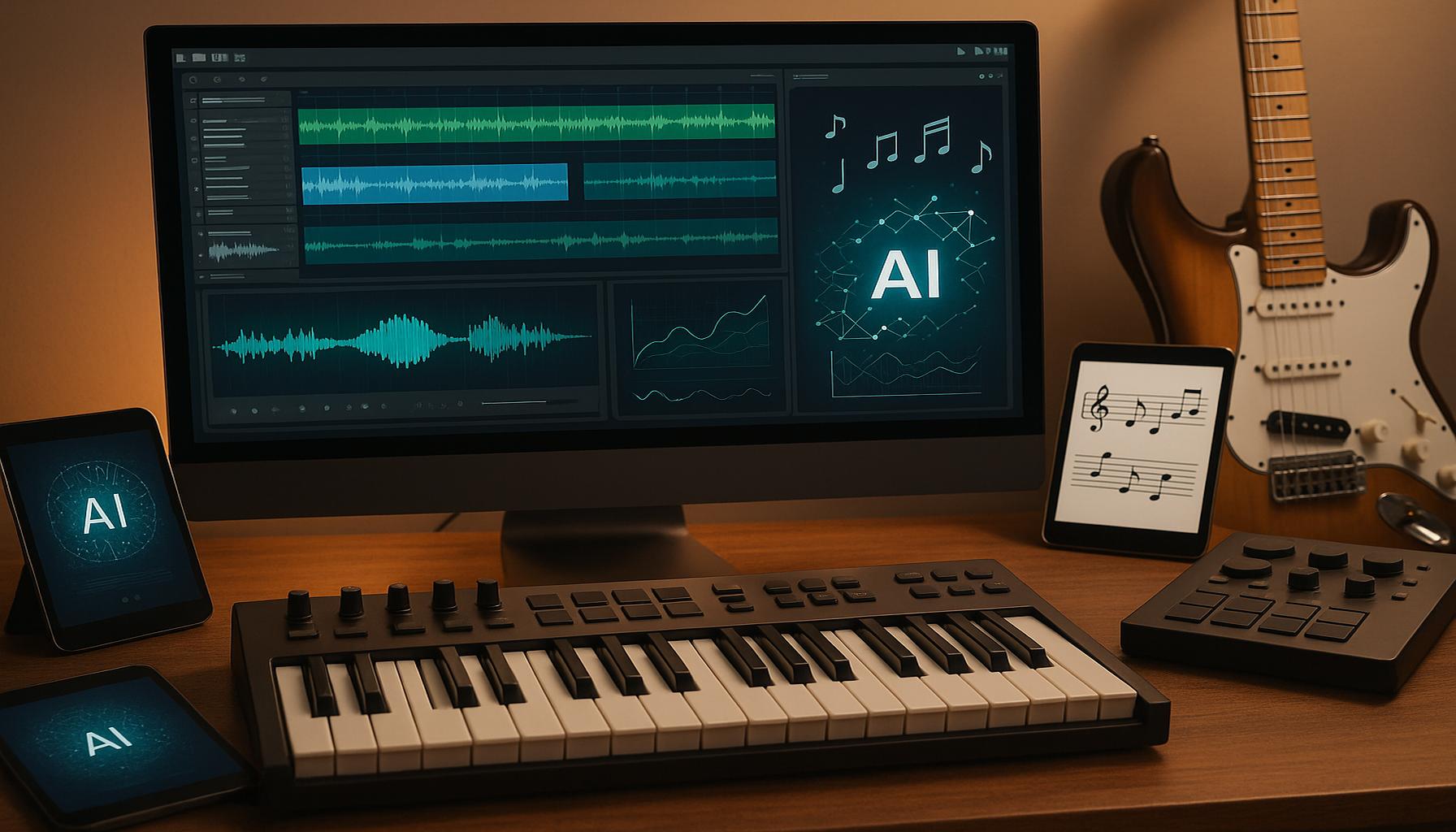
In an era where technology intertwines with every aspect of our lives, music composition is no exception. The advent of artificial intelligence (AI) is reshaping how songs are created, experienced, and consumed, leading to a compelling transformation in the music industry. This noteworthy shift not only opens avenues for innovation but also challenges the traditional definitions of artistry and creativity.
AI tools are transforming the landscape of music, offering composers new ways to push the boundaries of their artistry. With these advancements, several key features have emerged that are redefining the creative process and making it more efficient and diverse:
- Automated Composition: AI can generate new melodies and harmonies based on existing musical structures. For example, platforms like AIVA utilize deep learning algorithms to compose powerful orchestral music by analyzing thousands of pieces and identifying patterns, allowing for the creation of original compositions that can rival those of human composers.
- Personalization: Algorithms analyze listener preferences to create tailored soundtracks. Services like Spotify employ machine learning technology to curate personalized playlists, tailoring music recommendations to individual tastes. This not only enhances listener engagement but also helps artists reach their target audiences more effectively.
- Collaborative Creation: Musicians can work alongside AI to enhance their creative processes. Programs like Amper Music allow artists to input emotional parameters or genre specifications, resulting in AI-generated tracks that serve as a foundation or accompaniment to original works. This collaboration helps artists explore new ideas and inspirations that may not have emerged through traditional methods.
Let’s take a closer look at some remarkable AI-driven platforms currently gaining traction in the music world:
- AIVA: Known for composing symphonic music using deep learning algorithms, AIVA serves as a digital composer that can generate full orchestral scores. Its ability to understand the nuances of classical music composition makes it a valuable tool for composers seeking to expand their repertoire.
- Amper Music: This platform empowers users to create music quickly and intuitively based on emotional inputs. By allowing users to select moods, styles, and instruments, Amper enables individuals—regardless of their musical expertise—to craft unique soundtracks for videos, games, and other media.
- OpenAI’s MuseNet: Capable of generating music across diverse genres, MuseNet allows for the exploration of various styles, from classical to jazz, pop to electronic. This versatility not only broadens the horizons for music creators but also invites listeners to engage with new auditory experiences.
As these tools become more accessible, the conversation surrounding creativity in music deepens. Are we witnessing a revolution in how music is produced? The implications are profound, inviting both exploration and debate in the realms of art and technology. Musicians and listeners alike are encouraged to engage with AI technologies, examining their potential to enhance or even redefine the artistic landscape.
This ongoing dialogue raises questions about the nature of creativity and the role of musicians in a rapidly evolving digital world. As AI continues to develop, it will be fascinating to observe how these technologies motivate and inspire the next generation of artists, leading to innovative forms of musical expression.
DISCOVER MORE: Click here to get inspired for every holiday
The Role of AI in Modern Music Composition
AI has emerged as a significant player in the world of music composition, fundamentally altering the way artists approach their craft. The integration of advanced algorithms and machine learning in the creative process provides musicians with tools that can both inspire and augment their musical expression. As technology progresses, the utilization of these AI tools is blurring the lines between human creativity and computer-generated art, creating a diverse musical landscape.
One of the most exciting developments in this field is the use of generative algorithms. These algorithms not only take cues from thousands of existing pieces of music but also analyze the emotional resonance and structure of compositions. They are capable of producing entirely new melodies that are coherent and appealing. Tools such as Google’s Magenta project leverage these capabilities, enabling users to explore new musical ideas by recreating and remixing existing sounds in innovative ways. This has opened up a wealth of possibilities for artists, paving the way for a more collaborative and experimental approach to music creation.
Another critical aspect of this evolution is the accessibility of AI-driven tools for aspiring musicians and producers. Platforms designed for ease of use, such as Soundraw and Jukedeck, empower individuals with no extensive musical training to create their own pieces. By simplifying complex processes, these tools democratize music production, allowing anyone with a computer and an idea to produce music that can be shared with a global audience. This shift has the potential to uncover hidden talents and untold stories, contributing to a richer and more diverse musical landscape.
As we delve deeper into the capabilities of AI in music composition, it is crucial to recognize its implications for the industry. Here are some notable impacts AI is already having:
- Enhanced collaboration: AI tools facilitate seamless cooperation between musicians and technology, allowing for joint creativity that enhances the music-making process.
- Cultural exchange: AI can analyze and blend musical styles from around the world, encouraging cross-cultural collaboration and understanding through rhythmic and melodic integration.
- Efficiency and speed: Composers can now create complex arrangements in a fraction of the time it would traditionally take, enabling greater productivity without sacrificing quality.
The relationship between AI and music composition raises essential questions about ownership, artistry, and the future of creativity. As these tools gain traction, they challenge the traditional notions of authorship, forcing artists to redefine what it means to compose music in a technologically advanced age. All these changes prompt musicians and listeners to reflect on how technology shapes not only the music we hear today but also the very essence of creativity itself.
Delving Deeper into AI’s Role in Music Composition
As we explore the intersection of music and technology, it becomes evident that Artificial Intelligence (AI) is rapidly changing the landscape of musical composition. The creative process, once solely in the hands of musicians, is now enhanced by sophisticated algorithms that can analyze patterns, generate melodies, and even suggest harmonies. This transformative tool is not merely a replacement for human creativity but serves as a collaborative partner.
AI-Powered Composition Tools
AI composition tools, such as OpenAI’s MuseNet or AIVA, utilize deep learning to compose original pieces that reflect various musical styles. These tools analyze vast datasets of existing music, drawing on trends and techniques to create something entirely new. By doing so, they empower composers to experiment with styles they may be less familiar with, expanding their creative horizons.Moreover, these AI-driven solutions streamline the creative process. Artists can input parameters—such as mood, style, and tempo—and swiftly receive numerous composition options, saving them time and allowing for more efficient experimentation. This capability not only broadens accessibility to aspiring musicians but also fosters a new wave of innovation in the industry.
The Integration of AI into Traditional Music Practices
The integration of AI tools into traditional music practices offers intriguing possibilities. For instance, musicians can collaborate with AI-generated sections, blending the organic sound of live performance with algorithmically similar compositions. This fusion of art forms prompts discussions on authorship and originality, challenging longstanding norms.Additionally, AI can seamlessly assist in the arrangement and production phases. By analyzing tracks and suggesting optimal mixing techniques based on previous successful songs, AI tools help artists fine-tune their work for maximum impact and reach. In an industry where competition is fierce, such technological advantages can be crucial for emerging artists looking to establish themselves.
Benefits and Limitations of AI in Music
While the advantages of AI in music composition are profound, it is essential to address its limitations. Critics argue that AI lacks the emotional depth and intuition that human composers bring to their work. Ultimately, AI is best utilized as a tool to enhance human creativity rather than replace it. As we continue to observe the rise of AI tools in musical composition, it becomes clear that the future of music is one of collaboration rather than competition between man and machine.
| Category | Advantages |
|---|---|
| AI-Powered Creativity | Enhances artistic potential by generating new compositions and ideas. |
| Efficiency in Composition | Speeds up the creative process, allowing for more experimentation and exploration. |
| Accessibility | Invites a broader range of people to participate in music creation, regardless of skill level. |
| Collaborative Potential | Allows artists to work alongside AI, blending traditional and technological approaches. |
DON’T MISS: Click here to elevate your DIY projects
Transformative Effects of AI on Musical Genres and Styles
The advent of AI tools in musical composition is not just revolutionizing how music is created, but it is also reshaping the very genres and styles that define the contemporary music landscape. As AI learns from an extensive database of musical history, it can identify trends, techniques, and signature sounds across various styles, enabling hybrid compositions that have never existed before. This phenomenon is fostering a unique interplay between artificial intelligence and musical genres, leading to exciting innovations.
One notable example is the emergence of AI-generated genres. AI algorithms can craft songs that blend elements from classical, jazz, hip-hop, and electronic music, resulting in new, unexplored hybrids. Artists like Taryn Southern, who released the album “I AM AI”, have begun to showcase how AI can not only assist but also co-create music, forging a new genre in the process. This interplay between AI and artists signifies a potential transformation in how genres evolve, encouraging a more fluid understanding of musical expression.
Moreover, the role of AI extends to the music industry at large. For instance, platforms like Amper Music allow creators to produce royalty-free music tailored to their specific needs by selecting mood, style, and instrumentation. This capability is particularly beneficial for content creators, from filmmakers to podcast producers, who need high-quality sound without the cost or complexity often associated with traditional composition. By utilizing AI tools, these creators can enhance their projects’ emotional impact, thereby enriching the overall audience experience.
AI also plays a role in music recommendation systems, such as Spotify and Apple Music, which employ sophisticated algorithms to analyze user preferences and listening habits. This personalized approach not only enhances user engagement but also allows lesser-known artists to gain visibility. By introducing users to a diverse array of music, AI is actively diversifying listeners’ musical experiences, inspiring them to explore cross-genre tracks that might otherwise remain undiscovered.
Additionally, the advent of AI in music composition has led to the emergence of AI-assisted live performances. Innovations in real-time collaboration tools allow musicians to collaborate with AI during live shows, producing unexpected and dynamic musical experiences. Such performances can modify elements like tempo and key on the Fly, responding to audience reactions and giving rise to a new era of interactive music where spontaneity reigns.
Despite these positives, the integration of AI in music also raises ethical concerns. Questions of authorship emerge when AI-generated music intersects with traditional composition. If an AI creates a piece of music that draws heavily from existing works, who holds the rights? These considerations not only challenge legal frameworks but also provoke deeper reflections on the essence of creativity and the human touch in music.
As we continue to unravel the complexities of AI in musical composition, it is evident that this technology is redefining not only how we create music but also how we perceive and appreciate it. By unlocking new creative avenues, AI serves as both a collaborator and a catalyst, encouraging musicians to explore and express their artistry in unprecedented ways.
DIVE DEEPER: Click here to discover the challenges of music creation today
Conclusion: The Future Harmonized with Technology
In conclusion, the rise of AI tools in musical composition signifies a pivotal moment in the evolution of music. From AI-generated genres that mash up traditional styles to the seamless integration of technology in live performances, the landscape of music creation is more dynamic than ever. These innovative technologies not only empower artists to transcend their creative boundaries but also foster collaborations that challenge conventional notions of authorship and creativity. As we witness the emergence of hybrid compositions and the democratization of music through platforms like Amper Music, there is a palpable excitement surrounding the potential contributions of AI to the art form.
However, it is essential to navigate the accompanying ethical challenges with vigilance. Questions surrounding intellectual property rights and authenticity remain critical discussions that stakeholders within the industry must address. As music lovers, content creators, and professionals adapt to these changes, an open dialogue about the role of AI in art will ensure that the core essence of creativity continues to thrive.
As we embrace this new chapter in music technology, it is clear that the intersection of art and technology can lead to profound and enriching experiences. With each innovative leap, we find ourselves on the precipice of unlimited possibilities, encouraging not only exploration but also a deeper understanding of the human experience through music. Thus, as AI tools continue to evolve, the future of musical composition seems poised to orchestrate a symphony of creativity and inspiration like never before.