Innovative Dance Styles: How Creativity is Transforming Modern Dance
Transformation in Modern Dance
In the vast and vibrant realm of performing arts, dance stands out as a constantly evolving expression of culture and creativity. Over the past decade, modern dance has seen an exhilarating transformation that pushes boundaries and challenges conventional notions of movement and storytelling. This evolution is fueled by a multitude of factors, transforming both the performances seen on stage and the interaction between dancers and their audiences.
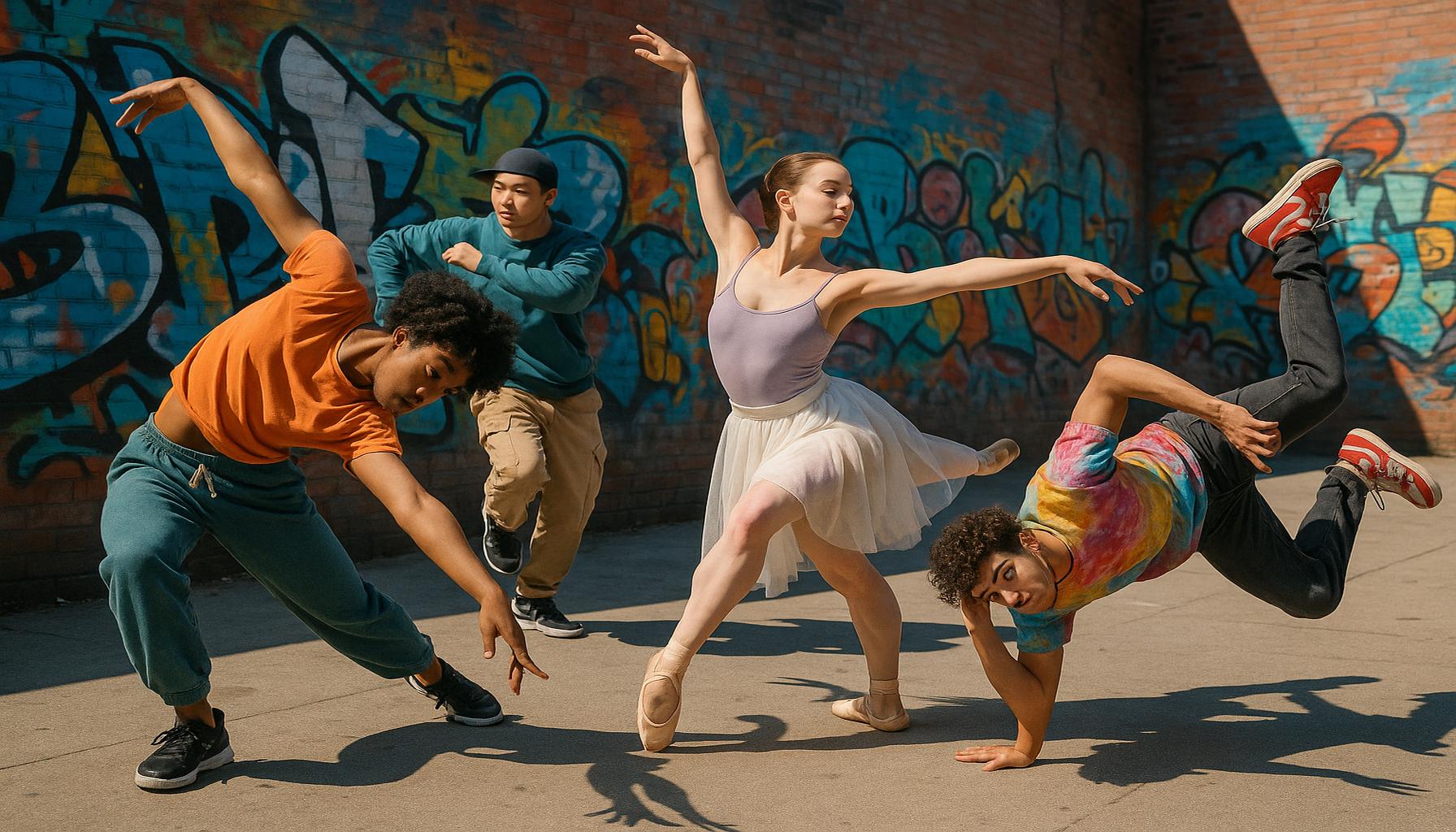
One of the key drivers of this innovative wave is the fusion of genres. Dancers today are not confined to a single style; rather, they blend elements from classical ballet, urban hip-hop, and various contemporary forms. For example, the popular dance troupe Pilobolus showcases this fusion by incorporating acrobatic elements with theatrical storytelling, giving audiences a feast of visual and emotional experiences. This genre-blending approach not only attracts a wider audience but also encourages cross-disciplinary collaboration, resulting in fresh and dynamic performances.
Furthermore, technology integration has significantly impacted the art of dance. Choreographers and dancers are employing digital media, lighting effects, and projections to create immersive environments that enhance storytelling. Companies like Sidi Larbi Cherkaoui’s Eastman often utilize projections that interact with dancers in real-time, allowing for a captivating interplay between movement and visuals. This futuristic dimension not only captivates viewers but also challenges them to rethink the role of technology in live performance.
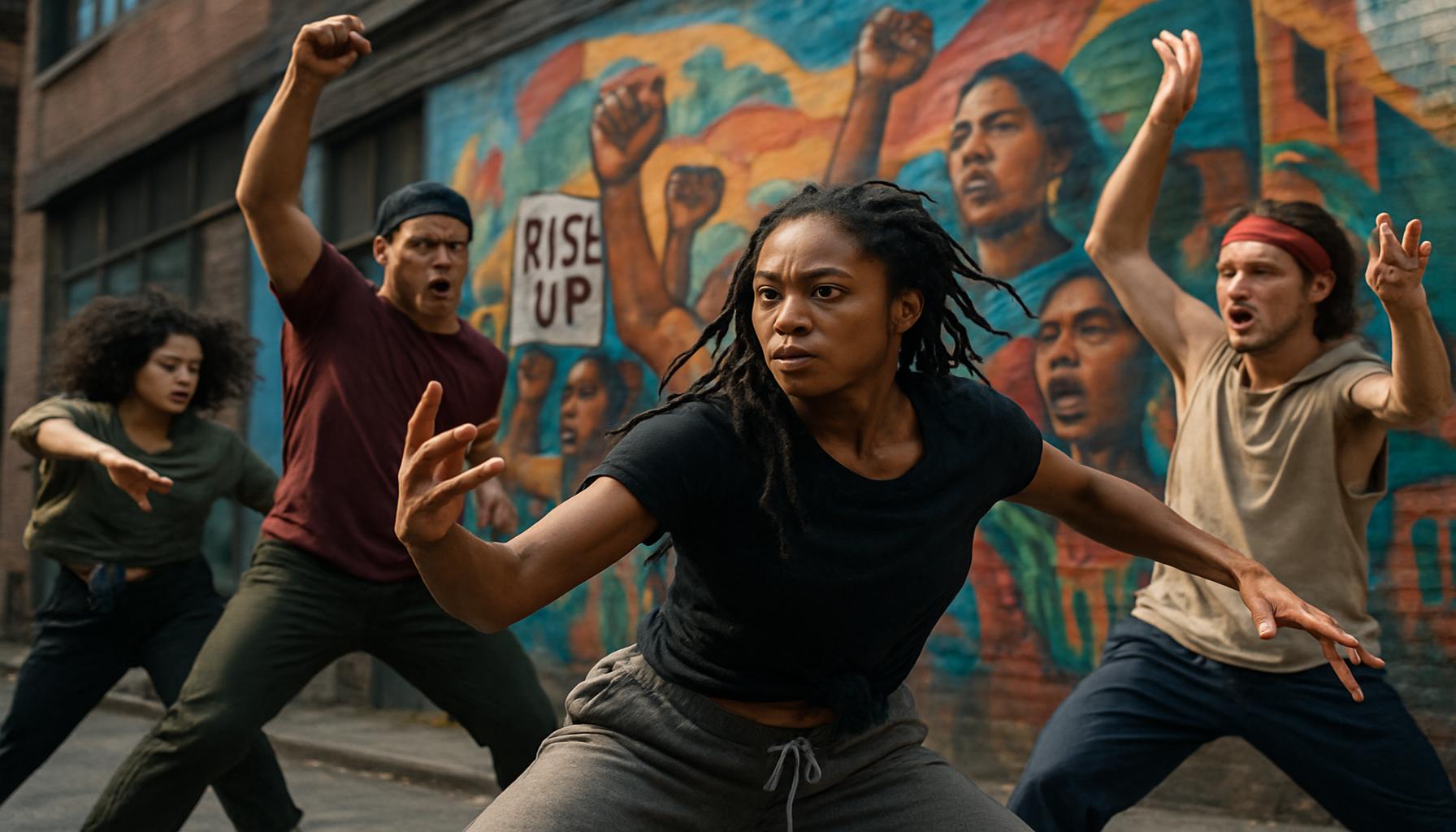
Moreover, social influences play a critical role in modern dance. As societal issues such as identity, inequality, and climate change gain prominence, dancers are using their craft to voice these concerns and promote activism. Organizations like Dance for a Reason or the American Dance Festival have embraced this trend by incorporating themes that resonate deeply with current events. When audiences witness the power of dance echoing societal issues, it fosters a deeper connection and prompts dialogues that extend beyond the stage.
Notable Styles Reshaping Dance
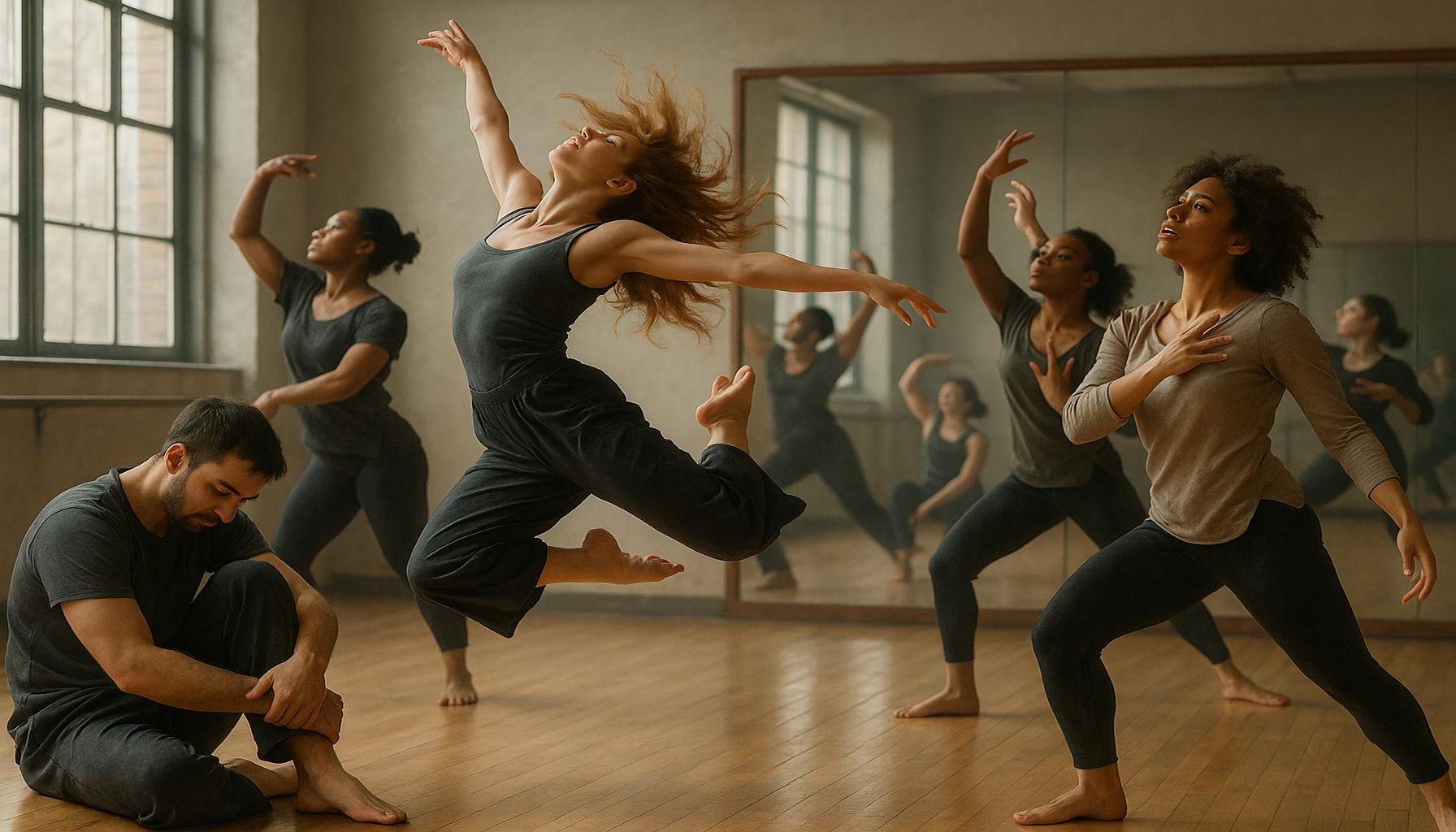
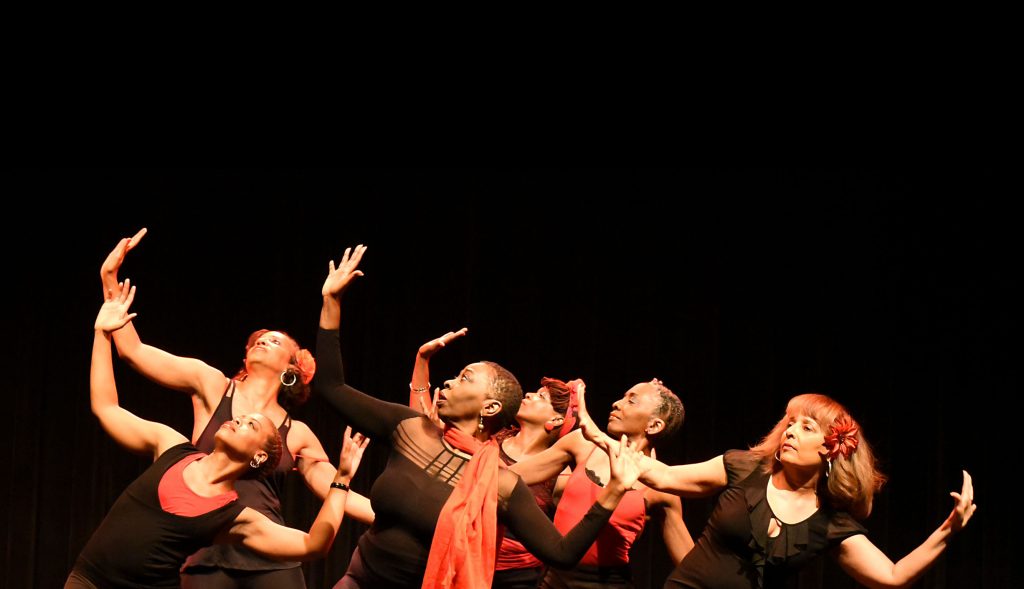
Emerging innovative styles are at the forefront of this transformation. Contemporary dance, for instance, has garnered attention for its emphasis on fluidity, improvisation, and a breakdown of traditional norms. Dancers like Martha Graham have paved the way for new forms that express raw emotion and complex narratives, setting a precedent for artists today.
Street dance represents another crucial development, celebrating a vibrant ethos grounded in community and individuality. Styles like locking, popping, and breaking have exploded in popularity, especially among younger audiences who find joy in self-expression and culture. Events like the “Red Bull BC One” showcase the electrifying creativity and skill of street dancers, further highlighting its significance in the dance culture landscape.
Additionally, dance-theater merges narrative with movement, creating holistic experiences that captivate audiences. Renowned choreographers such as Pina Bausch have redefined this genre, using dance as a medium to explore profound human experiences. Such works invite the audience not just to observe but to engage emotionally, fostering a connection that lingers long after the final curtain drops.
Ultimately, modern dance stands as a compelling mirror reflecting contemporary society. With creativity flourishing at every turn and tradition periodically reshaped, the future of dance promises to be an exciting journey into the ever-expanding universe of artistic expression. As audiences eagerly anticipate what comes next, one thing remains certain: the dance floor will continue to be a dynamic space for innovation and cultural dialogue.
DISCOVER: Click here to learn how dance connects us all
Pioneering Forces in Modern Dance
The dynamic landscape of modern dance is characterized by an array of pioneering forces that are not just shaping the genre but redefining what dance can express. From the integration of different cultural influences to the evolution of choreographic techniques, the tapestry of modern dance is rich and diverse. This creative infusion stems from dancers and choreographers who are not bound by traditional forms but are instead inspired by the world around them.
One notable trend is the increasing prominence of site-specific performance. Dancers are moving beyond traditional theater stages into various environments that heighten the emotional resonance of their work. Outdoor performances in parks or urban settings allow audiences to witness dance in relation to their everyday lives. For example, the acclaimed New York City-based company Acrobatics and Dance frequently utilizes public spaces to cultivate a connection with its audience, engaging with the environment to create a unique overlay of movement and architecture.
Moreover, the impact of improvisation as a dance technique has gained traction in modern practice. Many contemporary choreographers encourage spontaneity in their works, inviting dancers to respond to music, emotions, or their surroundings in real time. This approach nurtures a sense of freedom and authenticity, transforming performances into unique encounters each time they are presented. Renowned dancers like Trisha Brown have utilized this methodology to explore new boundaries within the dance realm, further challenging the established norms of choreography.
A Spectrum of Influences
As innovative dance styles flourish, several key influences are shaping their development. Here are a few critical elements that are propelling modern dance forward:
- Globalization: The exchange of cultural practices across the globe allows dancers to incorporate influences from various traditions, creating a melting pot of styles that enrich the modern dance experience.
- Social Media: Platforms like Instagram and TikTok have revolutionized how dancers share their work, fostering openly creative environments and enabling trends to spread rapidly. Choreographers can now access a worldwide stage, amplifying exposure and collaboration.
- Inclusivity: Modern dance increasingly emphasizes the importance of representation and diversity within performances. Dancers from various backgrounds are sharing their stories through movement, offering authenticity and relatability that resonates with audiences.
This multi-faceted tapestry of influences not only enhances the artistic expression within modern dance but also reflects the complexities of contemporary society. As these innovative styles continue to emerge and evolve, they resonate with the heartbeat of a collective desire for creativity, engagement, and change. Audiences are invited to witness and participate in this transformation, opening pathways to new possibilities and inspiring the next generation of dancers to explore their potential within this vibrant medium.
| Category | Key Features |
|---|---|
| New Movement Techniques | Innovative choreography incorporates elements from different dance forms, emphasizing fluidity and psychological expression. |
| Technology Integration | Projection mapping, wearable tech, and social media platforms enhance performance visuals and audience engagement. |
The realms of dance are expanding as artists draw inspiration from diverse cultures and disciplines. In particular, the integration of new movement techniques allows dancers to experiment beyond traditional frameworks. This broadening perspective not only enhances the aesthetics of performances but also unifies various dance styles, giving rise to a new form of expression.Moreover, the role of technology integration is becoming increasingly prominent. With the advent of digital artistry, dancers can now create immersive environments that enhance their storytelling capabilities. Utilizing tools like projection mapping and wearable tech, performers create dynamic experiences that captivate modern audiences. Social media further amplifies these innovations, allowing for global collaboration and broader reach.These transformative elements reflect how creativity is redefining not just choreography but the very essence of how dance is perceived in contemporary society. The marriage of innovative styles and technology is setting the stage for exciting new trends, bringing forth an era where dance not only entertains but also provokes thought and emotion.
DISCOVER MORE: Click here to get started with musical composition
Choreographic Innovations and Cross-Art Collaborations
At the core of the revolution in modern dance lies a spectrum of choreographic innovations that are challenging the boundaries of movement and expression. Contemporary choreographers are embracing technology and digital elements to enhance their productions. Through the integration of multimedia in performances, choreographers like Kyle Abraham have been infusing their routines with elements such as video projections and interactive installations, creating immersive experiences for audiences. These unique blends of digital artistry and physical movement not only draw in viewers but also provoke thought and dialogue, elevating the art as a whole.
Furthermore, dance is embracing a refreshing wave of cross-art collaborations. The merging of dance with other art forms such as theater, visual arts, and even fashion is becoming more prevalent. One prime example is the collaboration between dance and visual art, where companies like Merce Cunningham Dance Company experimented with collaborations featuring visual artists like John Cage. These partnerships expand the scope of creativity, allowing audiences to experience storytelling through multiple sensory channels. The convergence of different artistic practices encourages dancers and choreographers to explore new narratives, enhancing the emotional depth and context of their work.
Genres Across Borders
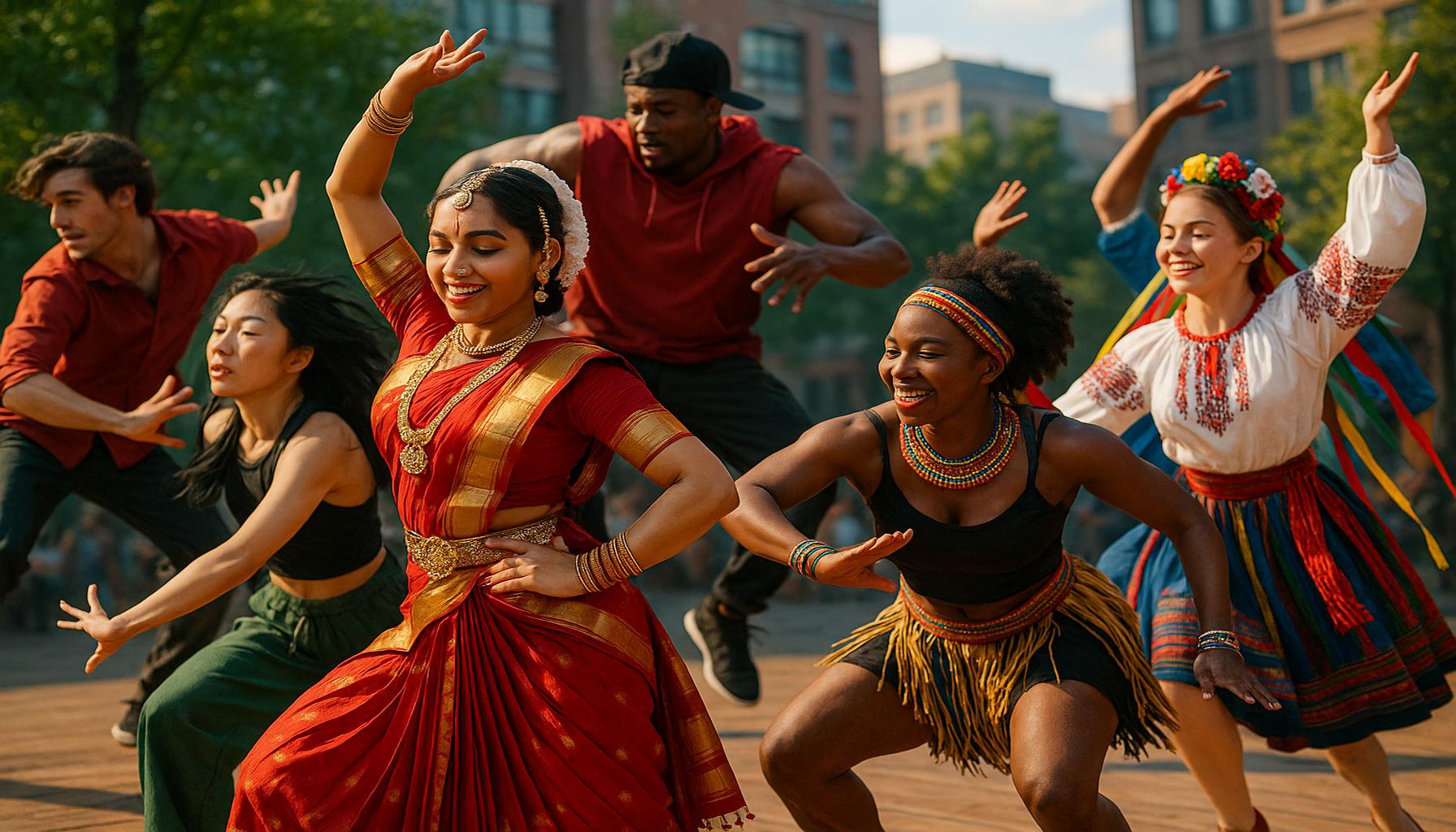
The innovative landscape of modern dance is also witnessing a curious phenomenon where genres from diverse cultures are intermingling to create fresh and original styles. Dancers are increasingly paying homage to cultural traditions while simultaneously reinterpreting them through a modern lens. This fusion can be observed in styles such as street dance, which has evolved into a global movement encompassing hip-hop, breaking, and popping. Choreographers are now taking these rich cultural forms and blending them with contemporary techniques to create hybrid genres that reflect a globalized society.
- Example of Fusion: Choreographer Alvin Ailey created masterpieces that fuse African American cultural legacy with modern dance techniques, inviting broader audiences to appreciate the aesthetic and historical significance of these forms.
- Influence of Traditional Forms: Dancers are embracing traditional ethnic and folk styles, but presenting them in a way that resonates with contemporary societal issues. This serves as a bridge for cultural exchange and understanding.
This emerging creativity in modern dance not only serves as artistic expression but also plays an important role in social activism. Dance is being utilized as a medium for raising awareness about pressing social issues such as climate change, racial injustice, and mental health. Choreographers and dancers are creating works that spark conversation, encouraging audiences to reflect on their values and the world around them.
In essence, the innovative dance styles that are rapidly emerging in current times are much more than just performance; they are a reflection of a society that thrives on collaboration, cultural exchange, and social engagement. The journey of modern dance continues to be propelled by visionary artists who challenge the status quo, redefining movement as a vehicle for creativity and transformation in contemporary culture.
DON’T MISS: Click here to enhance your storytelling
Conclusion: The Future of Dance is Here
The remarkable evolution of innovative dance styles highlights the profound impact that creativity has on the modern dance landscape. Choreographers and dancers are not just performers; they are visionaries pushing the limits of their craft through the integration of technology, cultural fusion, and cross-disciplinary collaborations. As we’ve seen, artists like Kyle Abraham and companies such as the Merce Cunningham Dance Company are redefining traditional notions of movement and storytelling, offering audiences experiences that resonate on multiple levels.
Moreover, the blending of different genres from cultures around the world speaks to a broader trend where dance becomes an avenue for cultural exchange and understanding, fostering a greater appreciation for diversity. The emergence of hybrid styles reflects a society that is increasingly interconnected, showcasing how shared narratives can influence the artistic dialogue. As choreographers tackle pressing social issues—from climate change to racial injustice—dance serves as a powerful medium for advocacy, prompting contemplation and action among audiences.
Ultimately, the trajectory of modern dance is a compelling testament to the human spirit’s capacity for innovation and expression. In this ever-evolving domain, creativity remains the driving force, suggesting that the most exciting developments in dance are just on the horizon. By embracing the transformative power of movement, we are not only witnessing the art form’s evolution but are also invited to participate in a larger conversation about our world. As we move forward, the challenge remains: to continue exploring and supporting these artistic expressions that inspire, provoke, and connect us all.