Exploring Immersive Art: How Artistic Experiences Transform Audience Perception
The Transformative Nature of Immersive Art
Art holds a profound ability to touch emotions and shape perceptions, yet immersive art elevates this potential to unprecedented heights. By creating spaces where engagement is not only welcomed but required, artists dissolve the barriers that typically separate the viewer from the artwork. These innovative environments transform passive observation into an active, participatory experience, inviting audiences to step into the narrative and become a vital part of the creation.
Interactivity: Redefining Audience Engagement
One of the most significant characteristics of immersive art is its emphasis on interactivity. Unlike traditional art forms, where the viewer stands back and observes, immersive art invites participation. This can range from physical engagement—where participants might touch, move, or alter elements of the installation—to decision-making that affects the course of the narrative. For instance, in immersive theater productions, audiences may choose different paths, leading to varying outcomes of the storyline, thereby fostering a sense of agency and personal connection to the art.
Multi-Sensory Experiences: Engaging the Senses
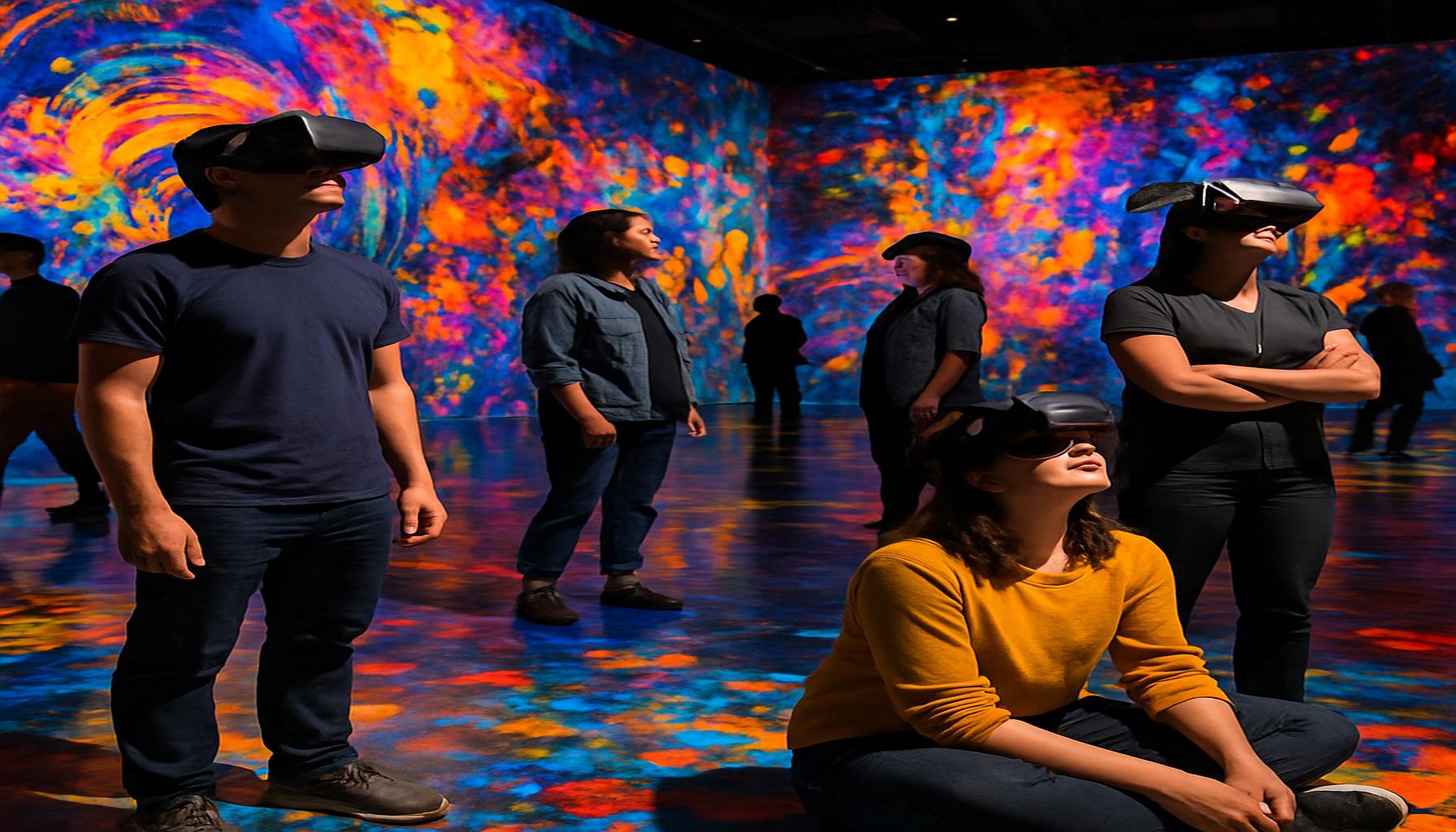
Immersive art also captivates various senses such as sight, sound, and touch, creating multi-dimensional experiences. This approach can heighten emotional responses and lead to deeper connections with the themes being explored. A prime example is the Van Gogh Museum’s immersive exhibition in Amsterdam, which allows visitors to walk through animated projections of Van Gogh’s most famous paintings, while accompanying soundscapes enhance the visual experience. In the United States, events like the immersive exhibition “Beyond Van Gogh” tour have gained popularity by engaging audiences through 360-degree digital projections that envelop them in the artist’s world.
Unique Settings: Art Beyond Traditional Venues
Often, immersive art is found in unique settings that challenge conventional art spaces. From abandoned warehouses refurbished into art installations to outdoor environments like forests or beaches, these alternative locations invite artists to create transformative experiences that resonate with the landscape. For example, the “Great Salt Lake Sound Map”, an audio installation in Utah, encourages visitors to engage with the natural environment while reflecting on the relationship between land and sound.
Significant Examples: Immersive Art in Action
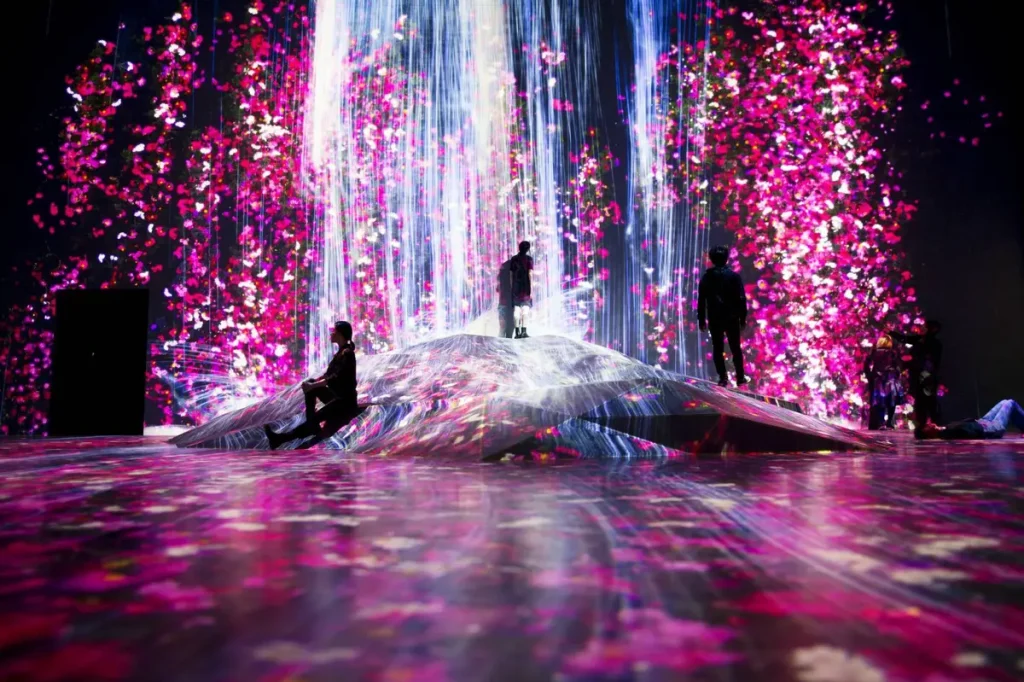
- TeamLab Borderless: Located in Tokyo, this exhibition transcends the traditional confines of art galleries. The interactive digital artworks change and evolve with user interaction, effectively blurring the lines between art and reality.
- The Tempest: This immersive theater experience invites audiences to interact with actors and make choices, fully drawing them into surreal and often emotional narratives that explore the human condition.
- Meow Wolf: A collective that creates entirely immersive worlds within their themed installations across multiple U.S. cities, including Santa Fe and Denver. Their artworks fuse storytelling with fantastical designs, providing a playground for imagination.
Such experiences do more than entertain; they push boundaries and invite conversations about the evolving nature of art and its broader implications in the context of society. By participating in these artistic endeavors, audiences may find themselves questioning their understanding of creativity, identity, and the collective human experience. Through this exploration, immersive art stands as a testament to the power of engagement and the limitless potential of artistic expression.
DON’T MISS: Click here to discover how authentic dialogues can elevate your storytelling
Engaging the Mind and Body Through Immersive Experiences
As immersive art continues to advance, it becomes increasingly relevant in providing audiences with experiences that engage both the mind and body. Unlike conventional forms of art that create a separation between art and observer, immersive installations dissolve these boundaries, inviting audiences to dive into a shared experience that captures their imagination and evokes critical reflection. This revolutionary approach to artistic expression plays a significant role in shaping perceptions and altering the way individuals interact with art and each other.
The Psychological Impact of Immersive Art
The psychological implications of immersing oneself in art are profound. Studies have shown that engaging in immersive experiences can elicit heightened emotional responses, often facilitating a connection not only to the artwork but to personal memories and societal issues as well. This phenomenon is particularly evident in works that address themes of community and identity. For example, installations like “The Obliteration Room” by Yayoi Kusama transform a white room into a vibrant explosion of color, reflecting societal interactions and individual expressions through the act of decorating. Visitors are empowered to add their own contributions, effectively blending personal narratives into the collective artistic fabric.
Breaking Cultural Barriers
With immersive art, cultural barriers are often challenged and dismantled. These experiences encourage dialogue among diverse communities, enabling participants to explore different cultural narratives and perspectives that may have previously been overlooked. Consider events like “The Color Factory,” which invites audiences to traverse different rooms, each representing an element of color and its significance across various cultures. Such experiences highlight the importance of inclusivity in artistry and invite individuals from all backgrounds to partake in a shared exploration of identity.
Create a New Narrative: The Role of Technology
In this digital age, technology plays a crucial role in enhancing immersive art experiences. Artists and collectives fuse cutting-edge technology with traditional craftsmanship to reshape narratives and create environments that captivate all senses. For instance, virtual reality installations enable viewers to inhabit virtual worlds, experiencing stories within dimensions that defy the constraints of physical reality. Works like “The Night Cafe” provide audiences with virtual immersive environments inspired by Vincent Van Gogh’s paintings, allowing participants to wander through the artist’s psyche while interacting with the elements within.
Exemplifying the Intersection of Art and Community
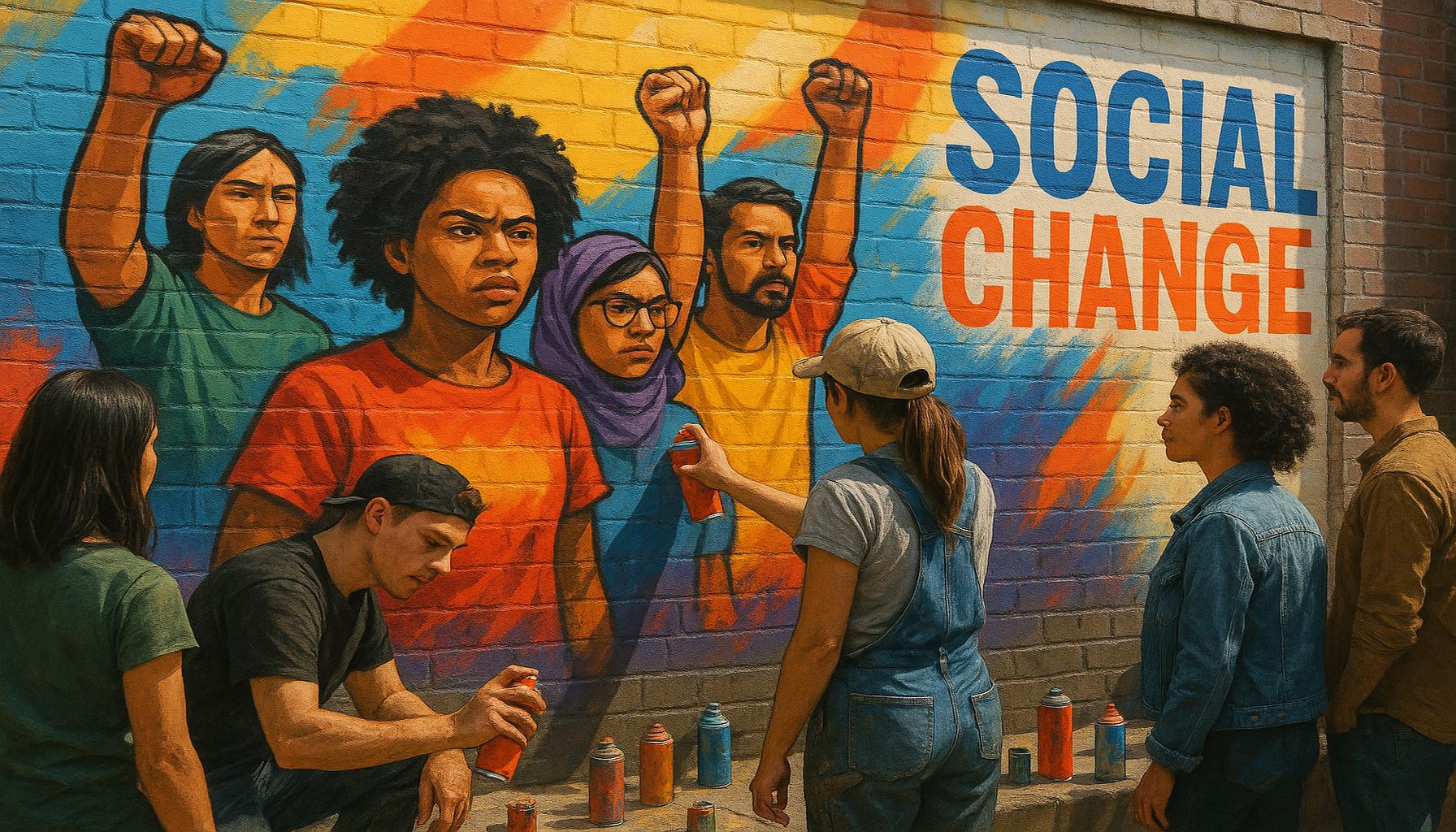
Immersive art not only captivates individual audiences but also has the power to galvanize communities. By incorporating social themes into their work, artists can provoke conversations about shared experiences, thereby fostering a strong community ethos. Notable examples include:
- Installation Art in Public Spaces: Artists like Christo and Jeanne-Claude have transformed public landscapes by enveloping structures in fabric, forcing observers to look at familiar surroundings from altered perspectives.
- Experiential Art Festivals: Festivals such as Coachella and Burning Man incorporate immersive art into their frameworks, emphasizing participation and connection, while sparking dialogue among diverse groups of attendees.
- Local Community Projects: City-sponsored art initiatives where immersive projects encourage communal participation demonstrate the potential for art to unify and inspire collective action.
As audiences immerse themselves in these transformative artistic experiences, they gain new insights into themselves and the world around them. The interplay of technology, psychological engagement, and community building represented in immersive art significantly alters audience perception, showcasing the boundless possibilities of artistic expression and interaction.
There are numerous dimensions through which immersive art influences and transforms audience perception. One significant aspect is the ability of immersive experiences to engage multiple senses, creating a multi-faceted interaction with the artwork. This sensory engagement not only deepens the emotional response but also allows audiences to retain and reflect on their experiences more profoundly. For instance, immersive installations may incorporate soundscapes, tactile elements, and scents alongside visual stimuli, fostering a holistic encounter that conventional art forms rarely achieve. As audiences navigate these rich environments, they are often prompted to rethink their surroundings and personal narratives, effectively reshaping their perceptions of art and, consequently, their world.Moreover, the collaborative nature of many immersive art experiences invites audience participation. This shift from passive observation to active involvement encourages individuals to become co-creators within the artistic dialogue. Such interactions can break down barriers between the artist and the audience, allowing for diverse interpretations and personal connections to emerge. In this setting, art becomes a shared experience, a communal space where creativity knows no bounds. By participating, audiences may also encounter challenges to their preconceived notions, leading them to reconsider societal norms and cultural values as they engage with the themes presented within the art.Additionally, advancements in technology significantly amplify the impact of immersive art experiences. The integration of virtual reality (VR), augmented reality (AR), and interactive installations allows artists to transcend traditional media boundaries. These innovative tools provide not just new forms of expression, but also new platforms for storytelling, allowing audiences to delve into narratives that were previously difficult to articulate. By leveraging technology, immersive art takes on a dynamic quality that is customizable to the viewer’s own experience, thus personalizing their interaction with the artwork and reinforcing the transformative effects it can have on their perception.In summary, the convergence of sensory engagement, participatory dynamics, and technological innovation marks immersive art as a powerful vehicle for reshaping how audiences perceive themselves and their environment. Through these methods, immersive art serves to challenge and expand the boundaries of artistic engagement, offering a potent means for personal and collective reflection in a rapidly changing world.
DISCOVER MORE: Click here to dive deeper
Transformative Encounters: Audience Interaction in Immersive Art
Central to the allure of immersive art is the concept of audience interaction. Unlike traditional art forms that often prescribe a passive viewing experience, immersive art compels participants to engage actively with their surroundings. This level of interaction not only shapes how audiences perceive the artwork itself but also transforms their understanding of participatory culture and the potential for personal involvement in art creation. Artists intentionally design these experiences, fostering a sense of ownership and connection that is often missing in conventional galleries.
The Power of Participation
The act of participation may appear simple, yet its implications are deeply profound. Immersive installations frequently invite viewers to become contributors, blurring the lines between artist and audience. A striking example of this is the work of installation artist Olafur Eliasson, whose piece “The Weather Project” allows viewers to engage with an artificial sun and mirror configuration in the Tate Modern. Visitors are encouraged to lie on the floor, immersing themselves in the environment, thereby transforming the exhibition into a communal experience. The emotional responses shared in such settings enhance a collective consciousness, which is reflected in personal impressions and interactions.
Creating Community through Shared Experiences
Moreover, immersive art serves as a catalyst for community bonding. These experiences can evoke a sense of belonging and shared identity, often highlighted by collaborative projects. For instance, Felice Varini employs geometric shapes painted on urban landscapes that require collective participation to see completed images from a specific viewpoint. This approach not only fosters teamwork but also encourages individuals to explore their environments and connect with their neighbors. The significance of a shared goal within immersive art can lead to the formation of new communities, as individuals who may have otherwise remained strangers come together to engage and create.
The Role of Emotional Resonance
Furthermore, the emotional resonance of immersive art experiences cannot be overlooked. When audiences step into a transformed space that ignites memories or evokes nostalgia, they are more likely to connect with the underlying themes. This is particularly evident in installations addressing critical societal issues, such as Immersive Van Gogh, where the artist’s works are projected in a way that elicits emotions tied to personal experiences. This connection reinforces an audience’s perception of art as not merely aesthetic but as an integral part of social discourse and human experience.
Expanding Narratives through Diverse Artistic Practices
With immersive art continually evolving, diverse artistic practices play a pivotal role in broadening narratives. Artists are increasingly incorporating elements from various disciplines—including theatre, dance, and new media—into their installations. A prime example is the work of Punchdrunk, whose immersive theatre productions invite audiences to navigate a story in a physical space, making decisions that affect their journey. This multifaceted approach deepens the audience’s engagement and lets them explore different narrative threads while also offering numerous interpretations of the story itself.
As immersive art continues to bridge traditional boundaries and invite experimentation, the transformative nature of these experiences underscores the profound impact they have on audience perception. By inviting interaction and emotional engagement, immersive installations reshape not only how we view art but also how we see our own place within the larger narrative of society and culture.
DIVE DEEPER: Click here to discover the power of dance
Conclusion: The Lasting Impact of Immersive Art on Audience Perception
In an ever-evolving artistic landscape, immersive art stands out as a transformative force, reshaping how audiences engage with and perceive their surroundings. By breaking down the barriers between creator and observer, immersive experiences invite active participation, fostering emotional connections that are often absent in traditional art forms. The influence of this engagement echoes through shared moments of collaboration and creativity, reinforcing community bonds and collective identities.
Moreover, immersive art’s capacity to evoke emotional resonance enhances its themes, allowing personal narratives to intertwine with broader societal discussions. As seen in notable examples like Immersive Van Gogh and collaborative urban projects by artists like Felice Varini, viewers are not just passive observers but integral components of the artistic narrative. This shift challenges conventional understandings of art’s role, prompting participants to reconsider their place within cultural dialogues.
As artistic practices continue to blend diverse disciplines, the possibilities for storytelling and audience engagement expand exponentially. This ongoing evolution signals the potential for even greater transformations in how we consume and interpret art, reaffirming its significance as a dynamic element of our social fabric. Ultimately, the exploration of immersive art reveals that these experiences are not merely about viewing; they are about living art, fostering deeper connections between individuals and the narratives woven through our shared human experience.