Exploring Collaborative Music: Platforms and Communities for Music Creators
The Evolution of Music Collaboration
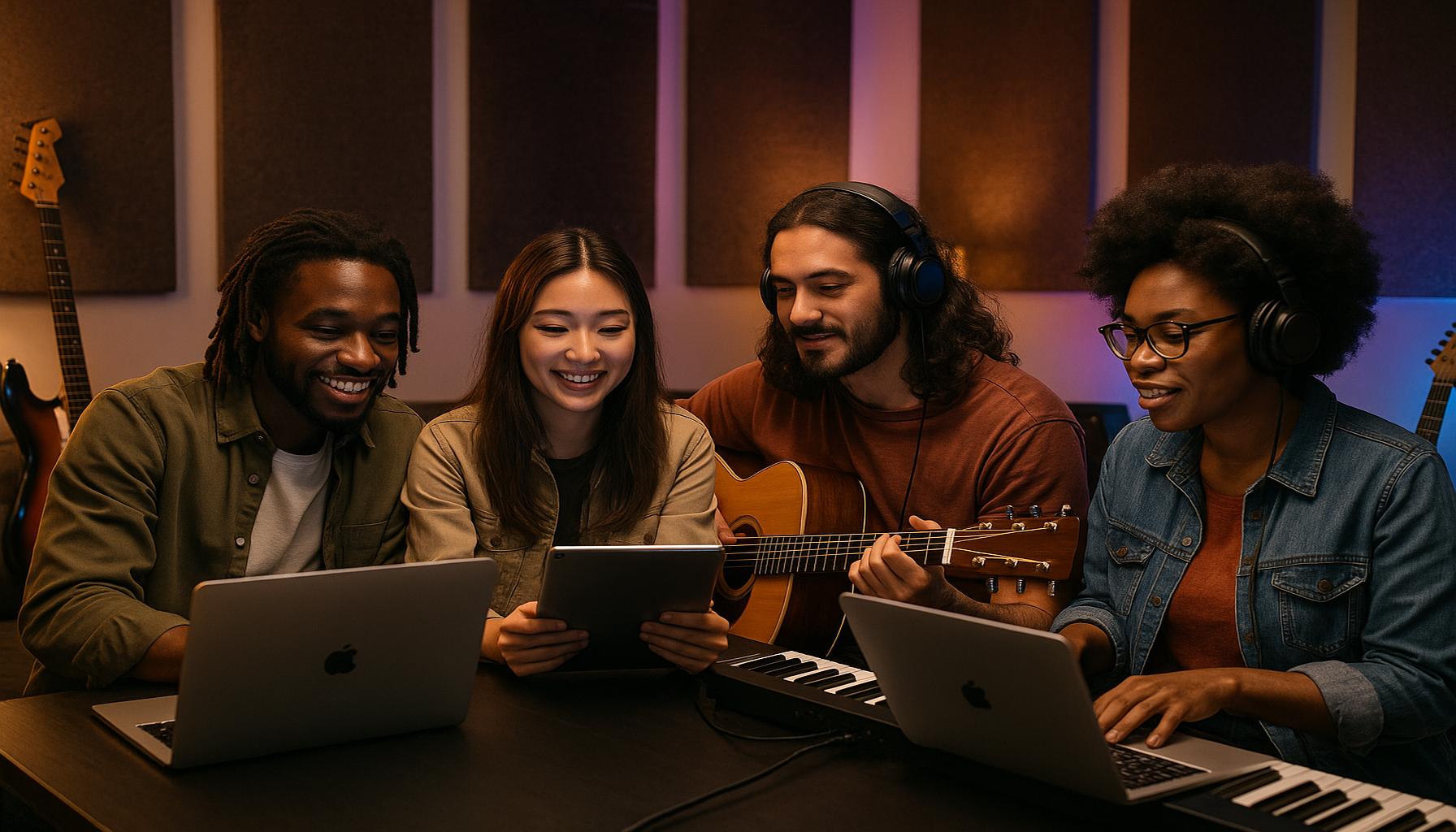
In the contemporary music landscape, the surge of collaborative music platforms is fundamentally transforming the way artists interact and create. These innovative digital arenas are not only connecting musicians from different corners of the world but also fostering a sense of community among them. Artists of all genres—be it hip-hop, rock, jazz, or electronic—are harnessing these tools to collaborate, transcending traditional barriers of distance and genre constraints.
One of the most appealing aspects of these collaborative environments is their global reach. An indie artist in Nashville can easily collaborate with a producer in Berlin, leading to a cross-pollination of styles that enriches their sound. This globalization of music creation is exemplified by artists like Marshmello and Khalid, who have leveraged online platforms to build unique, genre-blurring tracks while drawing inspiration from a range of cultural influences.
Moreover, these platforms welcome diverse skill sets, allowing musicians to bring varied musical talents and perspectives into their projects. For instance, a songwriter may team up with a skilled instrumentalist or a vocalist from another state to enhance the emotional depth of a track. This diversity not only enriches the listening experience but also broadens the creative horizons of all participants involved.
Real-time collaboration is another game-changer. Tools such as virtual recording studios enable musicians to work together simultaneously, regardless of their physical locations. This immediacy facilitates spontaneous creativity, akin to having jam sessions with friends in a studio. For example, platforms like Soundtrap allow users to drop in and out of projects, facilitating a dynamic creative process that reacts swiftly to inspiration and feedback.
Several platforms are gaining prominence in this digital collaboration space, each offering unique features tailored to musicians. Soundtrap, a cloud-based platform, provides multi-track recording capabilities that allow artists to create high-quality tracks without the need for expensive studio time. BandLab stands out as a social network for musicians, boasting robust collaboration features where users can share and remix tracks, fostering a sense of community. Meanwhile, Splice is well-known for its vast sound library and samples, enabling musicians to easily access tools and sounds that can spark new ideas during the collaboration process.
As musicians continue to explore and navigate these collaborative communities, they not only enhance their artistic creativity but also forge lasting connections that can lead to future projects and opportunities. The fusion of technology and music is opening doors to new standards of artistic expression, inviting all to dive deeper into this intricate world. Musicians and aspiring artists should seize the moment and explore these emerging platforms, as the potential for collaboration and innovation in music has never been this vast.
DISCOVER MORE: Click here for festive crafting ideas
The Rise of Collaborative Platforms in Music Creation
As the music industry continues to evolve, collaborative music platforms have emerged as vital tools for creators, paving the way for unprecedented connections and artistic synergies. These platforms serve not only as recordings spaces but also as thriving social networks that encourage collaboration among artists, producers, and even fans. This blend of digital interaction and musical creation is reshaping the landscape of music-making, offering a fertile ground for creativity and innovation.
With the advent of technology, the music collaboration process has become more democratic, allowing anyone with a passion for music to engage in the creative process. The accessibility of these platforms means that even bedroom producers can co-create with established musicians, offering a level playing field where talent, rather than resources, dictates the direction of projects. This democratization is evident in success stories like that of Lil Nas X, who used social media and collaborative tools to skyrocket from underground artist to global sensation.
The Importance of Community in Collaborative Music
A defining feature of these collaborative platforms is the community aspect. Musicians from different genres find themselves working together, sharing insights, skills, and creative ideas, thus fostering a sense of belonging. These interactions not only enhance the creative process but also lead to the formation of supportive networks that can offer guidance, feedback, and even mentorship opportunities. Here are several benefits of being part of a collaborative music community:
- Networking Opportunities: Engaging with other musicians opens doors to potential collaborations, gigs, and industry connections.
- Skill Enhancement: Artists can learn from one another, gaining new techniques and insights that allow them to expand their musical repertoire.
- Feedback and Support: Constructive criticism and encouragement from other musicians can help refine artistic vision and boost confidence.
- Diverse Inspiration: Collaborating with artists from different genres can lead to fresh musical ideas and innovative sounds.
The global nature of many of these platforms also means that collaborations can leverage a multitude of cultural influences. For instance, an artist in Los Angeles might pair up with a singer-songwriter in London, blending pop sensibilities with traditional folk elements from across the pond. This exposure to varying musical traditions nurtures rich, layered compositions that would otherwise not exist.
To further facilitate this collaborative spirit, many platforms also incorporate features that prioritize user interaction. Tools such as discussion boards, chat functions, and project-sharing capabilities allow artists to engage directly, making it easier to brainstorm ideas and exchange thoughts. Platforms like Soundcloud empower musicians to share not only their works but seek out collaborators who resonate with their artistic vision, resulting in a vibrant creative ecosystem.
As we delve deeper into the evolving landscape of collaborative music, it is essential to recognize the implications of this shift. With each link forged and every genre crossed, musicians are not just crafting songs; they are building bridges in the ever-expanding world of artistic expression. Ultimately, exploring these platforms may very well unlock the doors to the future of music creation.
| Category | Key Features |
|---|---|
| Global Connections | Collaborative platforms enable music creators to connect with artists worldwide, enhancing cultural exchange and creativity. |
| Accessible Tools | Innovative tools and software facilitate joint projects, breaking down barriers to participation and allowing everyone access to professional-grade instruments. |
As the landscape of music continues to evolve, collaborative music platforms are becoming increasingly vital for creators. These platforms offer opportunities for musicians to share ideas, create, and promote their work, leading to a vibrant exchange of artistic expression. One significant advantage is the ability for artists to form global connections, transcending geographical boundaries. This not only broadens their audience but also enriches their creative process through diverse influences. Moreover, accessible tools provided by these communities allow even aspiring artists to engage with professional-grade resources, thus leveling the playing field. Musicians can now collaborate on projects without the need for expensive studio equipment, encouraging innovation and creativity. Whether through software that allows real-time collaboration or platforms for sharing music, creators are discovering new ways to produce and present their art. The shift towards collaboration not only fosters community spirit but also encourages a more inclusive approach to music-making. As artists share their skills and resources, they form networks that empower each other, paving the way for the future of music.
DON’T MISS OUT: Click here to discover how to elevate your DIY projects with digital tools
Innovative Tools Empowering Collaboration
As the demand for collaborative music creation continues to surge, platforms are innovating their tools to enhance the user experience for music creators. These advancements are revolutionizing the way artists interact with one another, ultimately fostering a deeper level of creativity. A prime example of this is Splice, a platform that offers an extensive library of samples and loops, which artists can easily use in their projects. By allowing users to remix, manipulate, and share sounds seamlessly, Splice enables musicians to engage in collaborative efforts without the constraints of geographical boundaries.
Another significant player in the collaborative music arena is BandLab, which emphasizes not just music production but also social interaction among artists. With features such as a multi-track editor and real-time collaboration, BandLab allows musicians to work on projects together, regardless of where they are located. This capability mirrors the approach taken by popular digital tools in other industries, like Google Docs for document editing, but adapted specifically to the unique nuances of music creation.
Furthermore, platforms like Soundtrap enhance online collaborations by creating a space where artists can record, edit, and produce music together in real-time. The platform’s built-in functionality encourages spontaneous creativity, giving rise to dynamic musical ideas that may not have surfaced in traditional studio settings. The ability to invite collaborators to a live session epitomizes the essence of collaborative music, emphasizing shared experience as a core component of the creative process.
Case Studies: Successful Collaborations via Online Platforms
The success stories emerging from these collaborative platforms are as vibrant as the music they generate. Artists like EDM producer Marshmello and rapper Logic have utilized platforms such as SoundCloud to establish a direct connection with fans and fellow creators. Both artists have continuously engaged with their audiences, leveraging community feedback to shape their artistic direction. This two-way interaction not only boosts their visibility but also fosters a sense of loyalty among fans, who feel invested in the artistic journey.
Moreover, the collaborative piece of music creation is evident in the project titled “Anonymous Nobody” by hip-hop collective De La Soul, which was partially funded through Kickstarter. Engaging their fan base not only allowed the artists to connect with supporters but also demonstrated the power of crowdsourcing in the production process. This example highlights how community-driven approaches can inspire and finance innovative musical endeavors, pushing creativity to the forefront.
Targeting specific genres has also become a popular trend, with platforms facilitating genre-focused communities. For instance, Kompoz caters to musicians passionate about collaboration across genres, from metal to folk, enabling artists to contribute their talents to diverse projects. The inclusion of niche communities offers creators outlets to collaborate in spaces that resonate most with their artistic goals, proving essential in a world where genre-bending is increasingly valued.
Understanding the transformational potential of these platforms is crucial for any aspiring or established musician. Leveraging the unique tools offered by collaborative platforms not only enhances individual creativity but also cultivates a music ecosystem that thrives on connection, innovation, and community. In this era where collaboration has become key, these online spaces are set to shape the future of music creation like never before.
DISCOVER MORE: Click here to delve into innovative techniques
Conclusion: The Future Is Collaborative
In a world increasingly driven by technology and connectivity, the music landscape is undergoing a remarkable transformation. The platforms and communities designed for collaborative music creation are not only enhancing creativity but also cultivating a new era of artistic expression. As we have explored, platforms like Splice, BandLab, and Soundtrap are redefining the traditional boundaries of music production. They are empowering artists from diverse backgrounds to come together, regardless of geographical constraints, to collaborate and innovate in real time.
The successful collaborative projects that have emerged are testament to the potential these tools hold in reshaping the music industry. Artists today can glean insights and feedback directly from their audiences, creating a dynamic relationship that fuels creativity and encourages community engagement. Furthermore, the rise of niche platforms catering to specific genres facilitates deeper connections among musicians, fostering a rich tapestry of musical exploration and collaboration.
As we look to the future, it is clear that the lines between creator and consumer continue to blur, promoting a more inclusive music-making environment. For both aspiring and established musicians, embracing these collaborative platforms is essential for tapping into new creative reservoirs. The collaborative music movement not only changes how music is created but also redefines how it is experienced and appreciated. As we continue to witness this evolution, the stage is set for a vibrant and interconnected music ecosystem where every voice has the opportunity to resonate. In this spirit of collaboration, the possibilities are limitless, unveiling new horizons for both creators and listeners alike.