Eco-Friendly Craft Projects Using Recycled Materials
Discover the Joy of Eco-Friendly Crafting
Crafting can be more than just a hobby; it serves as a pathway to make meaningful contributions to the environment. By utilizing recycled materials, you can transform everyday waste into inspiring creations. This innovative approach not only minimizes waste but also fosters creativity and resourcefulness. Think of eco-friendly crafting as both an artistic endeavor and a commitment to sustainability.
Consider the wealth of materials readily available in your home that can be repurposed. For example:
- Cardboard boxes can be transformed into a variety of items. You can create organizers for your workspace, build imaginative toys for children, or even design intricate art sculptures. With some paint and creativity, they can become colorfully decorated masterpieces.
- Glass jars offer endless possibilities once they’re emptied. They can be converted into beautiful candle holders, adding a warm glow to any room, or used as charming storage containers for craft supplies or kitchen essentials. Decorate them with twine, paint, or pressed flowers for an added touch.
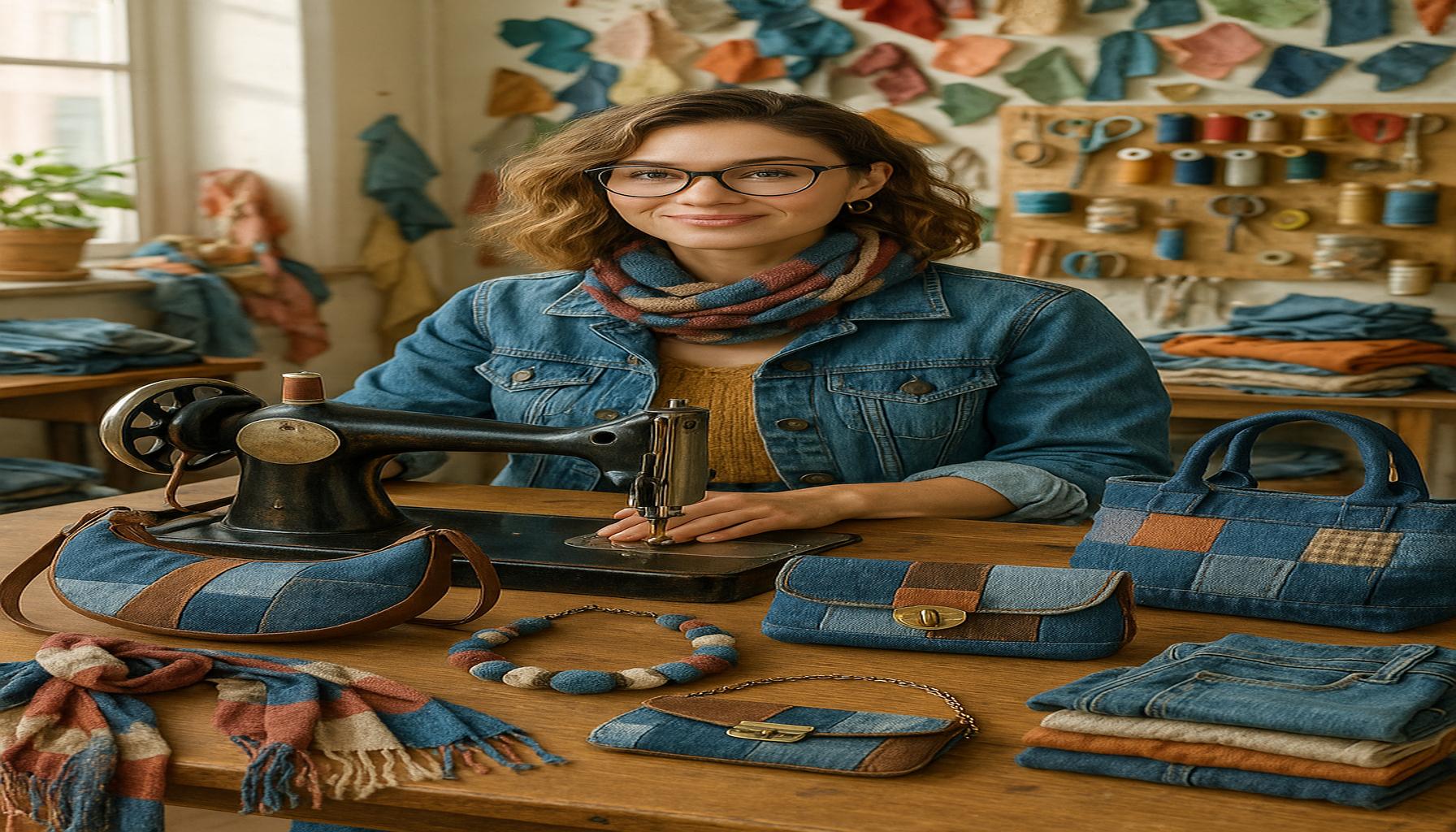
- Old fabrics are perfect for sewing projects. Consider making sturdy tote bags for groceries or crafting cozy patchwork quilts that repurpose fabric scraps from past projects or clothes that are no longer in use. These creations not only serve a purpose but also tell a story.
Engaging in eco-friendly craft projects provides numerous benefits beyond simply helping the planet:
- Promotes sustainability by reducing landfill waste. Each repurposed item decreases our carbon footprint and encourages a culture of recycling.
- Encourages creativity and resourcefulness. When you think outside of the box and utilize materials that would otherwise be discarded, you challenge your imagination and thought process.
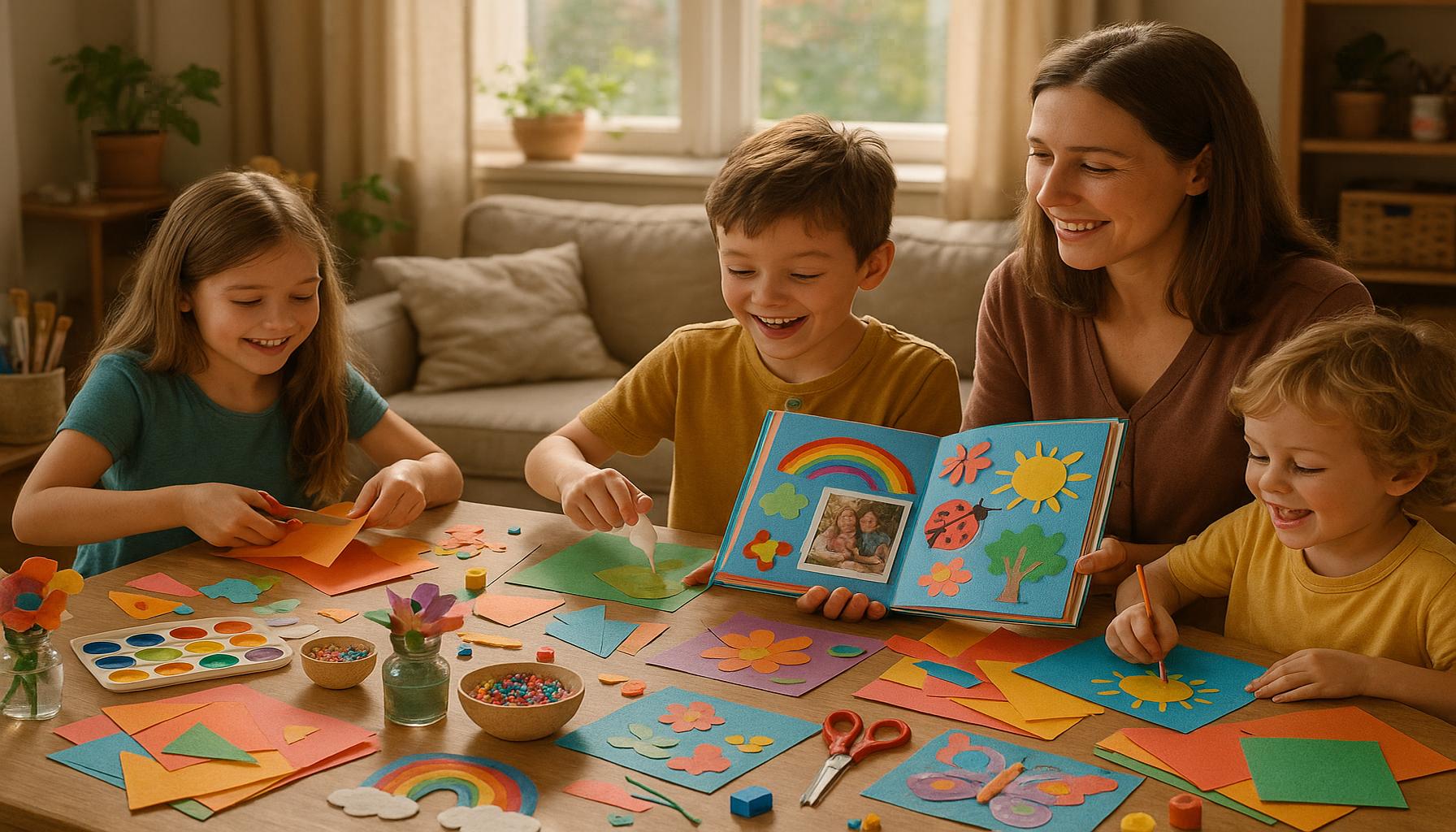
- Provides an engaging activity for families and communities. Crafting can bring families together, allowing them to bond over shared projects, and it can foster community through workshops and events focused on sustainable practices.
As you delve into the world of eco-friendly crafting, a plethora of possibilities awaits. From decorative items for seasonal celebrations to practical home goods, the potential is truly limitless. Consider organizing community craft days or host a swap event where people can trade leftover supplies and inspire one another. Each small effort contributes to creating a world where art and sustainability coexist harmoniously.
Join others on this journey to create beautiful and sustainable art, fostering a greater appreciation for our environment. Your craft can be not just a personal expression, but a significant step toward a more sustainable future. The path to eco-friendly crafting opens the doors to creativity that protects our precious planet, making it a joyful and worthwhile undertaking.
Get Inspired by Creative Reuse
As the movement toward sustainability gains momentum, eco-friendly crafting emerges as a delightful way to contribute to a greener planet while engaging your creative side. By reimagining recycled materials, you can create unique, practical, and beautiful items that reflect your personality and values. Let’s explore some innovative ideas and their benefits to help guide your crafting journey.
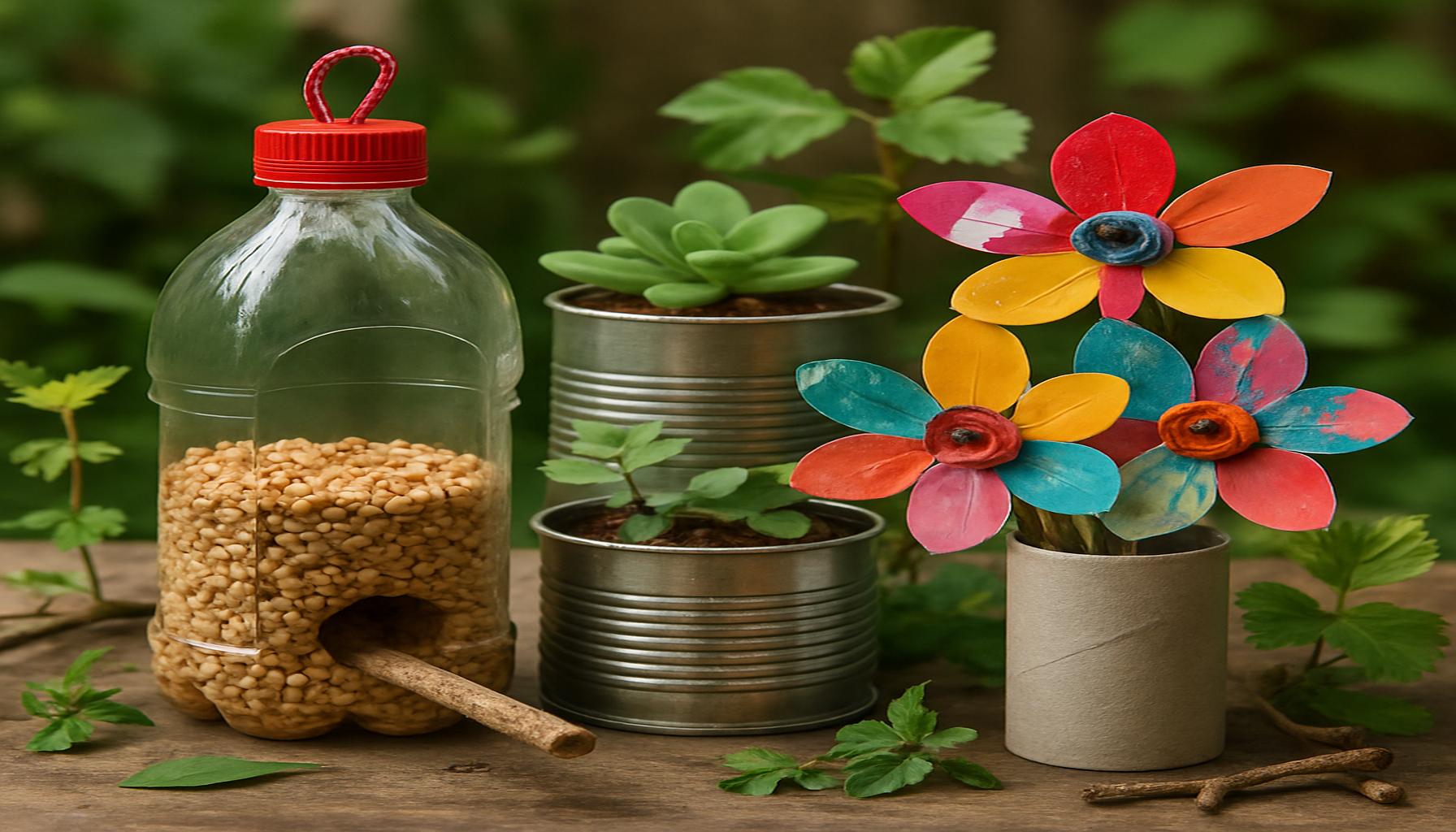
One of the easiest and most accessible materials to start with is plastic bottles. These everyday items often find themselves cluttering up landfills, but with a bit of imagination, they can be transformed into various artworks and functional pieces:
- Planters: Cut a plastic bottle in half, paint the outside, and add drainage holes at the bottom. Fill it with soil and your favorite plants for a hanging garden.
- Flower Vases: Alter the shape of a bottle and create intricate designs by cutting patterns into them. Fill with water and fresh or dried flowers for an eye-catching centerpiece.
- Storage Solutions: Use the top half of a bottle as a funnel for pouring dry ingredients or create storage containers for craft supplies by attaching multiple bottles together.
Another remarkable material is newspaper and magazines. Dedicating some time to this medium can lead you to artistic creations loaded with character:
- Paper Mache: Utilizing strips of newspaper and a flour-water paste, you can mold anything from decorative bowls to elaborate sculptures.
- Collages: Create vibrant art pieces by cutting out images and patterns from magazines, layering them on canvas or cardboard for a striking visual presentation.
- Gift Wrap: Use pages from old newspapers to wrap gifts in a sustainable and quirky manner, adding a personal touch that friends and family will appreciate.
Even items like tin cans can become functional art pieces. With a few simple tools and some creativity, you can turn these sturdy containers into:
- Lanterns: Punch holes in a patterned design, fill the can with water and freeze it to hold its shape, then remove the ice to create delightful lanterns for outdoor parties.
- Desk Organizers: Coat tin cans with paint or fabric to transform them into stylish holders for pens, brushes, or other office essentials.
- Wind Chimes: Cut the cans into different lengths, paint them, and string them together for a melodic addition to your garden.
Each of these recycled materials tells a story, offering not only functional uses but also an opportunity to connect with others who share a passion for sustainability. Crafting with recycled materials can initiate conversations about resourcefulness and environmental awareness, fostering community engagement and unity.
By diving into the world of eco-friendly crafting, you not only create art that resonates with your ethics but also inspire those around you. Start exploring the endless possibilities of what you can create with recycled items—you may just stumble upon your next favorite project!
| Advantage | Description |
|---|---|
| Sustainability | Promotes the reuse of materials, reducing landfill waste and conserving natural resources. |
| Creativity | Encourages innovative thinking by transforming everyday items into functional or artistic masterpieces. |
| Cost-effectiveness | Utilizes inexpensive materials that help households save money while crafting. |
| Community engagement | Fosters collaboration amongst individuals through workshops and shared activities themed around reuse. |
| Educational opportunities | Teaches vital skills in sustainability, recycling practices, and environmental stewardship. |
Embracing the concept of Eco-Friendly Craft Projects Using Recycled Materials not only enhances the beauty of sustainable living but also nurtures creativity in communities. By applying these crafts, individuals are encouraged to rethink how they perceive waste, finding value and potential in discarded items. This mindset can lead to comprehensive changes in waste management, promoting a culture of conscientious consumption and responsibility towards our planet. With workshops popping up worldwide, it’s an excellent opportunity for enthusiasts to dive deeper into innovative recycling techniques, drawing inspiration from local artists and environmental activists alike. Intrigued? Join a community near you and explore the art of crafting with a purpose!
Transforming Waste into Art
Beyond the classic uses for recycled materials, the world of eco-friendly crafting opens up myriad opportunities for artistic expression and utility. By looking to be more innovative, you can embrace a variety of materials that may commonly be overlooked in daily life. Let’s delve into some unique ideas that can turn apparent trash into one-of-a-kind treasures.
Consider using old clothing as a canvas for your next project. Instead of discarding those beloved jeans or t-shirts, breathe new life into them through:
- Fabric Bags: Transform worn-out clothing into reusable shopping bags by cutting and sewing the fabric together. This project not only reduces fabric waste but also promotes a sustainable alternative to plastic bags.
- Quilts and Pillows: Combine various fabric scraps to create beautiful, patchwork quilts or throw pillows that reflect your personal style while providing warmth and comfort.
- Rug Making: Cut fabric into strips and braid or tie them together to fashion shaggy rugs that are perfect for any room in the house.
Moreover, glass jars can be repurposed in countless ways beyond simple storage. Their versatility makes them appealing projects for any crafting enthusiast:
- Candle Holders: Fill glass jars with sand or stones, place a candle inside, and you have a charming centerpiece for dinner parties or outdoor gatherings.
- Wall Art: Paint the outside or wrap them in twine, attach them to a wooden pallet, and use them as decorative planters or storage holders for small objects.
- Kitchen Organizers: Use jars for storing bulk pantry items, crafting supplies, or even as a visual way to showcase your collection of spices.
Another unexpected source of inspiration for eco-friendly crafting is nature itself. Items like twigs, leaves, and flowers can foster delightful projects:
- Natural Weaving: Use pieces of driftwood or sturdy branches as the base to weave plant fibers, grasses, and other delicate materials to create stunning wall hangings or decorative art pieces.
- Pressed Flower Art: Collect flowers, press them between heavy books, and later apply them onto greeting cards, picture frames, or canvas for a lovely touch of nature indoors.
- Natural Dyes: Explore the world of dyes derived from plant materials. Using items like avocado pits or turmeric, you can color fabrics in vibrant hues without harmful chemicals.
Finally, cardboard can become an artist’s playground. Often regarded as mere packing material, cardboard sheets bring forth an abundance of crafting possibilities:
- 3D Models: Construct intricate models, geometric shapes, or architectural designs using cut and assembled cardboard pieces, ideal for educational purposes or decorative art.
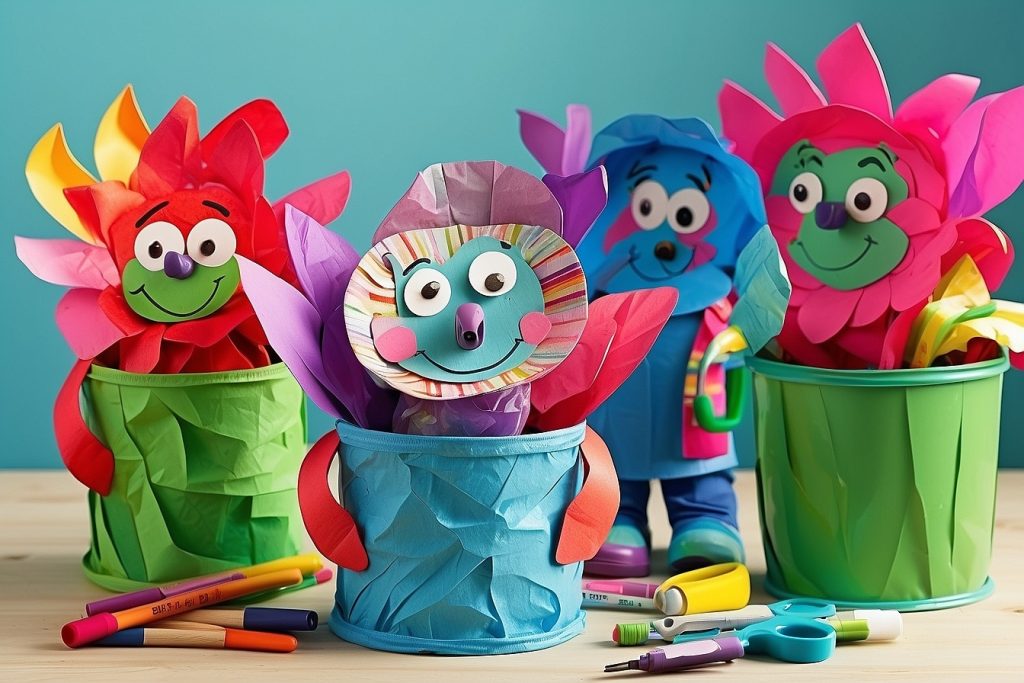
- Kids’ Crafts: Create fun toys like puppets, games, or miniature furniture using cardboard, providing a sustainable option for children’s playtime activities.
- Custom Gift Boxes: Fashion creative, personalized gift boxes for presents that impress, showcasing your intention to reuse and reduce waste.
As you explore these innovative projects and the vast possibilities of eco-friendly crafts, remember that every piece you create adds up to a positive change in the environment. Engaging in these sustainable practices spreads the word about recycling, promoting a culture of conservation and creativity in your community. So gather those recycled materials and ignite your imagination—who knows what stunning creations lie ahead!
Embrace a Sustainable Crafting Future
In conclusion, engaging in eco-friendly craft projects using recycled materials not only fosters creativity but also contributes significantly to environmental sustainability. The transformation of everyday waste into artistic endeavors allows individuals to rethink their consumption patterns and actively participate in reducing landfill waste. By repurposing the seemingly unwanted—whether old clothing, glass jars, natural elements, or cardboard—you are not only cultivating unique handmade items but also advocating for a more sustainable way of living.
The projects discussed encourage you to explore boundless possibilities, inviting you to take action in your own home or community. As you gather materials from your surroundings, consider the impact of your crafting choices. Beyond personal enjoyment, your creations can inspire others to embrace the principles of recycling and upcycling. Moreover, as you share your projects, whether through social media or community workshops, you contribute to a broader movement of environmental awareness.
As we continue to grapple with pressing issues surrounding waste and sustainability, remember that every small action counts. Every fabric scrap used, every glass jar repurposed, and every cardboard creation made contributes to a larger change. So let your imagination run wild and develop projects that reflect not only your personality but also your commitment to protecting the planet. Together, we can turn waste into art and craft a sustainable future.