Dance as a Communication Tool: How Movement Speaks Without Words
The Power of Movement as Communication
Dance transcends the barriers of spoken language, offering a unique avenue for communication. It is a vibrant medium through which emotions, stories, and cultural values are conveyed without uttering a single word. From ballet to hip-hop, the styles may differ, but the essence remains the same: movement communicates powerfully.
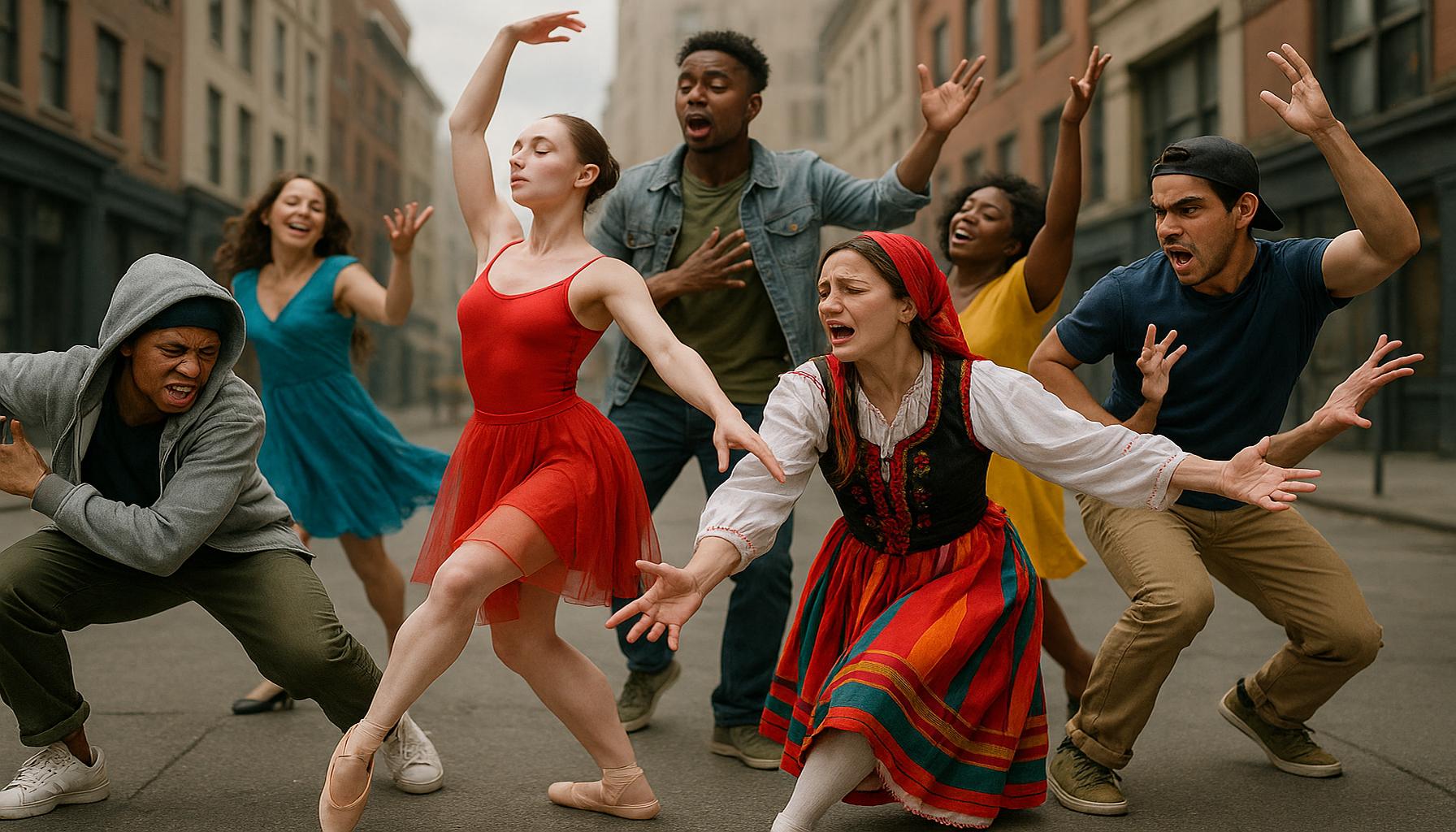
At its core, dance serves as an emotional outlet, allowing performers to communicate their feelings in a visceral way. Emotional Expression through dance is a profound phenomenon; a ballet dancer’s graceful pirouette can embody elation, while a hip-hop dancer’s sharp movements might express anger or defiance. Consider iconic pieces like Martha Graham’s “Lamentation,” which uses the body’s contours and flourishes to convey a deep sense of sorrow and loss. Each movement can resonate differently with audiences, prompting feelings of empathy or nostalgia. This instinctive emotional dialogue makes dance a potent medium that invites spectators to engage without needing to understand the choreography fully.
- Cultural Representation: Different dance styles reflect the heritage and traditions of various communities. For example, traditional Irish dance, with its intricate footwork and flowing movements, encapsulates the cultural spirit of Ireland. In contrast, indigenous powwows feature vibrant traditional dances that tell stories of ancestry and community, fostering a sense of pride and identity among participants.
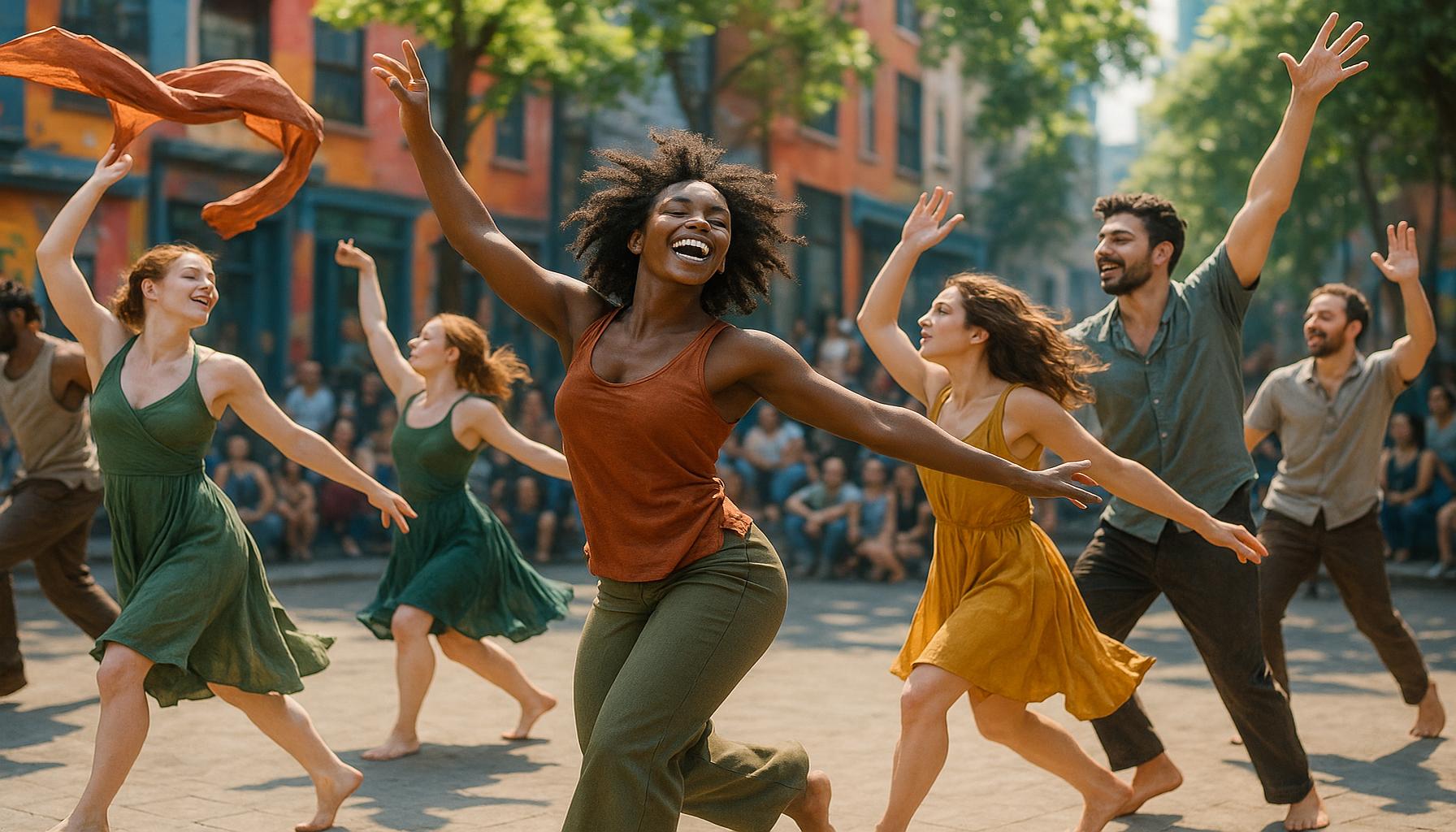
- Non-Verbal Connection: In social settings, dance fosters connections between individuals, creating bonds beyond words. Social dances, such as salsa or swing dancing, often break down social barriers, allowing people from different backgrounds to connect and share the experience of movement together. Events like flash mobs capitalize on this non-verbal camaraderie, sparking joy and surprise in unsuspecting onlookers and creating a shared moment of euphoria.
Across the United States, dance finds its expression in various forms, serving as a universal language. Events—like flash mobs in urban centers or traditional powwows in Native American communities—showcase this silent dialogue, inviting audiences to engage with the art form creatively. Further highlighting these connections, studies reveal that movement can enhance empathy and understanding among diverse groups, proving to be an essential tool for fostering unity. In fact, dance therapy is increasingly recognized in psychological practices for its ability to facilitate communication for those who struggle to articulate their thoughts or feelings, such as children with autism.
As we delve deeper into how dance operates as a vital means of communication, you will discover the profound impacts of movement and the stories that unfold through rhythm and grace. Whether it’s a solo dancer in a dimly lit studio or a vibrant dance troupe on a stage, each performance becomes a tapestry of human experience woven together without a single spoken word. The next time you witness a dance, consider the layers of meaning and emotion embedded in every gesture; there is a powerful dialogue happening all around you, waiting to be understood.
DISCOVER MORE: Click here to find out how you can make a difference
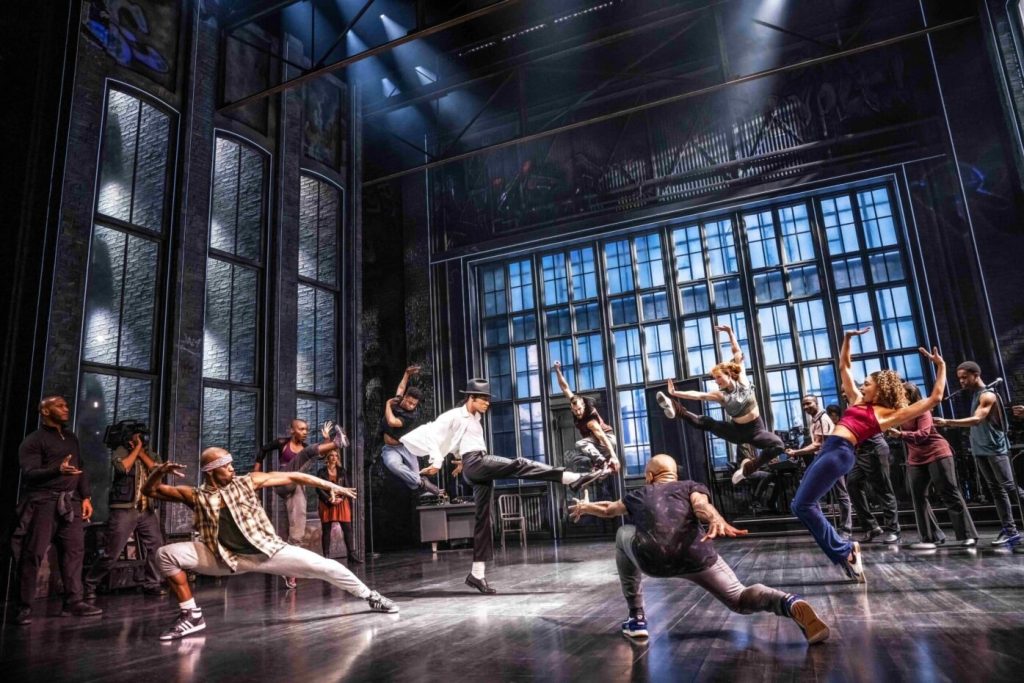
Unpacking Emotional Communication Through Dance
Understanding dancing as a form of communication hinges on recognizing the depth of emotional expression that can be conveyed through movement. Unlike verbal languages, dance harnesses the power of the body to articulate feelings that words may fail to capture. It transcends cultural differences and promotes shared human experiences. The rich tapestry of human emotion is woven into every performance, rendering dance a compelling narrative unto itself.
One of the most significant facets of dance as a communicative tool is its ability to evoke empathy. When dancers perform, they do so with an intent that reaches far beyond the surface. The subtleties of a dancer’s expression—such as the tension in their limbs or the softness of their movements—can evoke deep feelings in the audience. For instance, watching a contemporary dancer interpret sadness through slow, elongated gestures can elicit tears from spectators who resonate with that shared experience of loss, even if they cannot articulate it in words. Research has shown that witnessing expressive movement can activate mirrors in our brains, allowing us to experience the dancer’s emotions as if they were our own.
- Physical Storytelling: Each dance piece often encapsulates a story, blending physical movements with emotional nuance. A well-choreographed routine may tell a story of love, loss, or celebration, allowing viewers to connect on a narrative level.
- Gesture and Intention: Specific movements—such as an outstretched hand or a turned-away body—communicate particular feelings or intentions. This non-verbal language is universal; for example, a dancer’s leap can symbolize freedom and hope, while a crouch may convey vulnerability or submission.
- Universality Across Cultures: Across different cultures, similar movements may elicit comparable emotions. A celebratory dance, regardless of the cultural context, often fosters a sense of joy and community, illustrating how dance can bridge cultural divides.
In social contexts, dance creates an atmosphere that fosters connection. Consider the crowded dance floors at weddings and social gatherings, where attendees engage in spontaneous movement. These joyful interactions cultivate a sense of belonging, as the dance itself encourages communication beyond social norms and barriers. Even the simple act of dancing with a partner—swinging to the rhythm of a live band or sharing a slow dance—bridges gaps between individuals who may be strangers off the dance floor.
No discussion of dance as a communication tool would be complete without acknowledging its therapeutic applications. Dance therapy has emerged as a progressive means to facilitate connection and healing, particularly for individuals facing communication challenges, such as those with autism or developmental disorders. The act of moving to music can create an engaging platform that allows participants to express their feelings and forge connections that words cannot achieve. In this way, dance becomes not only an art form but also a significant avenue for healing, self-expression, and interpersonal connection.
As we continue to explore the multifaceted nature of dance as a communication tool, it’s essential to consider how each movement encapsulates layers of meaning and emotion. Understanding this aspect encourages us to be more attuned to the silent dialogues taking place around us, enriching our experience of the world through the lens of movement.
| Advantage | Description |
|---|---|
| Emotion Expression | Dance allows individuals to express complex emotions that may be difficult to articulate verbally, creating a deeper emotional connection. |
| Cultural Communication | Through movement, dancers can convey messages about cultural identity, traditions, and societal values, enriching cross-cultural understanding. |
The world of dance transcends linguistic barriers, facilitating communication through movement. Emotionally charged performances resonate with audiences, allowing individuals to convey feelings that may otherwise remain unspoken. This powerful form of expression connects dancers and viewers on a profound level.Additionally, dance serves as a cultural artifact that communicates heritage and beliefs. Each movement carries with it a narrative, enriching the dancer’s cultural identity while simultaneously bridging gaps with diverse audiences. As we delve deeper into the role of dance in global communication, we uncover how various styles and practices tell unique stories, prompting curiosity and appreciation for the art form. Stay tuned to learn more about how dance can transform both personal expression and cultural narratives, revealing the universal language of movement.
DISCOVER: Click here to create unique greeting cards
The Role of Cultural Context in Dance Communication
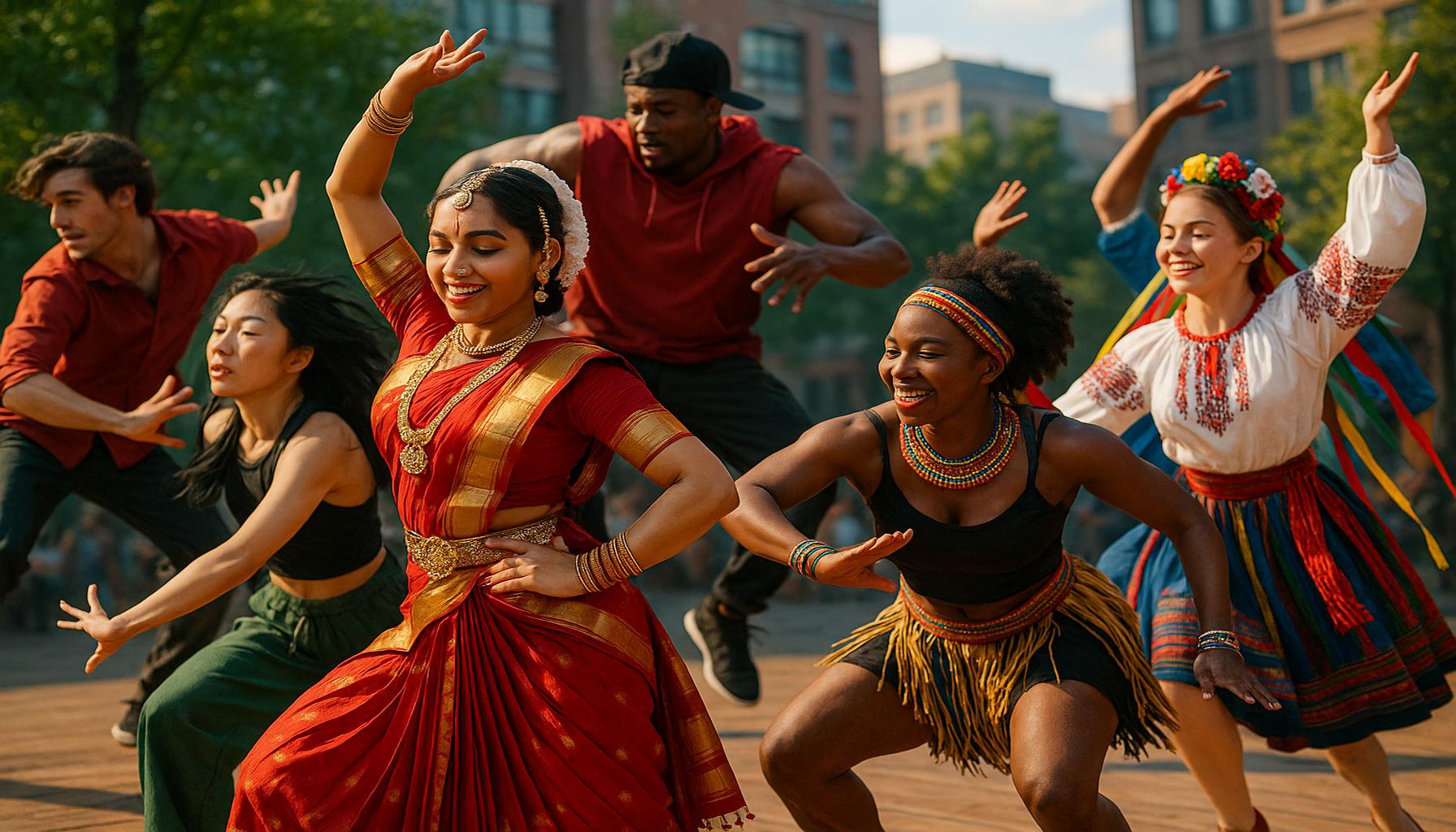
As we delve deeper into the topic of dance as a communication tool, it’s crucial to consider the cultural dimensions that strongly influence how movement is interpreted. Various cultures have unique dance forms attached to their histories, traditions, and emotional expressions, creating a rich lexicon through which they communicate. From the intricate footwork of Irish step dance to the expressive fluidity of traditional West African dances, each style tells a distinct story reflective of its community’s values and emotions.
Cultural symbolism is vital in understanding why certain movements resonate emotionally across different audiences. In many Indigenous cultures, for example, dance serves as a form of storytelling and spiritual connection. These performances often embody crucial narratives that celebrate creation, honor ancestors, or convey community struggles. Observers from outside these cultures may not immediately grasp the layers of meaning conveyed through the dance, yet the emotional gravity remains palpable. Such instances illustrate how dance, steeped in cultural practice, can serve as a bridge for understanding both specific and universal human experiences.
- Incorporating Tradition and Identity: Many dances serve as embodiments of cultural identity, allowing participants to express their heritage and past. For example, the Hula dance of Hawaii is not merely a performance but an expression of the culture’s myths, history, and connection to the land.
- Dance in Protest: Throughout history, dance has often served as a form of protest and solidarity. The choreography of the civil rights movement, particularly the dance performances of the Alvin Ailey American Dance Theater, exemplified the collective yearning for freedom through powerful movement.
- Festivals and Community Engagement: Cultural festivals often utilize dance to foster community engagement and celebration. Events like the New Orleans Mardi Gras showcase vibrant dance as a source of joy and cultural pride, promoting social cohesion.
Moreover, the rise of social media has further transformed how dance communicates across cultures and borders. Platforms like TikTok and Instagram have generated viral dance challenges that see participants interpreting traditional or invented choreographies, creating a global dialogue through movement. This phenomenon illustrates how localized dances can gain worldwide relevance, transcending linguistic and cultural boundaries. A simple dance challenge can invite thousands around the world to engage, thereby forming bonds that speak to both shared and individual experiences.
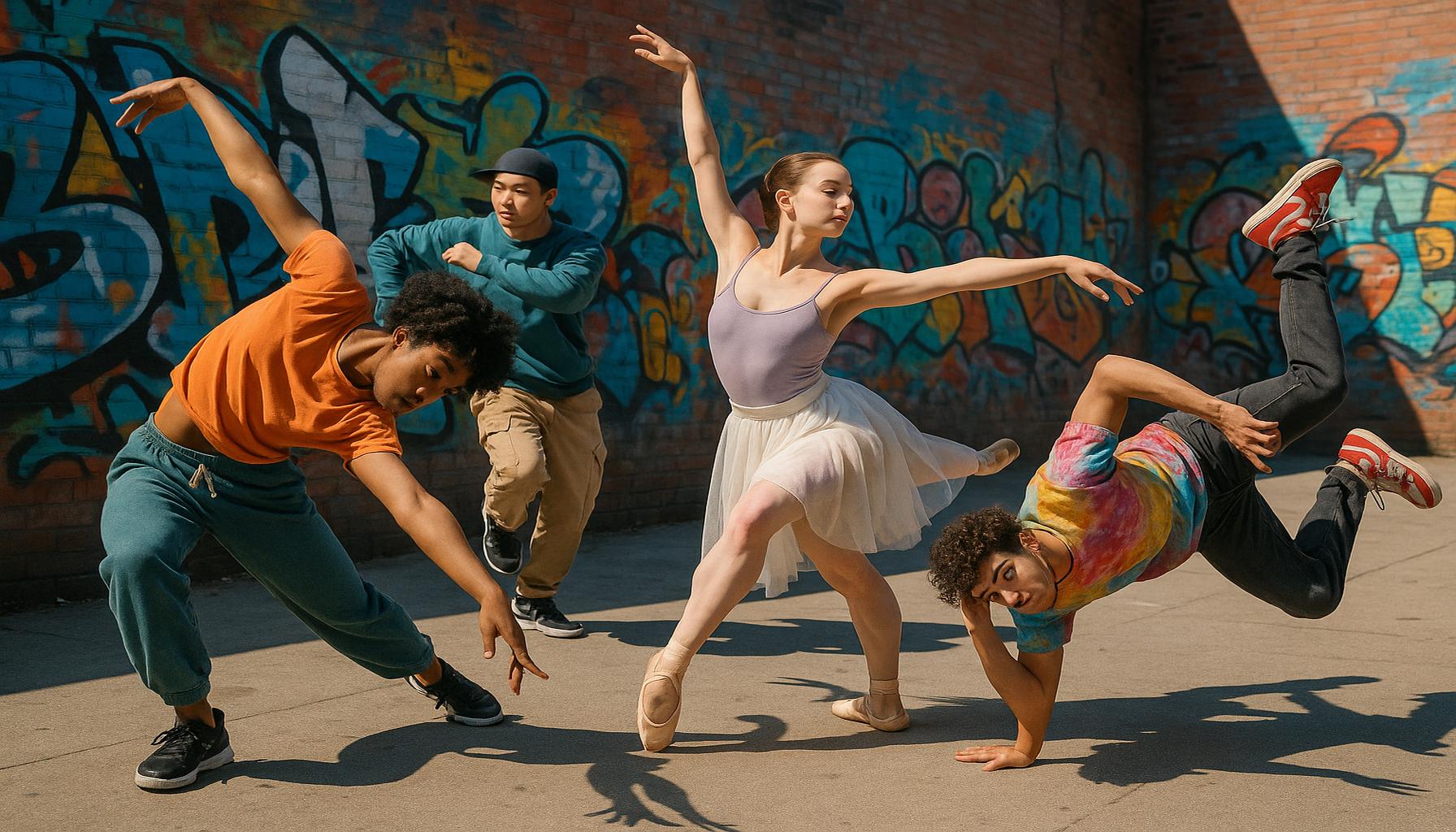
Intriguingly, the cross-cultural exchange in dance invites collaborations that enhance understanding and appreciation for diverse forms of expression. Projects like Dance Across Borders champion the blend of techniques and styles, creating a rich dialogue between different cultures. For example, ballet dancers collaborating with hip-hop artists expand the narrative potential of dance, showcasing how different movement forms can fuse to communicate complex ideas about identity, resilience, and social issues.
We must also acknowledge the growing recognition of dance as an educational tool. Many educational programs across the United States integrate dance to teach emotional literacy, using movement as a medium to convey feelings that students may find difficult to express verbally. Whether through structured classes or informal sessions, dance becomes a canvas for young people to explore their emotions and foster social connections through creative expression.
As we continue to unpack the multiple dimensions of dance as a communication tool, it becomes evident that its impact extends far beyond mere aesthetics. By bridging language, culture, and emotional expression, dance embarks on a powerful mission that resonates with individuals across the globe.
DISCOVER MORE: Click here to learn about AI in music composition
Conclusion: The Unspoken Language of Dance
In summary, dance as a communication tool transcends linguistic barriers, serving as a profound means of expression that resonates deeply within varied cultural contexts. The intricate choreography found in diverse dance forms acts as a powerful envoy, articulating stories, emotions, and histories that words often fail to encapsulate. Whether it’s the traditional dances that convey cultural heritage or contemporary movements that emerge as forms of protest, dance continues to evolve, reflecting the zeitgeist of societies worldwide.
Furthermore, the role of social media has revolutionized how these movements are shared and interpreted, inviting a global audience to engage in a shared dialogue that celebrates both individuality and community. As platforms like TikTok foster viral challenges, they demonstrate dance’s ability to bridge geographic and cultural divides, creating connections that transcend time and space. The fusion of varied styles through cross-cultural collaborations also showcases the limitless potential inherent in dance, inviting fresh narratives that challenge the status quo.
Finally, recognizing dance as an educational tool allows us to appreciate its function in nurturing emotional literacy among the younger generations. As we champion programs that utilize movement to foster self-expression, we can verify that dance holds the key to unlocking vital aspects of human experience. By embracing the myriad ways dance communicates without words, we invite further exploration into this captivating realm, urging us all to participate in the ongoing conversation about what it truly means to move and be moved.