Dance and Identity: Exploring the Role of Movement in Personal Self-Expression
The Power of Dance in Shaping Identity
Dance has long been recognized as a dynamic form of expression that goes beyond mere entertainment; it serves as a vital means of communication capable of conveying complex emotions and narratives that words often struggle to encapsulate. The art of movement has played a pivotal role throughout history, uniting individuals and communities in their shared experiences and cultural histories. In a world increasingly defined by diversity, the significance of dance as a reflection of personal and collective identity is more relevant than ever.
Consider the following key dimensions of dance as an avenue for identity exploration:
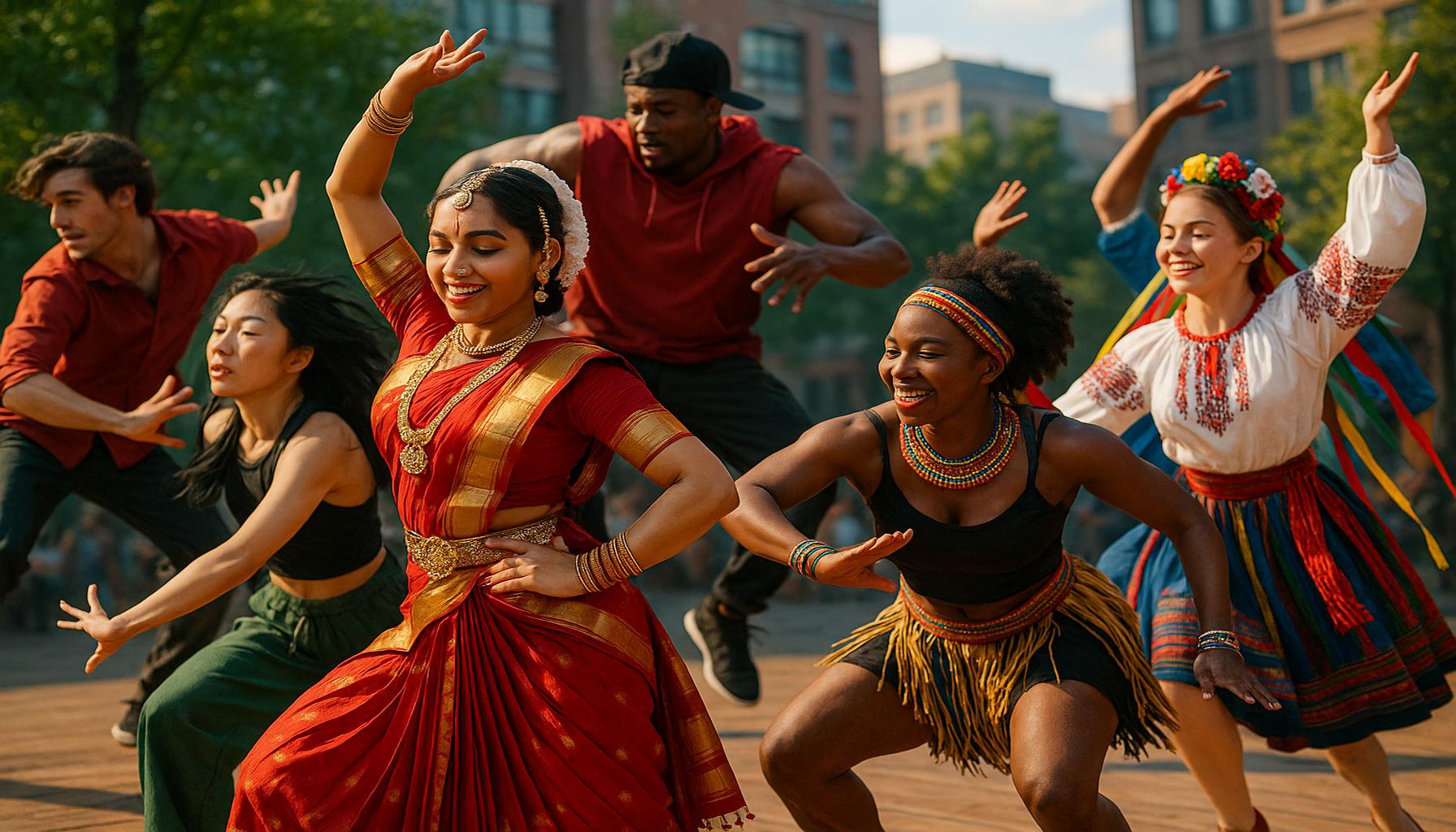
- Cultural Heritage: Across the globe, traditional dances embody the rich tapestry of customs, values, and histories unique to various societies. For instance, African tribal dances often celebrate vital life moments, incorporating rhythm and storytelling to convey shared cultural narratives. In the United States, forms like Irish step dance and Native American powwow dancing serve as living links to heritage, allowing practitioners to maintain connections with their ancestors and cultural roots.
- Personal Expression: The expressive nature of dance enables participants to articulate inner feelings and thoughts that might elude verbal expression. Contemporary dance, for instance, often allows individuals to convey their personal struggles, joys, and journeys through movement. Famous choreographers like Martha Graham utilized dance to explore themes of identity and anxiety, showcasing how personal stories can be powerfully communicated through physical expression.
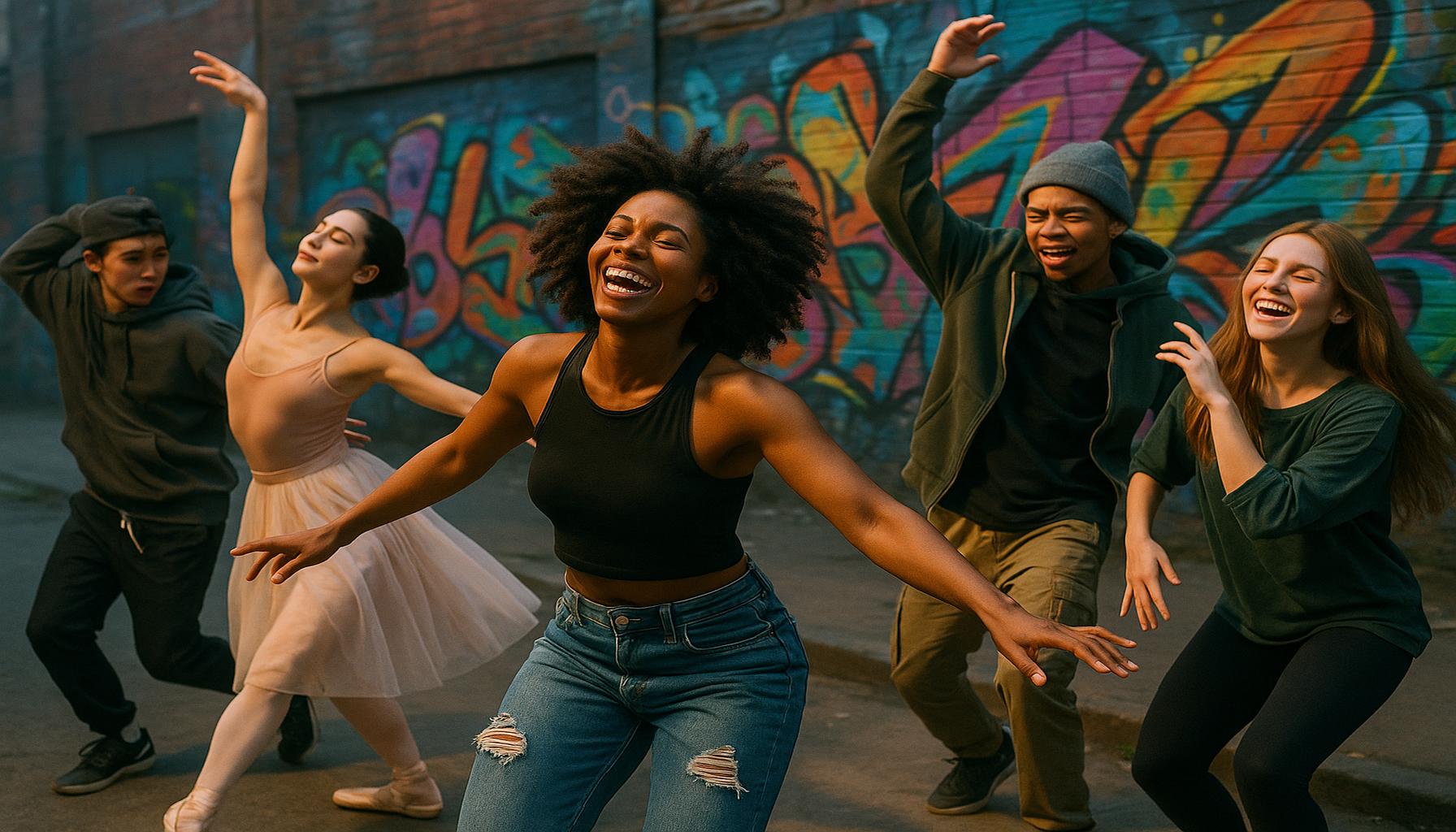
- Community Building: Group dances create a profound sense of belonging and solidarity among participants. Social dances, such as salsa and country line dancing, encourage interaction and connection, cultivating relationships that can span generations. Events like community dance nights not only entertain but also foster shared identity, uniting people from various backgrounds in celebration of their shared love for dance.
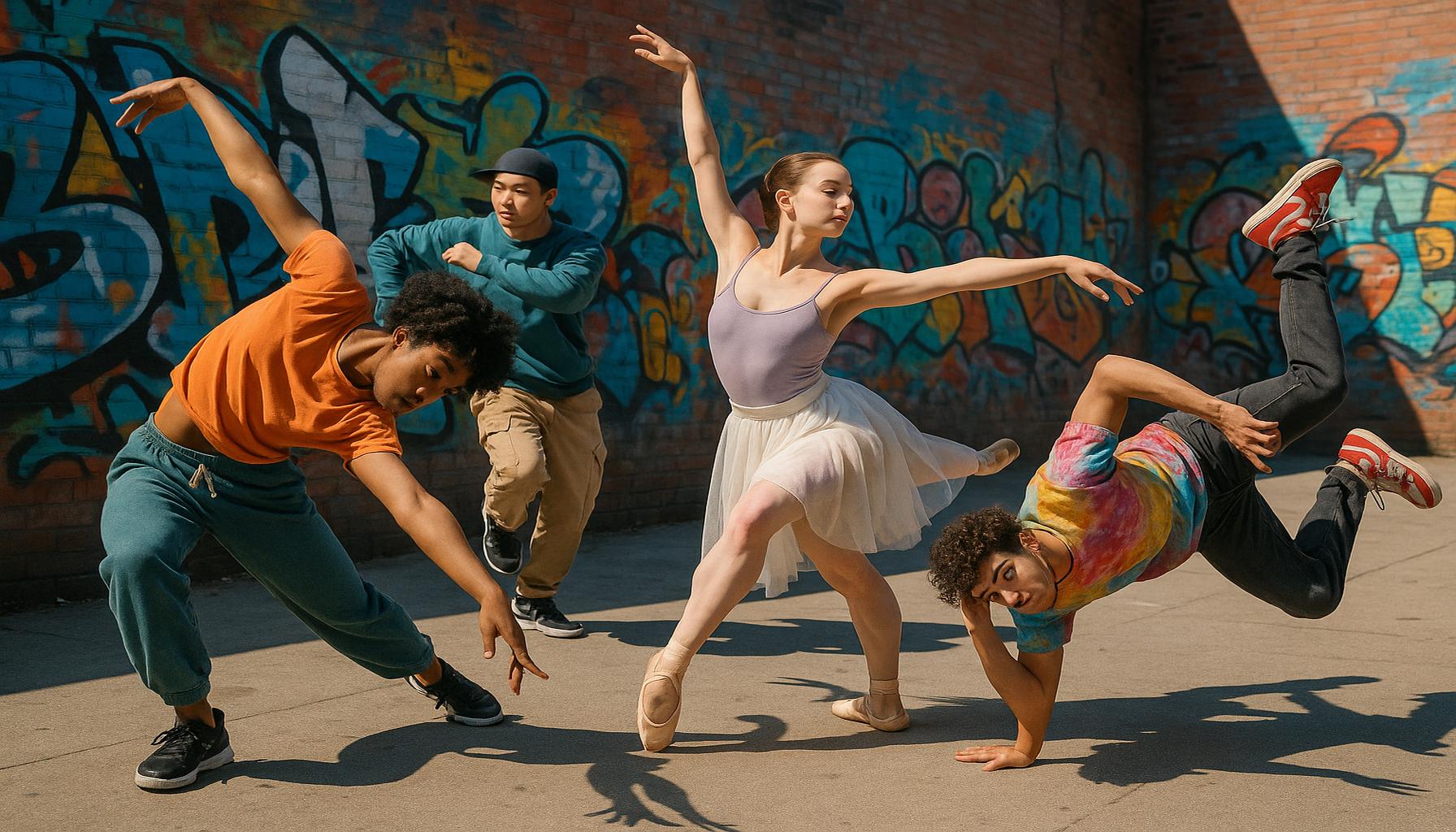
In the vibrant multicultural landscape of the United States, a wide array of dance styles—from hip-hop to ballet—invite individuals to examine and embrace their identities. Each dance form carries its own narrative, often serving as a reflection of the social and cultural contexts from which they emerge. For example, hip-hop dance, born from the streets, has become a powerful vehicle for voicing social issues and experiences of marginalized communities, allowing dancers to reclaim their narratives and assert their identities in a powerful manner.
As we delve deeper into the intricate relationship between dance and identity, it becomes evident that movement is not merely an art form but a transformative tool for personal empowerment. Understanding how dance interacts with our sense of self can provide profound insights into our lives and the communities we inhabit, fostering deeper connections with others. The exploration of personal narratives through movement opens doors to healing, unity, and self-discovery, revealing the boundless potential that lies within each individual’s story.
DIVE DEEPER: Click here to discover the cultural impact of traditional music
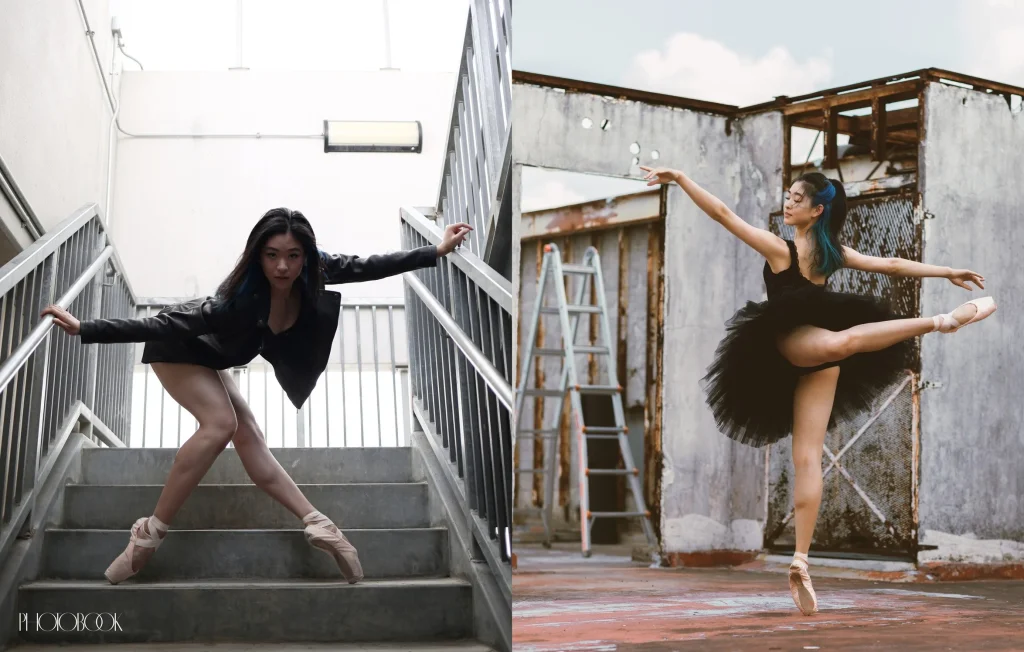
The Intersection of Dance and Cultural Identity
Understanding how dance influences identity requires a closer look at the interplay between movement and culture. Traditionally, dance is deeply embedded in the rituals, celebrations, and everyday lives of diverse groups. It not only entertains but also educates, instilling a sense of belonging within social structures. For many, traditional forms of dance represent a connection to ancestral heritage, reinforcing their sense of self amid modern societal changes.
Many cultural styles serve as living records of the past, reflecting the struggles, achievements, and values of communities. The resilience of these dance forms, whether it’s the flamenco of Spain, the Bharatanatyam of India, or the carnival dances of Brazil, nurtures a profound connection between the present and historical narratives. Engaging in these dances allows individuals to affirm their cultural identity while navigating the complexities of contemporary life.
- Expression of Cultural Narratives: Dance often captures the essence of a culture’s history. For example, Hawaiian hula tells stories of the islands’ past, connecting performers and audiences alike through shared narratives and traditions.
- Rituals and Celebrations: Dance serves as a vital element in various cultural ceremonies, from weddings to religious events. African and Caribbean dance, for instance, incorporates movements that celebrate life’s milestones, enhancing the emotional resonance of these occasions.
- Adaptive Evolution: Dance continually evolves as cultures intermingle. The fusion of styles, such as when hip-hop absorbs elements from traditional African dance, exemplifies how cultural exchange shapes new identities in urban settings.
In the United States, the blending of various cultural dance styles creates a rich, dynamic narrative that reflects the nation’s diversity. As immigrants bring their traditions, new forms emerge, enriching the American landscape. The evolution of street dance, particularly styles like breaking and popping, showcases how marginalized communities use movement to articulate identity and resist cultural erasure.
Moreover, the significance of dance in the LGBTQ+ community warrants attention as well. Dance clubs and gatherings provide a space for self-expression and acceptance, fostering identities that challenge societal norms. Notable events like Pride parades highlight how dance intersects with sexuality and personal freedom, allowing individuals to express their true selves in vibrant, joyful ways. Here, movement becomes both a means of celebration and an act of resistance, promoting visibility and unity within diverse identities.
As we explore these varied dimensions of dance, it becomes evident that movement is a powerful extension of identity—a conduit through which individuals articulate their history, culture, and personal experiences. This ongoing dialogue between the body and identity reveals profound layers of individual stories, enriching our understanding of who we are as people and as a collective society.
Dance as a Form of Communication
Dance transcends the limitations of verbal language, allowing individuals to communicate feelings and thoughts that might be difficult to articulate. This profound form of expression enables a connection to oneself and to others within the broader context of society. The movement becomes a vessel for sharing experiences, emotions, and identities. From the fluidity of contemporary dance to the structured forms of ballet, each style offers its own narrative tools, transforming physicality into expressive art that speaks volumes about personal and collective identity.In various cultures, dance serves as a significant ritualistic practice, illustrating how movement can influence societal views on identity and belonging. For instance, many indigenous tribes use dance as a method of honoring their ancestry, symbolizing pride in cultural roots and communal identity. The emphasis on traditional movements not only preserves heritage but also reinforces a sense of identity among participants.
The Therapeutic Aspects of Dance
Engaging in dance can also be an incredibly cathartic experience. Therapeutic dance practices have emerged, focusing on the psychological benefits of movement. Through dance, individuals can explore their identity, process emotions, and gain confidence. In therapeutic settings, participants learn to harness their bodies for self-expression, shifting the narrative from one of restraint to empowerment.Research in this field highlights how movement therapy effectively aids in addressing anxiety and depression. The act of dancing allows individuals to release pent-up emotions, ushering in a balanced emotional state and fostering a deeper understanding of self. As one learns to move through feelings, dance becomes an essential tool in the journey of self-discovery and personal identity exploration.
Community Engagement and Social Identity
Dance also plays a crucial role in community building and social identity. Participation in group dance forms fosters inclusivity, offering a sense of belonging. This communal aspect of dance encourages shared experiences, promoting empathy and understanding among diverse groups. Whether through traditional folk dances or modern social dancing, people come together, celebrate their differences, and reinforce commonalities.The impact of social dance extends beyond personal expression; it serves as a platform for activism. Movements using dance have gained traction, highlighting social issues and advocating for change. These public displays act as powerful statements that challenge societal norms, proving that dance is not only a reflection of individual identity but also a catalyst for cultural dialogue.Through examining these various facets of dance, we see how deeply intertwined it is with personal and social identity. As individuals and communities navigate the complex tapestry of movement, the role of dance continues to evolve, enriching our understanding of self-expression and identity.
DISCOVER MORE: Click here to learn about the power of improvisation in music
Dance as a Medium for Personal Expression and Empowerment
Beyond its cultural significance, dance serves as a crucial platform for individual self-expression and empowerment. It acts as an outlet for personal narratives, allowing individuals to communicate emotions and experiences that may be difficult to articulate through words. For many, dancing becomes a therapeutic practice, a way to process feelings of joy, grief, anger, and love, creating a powerful dialogue between the body and the self.
Consider the growing popularity of forms like contemporary dance, which often emphasizes the individual dancer’s voice. Through improvisation and self-choreography, dancers can explore raw emotions, expressing their unique stories through movement. This dance style invites performers to engage deeply with their inner thoughts and struggles, fundamentally reshaping their identity in the process. The fusion of physicality and emotion in contemporary dance creates an avenue for personal exploration, allowing participants to redefine their experiences through fluid and innovative movements.
- Dance Therapy: Increasingly recognized as a valuable therapeutic approach, dance therapy utilizes movement to enhance emotional and psychological well-being. Participants engage in dance as a way to confront trauma, improve self-esteem, and foster self-awareness. Research shows that such practices can lead to significant improvements in mental health, making dance a compelling tool for personal transformation.
- Social Media and Self-Expression: Platforms like TikTok and Instagram have redefined how individuals express themselves through dance. Users create short dance videos that showcase both traditional and modern styles, often remixing established choreographies to convey personal narratives. These platforms empower users to connect with wider audiences, challenging traditional notions of dance and identity while celebrating individual creativity.
- Freestyle Dance and Individuality: Styles like breaking and freestyle dance, often performed in urban settings, emphasize the dancer’s individual flair. The spontaneity of freestyle encourages dancers to rely on their instincts, further cultivating a unique personal style that reflects their identity. In this way, dance becomes a manifestation of one’s life experiences, societal influences, and personal aspirations.
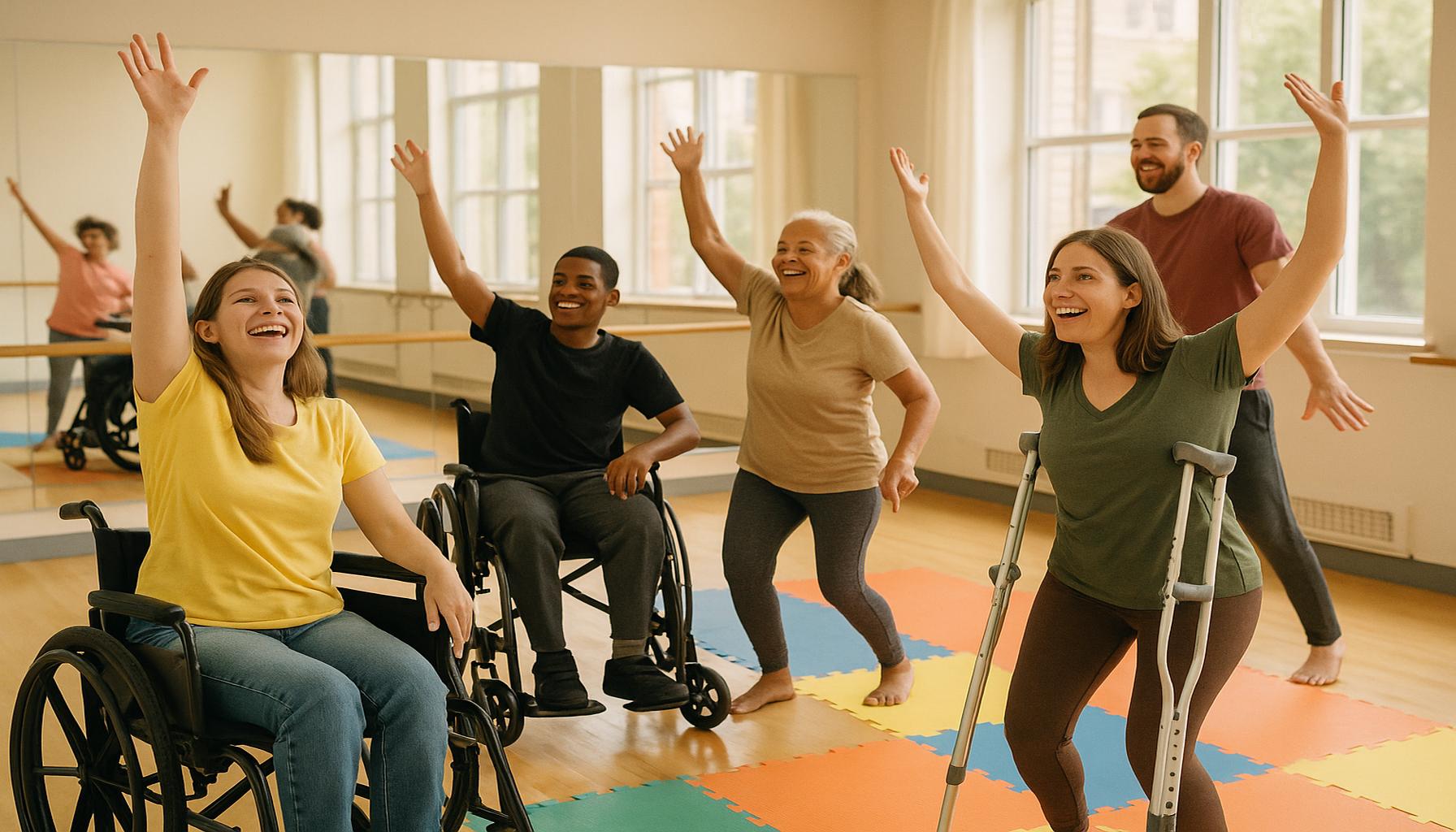
Moreover, the role of dance in promoting body positivity and inclusivity underscores its importance in personal identity formation. Movements within the dance community advocate for representation across all body types, encouraging singers, dancers, and choreographers to challenge conventional beauty standards. This push for diversity allows individuals to embrace their bodies and celebrate their uniqueness, fostering a positive self-image and helping to dismantle societal pressures.
Dance in popular culture also contributes significantly to the ongoing dialogue around identity. Celebrated television shows like “So You Think You Can Dance” and “Dancing with the Stars” amplify the narratives of diverse dancers from different backgrounds, showcasing how movement can resonate with audiences on a personal level. These platforms often highlight stories of struggle and triumph, illustrating how dance serves not only as entertainment but as an avenue for broader conversations about identity and recognition in society.
As artists continue to push the boundaries of dance, exploring its capabilities as a form of personal expression, the intimate relationship between movement and identity becomes more apparent. Each dance tells a story, weaving together threads of emotion, history, and personal experience, ultimately enriching the larger tapestry of individual identity in the process.
DISCOVER MORE: Click here to uncover the magic of crafting with nature
Conclusion: The Dance of Identity
In conclusion, the intricate relationship between dance and identity underscores the transformative power of movement as a medium for personal self-expression. As we have explored, dance transcends mere entertainment; it is a vital practice that individuals use to articulate their emotions, tell their stories, and reclaim their narratives. Through various styles, whether it be the improvisational freedom of contemporary dance, the therapeutic principles of dance therapy, or the vibrant self-expression found on social media platforms, movement allows for the exploration of identity in all its facets.
The cultivation of individuality and body positivity within the dance community proves essential in dismantling societal constraints and celebrating personal uniqueness. Equally, the visibility provided by mainstream platforms initiates impactful conversations surrounding diversity and acceptance. These representations not only amplify marginalized voices, but they also enhance the cultural tapestry that defines who we are as individuals and as a society.
As dance continues to evolve, it remains a powerful tool for empowerment, enabling people to navigate their identities amidst cultural complexities. By embracing the art of movement, individuals are invited to reflect on their experiences, evoke emotional truths, and connect with others. Ultimately, the dance of identity is an ongoing journey, one that fosters connection, understanding, and resilience in each of us.
For those seeking to better understand their personal identity or to explore the richness of self-expression through movement, the world of dance awaits, filled with infinite possibilities. Whether joining a class, sharing on social media, or simply dancing in one’s living room, the invitation to express oneself is always present.