Creating Memorable Characters: The Impact of Protagonists and Antagonists in Written Adventures
Understanding Characters in Storytelling
In the vast world of storytelling, characters serve as the heartbeat of any narrative. They not only drive the plot but also evoke emotions, inviting readers to embark on unforgettable journeys. Among these characters, the roles of protagonists and antagonists stand out as pivotal forces that shape the story’s dynamics.
Memorable characters often possess certain defining features that captivate audiences:
- Relatability: Characters that reflect real human struggles resonate with readers. For example, in John Green’s “The Fault in Our Stars,” the protagonists Hazel and Gus confront their health struggles, making their experiences, fears, and dreams relatable to many.
- Complexity: Multi-dimensional traits add depth to their personalities. Think of Walter White from “Breaking Bad,” whose transformation from a mild-mannered chemistry teacher to a ruthless drug lord showcases the complexity of human nature and morality.
- Growth: A transformative arc often makes a character unforgettable. In “Pride and Prejudice,” Elizabeth Bennet’s character development leads her to reevaluate her judgments, embodying the theme of personal growth and self-discovery.
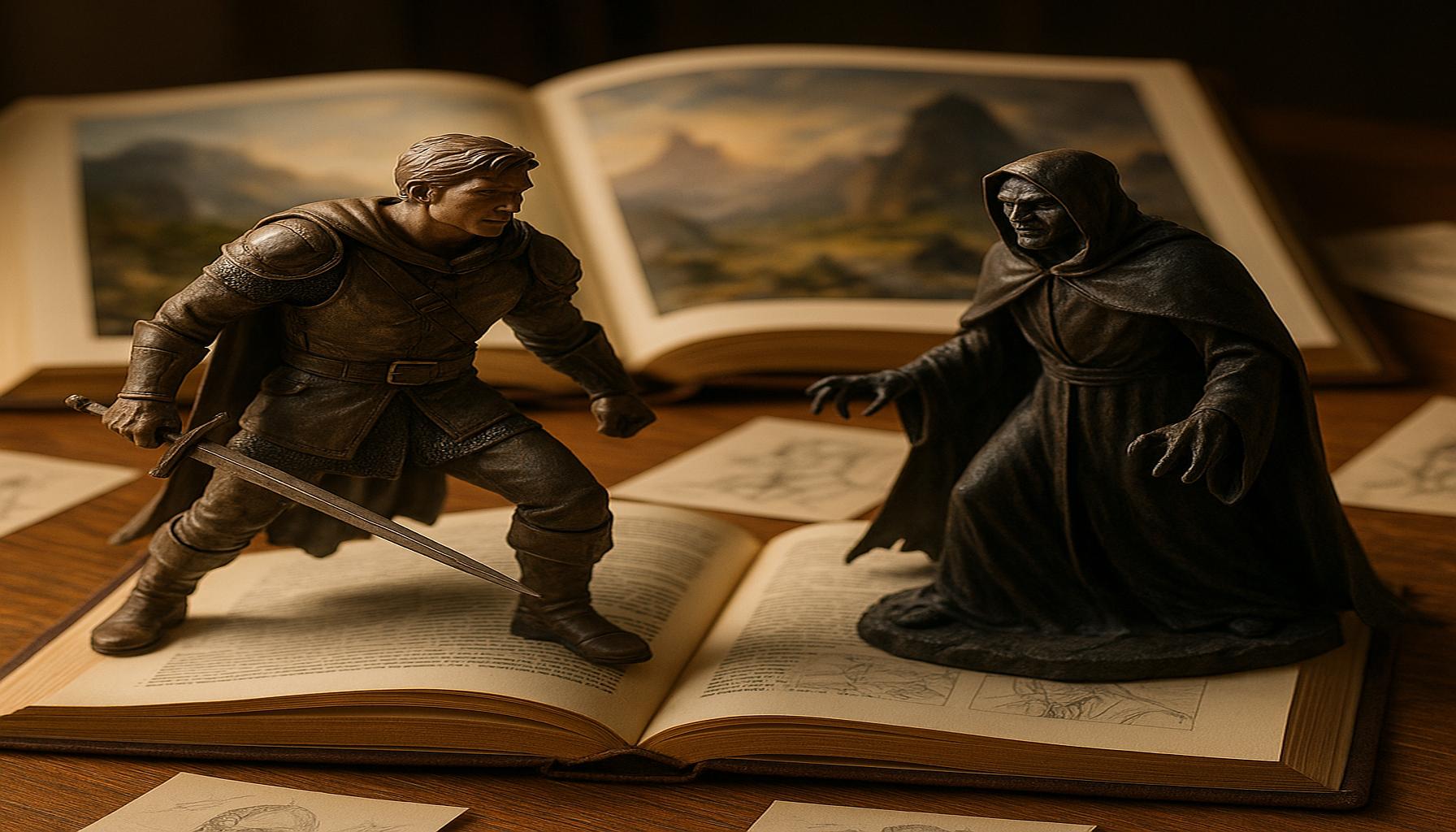
Protagonists lead the charge, often embodying the values and desires that readers root for. Their quests and challenges mirror the struggles we face in our own lives, making their journeys compelling. Conversely, antagonists pose compelling challenges, forcing protagonists to confront their flaws and dilemmas. This intricate interplay creates tension that propels the narrative forward.
Consider iconic pairings such as:
- Harry Potter and Voldemort from J.K. Rowling’s beloved series. Voldemort’s embodiment of evil contrasts sharply with Harry’s bravery, setting up a classic battle between good and evil.
- Elizabeth Bennet and Mr. Darcy from Jane Austen’s timeless classic. Their initial misunderstandings evolve into a more profound awareness of love, shaping their interaction and growth.
- Katniss Everdeen and President Snow in Suzanne Collins’ dystopian saga. Katniss represents resistance and resilience, while Snow’s oppressive regime challenges her at every turn, highlighting themes of power and rebellion.
Through these examples, it becomes clear that the impact of protagonists and antagonists transcends mere conflict. They enrich the storytelling experience and leave lasting impressions on the audience. In our rapidly evolving world, stories help us understand complex societal issues. The characters we connect with often embody larger themes such as justice, love, sacrifice, and redemption, prompting us to reflect on our own values and beliefs.
As we delve deeper into the art of character creation, it becomes evident that protagonists and antagonists are not just mere roles within a narrative; they are essential components that drive the heart of storytelling. They invite readers to explore moral complexities, engage in personal introspection, and ultimately discover new facets of the human experience.
DISCOVER MORE: Click here to dive deeper
Protagonists: The Beacons of Empathy and Connection
At the heart of every engaging story lies the protagonist, a character whose journey often embodies the reader’s own aspirations, fears, and dreams. They serve as a beacon of empathy, allowing audiences to connect with their struggles and victories intimately. Protagonists are crafted not merely as heroes but as relatable individuals navigating complex realities. To understand their significance, one must explore the elements that contribute to a protagonist’s memorability and effectiveness in storytelling.
One key feature is to create a protagonist who faces societal challenges reflecting real-life experiences. For instance, in the popular novel “The Hate U Give” by Angie Thomas, Starr Carter grapples with identity and race while navigating a tragic situation that resonates with many in contemporary America. This connection between readers and protagonists deepens one’s emotional investment in the narrative.
Character Goals: A well-defined goal can drive a protagonist’s arc, making them more compelling. Audiences often cheer on protagonists whose desires mirror their own. Examples include Katniss Everdeen’s fight for survival in “The Hunger Games” and Elizabeth Bennet’s desire for personal growth in “Pride and Prejudice.” Their journey not only entertains but also inspires readers to reflect on their own ambitions.
Antagonists: The Catalysts for Conflict and Growth
While protagonists draw readers in, antagonists play a crucial role in shaping their journeys. Often misunderstood, antagonists are more than mere villains; they are essential characters that provide the necessary opposition to challenge and develop the protagonist. Their presence creates a dynamic tension that propels the plot forward, allowing for the exploration of deeper themes.
A compelling antagonist often possesses a depth that invites readers to understand their motives, even if they disagree with their actions. Think of the fierce dedication of President Snow in “The Hunger Games,” whose tyrannical grip on society showcases the darker facets of power and control. This complexity allows audiences to engage in a nuanced conversation about morality, authority, and justice.
Character Motivation: The most impactful antagonists often have clear motivations that justify their opposition. This can humanize them in the readers’ eyes. For instance, in “Harry Potter,” Lord Voldemort’s quest for immortality and power stems from profound personal trauma and a desire for acceptance. This backstory enriches the narrative, propelling both Harry’s and Voldemort’s character arcs to new emotional heights.
Ultimately, the interplay between protagonists and antagonists creates a fertile ground for storytelling, elevating the narrative beyond simple conflict. Their relationships encapsulate the themes of love, hate, struggle, and resolution, transforming mere characters into symbols of broader human experiences. As we explore the intricacies of character development, it becomes evident that both protagonists and antagonists are essential in creating stories that resonate and linger in the minds of readers long after the final page is turned.
| Character Types | Importance |
|---|---|
| Protagonists | They are the central figures that reflect the key theme of the narrative, allowing readers to connect and empathize. |
| Antagonists | They add depth to the story, creating conflict and tension that propel the plot forward. |
The interplay between protagonists and antagonists is essential in crafting written adventures. Protagonists serve as the driving force, allowing audiences to rally behind their journeys, understanding their struggles, and celebrating their victories. They embody the values and desires that resonate with readers, making their journeys relatable and rewarding. On the other hand, antagonists embody the challenges that protagonists must overcome. These characters are not just obstacles but rather reflect the world’s complexities, often showcasing shades of morality that lead to rich storytelling. A well-developed antagonist can evoke sympathy, showcasing the importance of duality in characters. The tension between these character types fuels narrative momentum and ensures that themes are thoroughly explored. Each confrontation adds layers to the story, pushing readers to reflect on the motivations and backstories that shape both heroes and villains. As a result, the crafting of these characters becomes an art that significantly influences the engagement and impact of the story. In exploring this dynamic, writers can draw inspiration from historical figures, cultural lore, and even contemporary events, enhancing the relatability and significance of their stories. Understanding the balance between protagonists and antagonists not only enriches character development but elevates the entire narrative experience.
DISCOVER MORE: Click here to dive deeper into improvisation techniques
The Synergy of Protagonists and Antagonists: Crafting Compelling Narratives
In the realm of storytelling, the relationship between protagonists and antagonists is not merely a backdrop for conflict but a central feature that drives narrative depth. The intricate dance between these characters fosters not only tension but also the growth and transformation vital for a memorable story. Understanding how this synergy unfolds can illuminate the technique of creating engaging narratives that captivate readers.
Character Dynamics: One of the most intriguing aspects of memorable characters lies in their dynamics. A protagonist’s development is often contingent on the challenges posed by their antagonist. For example, in “A Game of Thrones” by George R.R. Martin, the complex interactions between characters like Jon Snow and Cersei Lannister illustrate how opposition can provoke growth. Jon’s moral compass is continuously tested by Cersei’s ruthless ambition, making readers question not only his character but also the world around him. This interplay accentuates the realism of characters—no one exists in a vacuum, and their journeys are shaped by those around them.
Complexity in Relationships: Furthermore, antagonists can often mirror traits of protagonists, creating a compelling duality within the narrative. A classic example of this is seen in the relationship between Sherlock Holmes and Professor Moriarty in Arthur Conan Doyle’s stories. Moriarty’s genius parallels Holmes’s, leading to a fascinating relationship that transcends mere good versus evil. The tension derived from their similarities emphasizes the idea that brilliance can be as destructive as it is constructive. Through such complexity, readers gain a more profound understanding of both characters, enhancing their connection to the story.
- Dual Protagonists and Antagonists: In multiple narratives, authors explore the idea of dual protagonists or antagonists, allowing for a richer narrative tapestry. Take “The Fault in Our Stars” by John Green, where the internal antagonists—illness and fear—challenge Hazel Grace Lancaster, mirroring her emotional struggles. This multi-dimensional representation underscores that not all conflicts are external, inviting readers to engage with characters on a more profound level.
- Redemption Arcs: Another compelling aspect of antagonist development is the potential for redemption. Characters like Severus Snape in the “Harry Potter” series illustrate that even those who oppose protagonists may contain layers of complexity that deserve exploration. Snape’s backstory enhances the emotional weight of his character, creating moments of sympathy and understanding that resonate with readers, affecting their perception of traditional good and evil dichotomies.
The interdependence of protagonists and antagonists serves as a foundation for some of literature’s most celebrated tales. Their contrasting yet complementary natures propel narrative tension, allowing for profound moments of introspection and revelation. When writers cultivate this essential relationship, they foster not just character development but also the broader themes that reflect human experiences. Characters become vessels through which readers can explore their own moral quandaries, aspirations, and failures.
As writers carefully weave these intricate relationships and motivations, they enhance the overall impact of their narrative. By providing readers with multifaceted characters that challenge and empathize, stories gain an indelible richness that captivates audiences, leaving a lasting imprint on their hearts and minds.
DISCOVER MORE: Click here to enhance your projects
Conclusion: The Lasting Legacy of Dynamic Characters
In the world of storytelling, the crafting of memorable characters hinges on the intricate interplay between protagonists and antagonists. As we have explored, these characters do not merely exist to propel the plot; they create an echo of the complexities inherent in human nature. By understanding the ways in which character dynamics, complexity in relationships, and dualities shape narratives, writers can better engage their readers, inviting them into a deeper exploration of themes that resonate on a personal level.
The synergy of opposing forces—whether through moral dilemmas, emotional turmoil, or the exploration of redemption—provides the scaffolding upon which memorable stories are built. The relationships between characters like Sherlock Holmes and Moriarty, or Jon Snow and Cersei Lannister, exemplify how these interactions lead to rich character development and a narrative that challenges readers to ponder their own values and beliefs. In this light, both protagonists and antagonists become essential to creating a story that not only entertains but also enriches the reader’s understanding of themselves and their world.
Ultimately, when writers consider the profound implications of their character choices, they not only enhance the storytelling experience but also contribute to a broader tapestry of literature that speaks to the human condition. As readers connect with characters that embody conflict, growth, and complexity, they embark on unforgettable adventures that linger long after the pages are turned, making the importance of crafting compelling protagonists and antagonists undeniably clear.