Crafting with Nature: Using Natural Elements to Create Unique Art Pieces
Embracing Nature in Art
In a world increasingly dominated by technology, crafting with natural elements offers a refreshing pathway to creativity. By integrating items from the great outdoors, artists can infuse their works with a unique touch that resonates deeply with viewers. From leaves to stones, nature provides endless inspiration that goes beyond mere aesthetics. It invites a dialogue between the artist, the material, and the audience, making each piece not just a visual experience, but a sensory one.
Why Choose Natural Materials?
Using natural elements not only enhances the aesthetic of artwork but also promotes environmental awareness, highlighting the importance of sustainable practices in art. There are several compelling reasons to explore this creative avenue:
- Sustainability: Many natural materials are biodegradable and renewable, with artists increasingly opting for locally sourced items. This practice not only reduces waste but also minimizes the carbon footprint associated with transporting materials from distant places.
- Texture and Variety: Nature offers a vast palette of textures, colors, and forms. Each piece tells its own story, whether it’s the gnarled surface of driftwood or the soft sheen of a sunflower petal, making art pieces rich in detail and character.
- Connection to Nature: Creating with natural elements fosters a deeper connection to the environment. Artists often report a sense of mindfulness and peace while working with organic materials, which can transform the creative process into a form of meditation.
Popular Natural Elements for Art
Artists across the United States are embracing a variety of natural materials to create captivating art that dazzles and inspires. Here are some popular choices:
- Wood: Whether it’s reclaimed wood from old barns or branches found during hikes, wood adds rustic charm that reflects the beauty of the outdoors. Artists like Andy Goldsworthy utilize natural wood in their installations, creating ephemeral artwork that highlights the transience of nature.
- Plants: Dried flowers and leaves not only make beautiful natural decor but also serve as great mediums for pressing and photography. Artists such as Lucie Beck create stunning pressed floral compositions that evoke nostalgia and appreciation for seasonal changes.
- Stones: Painted pebbles and river rocks have become popular in garden art. They can be transformed into whimsical characters or uplifting messages, encouraging personal expression while adding a playful touch to outdoor spaces.
This exploration of crafting with nature opens the door to not just artistic expression but also a renewed respect for the materials that surround us. As more artists and crafters lean into the beauty and diversity of natural elements, the artistic landscape becomes a reflection of our relationship with the environment. Dive into the world of natural art pieces and discover the unique creativity waiting to unfold, providing inspiration and a deeper understanding of the natural world’s offerings.
DISCOVER MORE: Click here to learn how to create meaningful gifts for charity
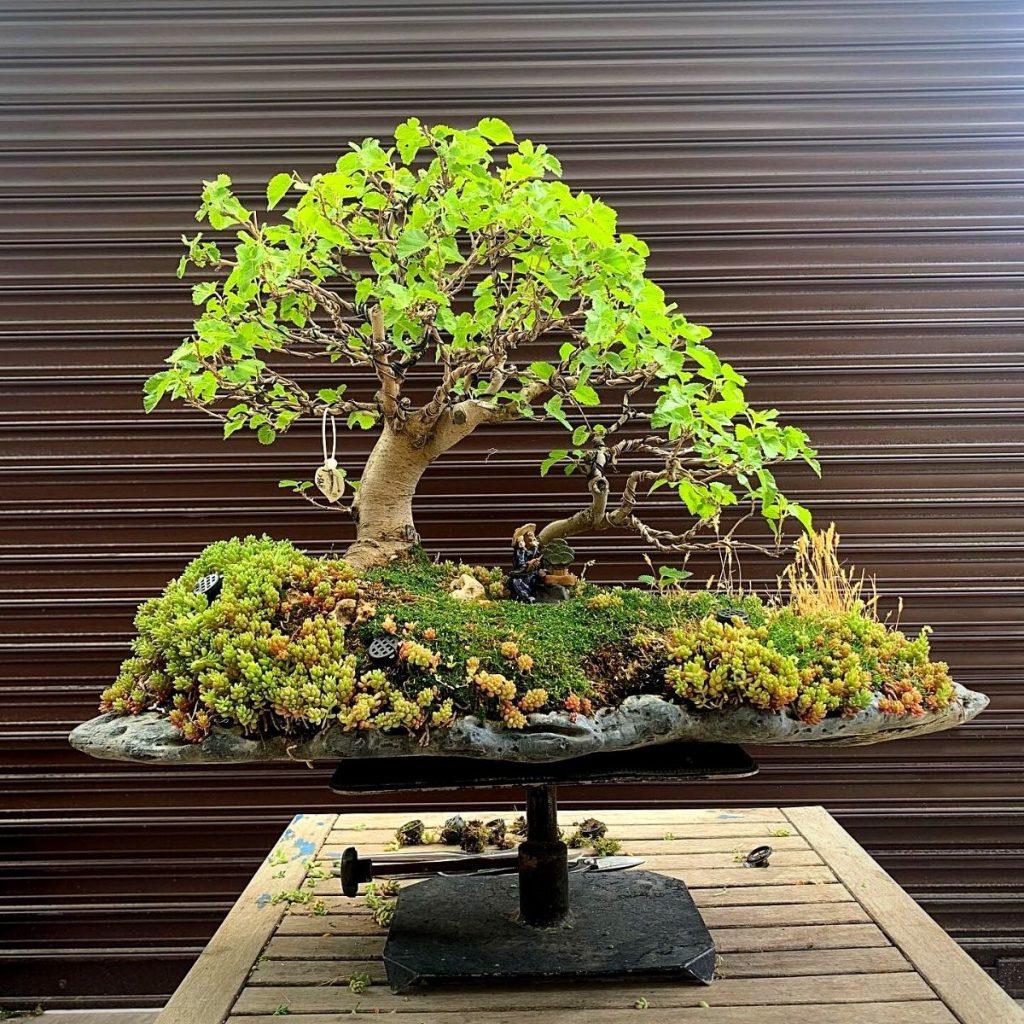
Exploring Techniques for Natural Crafting
To unlock the full potential of crafting with natural elements, artists can employ various techniques that not only enhance their creativity but also amplify the unique characteristics inherent in each material. These techniques vary widely based on the natural elements being used, but they all share a common goal: to celebrate the beauty of nature while producing art that resonates with authenticity and originality.
Techniques to Create Stunning Natural Art
Here are some innovative techniques that artists can utilize when working with natural materials:
- Weaving: Incorporating natural fibers like grasses, twigs, or even vines can create beautiful weavings that not only serve as art but can also embody functional yet artistic pieces. For instance, traditional basket weaving is enjoying a renaissance among modern crafters who appreciate both its aesthetic appeal and practical aspect.
- Natural Dyes: Utilizing plant-based dyes drawn from flowers, bark, or leaves enhances the vibrancy of fabrics or papers while maintaining an eco-friendly approach. Artists can experiment with dyeing cotton or wool to create garments or tapestries that are as unique as the flora they represent, each color reflecting the essence of the plant it originated from.
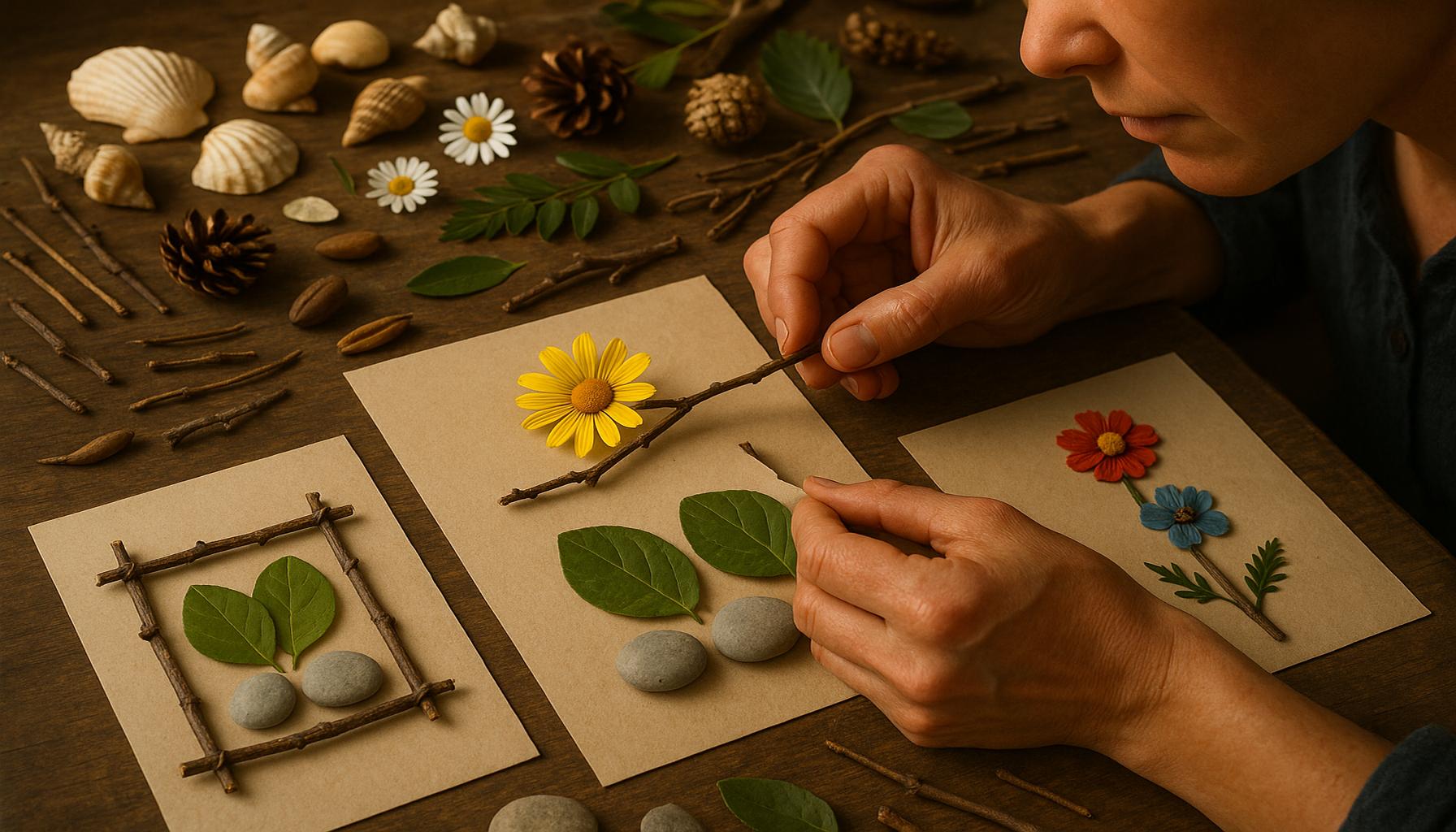
- Assemblage: This technique involves assembling different natural elements, such as stones, shells, or driftwood, into a cohesive and striking piece. Artists like Rachel Denny explore the juxtaposition of organic materials with crafted components, creating dimensional artworks that challenge our perception of how nature interacts with human creativity.
As artists experiment with these techniques, they often find that the process itself can inspire new ideas and directions for their work. The unpredictability of natural materials can lead to unexpected results that are both enriching and satisfying. This exploration is not just about crafting visually appealing pieces; it is about forming a bond with the materials, revealing the intricacies and idiosyncrasies that define nature.
Finding Inspiration in Natural Settings
Artists frequently seek inspiration from their surroundings, and for those who utilize natural elements, visits to parks, gardens, forests, and beaches can provide a wealth of ideas. Nature is not just a backdrop for the creative process but a vital participant in it. Observing how light, weather, and seasons alter the landscape can motivate artists to capture the essence of these transitions in their work.
For instance, the vibrant colors of a fall forest can inspire a series of pieces that reflect the changing hues of leaves. Alternatively, observing the geometric patterns in sand dunes or the contours of rugged stone formations can lead to a more abstract interpretation of ecological moments. This connection to the environment fosters an appreciation that extends beyond aesthetics, encouraging artists to engage with their surroundings in a more profound way.
Whether through hands-on experimentation with materials or by soaking up the beauty of the landscape, crafting with nature can lead to a fulfilling and transformative artistic journey. By embracing the challenges and joys of incorporating natural elements, artists not only create unique pieces but also help to raise awareness about the importance of preserving our precious ecosystems.
| Advantages | Unique Features |
|---|---|
| Environmentally Friendly | Using natural materials reduces environmental impact while promoting sustainability in art. |
| Enhanced Creativity | Natural elements inspire unique designs, pushing artists to explore innovative techniques. |
As creators increasingly turn to the outdoors for inspiration, the appeal of “Crafting with Nature” has never been more pronounced. Integrating natural materials like wood, leaves, and stones into art pieces not only creates a stunning visual aesthetic but also emphasizes eco-consciousness. The growing emphasis on environmental sustainability is prompting artists to rethink their material choices, leaning towards biodegradable options that align with the principles of green living.Moreover, the act of crafting with natural elements often leads to the discovery of new artistic techniques. Artists may find that the unique textures and forms of natural materials encourage experimentation. For instance, the intricate patterns of bark or the varied hues of dried flowers can transform a simple project into an extraordinary masterpiece. As you delve deeper into the world of natural art, you’ll uncover the myriad possibilities that lie within the elements around you. Embrace this artistic journey and let your creativity flourish with nature’s treasures.
LEARN MORE: Click here to discover how you can make a difference
Integrating Sustainability in Natural Crafting
As the conversation about environmental sustainability intensifies, many artists in the realm of crafting with natural elements are finding ways to marry creativity with eco-consciousness. By prioritizing sustainable practices, creators not only enhance the artistic integrity of their work but also contribute to environmental stewardship. Incorporating materials that are renewable, recyclable, or biodegradable can elevate the value and appeal of art pieces while minimizing environmental impact.
Utilizing Reclaimed and Found Materials
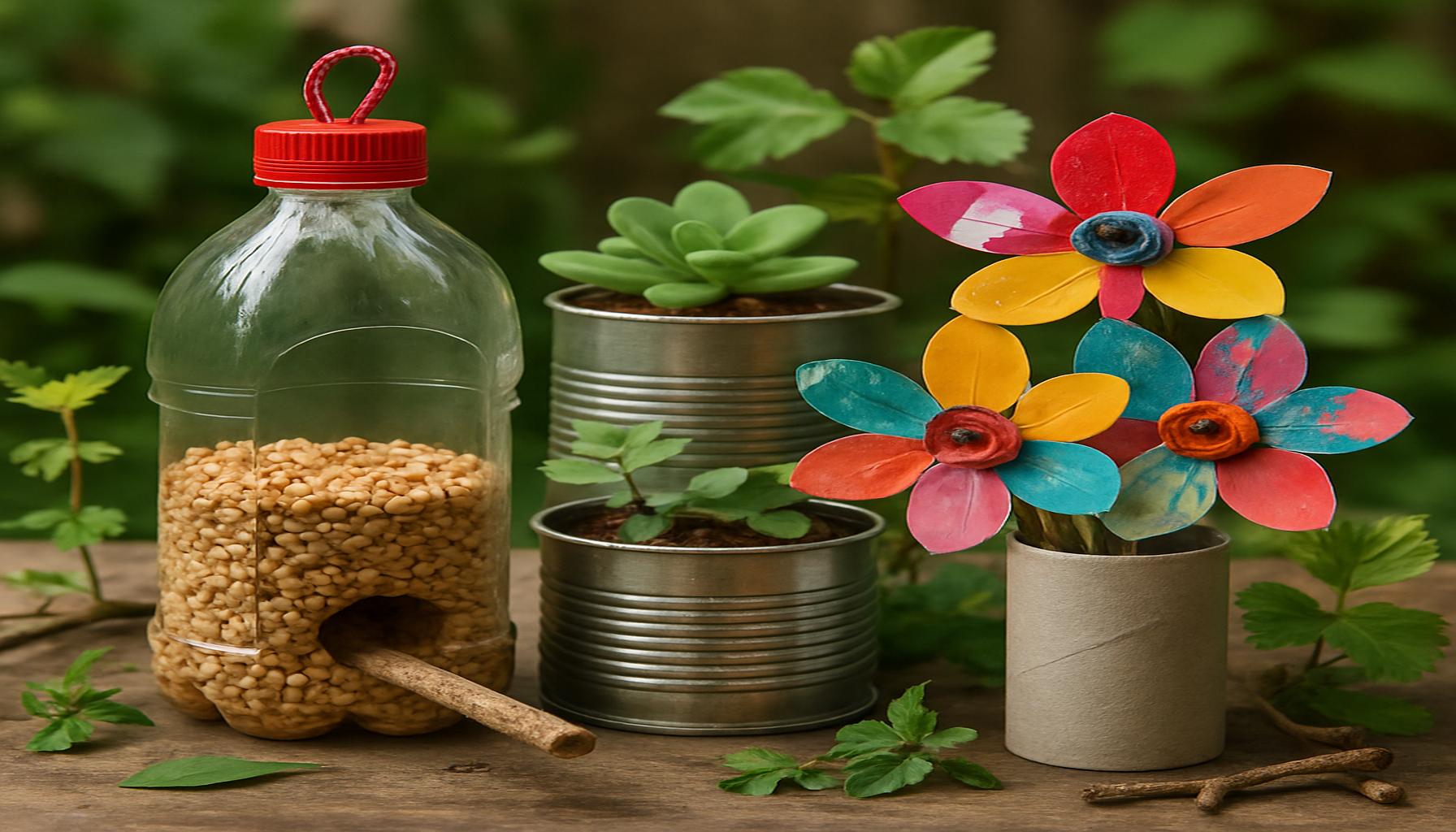
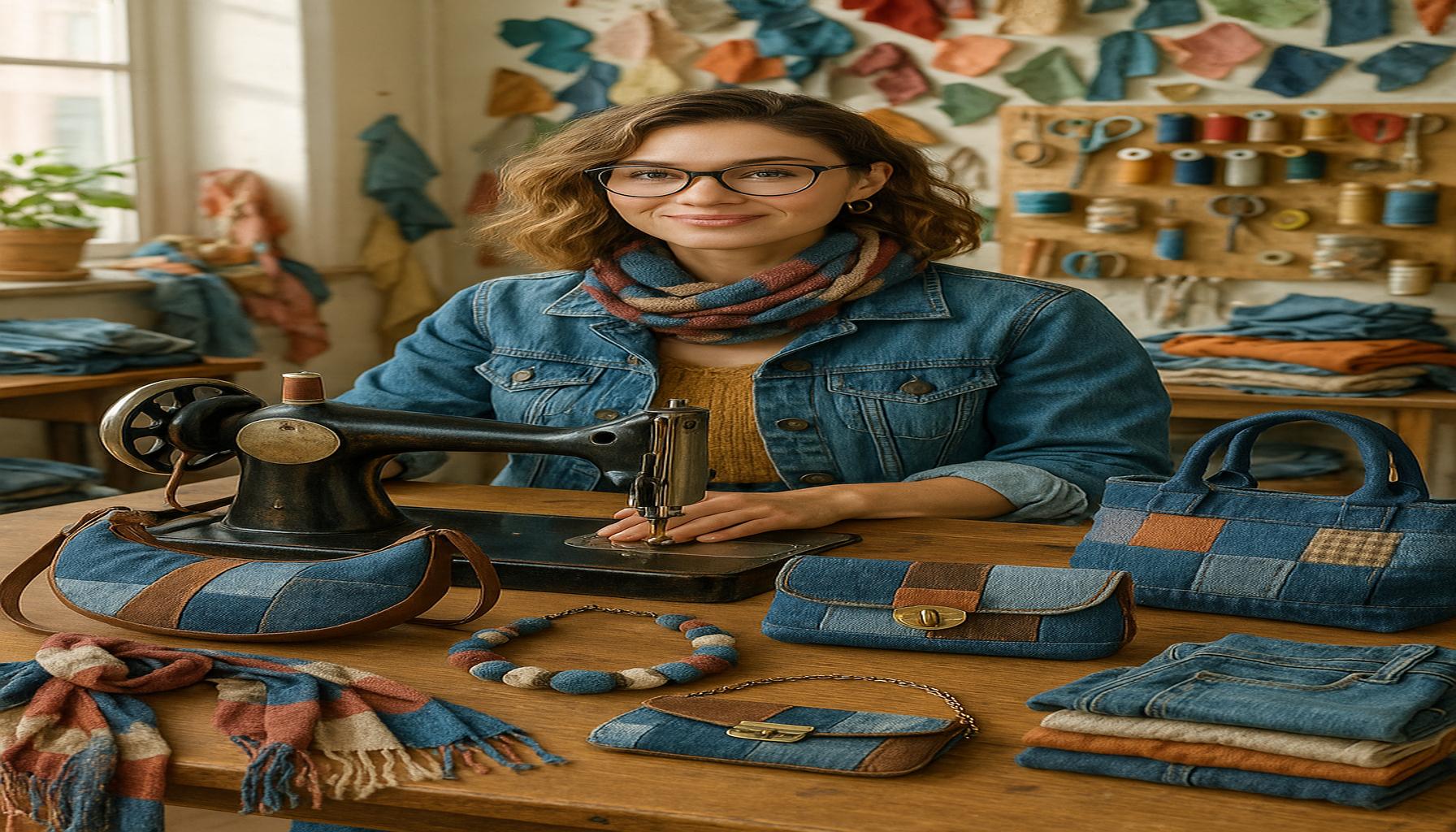
One of the most innovative approaches to sustainable crafting is the use of reclaimed materials. Artists are increasingly turning to items such as old wood, discarded textiles, and even rusted metals to create new works of art. This practice not only lends a unique character to each piece but also encourages a dialogue about waste and resource conservation. For example, artist Tim McFadden crafts intricate sculptures from abandoned wood scraps, showcasing the beauty of imperfection and the history embedded in each piece.
In addition to reclaimed items, found materials—like twigs, stones, and feathers—can evoke the raw essence of nature. By repurposing these elements, artists contribute to reducing waste while allowing the inherent beauty of the materials to shine through. For instance, utilizing an assortment of river stones to create an outdoor mosaic installation not only reflects the environment from which the stones were sourced but also tells a story of nature’s artistry.
Embracing Seasonal Changes for Art Creation
Another compelling method to enhance the authenticity of art created from natural elements is through the embrace of seasonal changes. Different times of the year offer a treasure trove of unique materials—from vibrant wildflowers in spring to richly colored leaves in autumn. By aligning their artistic practices with the seasons, artists can create pieces that resonate not only visually but also emotionally with their audience.
Seasonal crafting can manifest in various forms, such as creating floral crowns in spring, using fallen leaves for pressing, or fashioning winter scenes through snow-dusted branches. Artists like Lisa Glover transform beach-combed treasures into stunning installations that reflect the transient beauty of summer shores. The impermanence of these materials symbolizes the fleeting nature of time and evokes a sense of nostalgia that resonates with viewers.
Education and Community Engagement
Integrating education into natural crafting has also gained traction, allowing artists to share their insights while engaging the community in sustainable practices. Workshops that focus on how to identify and responsibly source natural materials not only empower aspiring artists but also foster respect for the environment.
By encouraging communal projects, such as community gardens or public art installations, artists can inspire collective creativity while promoting awareness of environmental issues. For example, urban art collectives have utilized recycled materials to beautify neglected areas, transforming urban landscapes into vibrant showcases of natural and artistic collaboration. This interaction not only highlights the artistic potential of formerly overlooked spaces but also emphasizes the power of crafting with a sense of place and purpose.
In an age where sustainability and creativity intersect, exploring the vast opportunities in natural crafting opens doors for innovative expression. As artists continue to forge connections with nature and advocate for environmental consciousness, the unique art pieces they create will carry deeper meanings and resonate with audiences, nurturing a shared appreciation for the natural world.
DISCOVER MORE: Click here for creative projects
Conclusion: The Endless Possibilities of Nature in Art
In conclusion, crafting with natural elements represents a profound intersection of artistry and environmental awareness. The innovative use of reclaimed and found materials not only creates visually stunning pieces but also challenges artists and audiences alike to examine their relationship with waste and sustainability. By embracing seasonal changes and focusing on locally sourced materials, artists develop works that are not just aesthetically pleasing but deeply connected to the earth’s cyclical beauty.
Moreover, the role of education and community engagement cannot be overlooked. As artists share their knowledge and inspire collective efforts, they foster a culture of sustainability that extends beyond the canvas and into the hearts of communities. Initiatives that involve creating public art or community gardens highlight the transformative power of art in urban spaces, pointing to a future where creativity and conservation go hand in hand.
As we continue to explore the myriad possibilities within the realm of nature-inspired crafting, it’s clear that the artistic journey has much to offer. Each crafted piece tells a story, invites contemplation, and acts as a gentle reminder of our connection to the natural world. For those curious about using natural elements in art, the journey is not only about creating unique expressions but also nurturing a deeper appreciation for the environment around us. With every thoughtful creation, we have the opportunity to contribute positively to our planet, ensuring that nature remains a vital source of inspiration for generations to come.