Menu

The Intersection of Technology and Art: New Frontiers in Artistic Expression Through Digital Tools

The merging of technology and art is revolutionizing creative expression through digital tools. Innovations like virtual reality, augmented reality, and AI-generated art expand artistic boundaries, engage audiences, and promote inclusivity. This dynamic intersection fosters new collaborations, enhances accessibility, and sparks a movement towards environmental consciousness in artistic practices.

The Evolution of Artistic Expression: How Creative Hobbies Influence Mental Health

Artistic expression has evolved alongside society, reflecting cultural shifts and influencing mental health. Engaging in creative hobbies like painting, writing, or music provides emotional release, reduces stress, and fosters community connections. As art therapy gains recognition, it offers a transformative path to improve well-being and combat mental health challenges.

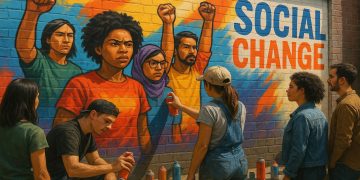
Art as a Form of Activism: Using Creativity to Promote Social Change

Art plays a crucial role in activism, serving as a powerful medium for promoting social change. From murals to digital campaigns, creativity fosters community engagement, amplifies marginalized voices, and inspires critical dialogues on issues like inequality and justice. Artists unite people, challenging societal norms through impactful and transformative expressions.

Music as a Form of Artistic Expression: Exploring Genres and Emotions

Music is a universal language that conveys diverse emotions and reflects various cultural narratives. Through genres like classical, blues, and hip-hop, it serves as a powerful tool for artistic expression, fostering connections, healing, and community. Each genre offers a unique emotional journey, enriching our understanding of the human experience.


The Importance of Abstract Art in Exploring Emotion and Personal Authenticity

Abstract art serves as a vital medium for exploring emotion and personal authenticity. By transcending traditional representation, it encourages deep emotional engagement and introspection. This genre fosters a universal connection, allowing diverse audiences to navigate their feelings, enhance self-discovery, and promote mental well-being through creative expression.

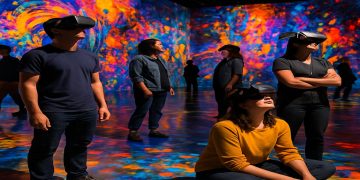
Exploring Immersive Art: How Artistic Experiences Transform Audience Perception

Immersive art transforms audience perception by inviting active participation and emotional engagement. By dissolving traditional barriers between creator and observer, these experiences foster community connection and enhance personal narratives. Through multi-sensory and interactive environments, immersive art redefines artistic experiences, challenging how individuals interact with creativity and culture.

Art and Sustainability: Incorporating Recyclable Materials in Creative Projects

This piece explores how artists are integrating recyclable materials into their creative projects, promoting sustainability while challenging traditional notions of art. Through community engagement and innovative approaches, these initiatives encourage conversation about waste and environmental responsibility, showcasing the potential of discarded items to inspire change and artistic expression.

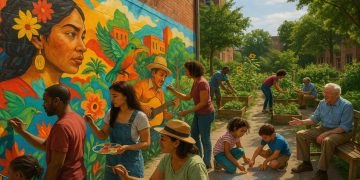
The Role of Community Art in Building Social Ties and Local Identity

Community art fosters social ties and local identity by uniting diverse residents in collaborative projects. These initiatives enhance civic engagement, celebrate cultural heritage, and transform public spaces, creating a sense of belonging. Through creative expression, communities strengthen connections and promote resilience while highlighting their unique narratives.

The Art of Visual Storytelling: Telling Stories Through Illustrations and Paintings

Visual storytelling is a powerful art form that uses illustrations and paintings to convey deep narratives and emotions. Through imagery, symbolism, and color, artists connect with audiences, explore cultural themes, and challenge societal perceptions. This dynamic medium fosters empathy, enriches understanding, and transforms our engagement with diverse human experiences.

The Importance of Research: How Historical and Cultural Facts Enrich Your Written Adventures

Research is essential for authentic storytelling, enriching narratives with historical and cultural facts. By grounding stories in real contexts, writers enhance character depth, promote empathy, and foster engagement. This exploration of diverse perspectives not only captivates readers but also encourages meaningful reflection on societal issues and shared human experiences.