Art and Sustainability: Incorporating Recyclable Materials in Creative Projects
Exploring the Intersection of Art and Eco-Consciousness
Amid increasing concerns over climate change and environmental degradation, the art world has begun to embrace a transformative shift towards sustainability. This transformation is particularly evident in the creative realms where artists utilize recyclable materials to breathe new life into discarded objects and challenge conventional artistic paradigms. By forging a connection between artistic expression and environmental stewardship, contemporary artists are contributing to a broader dialogue on the issues that affect our planet.
Environmental Impact
The environmental implications of using recyclable materials in art are profound. By repurposing items that would otherwise end up in landfills, artists are significantly reducing waste and mitigating their ecological footprint. For example, every year, millions of tons of plastic waste pollute oceans and landscapes, contributing to the larger global crisis of plastic pollution. Artists like Angela Washko create large-scale installations using ocean debris, actively raising awareness about the plastic crisis while turning trash into thought-provoking art.
Creative Expression
The beauty of working with recyclable materials lies in the innovative approaches artists adopt to transform what society deems as refuse into compelling artworks. Artists like Vik Muniz, for instance, utilize everyday items such as chocolate syrup, junk, and trash to create intricate portraits that challenge viewers to reconsider their perceptions of value and waste. His iconic “Pictures of Garbage” series, which features stunning images made from landfill waste, invite audiences to rethink their consumption habits and inspire a movement towards sustainability.
Community Awareness
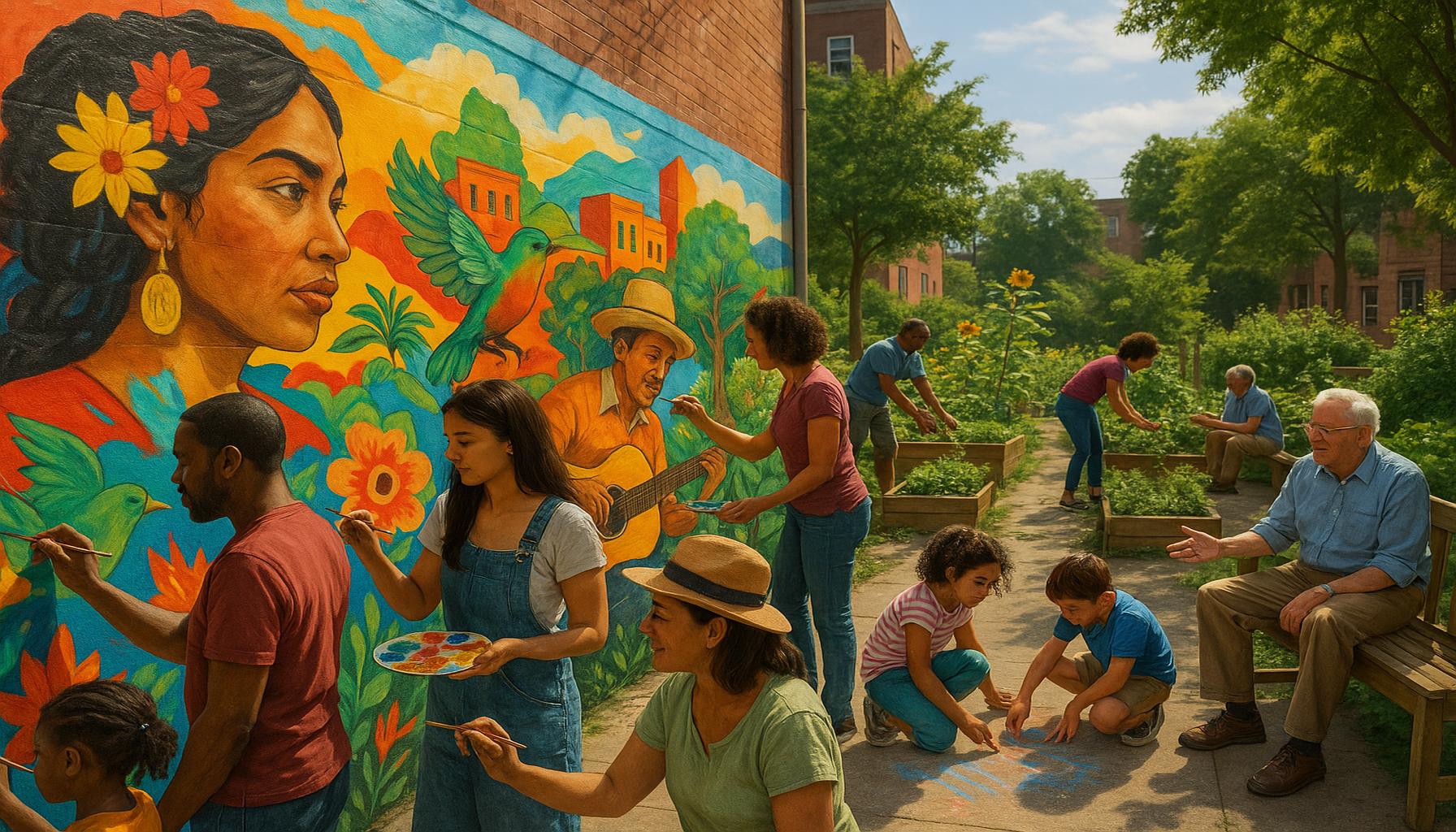
Collaboration often plays a crucial role in these artistic endeavors as many projects aim to engage local communities in sustainability efforts. Community art initiatives, such as Trash for Peace, bring together artists and neighborhood residents to create public art from reclaimed materials. Not only do these projects beautify local spaces, but they also foster a sense of ownership and responsibility toward the environment among participants. These community-driven efforts underscore the idea that art can be a powerful tool for education and activism.
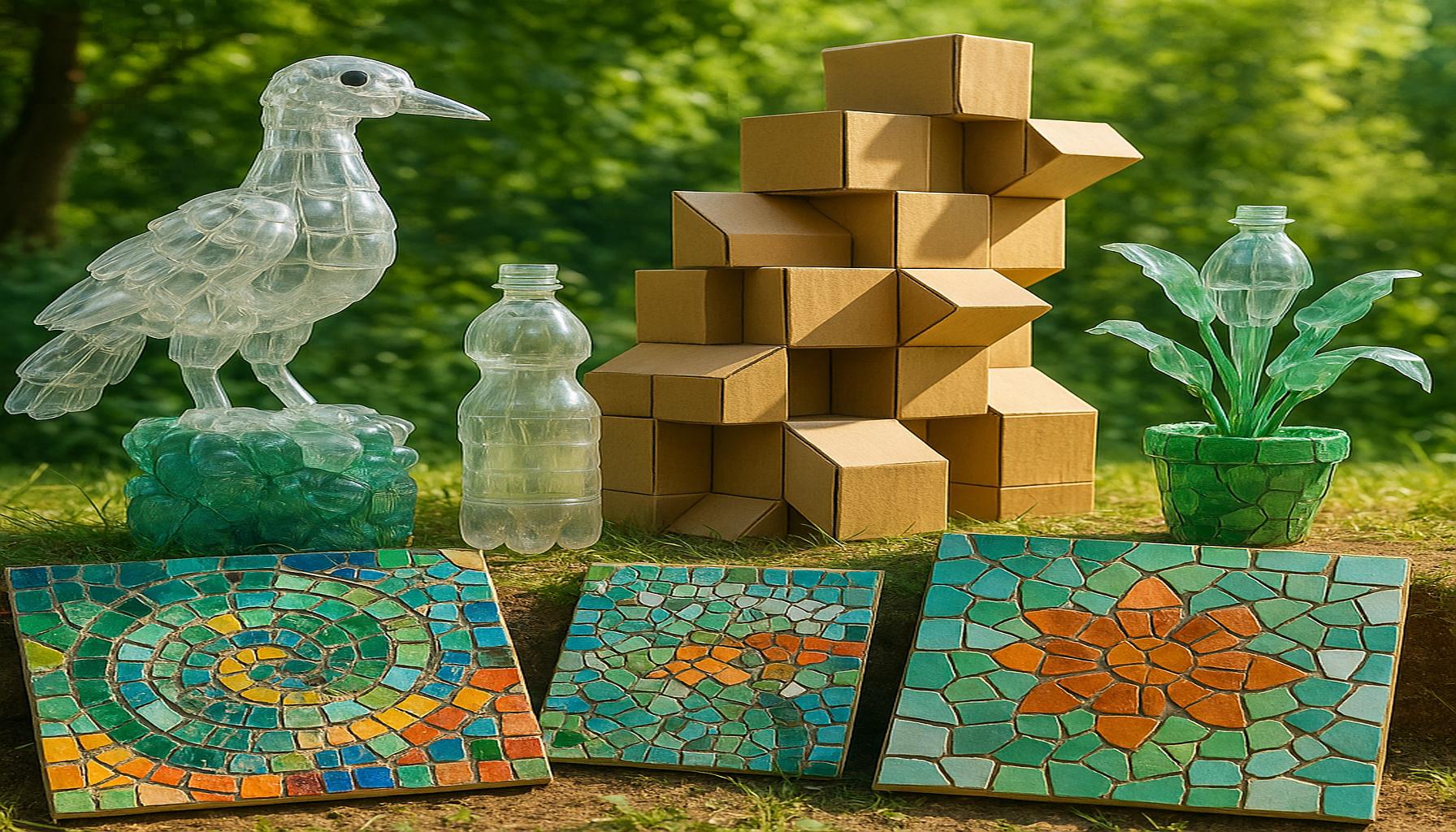
From sculpture made of repurposed plastics to murals created with old newspapers, the range of artistic expressions continues to grow. These works not only showcase remarkable creativity but also serve as a catalyst for discourse around our collective consumption habits. As galleries, schools, and art festivals across the United States increasingly embrace eco-friendly practices, they create opportunities for these essential conversations.
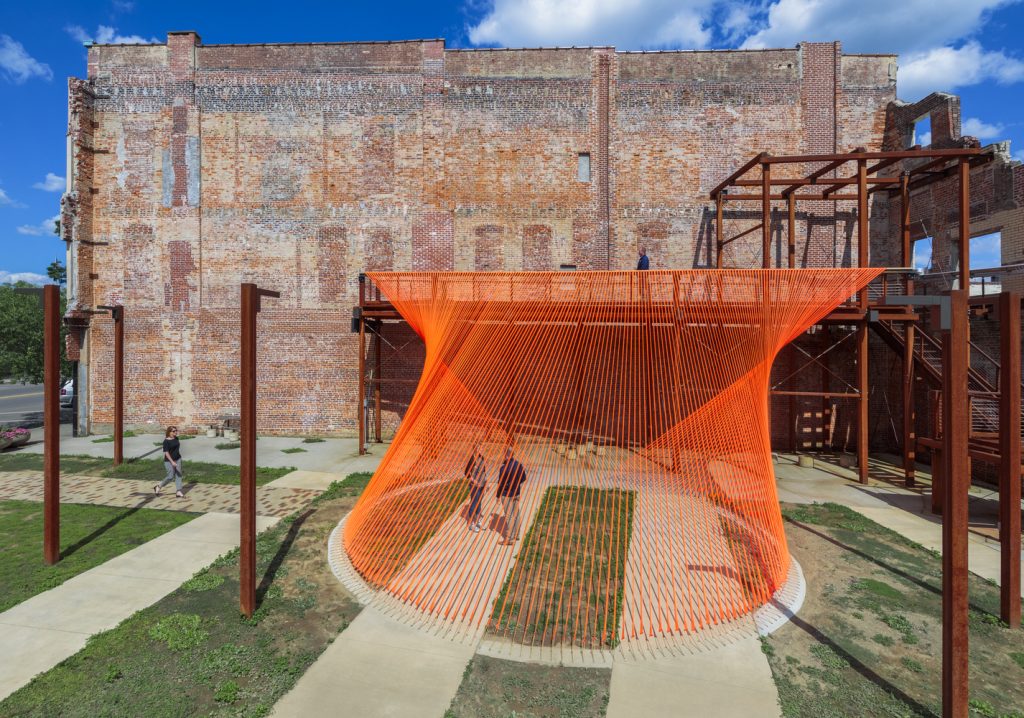
As the art world continues to evolve, the incorporation of recyclable materials is paving the way for a more conscious future. By championing sustainability, artists are not only redefining the essence of what art can be but are also forging a path toward a more responsible and environmentally aware society. These initiatives encourage onlookers to think critically about their relationships with materials, consumption, and the environment while simultaneously finding beauty in the unconventional.
Join us on this journey to discover how art and sustainability can coexist harmoniously. The intersection of creativity and eco-consciousness presents an intriguing opportunity to not only appreciate beauty but also engage with a powerful message that resonates far beyond the art itself.
DISCOVER MORE: Click here to uncover unique crafting ideas
Reimagining Waste: The Artistic Alchemy of Recyclable Materials
As society faces the grim reality of overflowing landfills and the dire effects of pollution, artists are leading the way in a movement that strives to transform the waste crisis into a canvas for creativity. The use of recyclable materials in art not only challenges the traditional notions of value and aesthetics but also encourages a shift toward more sustainable practices in creative industries. This artistic utilization of discarded items is more than just a trend; it is an urgent dialogue about our material culture and environmental responsibilities.
Inspiration from the Everyday
Artists across the United States are finding innovative ways to incorporate materials that once served their purpose and were then cast aside. From plastic bottles to old newspapers, the sources of inspiration are vast and varied. By drawing from these materials, artists are not only reducing waste but are also storytelling through their creations. Some notable examples include:
- Robert Rauschenberg’s “Combines,” which fuse painting and sculpture using found objects, challenge the boundaries between art and life.
- El Anatsui’s stunning tapestries made from bottle caps and other reclaimed materials, which reflect themes of consumption and transformation.
- Ralph Nader’s recycled cardboard sculptures that highlight both structure and fragility.
This creative practice serves not only to highlight the aesthetic potential of what is often considered trash but also to ignite conversations about sustainability. By using materials that speak to the prevailing issues of waste and pollution, artists create a profound impact through their work, prompting audiences to question their own consumption patterns. The works often evoke emotional reactions, asserting that even the most overlooked items possess stories waiting to be told.
Educational Initiatives
Art institutions and artists alike recognize the importance of education in fostering a culture of sustainability. Workshops and programs dedicated to teaching the principles of recycling and creative reuse are becoming increasingly popular. Initiatives, such as those found in public schools and community organizations, aim to:
- Equip young artists with skills to think critically about resource use
- Encourage problem-solving by turning “waste” into art
- Connect students with environmental issues through hands-on creative projects
Such educational approaches not only cultivate creativity among participants but also instill a deeper appreciation for the environment. They align with broader societal objectives by promoting mindfulness about consumption and the potential of recyclable materials in art.
In this evolving landscape, the dialogue between art and sustainability continues to deepen. As more artists engage with recyclable materials, the movement expands beyond individual creations, ultimately fostering a culture that values ecological consciousness and artistic innovation. With every piece crafted from reclaimed resources, there lies a story that champions both creativity and responsibility—an invitation for all to join in reimagining the world around us.
Exploring the Intersection of Art and Sustainability
The integration of recyclable materials into artistic projects not only promotes environmental consciousness but also sparks creativity in unique and unexpected ways. Artists worldwide are now sourcing discarded materials, transforming them into stunning visual pieces or functional art, engaging audiences in dialogues about waste, consumption, and sustainability.
The Role of Community Involvement is essential in these projects. Collaborative initiatives encourage local communities to participate by donating recyclable items that might otherwise end up in landfills. Such involvement fosters a greater sense of ownership and appreciation for the artwork created and promotes a culture of sustainability. From community murals made of plastic bottle caps to sculptures crafted from old electronics, these projects can galvanize neighborhoods around shared environmental goals while providing an outlet for creative expression.
Furthermore, upcycling is a key concept in the realm of sustainability in art. This process not only reduces waste but also helps artists create works with a unique narrative. For instance, artworks fashioned from vintage fabrics or defunct machinery tell stories of past lives while infusing new meaning into objects that might appear obsolete. Artists like El Anatsui and Vik Muniz exemplify how discarded materials can be transformed into impactful art, raising awareness about sustainability and inspiring others to rethink waste.
Sustainability in art extends beyond the materials used. The methods of production can also emphasize an ecological approach. For instance, utilizing non-toxic paints, natural dyes, and eco-friendly adhesives reflects a commitment to the planet while also providing exposure to sustainable practices among emerging artists.
| Category | Advantages |
|---|---|
| Community Engagement | Fosters a collective responsibility towards sustainability and enhances community ties. |
| Unique Narratives | Every piece tells a story, providing layers of meaning through upcycled materials. |
As we delve into art and sustainability, it’s imperative to spotlight individuals and groups pioneering efforts in their communities. Through workshops, public installations, and educational programs, they are inspiring a new wave of artists eager to adopt sustainable practices and make profound statements through their work.
Embracing artistic innovation along with environmentally friendly principles not only cultivates creativity but also plays a critical role in advocating for our planet’s future. Together, artists and communities can pave the way for a more sustainable artistic movement, urging us all to take a closer look at our consumption habits and the lifecycle of the materials we discard.
DISCOVER MORE: Click here to learn how to upcycle your wardrobe
Expressions of Change: The Impact of Community Engagement on Sustainable Art
Beyond the individual artist, the incorporation of recyclable materials into creative projects has ignited collaborative endeavors within communities. These projects often serve as a catalyst for dialogue, encouraging local populations to confront the pressing issues of waste management and ecological sustainability. Community art initiatives not only highlight the artistic potential of discarded materials but also foster a sense of pride and ownership among participants.
Community Art Projects as a Vehicle for Change
One remarkable example of such initiatives is the Trash to Treasure program in San Francisco, which invites local residents to convert waste into public art installations. By collecting materials that would typically end up in landfills, participants engage in a process that is both crafting and conscious consumerism. The end products not only beautify the space but serve as vivid reminders of the importance of recycling. Further demonstrating the power of collaboration, schools across the city have implemented similar projects, integrating art into their curriculum to reinforce sustainability messaging among younger generations.
Art Festivals and Environmental Advocacy
Art festivals that focus on sustainability, such as the EcoArt Festival held annually in New York City, provide platforms for artists to showcase their works made from recyclable and reclaimed materials. These events draw significant attention from both the local community and international visitors, furthering awareness of environmental issues through artistic expression. Featured artists often provide workshops and discussions, offering practical insights into how individuals can contribute to sustainability through art. This blend of art and activism challenges attendees to reconsider their role in the larger narrative of environmental stewardship.
- Workshops at these festivals can include techniques for creating sculptures from plastic waste or designing fashion from repurposed textiles, empowering attendees to harness their creativity with a purpose.
- The festival’s outreach programs connect artists to environmental organizations, facilitating collaborations that further amplify the message of sustainability.
Additionally, installations made using recyclable materials often underscore pressing socio-political messages. An illustrative case is the work of designer Christina Kwan, who creates immersive environments using plastic waste to illustrate the impact of ocean pollution. Such projects serve dual objectives: raising awareness about critical environmental issues while demonstrating the artistic potential of materials deemed ‘waste.’ Through this lens, art becomes an agent of change, bridging the gap between aesthetics and activism.
Local Resources and Collaborations
Artists engaged in sustainable practices often find support from local organizations that promote environmental awareness. Many cities host design challenges that encourage artists to create with recyclables, providing a network of shared resources and spaces. For instance, Reclaimed Wood Exchange in Portland offers resources not only for artists but also for DIY enthusiasts eager to repurpose materials in their projects. Such collaborations capitalize on the strengths of various stakeholders, fostering an ecosystem where creativity and sustainability coexist.
Overall, the infusion of recyclable materials in art extends far beyond the creation of individual pieces. It engenders a collective movement that empowers communities to rethink their relationships with waste, art, and the environment. By actively participating in these creative projects, individuals become part of a larger narrative that prioritizes sustainability and drives home the message that art can indeed transform our understanding of consumption and conservation.
DISCOVER MORE: Click here to dive into the evolution of music production
Conclusion: The Harmonious Blend of Creativity and Conservation
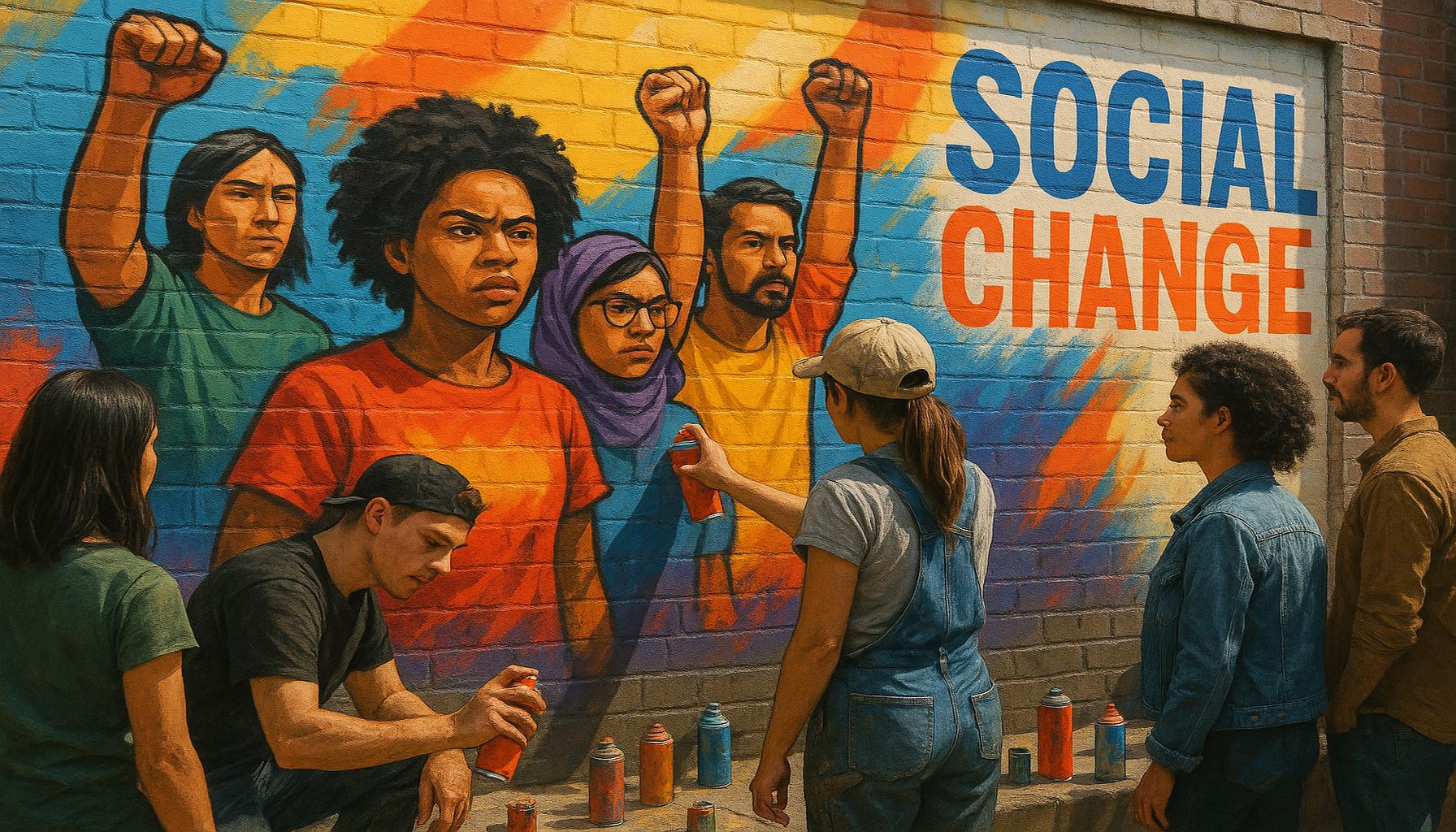
The fusion of art and sustainability through the use of recyclable materials not only enhances the aesthetic landscape of our communities but also serves as a powerful tool for social change. As demonstrated by innovative initiatives like the Trash to Treasure program and festivals such as the EcoArt Festival, the act of transforming waste into art orchestrates a critical dialogue around waste management and environmental stewardship. These creative endeavors inspire not just artists but also citizens from all walks of life to engage in meaningful action regarding sustainability.
Moreover, the collaboration fostered between artists, educators, and local organizations amplifies the message that art can serve as a conduit for awareness and action. As communities come together to express their environmental concerns through recycled art, they cultivate a deeper connection to their surroundings, reshaping perceptions of materials deemed unwanted. This paradigm shift encourages a holistic approach to creativity—one that values repurposing and innovation over consumption.
In a world grappling with environmental challenges, the role of artists as advocates for sustainability is more crucial than ever. By embracing recyclable materials in their work, they not only push the boundaries of their medium but also illuminate pathways for others to follow. Ultimately, the journey of transforming discarded items into captivating art pieces encapsulates a collective vision for a more sustainable future. It invites us to reconsider our relationship with waste and to use our creativity as a means of fostering a healthier planet.