
Art as a Form of Activism: Using Creativity to Promote Social Change
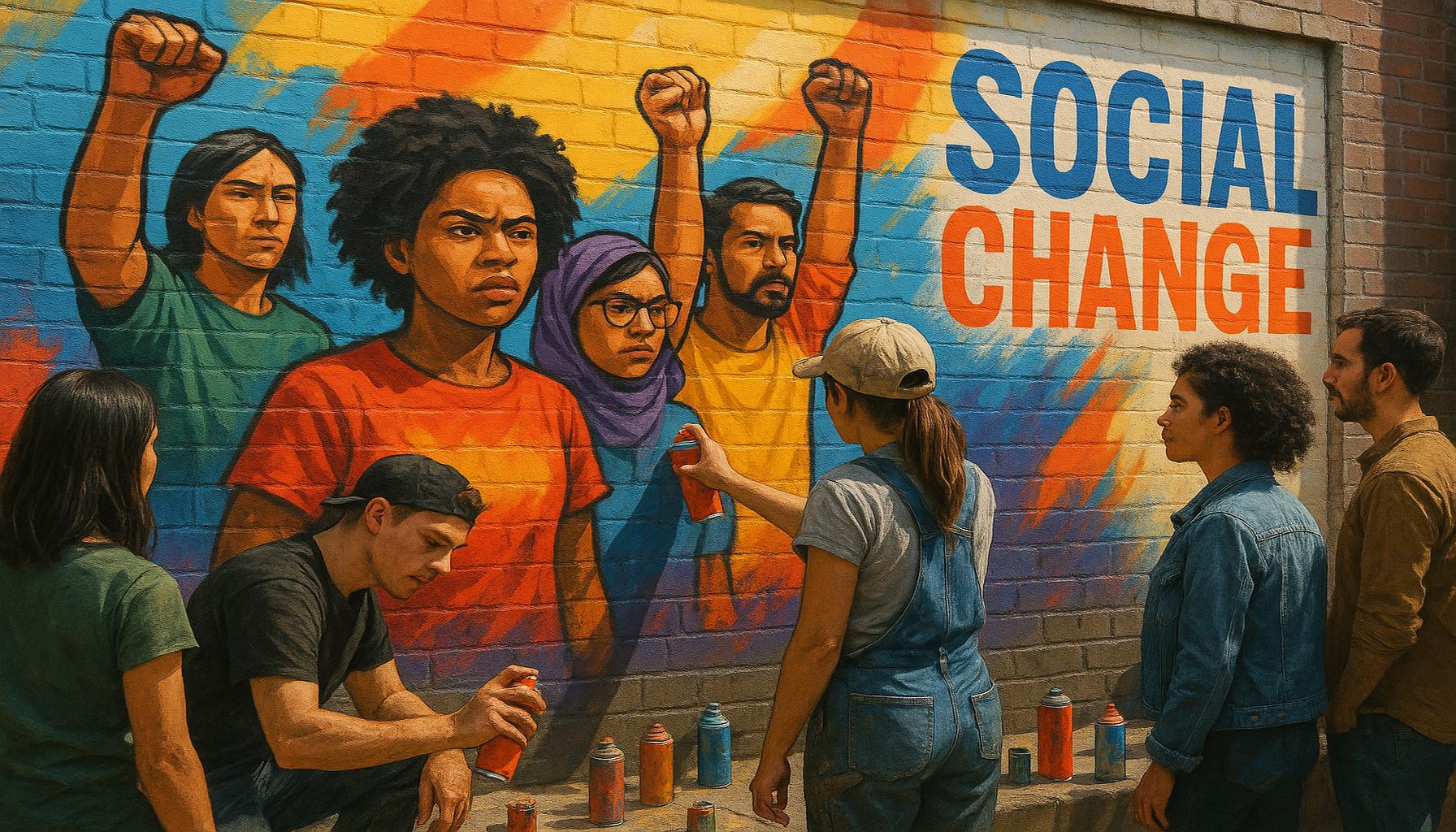
Art and Activism: A Powerful Connection
Art serves as a dynamic medium through which complex ideas, emotions, and narratives can be expressed and shared. Recently, the marriage of creativity and social change has drawn increasing attention. This intersection, often termed art activism, transcends traditional aesthetics and actively engages the public in critical dialogues concerning societal issues.
The manifestations of activism through art are as varied as they are impactful. From vivid murals on urban landscapes to compelling performance art pieces, the creative avenues for social critique are incessantly evolving. For instance, street art has long been a powerful tool for grassroots activism. Artists like Banksy employ graffiti to challenge societal norms, crafting thought-provoking imagery that confronts issues of inequality, exploitation, and consumer culture. Streets become open-air galleries where passersby are prompted to stop, think, and question the world around them.
Community art projects also play a significant role in promoting social awareness. One illustrative example is “The People’s History Museum” located in Detroit, which emphasizes local histories and cultural narratives often overlooked or marginalized. By showcasing the unique stories of various communities, such initiatives cultivate a sense of belonging while educating the public about vital social issues.
In today’s digital era, the realm of art activism has expanded into the online space. Movements such as #BlackLivesMatter utilize digital art and graphics to convey messages of racial equity and justice, reaching worldwide audiences and inspiring collective action. Such online platforms not only serve as a means of communication but also create digital forums for discussion, allowing diverse voices to share their perspectives on systemic injustices.
These diverse forms of artistic expression not only beautify public spaces but also incite critical dialogues surrounding pressing issues, including racism, gender equality, and environmental justice. Through their work, artists invite viewers to engage with these topics, often inspiring them to question the status quo and take action in their communities.
The Role of the Artist-Activist
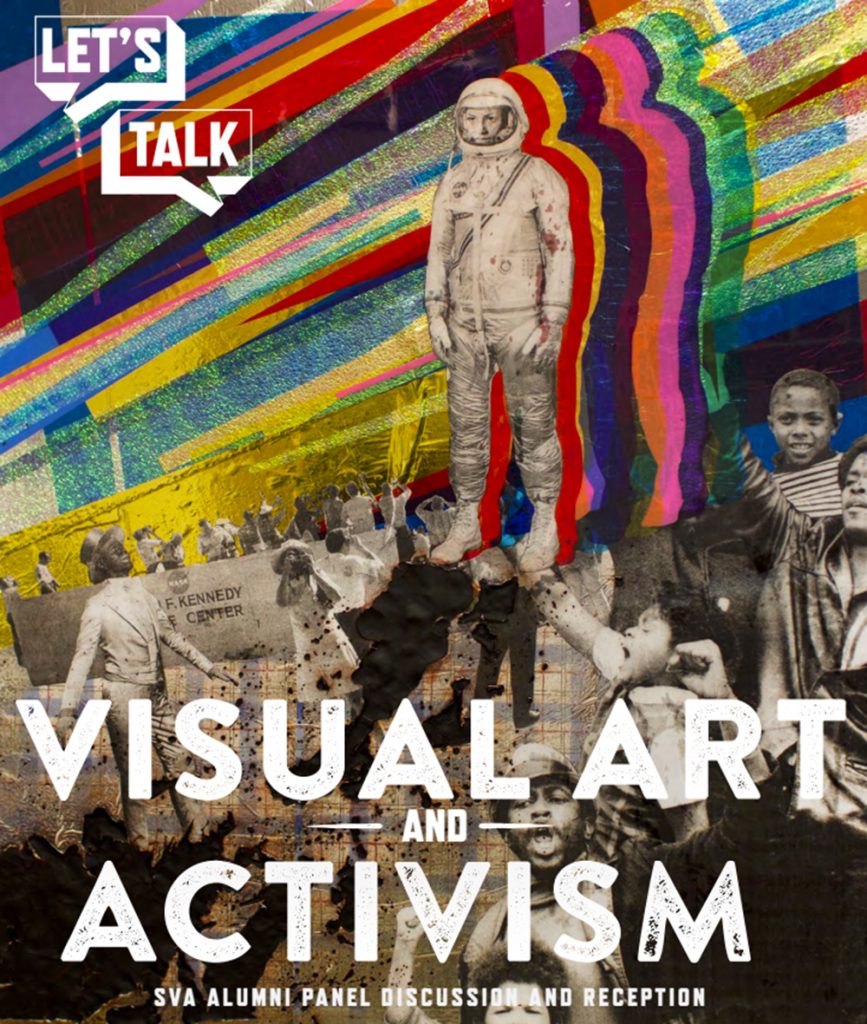
Today, artists operate not merely as creators, but as change-makers. By channeling their creativity into activism, they harness the power of emotional resonance to foster empathy among viewers and stir societal movements. This interplay illustrates not only the capacity of art to inspire but also its critical role in constructing a more just and equitable society.
As the dialogue surrounding art and activism continues to flourish, it becomes clear that art serves as a profound vehicle for social change. Whether through local murals, community-driven projects, or global movements, artist-activists embody the transformative potential of creativity in addressing and advocating for societal change. Art, in its many forms, has the ability to weave powerful narratives that educate, unite, and invoke action, ultimately contributing to a more informed and proactive society.
DISCOVER MORE: Click here to learn about inclusive dance
Civil Disobedience Through Art
Throughout history, art has served as a poignant vehicle for civil disobedience, allowing creators to challenge systemic injustices and amplify marginalized voices. In the United States, pivotal movements such as the civil rights movement of the 1960s exemplified the crucial role of art in activism. Iconic songs, powerful photographs, and stirring literary works defined this era, with artists like James Baldwin and Marian Anderson harnessing their platforms to shed light on racial inequities and advocate for social justice. Their creations not only resonated with those on the frontlines but also sparked conversations across the nation, illustrating how art can provoke change.
In contemporary society, the fusion of art and activism continues to evolve. Today, artists leverage a myriad of mediums to confront issues such as climate change, gender equality, and immigration rights. One striking example is the work of Shepard Fairey, whose “Hope” poster became emblematic of the 2008 presidential campaign. This impactful image not only influenced political discourse but also demonstrated the potential of visual art to mobilize voters and inspire civic engagement.
The clout of art as activism is increasingly apparent in its ability to reach audiences far beyond traditional art spaces. Artists are employing a range of tools to disseminate their messages widely, including:
- Muralism: Large-scale public murals transform cityscapes into platforms for activism, inviting community involvement and creating spaces for dialogue.
- Performance Art: Encompassing everything from theatrical productions to spontaneous street performances, this medium engages audiences on emotional levels, urging them to reflect on pressing social issues.
- Digital Art: The rise of social media has enabled artists to share their work instantaneously, expanding their reach and connecting global audiences to local struggles.
With the rise of online activism, the barriers that once limited artistic expression are diminishing. Campaigns like #MeToo have showcased how visual narratives can resonate and forge solidarity among individuals confronting similar struggles. Artists share powerful imagery and messages that propel cultural conversations, inspiring empathy and mobilization. Such movements illustrate that art is not merely a reflection of society; rather, it is an active participant in the quest for change.
The Intersection of Policy and Art
Art as a form of activism also intersects with policymaking, emphasizing its potential to influence legislative reform. Advocacy groups frequently collaborate with artists to create impactful campaigns promoting social change. For example, during the fight for immigration reform, artists have utilized their creativity to humanize the experiences of immigrants while fostering empathy within communities. Through visual storytelling and engaging installations, they effectively challenge harmful stereotypes and compel audiences to consider the stories behind the headlines.
As these examples highlight, the role of art in activism extends well beyond the canvas or stage; they ignite a passion for activism that encourages public discourse and inspires collective action. This transformative potential is essential for creating a society that values not only creativity but also the voices that challenge and shape its identity.
Exploring the Impact of Art-Driven Activism
Art has long played a pivotal role in social movements, serving as a voice for the voiceless and a catalyst for change. In today’s world, where social justice issues demand our urgent attention, the integration of creativity into activism has become more relevant than ever. Artists are harnessing the power of their craft to challenge systemic inequalities and inspire communities, creating a profound impact through visual art, performance, literature, and more.One of the most compelling aspects of art as activism is its ability to reach a diverse audience. By crossing cultural barriers and transcending language differences, art communicates complex ideas and emotions that might otherwise be difficult to express. For instance, murals depicting historical struggles against oppression not only beautify public spaces but also educate and provoke conversation among viewers. This visual dialogue can lead to a deeper understanding of social issues, encouraging individuals to reflect on their own beliefs and biases.Moreover, engaging the public in artistic endeavors fosters a sense of community and shared purpose. Collaborative art projects—such as community murals or theater performances—invite participants to contribute their voices and experiences, empowering them to take ownership of the narrative. These shared experiences can unite people across differing backgrounds, igniting a collective movement for change.As the world continues to grapple with pressing challenges such as climate change, racial injustice, and economic inequality, the fusion of creativity and activism presents innovative solutions. Artists are not merely observers but active participants, using their talents to illuminate paths toward social progress. Through their work, they inspire audiences to think critically, act courageously, and contribute to the ongoing fight for justice.In this evolving dialogue, it is essential to recognize that art is more than just a tool; it is a profound form of resistance that can disrupt the status quo. The power of art lies in its capacity to evoke empathy and provoke thought, ultimately challenging individuals and societies to reconsider their roles in shaping a more equitable world.
| Benefits of Art Activism | Impact on Social Change |
|---|---|
| Amplifies Voices | Art provides a platform for marginalized communities to express their struggles and aspirations. |
| Encourages Dialogue | Art stimulates discussions on vital social issues, paving the way for understanding and empathy. |
By exploring the various dimensions of how art can be utilized as a form of activism, we can appreciate its unique ability to facilitate engagement, challenge perceptions, and ultimately drive meaningful change in society.
DISCOVER MORE: Click here to explore the impact of AI in music
Art as a Tool for Community Empowerment
Another powerful aspect of art as activism lies in its ability to empower communities. Through creative expression, individuals and groups find a voice and a platform to articulate their experiences and struggles, often in ways that resonate deeply with a broader audience. Community-based art projects have emerged as a crucial means for unifying locals and fostering a collective identity. Initiatives like the Chicago Public Art Program endeavor to involve residents in creating public art that reflects their cultural heritage and aspirations. Such projects galvanize communities, fostering a sense of ownership and pride while addressing local issues such as crime, poverty, and discrimination.
The impact of art in these environments can be profound. For instance, the Detroit Creativity Project creates opportunities for young students in underfunded schools to access arts education, aiming to teach essential life skills through creative problem-solving and collaboration. By investing in art, this initiative not only offers youth new avenues for self-expression but also prepares them for future civic engagement—putting them on a path as advocates for social change within their communities.
Moreover, collaborative art initiatives yield transformative results for marginalized groups. For example, the Community Arts Network emphasizes participatory art as a means for social justice. By engaging directly with individuals from oppressed communities, artists and activists create spaces that allow for dialogue, support, and healing. This kind of art acts as a catalyst, forging connections among individuals who might feel isolated from societal structures and empowering them to share their narratives with the world.
Global Perspectives: Art Activism in Action
Art as a form of activism does not only flourish in the United States; across the globe, artists are challenging the status quo in innovative ways. For example, the International Campaign to Ban Landmines utilized powerful visual artwork and performances to underscore the plight of those affected by landmines. Through exhibitions and provocative imagery, the campaign mobilized global support to push for legislative changes, ultimately contributing to the creation of the Mine Ban Treaty in 1997.
Another compelling case can be seen in Brazil’s street art scene, where graffiti artists raise awareness of socio-political issues such as police violence and inequality. Artists like Eduardo Kobra utilize vibrant murals to convey messages of hope and resistance, engaging viewers in narratives that call for change. This fusion of vibrant creativity with activism not only beautifies urban environments but serves as a reminder of the ongoing struggles faced by local communities.
Digital platforms have also revolutionized the way art activists connect with global audiences. The rapid dissemination of art through social media has enabled grassroots movements to gain traction, proving that creativity can amplify marginalized voices worldwide. Campaigns like #BlackLivesMatter have employed powerful graphics and videos to raise awareness around issues of systemic racism, helping to reach and mobilize millions of individuals in support of justice and accountability.
As artists respond to world events with urgency and empathy, they challenge traditional notions of artistic practice, insisting that every brushstroke, note, and word can catalyze substantial societal transformation. In harnessing the power of creativity, they continue to assert that art and activism are not separate endeavors but rather complementary forces that together can redesign the blueprint of our communities and the world.
DISCOVER MORE: Click here to learn about inclusive dance
Conclusion: The Evolving Landscape of Art Activism
In an age characterized by rapid social and political change, the role of art as a form of activism emerges more vital than ever. The intersection of creativity and social justice fosters an environment where ideas can be not only expressed but amplified, encouraging communities to band together around shared struggles and aspirations. As illustrated through inspiring examples from community art projects to global movements, artists are leveraging their skills to provoke conversation and challenge systemic inequalities. Through initiatives like the Detroit Creativity Project and global campaigns such as #BlackLivesMatter, it is evident that art serves as a rallying point, mobilizing individuals and communities toward meaningful engagement with pressing societal issues.
Furthermore, as we navigate the complexities of our contemporary world, the blend of traditional and digital mediums enables artists to connect with wider audiences more than ever before. The power of social media in disseminating art activism has transformed how stories are told, broadening the reach and impact of artistic expressions. This evolution invites not only participation but also reflection on our own roles in advocating for change. By embracing creativity as a tool for empowerment, individuals can become active contributors in shaping their narratives and, consequently, the future.
Ultimately, art remains a transformative force that defies boundaries, bridging gaps between diverse communities while igniting passion for social change. As we continue to witness the compelling usage of art as activism, it is crucial to explore how our personal creative expressions can join this vital conversation. By doing so, we can cultivate a culture that not only values the arts but intertwines them with our collective pursuit of social justice.