The Evolution of Artistic Expression: How Creative Hobbies Influence Mental Health
The Transformative Power of Artistic Expression
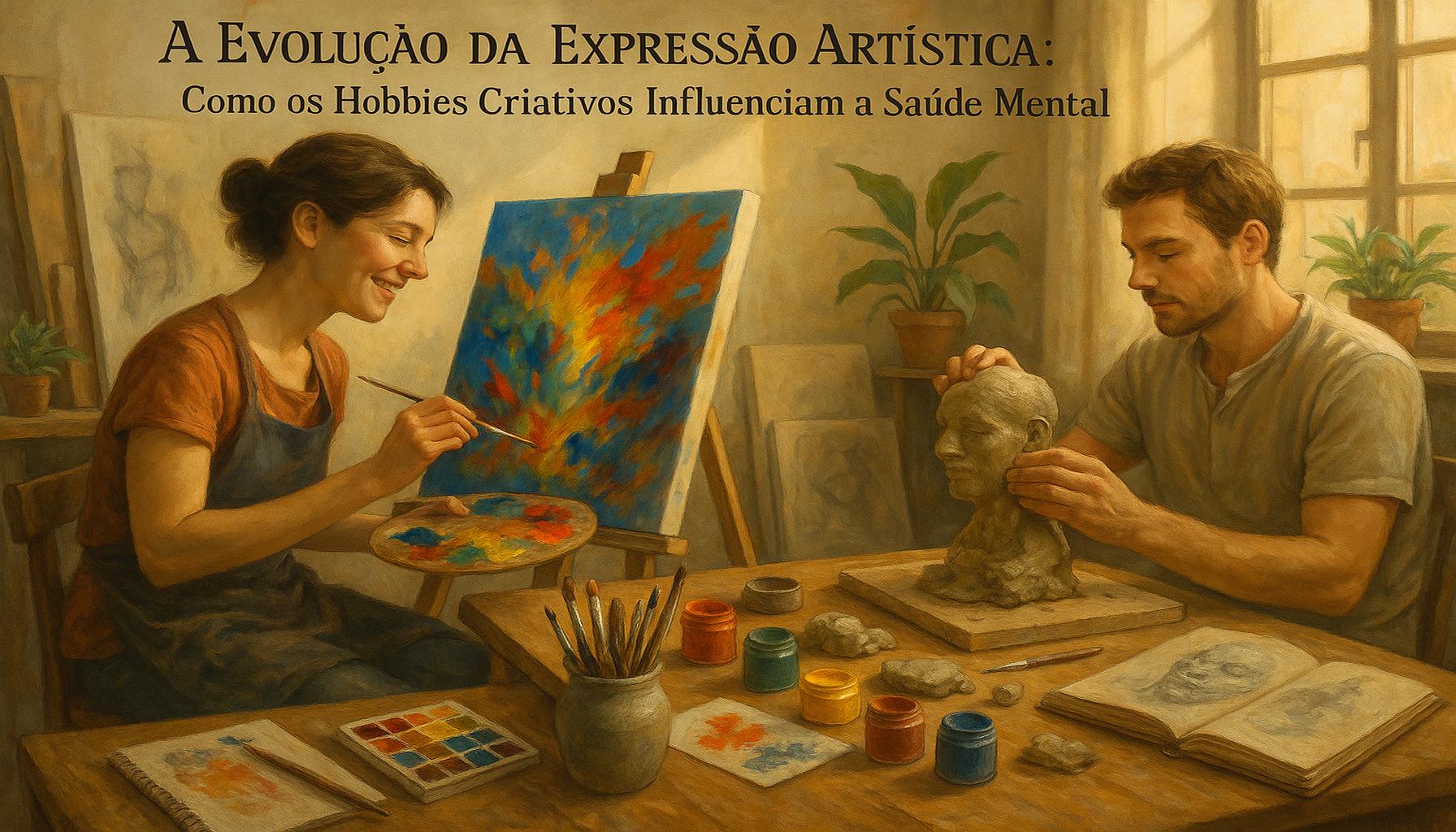
Throughout history, the evolution of artistry has mirrored societal changes, embracing new mediums and techniques that reflect cultural nuances. From the primitive cave paintings that adorned early human habitats to the sophisticated digital art created with the latest software, the continuum of artistic expression significantly influences and enhances the fabric of human experience. Mental health, an increasingly pivotal concern in modern society, finds a unique ally in these creative pursuits.
Engaging in creative activities offers a plethora of benefits, not only for individuals but also for communities. For example, stress relief is one of the most cited advantages of engaging in hobbies like painting or knitting. A study from the University of California reported that engaging in creative activities can reduce cortisol levels, the hormone primarily responsible for stress. This finding underscores the wellness potential of immersing oneself in art, providing a natural antidote to the pressures of modern life.
Moreover, the act of creating itself can act as a balm for emotional upheaval. The improved mood gained through creativity stems from the brain’s release of dopamine, often referred to as the ‘feel-good’ neurotransmitter. This is evident in practices like journaling, which not only allows individuals to express their feelings but also fosters an improved outlook on life. Many have found that dedicating just a few minutes a day to creative writing helps to manage feelings of anxiety and depression effectively.
Furthermore, artistic ventures contribute to enhanced cognitive function. Engaging in art can sharpen problem-solving skills and foster innovative thinking. For instance, schools that incorporate arts into their curriculum often report higher test scores and increased student engagement. This highlights how creativity is not just an emotional outlet but also a crucial component of intellectual development.
In the United States, where nearly 1 in 5 adults experiences mental illness, the importance of harnessing creative hobbies is underscored by emerging therapies that integrate art into treatment plans. Art therapy, for instance, has gained traction within clinical settings, offering patients a way to explore their emotions and experiences in a safe environment. This innovative approach to mental health care suggests that integrating creativity into traditional therapeutic practices could enhance overall treatment efficacy.
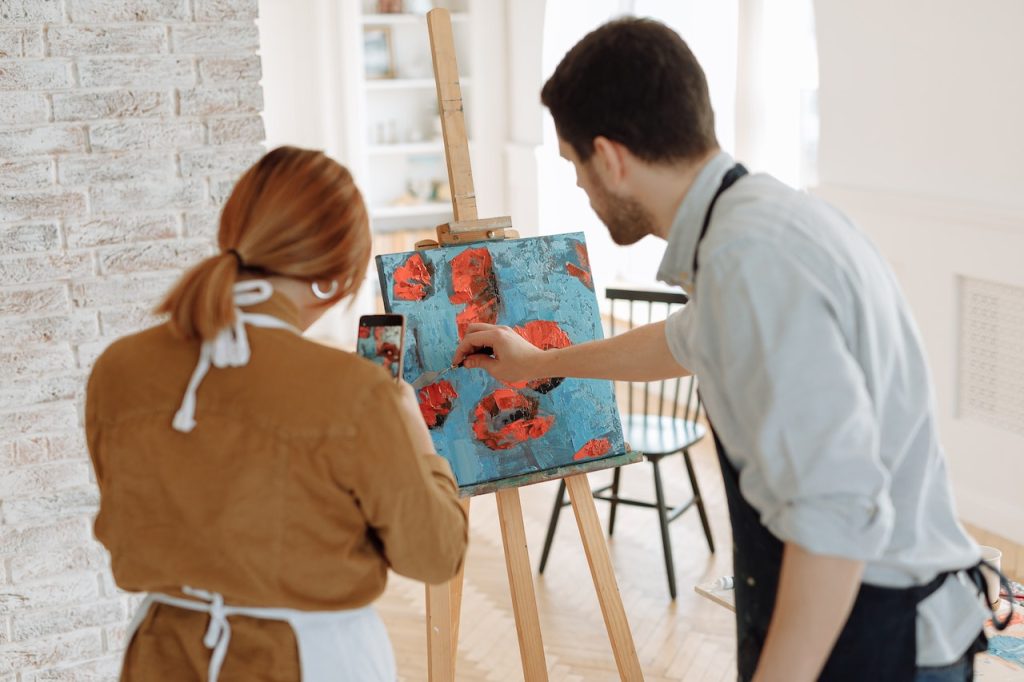
As we delve deeper into this compelling topic, it becomes clear that the evolution of artistic expression not only chronicles humanity’s progress but also fosters a deeper understanding of mental health. The continuous exploration of how creative hobbies can bolster well-being invites us to embrace the power of artistic pursuits in our own lives. By nurturing creativity, not only do we enrich our own existence, but we also contribute to a healthier, more expressive society.
DIVE DEEPER: Click here to discover the emotional journey of music
Art as a Therapeutic Outlet
As societies transitioned through various epochs, the methods and motivations behind artistic expression have continually adapted, revealing a profound connection between creativity and mental wellness. This intrinsic relationship has not gone unnoticed, particularly as the United States grapples with rising rates of mental health issues. Creative hobbies serve as not only a diversion but also as a critical pathway for emotional healing and self-exploration.
Art therapy is at the forefront of this movement, bridging the gap between traditional psychological approaches and the therapeutic benefits of artistic expression. Though art therapy has roots dating back to the mid-20th century, its integration into modern therapeutic practices has skyrocketed, largely due to its effectiveness in addressing complex mental health challenges. Patients enrolled in art therapy report significant benefits, including reduced anxiety, enhanced self-esteem, and improved interpersonal skills.
Research underscores the effectiveness of combining art with therapy. A meta-analysis published in the journal *Art Therapy* indicated that individuals engaging in art therapy showed marked improvements in psychological well-being. A breakdown of these benefits reveals how creative hobbies can act as powerful tools for mental health improvement:
- Emotional Expression: Art provides a non-verbal outlet for emotions that may be difficult to express in words. This allows individuals to confront feelings of grief, anger, or sadness in a manageable way.
- Mindfulness and Presence: Engaging in art requires focus and attention, which can promote a state of mindfulness. This aspect helps individuals reduce racing thoughts, often tied to anxiety and stress.
- Social Connections: Participating in group art projects or classes can foster community and provide essential social support. The shared creative process often leads to lasting friendships and a sense of belonging.
Additionally, creative hobbies have been shown to enhance neuroplasticity, the brain’s ability to adapt and reorganize itself. Engaging in the arts stimulates the brain’s reward system, leading to the release of neurochemicals conducive to happiness and motivation. This biological response not only fosters a sense of accomplishment but also encourages individuals to continue developing their creative muscles, which can fight off feelings of stagnation and hopelessness.
Despite traditional stigma surrounding mental health, many groups and initiatives across the United States are now incorporating art as a vehicle for healing. Nonprofit organizations, community centers, and even schools are recognizing the potential art holds in promoting mental wellness. Workshops focused on painting, drawing, and writing are increasingly common, providing accessible outlets for individuals seeking relief from emotional burdens. As more people discover the healing power of artistic expression, the movement continues to gain momentum.
In summary, the evolution of artistic expression has emerged as a multifaceted resource for mental well-being, catering to the diverse needs of individuals grappling with emotional and psychological challenges. Understanding this landscape can empower individuals to leverage creativity as a means of improving their mental health and well-being.
The Impact of Creative Hobbies on Mental Well-Being
Engaging in creative hobbies has been shown to significantly bolster mental health, offering numerous psychological benefits that can enhance overall well-being. Artistic expression acts as a powerful tool for emotional release, allowing individuals to channel their feelings into tangible forms of creativity, whether through painting, music, writing, or crafting. By immersing oneself in these activities, people often experience reduced levels of stress and anxiety. Furthermore, participation in creative hobbies fosters a sense of community and belonging. Group art classes or community musical gatherings provide social connections that are vital for mental health. These interactions not only lessen feelings of loneliness but also encourage collaboration, enhancing creativity and innovation. Research indicates that individuals engaged in creative projects report higher levels of happiness and satisfaction compared to those who do not.Moreover, the act of creating stimulates the brain’s reward system, leading to increased dopamine production, which is fundamental in regulating mood and emotions. This biological response underscores the therapeutic potential of creative activities, suggesting they can serve as effective alternatives to traditional forms of mental health treatment. In essence, the evolution of artistic expression reflects a growing recognition of the profound influence that creative hobbies have on mental health, highlighting their role as an essential component of holistic wellness. The exploration of these practices continues to evolve, showing promise in clinical settings, as mental health professionals increasingly incorporate art therapy and similar modalities into their treatment plans. Thus, diving deeper into the realm of artistic hobbies could unlock new pathways to psychological resilience and healing.
| Category | Key Features |
|---|---|
| Stress Reduction | Creative activities promote relaxation and provide an escape from daily pressures. |
| Emotional Expression | Art allows for personal feelings to be expressed in a non-verbal form. |
DISCOVER MORE: Click here for creative ideas on personalized greeting cards
Creative Hobbies and Community Engagement
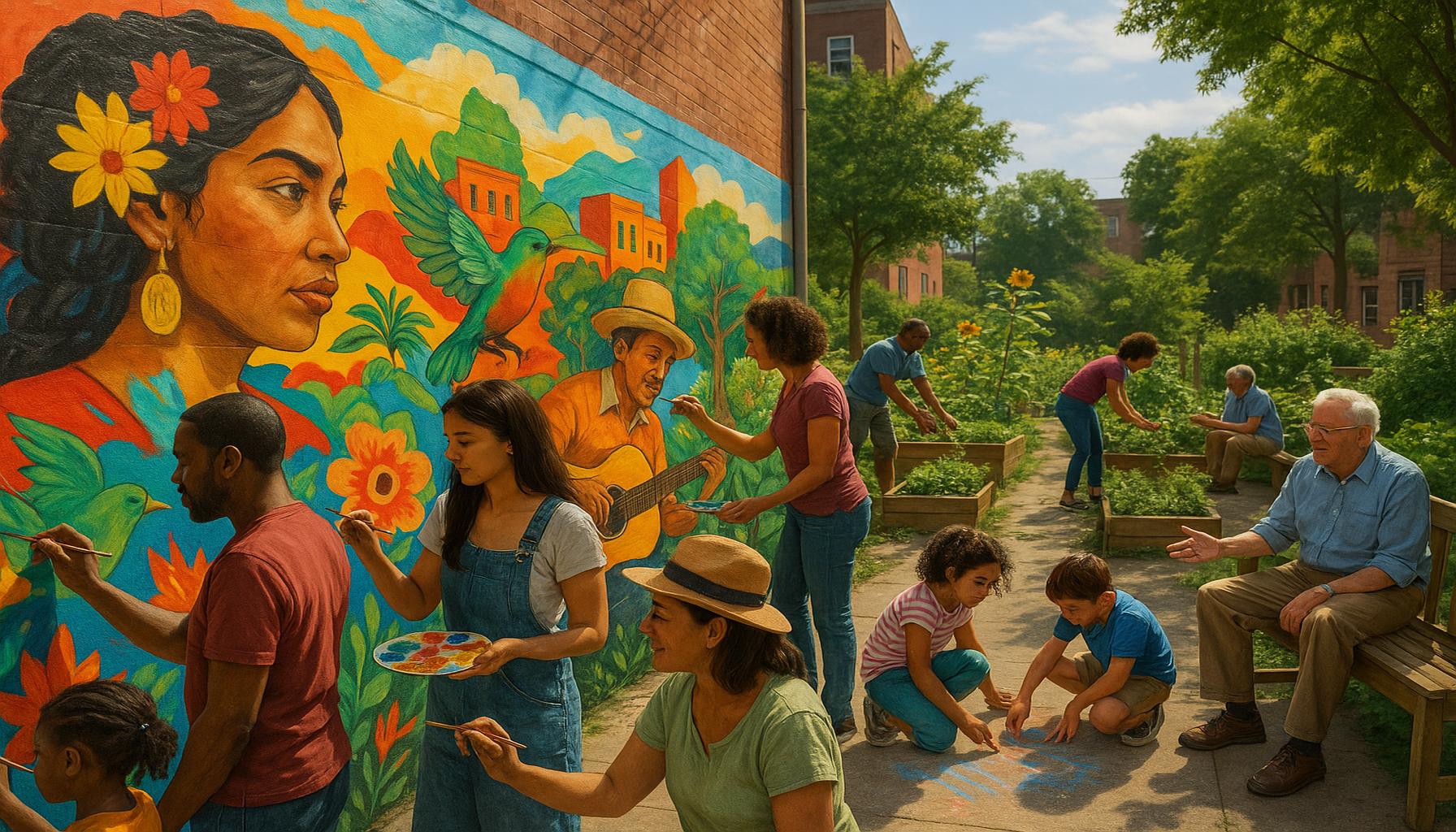
Artistic expression has not only transformed individual mental health landscapes but has also become a formidable force in fostering community connections. Historically, art has often been a communal experience, from ancient tribal rituals to contemporary group exhibits, emphasizing the importance of collective creative efforts. As awareness grows regarding the benefits of creative hobbies, initiatives geared towards community engagement are emerging as vital mechanisms for mental wellness.
Community-based art programs, which often involve workshops, public art projects, or collaborative performances, provide individuals with vital opportunities to connect with others while exploring their creativity. Participation in these groups enhances social interaction, which is crucial for combating isolation—an increasingly reported issue among various demographics in the United States. Studies reveal that social isolation can significantly impact mental health, leading to increased feelings of loneliness and depression. Community art projects effectively counteract this trend by bringing individuals together in a supportive environment where artistic expression is celebrated.
The National Endowment for the Arts has underscored the importance of arts engagement as a way to enhance community health and vitality. Grants and support for local art initiatives promote collaboration among artists, educators, and mental health professionals, ultimately creating a symbiotic relationship that nurtures both the community and individual wellbeing. For example, programs like “Art for the Heart” focus on healing through creative expression in local neighborhoods, demonstrating tangible benefits in participants’ emotional and psychological well-being.
Moreover, the act of creating together not only builds interpersonal connections but also reinforces a sense of shared purpose and identity. This collective engagement can lead to heightened emotional resilience, as individuals navigate personal struggles while receiving encouragement and validation from their peers. By expressing themselves through various forms of art—whether it’s mural painting, dance, or theater—participants encounter a sense of belonging that bolsters their mental health and encourages them to explore their creativity further.
One striking example of this phenomenon can be observed in the increasing popularity of art-based festivals and fairs across the United States. Events like the Art Walk celebrate local artists’ work and draw community members together, allowing them to experience art in a social context. Beyond just visual appreciation, such festivals often incorporate interactive elements, including workshops and demonstrations, further encouraging engagement and collective expression.
Furthermore, research conducted by the American Journal of Public Health highlights how regular participation in community art activities is linked to lower rates of anxiety and depression among participants. The findings suggest that these creative endeavors cultivate not only a deeper understanding of oneself but also promote empathy and trust within the community. As engagement in the arts continues to rise, understanding the depth of its impact on mental health becomes vital for its integration into public health strategies.
Incorporating art into community initiatives not only enhances social cohesion but also advocates for change in how we view mental health. As conversations about mental wellness evolve, so too does the recognition of art as a powerful tool for creative healing and communal support. By traversing the realms of individual therapy and collective engagement, artistic expression continues to unfold as a beacon of hope for many seeking solace in an increasingly complex world.
DISCOVER MORE: Click here to dive deeper
Conclusion
In exploring the evolution of artistic expression, it becomes clear that creative hobbies play a crucial role in influencing mental health positively. From the historical roots of communal art practices to modern therapeutic initiatives, the undeniable connection between art and wellbeing reveals a significant opportunity for enhancing public mental health strategies. As highlighted throughout this discussion, the benefits of engaging in creative activities extend beyond personal fulfillment; they foster community ties, encourage emotional resilience, and combat the pervasive issues of social isolation and loneliness.
Moreover, community art programs and festivals serve as platforms for individuals to connect and validate each other’s experiences through shared artistic endeavors. The compelling research backing the mental health advantages of community art participation underscores its essential role in modern society. As the American Journal of Public Health indicates, regular engagement in artistic activities can lead to reduced rates of anxiety and depression, paving the way for enhanced societal trust and empathy.
Moving forward, it is imperative that we continue to integrate artistic expression into conversations about mental health and public policy. By treating art as a fundamental dimension of wellness, we can cultivate environments where creativity flourishes and mental wellbeing is prioritized. The evolving narrative around artistic expression invites not only individuals but also communities to harness its power, ensuring that art remains a driving force for healing, connection, and change in the ever-complex tapestry of human experience. As we navigate these essential discussions, the continued exploration of creative hobbies may just hold the key to unlocking new possibilities for a healthier, more connected society.