
Music as a Form of Artistic Expression: Exploring Genres and Emotions
The Language of Emotion and Expression
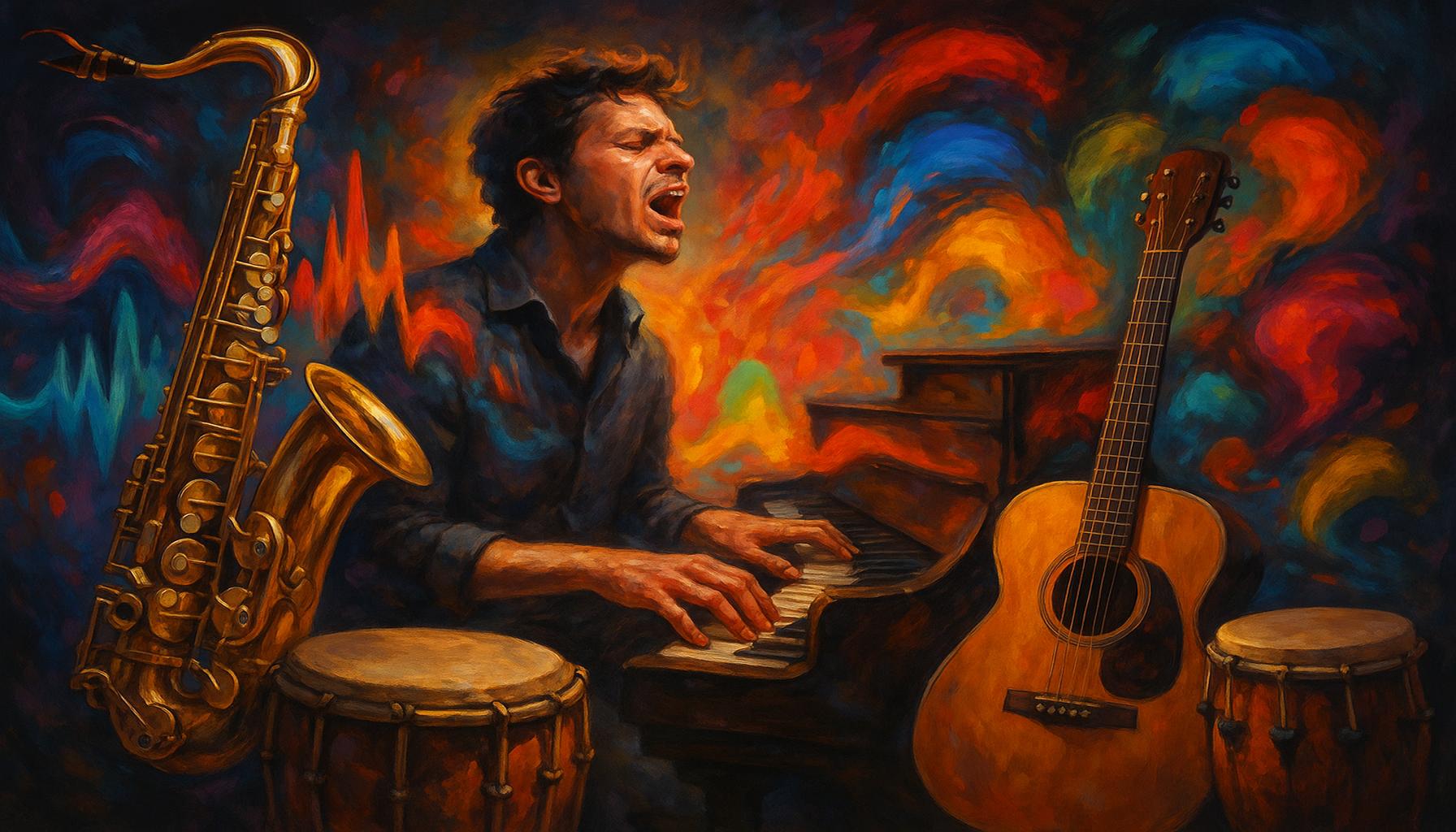
Music serves as a universal language, transcending barriers of culture and geography. Its power lies not only in melodies and harmonies but also in its ability to convey profound emotions and ideas. This intricate artistic form invites listeners to embark on a journey through a rich tapestry of genres, each reflecting unique human experiences and societal influences.
Genres of Expression
Exploring the many genres of music is akin to navigating a vibrant landscape, where each style offers a different perspective on life and its myriad challenges. For instance:
- Classical – Often evokes a sense of nostalgia and grandeur, drawing audiences into the dramatic compositions of legendary figures like Beethoven and Mozart. Their works have the power to transport listeners to different eras, infusing emotions that range from joy to melancholy.
- Blues – Originating from African American communities in the Deep South, this genre reflects struggles, heartache, and resilience. Artists like B.B. King and Muddy Waters use their music as a true form of catharsis, articulating deep-rooted emotions that resonate with those who have faced similar hardships.
- Rock – From the gritty rebellion of punk bands like The Ramones to the anthemic power of classic rock artists like Led Zeppelin, this genre embodies a spirit of defiance and energy. It appeals to the youthful essence in many, often serving as the soundtrack to personal and political revolutions.
- Hip-Hop – Emerging in the Bronx during the late 1970s, hip-hop has evolved into a powerful medium for storytelling and social commentary. Artists such as Tupac Shakur and Kendrick Lamar address systemic issues and personal narratives, creating a platform for dialogue within marginalized communities.
- Jazz – Celebrated for its improvisation and spontaneity, jazz represents freedom of expression. Legends like Louis Armstrong and Miles Davis pushed the boundaries of music, allowing musicians to convey emotions and ideas in real-time, showcasing the beauty of unpredictability.
The Emotional Spectrum
Beyond entertainment, music uniquely captures the spectrum of human emotions, offering solace and understanding at various stages of life. It has the capability to:
- Inspire joy and happiness through uplifting tunes, often found in upbeat pop hits or lively dance tracks that get people moving and smiling.
- Provide comfort during times of sadness or loss, as many find solace in ballads or soulful performances that echo their own experiences of grief.
- Ignite passion and enthusiasm with energetic rhythms, often heard in genres like EDM or reggaeton that energize listeners at festivals and parties.
This exploration of music unveils not just a form of entertainment but an intricate means of artistic expression. As we delve into its depths, we discover how music has the power to shape our identities and connect us to one another in profound ways. Indeed, by reflecting on the role of music in our lives, we invite ourselves to understand better its influence on culture, personal identity, and emotional well-being, encouraging us to appreciate its rich complexity and the stories woven into every note.
DIVE DEEPER: Click here to discover innovative dance styles

The Evolution of Genres and Their Impact
As we unravel the fascinating world of music, it becomes apparent that genres are not merely categories; they are vessels through which artists express their emotions and cultural narratives. Each genre reflects a distinct social context or historical moment, allowing listeners to connect with the artists on a deeper level. Whether it’s the powerful vocals of pop stars or the intricate melodies of classical compositions, every genre serves a specific purpose in the emotional landscape of humanity.
The Intersection of Culture and Music
Genres often emerge from particular cultural and societal conditions. Understanding these roots enhances our appreciation of what music offers. For example:
- Reggae – Born out of the struggles of the Jamaican people, reggae music is infused with themes of resistance and a call for social change. Artists like Bob Marley transformed personal strife into anthems that resonate with messages of hope and unity, transcending borders.
- Country – Deeply embedded in American culture, country music narrates tales of love, heartache, and the everyman’s journey. Artists such as Dolly Parton and Johnny Cash have used their songs to explore personal stories, often reflecting the joys and struggles faced by rural communities.
- Electroacoustic – This innovative genre merges electronic sounds with traditional instrumentation, illustrating humanity’s constant evolution in creativity. Artists like Björk and Radiohead experiment with soundscapes that provoke reflection and push musical boundaries, challenging conventional norms.
Emotional Resonance in Musical Genres
Each genre possesses unique qualities that resonate emotionally with listeners, often acting as a mirror reflecting their feelings and experiences. This emotional resonance is why music can evoke such strong reactions; it speaks to our shared experiences. For instance:
- Folk music often instills a sense of nostalgia and community, encapsulating the tales of everyday life, be it joyous or sorrowful.
- Metal provides a cathartic outlet for anger and frustration, allowing listeners to embrace their emotions in a powerful and often exhilarating way.
- Indie music is frequently characterized by its raw authenticity, presenting artists who share their vulnerabilities through introspective lyrics and sound, appealing to those seeking connection and understanding.
As we explore these genres, it becomes evident that music serves as a remarkable conduit for artistic expression. Each note, rhythm, and lyric invites us to delve into our own emotions while offering glimpses into the lives and struggles of others. Understanding the nuances of different musical styles not only enhances our listening experience but also enriches our comprehension of human emotion as a whole. Through this understanding, we unlock the true essence of music and its unparalleled ability to connect and inspire.
Exploring Genres: A Deep Dive into Musical Diversity
Music as a form of artistic expression transcends mere entertainment; it serves as a rich tapestry woven with distinct genres, each radiating its own unique emotions and cultural significance. The diversity of genres—from classical to jazz, rock to hip-hop—offers listeners a plethora of sonic experiences and emotional journeys.Within classical music, for instance, compositions by Beethoven can evoke feelings of majesty and introspection, showcasing the profound emotional depth that musical complexity can achieve. In contrast, jazz may conjure feelings of spontaneity and freedom; its improvisational nature invites both the musician and the audience to connect on an emotional level that is often exhilarating.The fusion of world music styles brings forth global soundscapes, enriching the listener’s understanding of diverse cultural histories and emotional expressions. For example, the melancholic notes of Indian classical music tell tales of love and loss, while the energetic rhythms of Latin music highlight joyous celebration and communal spirit.
Emotions: Music’s Universal Language
At its core, music acts as a universal language that communicates emotions beyond the barriers of age, language, and culture. The visceral impact of a strong melody or rhythm can transport listeners, making them feel understood and connected.Recent studies in music psychology reveal that different genres can trigger varying emotional responses. For instance, upbeat pop songs often enhance feelings of happiness and motivation, while slow ballads might evoke nostalgia or sadness. This profound connection between music and emotion can play a pivotal role in everything from personal healing to group solidarity.In exploring the emotive power of music, one can also consider the therapeutic aspects of genres such as classical or ambient music in aiding relaxation and mental well-being. Moreover, genres like punk or heavy metal often provide an outlet for deep-seated frustrations and anxieties, transforming raw emotions into cathartic experiences.Ultimately, the exploration of music as an artistic form of expression not only highlights its genres but emphasizes its role in the emotional landscape of humanity. The power of music lies in its ability to intricately weave together cultural narratives and personal sentiments, inviting listeners to delve deeper into its rich universe.
| Genre | Emotional Expression |
|---|---|
| Classical | Evokes introspection and majesty. |
| Jazz | Conveys spontaneity and freedom. |
| Pop | Enhances happiness and motivation. |
| Heavy Metal | Provides an outlet for frustration. |
DISCOVER MORE: Click here to dive deeper
The Therapeutic Power of Music
Beyond its role as an artistic expression, music has demonstrated profound effects on mental health and emotional well-being. The therapeutic use of music, often referred to as music therapy, utilizes the intrinsic connection between sound and emotion to aid individuals in processing feelings and experiences. This dynamic interaction is evident across various genres that cater to distinct emotional needs.
Music as Healing Tool
One of the most compelling aspects of music is its ability to heal. Research indicates that listening to music can reduce anxiety, alleviate depression, and promote relaxation. For example:
- Classical Music – Often associated with tranquility, composers like Johann Sebastian Bach and Wolfgang Amadeus Mozart have been shown to enhance cognitive function and emotional stability. The soothing cadences of classical music can help individuals manage stress and improve focus, making it a popular choice in therapeutic settings.
- Chill-out and Ambient Music – With its ethereal soundscapes, genres such as chill-out or ambient music create environments conducive to mindfulness and meditation. Artists like Brian Eno have transformed how we perceive sonic landscapes, offering listeners an escape from the chaos of modern life through rich auditory experiences.
- Hip-Hop – Emerging from the streets, this genre narrates stories of struggle, resilience, and empowerment. Artists like Kendrick Lamar and Chance the Rapper have made significant contributions to mental health discussions through their lyrics, using their platforms to address issues such as depression, trauma, and societal pressures, establishing a connection that resonates profoundly with their audience.
Building Community Through Music
Music also serves as a communal experience that fosters connection and belonging. Festivals, concerts, and local shows are pivotal gatherings where shared musical experiences cultivate relationships among diverse individuals. This social aspect of music allows for:
- Collective Identity – Genres such as punk rock and hip-hop create spaces for marginalized communities, promoting solidarity through shared stories and artistic expression. The punk movement of the 1970s, for instance, gave voice to youth disillusionment, encouraging a sense of rebellion that united generations.
- Social Activism – Many artists utilize their music to advocate for social change, using their influence to rally audiences around critical causes. The rise of genres like folk and hip-hop showcases how musical expression can ignite social movements, compel listeners to reflect on societal injustices, and motivate action, as seen in the works of artists like Joan Baez and Nas.
- Shared Laughter and Joy – Genres such as comedy music and novelty songs bring humor and levity, reminding us of music’s ability to uplift. Funny music acts like “Weird Al” Yankovic play on cultural references, providing laughter that cuts through daily stresses and forges connections among audiences.
These various aspects reveal how music transcends mere entertainment, acting as a powerful force for healing, community building, and emotional expression. From the individual seeking solace in a soothing ballad to the community uniting behind a socially conscious anthem, music resonates deeply within our lives, allowing us to explore the intricate tapestry of human emotion. As we continue to uncover the nuances of musical genres, we are reminded of the unparalleled capability of music to inspire change, foster connections, and evoke the spectrum of human experiences.
LEARN MORE: Click here to dive into musical composition tips
Conclusion: The Infinite Language of Music
In our exploration of music as a form of artistic expression, we have unveiled its remarkable ability to evoke a myriad of emotions, solidify collective identities, and engage in the healing process. Each genre serves as a unique lens through which listeners can interpret their experiences and feelings, providing a sanctuary for those seeking understanding and solace. From the intricate harmonies of classical music that encourage relaxation to the powerful narratives found in hip-hop, music remains an unparalleled means of communication that transcends barriers.
Moreover, the communal aspect of music enriches our lives by forging connections, fostering solidarity in social movements, and celebrating shared moments. Events like concerts and festivals not only showcase the art form but also reinforce the importance of community, offering spaces where diverse individuals can come together. This cultural unification is reflected in everything from punk rock resisting societal norms to folk music articulating collective struggles for justice.
As we continue to engage with music, let us recognize its transformative potential—allowing us to acknowledge our pain, celebrate our joys, and ultimately, conquer isolation. For those willing to listen, music serves as a powerful narrative of the human experience, capturing the essence of our emotions and encouraging us to explore life through its rich tapestry of sounds. Whether as a listener, creator, or community member, embracing music can lead to profound connections and insights, reminding us of our shared humanity in an ever-complex world.