The Importance of Abstract Art in Exploring Emotion and Personal Authenticity

Exploring the Emotional Landscape of Abstract Art
Art stands as a vital medium for expression, providing a conduit for artists and viewers alike to engage with their emotions. Among its myriad forms, abstract art offers a particularly intriguing approach, allowing individuals to explore deep-seated feelings and personal truths in a manner that traditional art forms often cannot. By moving away from recognizable subjects, abstract creations invite a broader interpretation, fostering a connection that transcends mere visual appreciation.
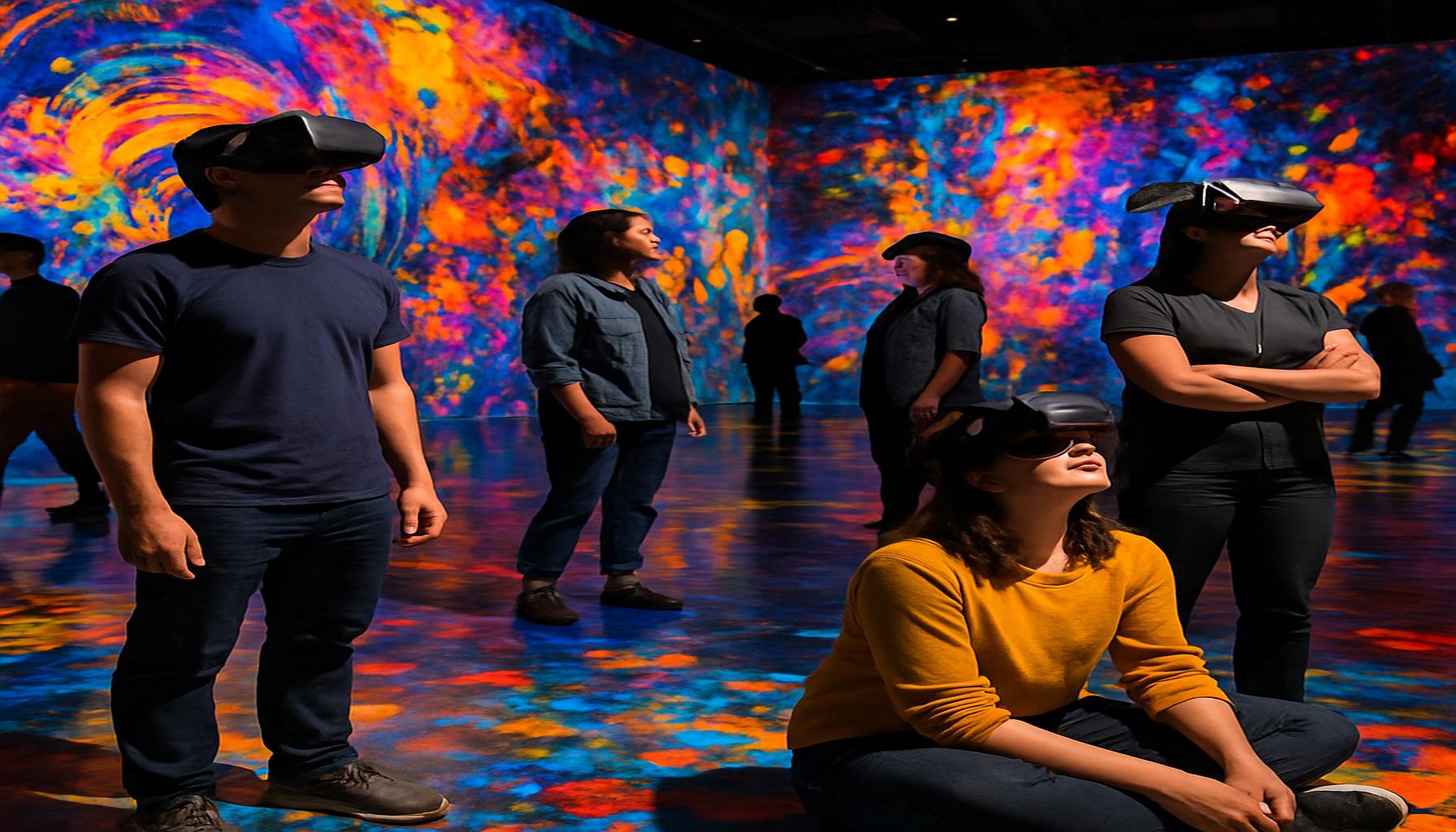
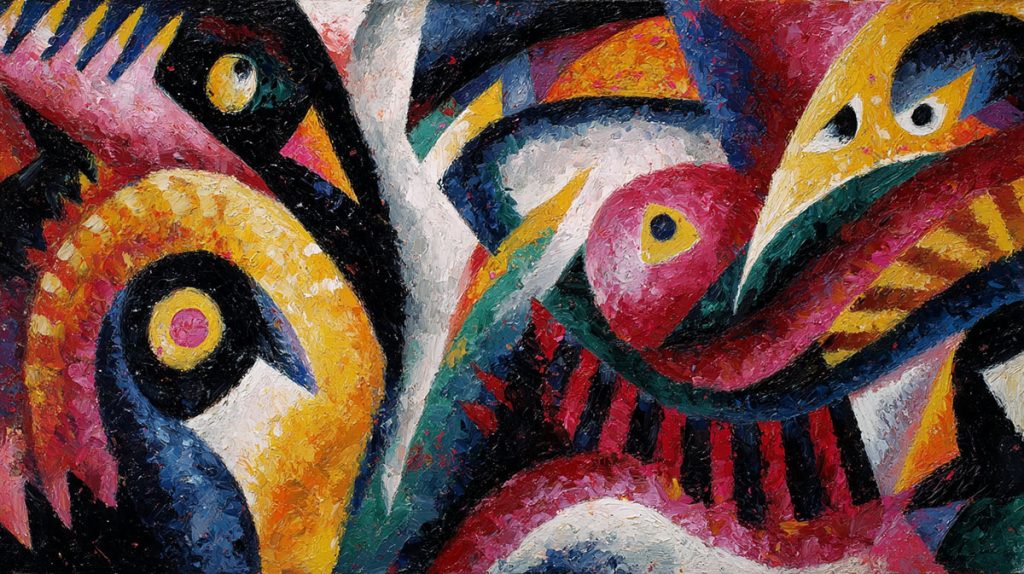
One key aspect of abstract art lies in how it encourages emotional resonance. For example, vibrant splashes of red may ignite passion or anger, while cool blues can instill calmness or sadness. The interaction between color, shape, and texture creates a rich tapestry of stimuli that resonates on a personal level. This varied emotional palette means that individuals can find unique meanings based on their own experiences. A piece that evokes joy for one viewer may elicit introspection or nostalgia in another, creating a shared yet individualistic experience.
Further enriching the interaction, abstract art prompts personal reflection. Viewers frequently examine their own feelings and thoughts when engaging with abstract forms. This introspection often leads to deeper insights about authentic self-perception. For instance, an artist’s chaotic brushstrokes may mirror a viewer’s tumultuous thoughts, offering a moment of recognition and validation. In art therapy, professionals utilize abstract art to help clients express emotions that may be hard to articulate verbally, showcasing the therapeutic potential embedded in this genre.
Moreover, abstract art cultivates a universal connection, bridging cultural and linguistic divides. An abstract painting can evoke similar emotions in individuals from vastly different backgrounds, creating a shared space for dialogue and exploration. For instance, a well-known piece like Wassily Kandinsky’s “Composition VII,” with its dynamic forms and colors, resonates globally, inviting individuals to project their emotions and interpretations onto it. This universality highlights how abstract art serves as a mirror reflecting the collective human experience.
In recent times, various fields, including psychology and education, have begun to recognize the significant role of abstract art in fostering emotional exploration and self-discovery. Educational programs are increasingly incorporating abstract art into curricula to stimulate critical thinking and emotional insights among students. By engaging with abstract forms, students learn to articulate complex emotions, thereby enhancing their emotional intelligence and communication skills.
As we explore the intricate relationship between abstract art and emotion, we unveil its power in promoting self-discovery and personal growth. Each viewing experience holds the potential to unlock new layers of meaning and understanding, making abstract art not just a visual experience, but a deeply emotional journey. Through this lens, we can appreciate the richness of human emotion and the diverse ways it can be expressed, validated, and understood in the context of art.
DIVE DEEPER: Click here to discover more
The Transformative Power of Abstract Art
Abstract art serves as a powerful tool for exploring emotion and enhancing personal authenticity in ways that other artistic forms may struggle to achieve. At its core, abstract art invites individuals to embark on a journey of interpretation that is deeply personal. Unlike representational art, which typically depicts identifiable forms and objects, abstract art strips away the recognizable, allowing for a more fluid exploration of the self. This removes barriers, letting individuals engage with their raw emotions without the constraints of societal expectations or pre-defined narratives.
The unique nature of abstract art enables viewers to experience a diverse range of emotions. Some of the most effective elements that contribute to this emotional journey include:
- Color: Each hue can evoke specific feelings. For example, yellows may invoke happiness or optimism, while darker colors might suggest melancholy or introspection.
- Form and Shape: The combination of geometric or organic shapes influences how viewers perceive the work. Sharp angles may create tension, while smooth curves might instill a sense of calm.
- Texture: The tactile quality of a piece—whether it is smooth, rough, layered, or flat—enhances emotional engagement, as it encourages a sensory experience that further connects the viewer to their emotions.
Engagement with abstract art is not only about observation but also about personal involvement. When individuals find themselves captivated by a piece, it often prompts them to reflect on their emotional state and identity. This process of reflection can be profound; for instance, the disarray within a piece may resonate with an individual experiencing turmoil, providing an unspoken acknowledgment of their feelings. In this manner, abstract art acts as a catalyst for personal discovery, encouraging individuals to confront and articulate complex emotions that may otherwise remain hidden.
As various studies suggest, the connection between art and emotional well-being is undeniable. Art therapy, which frequently utilizes abstract techniques, illustrates how creating or interacting with abstract art can lead to catharsis, self-awareness, and healing. Therapists have found that encouraging clients to engage with non-representational forms facilitates a more profound exploration of the self, enabling them to communicate feelings with greater accuracy. This is particularly crucial for those who find verbal expression challenging.
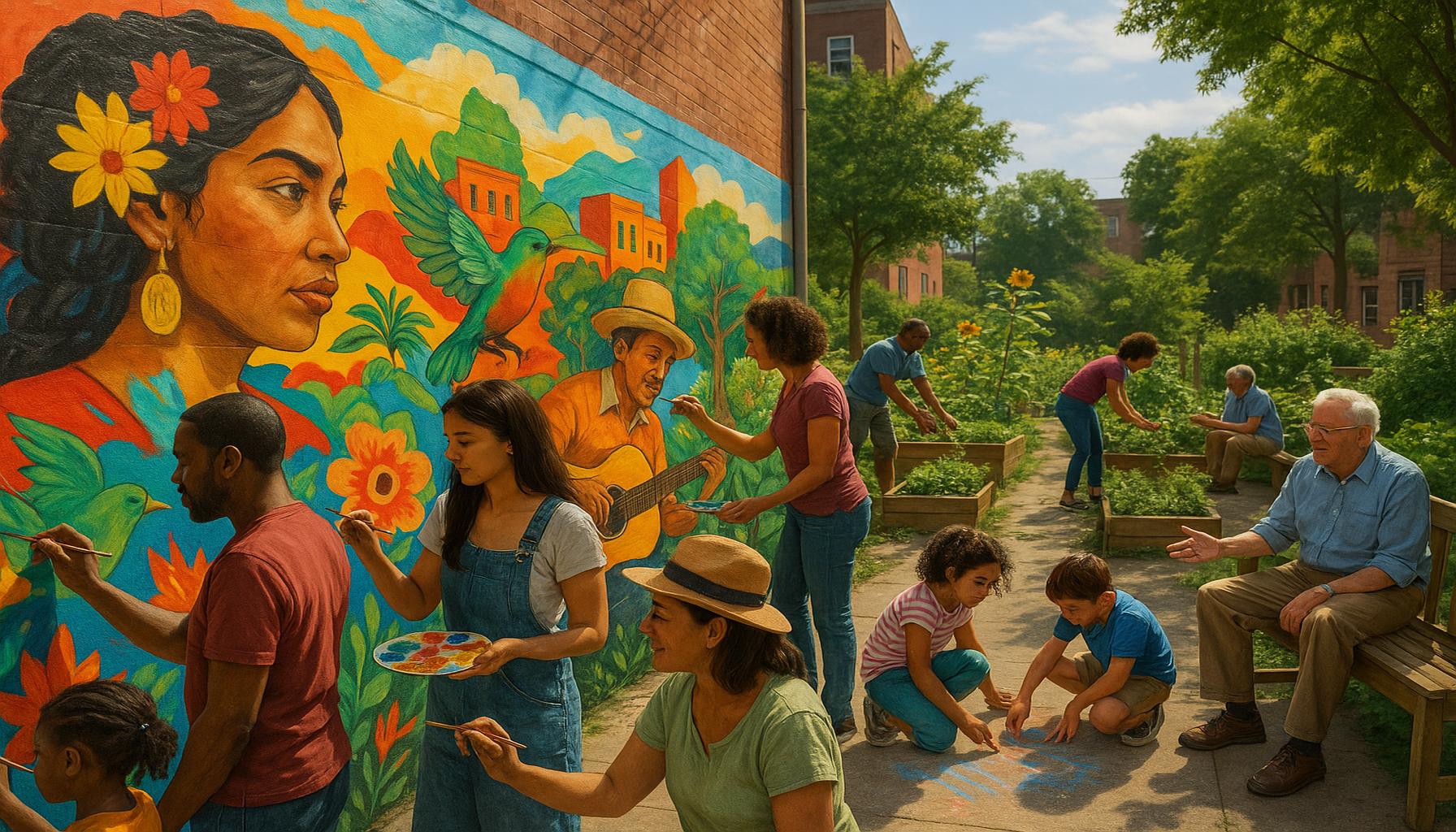
Additionally, abstract art fosters a sense of communal experience, where individuals come together to explore shared emotions. For example, community art projects often employ abstract techniques to unify diverse groups of people through collective expression. This not only strengthens interpersonal connections but also underscores the idea that emotions, as expressed through abstract art, can reflect societal sentiments while simultaneously showcasing individual experiences. Such interactions illustrate the universal appeal of abstract art as a means of bridging personal authenticity and shared human experiences.
The Transformative Power of Abstract Art
Abstract art serves as a compelling medium for evoking deep emotional responses and transcending traditional artistic expression. By breaking away from representational forms, abstract art allows individuals to explore their own feelings and thoughts without the constraints of realism. This genre invites viewers to interpret meaning according to their unique experiences, thus fostering a profound connection between the observer and the piece.
Emotional Exploration Through Color and Form
Colors and shapes in abstract art can convey complex moods. For example, a bold use of red may evoke feelings of passion or anger, while soft blues can bring about tranquility. The absence of concrete imagery encourages viewers to immerse themselves fully in their emotional responses, prompting reflection and personal insight. This exploratory process can be therapeutic, serving as a catalyst for self-awareness and emotional growth.
Cultivating Personal Authenticity
In addition to emotional exploration, abstract art plays a crucial role in personal authenticity. Artists often use abstraction to express their innermost feelings and perspectives that cannot be articulated through conventional forms. This authenticity encourages viewers to embrace their own individuality and creativity. Engaging with abstract pieces can inspire individuals to seek out and celebrate their unique voices, prompting a journey toward self-discovery.
| Category | Advantages |
|---|---|
| Emotional Resonance | Allows exploration of feelings in a personal and intimate manner. |
| Personal Expression | Encourages creativity and the declaration of one’s true self. |
The Role of Abstract Art in Therapy
Recent studies have shown that engaging with abstract art can significantly improve mental well-being. Art therapy programs increasingly utilize abstract techniques to enable participants to express emotions that are often hard to verbalize. The act of creating or interpreting abstract pieces can lead to healing, allowing individuals to confront and process their emotions in a safe and structured environment.
In summary, abstract art not only provides a platform for emotional exploration but also nurtures personal authenticity and fosters therapeutic benefits. By engaging with abstract works, individuals embark on a transformative journey, unlocking their creativity and enriching their emotional landscape.
DISCOVER MORE: Click here for fun projects to enjoy with your kids
Embracing Vulnerability through Abstract Expression
As abstract art continues to gain traction, particularly in modern galleries and community spaces, its potential to foster vulnerability and genuine self-exploration becomes increasingly evident. One of the most intriguing aspects of abstract art is its ability to express what is often unspeakable: the intricate tapestry of human emotion. By moving beyond traditional forms of representation, artists create works that allow viewers to confront discomfort, conflict, and ambiguity—elements that are intrinsic to the human experience.
One notable case is the work of contemporary artist Mark Rothko, whose large, vibrant color fields challenge viewers to experience a visceral reaction. Rothko’s pieces are not merely aesthetically pleasing; they invite introspection, evoking feelings of awe, melancholy, or even unease. Such responses can motivate individuals to dig deeper into the canvas of their own lives, cultivating a greater understanding of their emotions and enabling a pathway toward authenticity.
Studies have shown that engaging with abstract art can enhance personal authenticity by promoting an exploration of identity and emotional truth. When viewers find resonance with an abstract composition, they often feel liberated to express themselves more openly. This liberation is essential in a culture that frequently silences or dismisses authentic emotions. The experience of interpreting abstract art encourages commitment to self-exploration, challenging individuals to redefine their narrative and reject conformist ideals.
Moreover, participation in abstract art-making is a transformative avenue for both artists and non-artists alike. Resources such as workshops, community art initiatives, and accessible online platforms provide opportunities for personal engagement with abstract techniques. Activities ranging from spontaneous painting to mixed media experimentation cultivate a safe space for individuals to explore their feelings without judgment. This participatory model is especially vital in a society grappling with mental health challenges, where fostering emotional expression is crucial for well-being.
Additionally, the cultural relevance of abstract art offers vital commentary on today’s sociopolitical landscape. Artists like Julie Mehretu utilize abstraction to communicate complex themes such as displacement, identity, and resistance, emphasizing the role of emotions within societal contexts. This connection between individual experiences and broader social issues underscores how abstract art can provoke collective reflection and response, resonating deeply with audiences and reinforcing a sense of community amid diversity. Such interactions provide fertile ground for those seeking greater personal authenticity while grappling with larger existential questions.
In essence, abstract art does not merely serve as a medium for aesthetic enjoyment; it acts as a dynamic platform for emotional exploration and self-discovery. Through its ability to break down barriers and invite vulnerability, abstract art ultimately empowers individuals to embrace their emotional truths and confront the complexities of their own narratives. In navigating these depths, one can find solace, validation, and a profound sense of connection to both the self and others, reinforcing the importance of abstract art in contemporary society.
DISCOVER MORE: Click here for seasonal decoration ideas
Conclusion: The Transformative Power of Abstract Art
In a world often dominated by tangible realities and explicit expressions, abstract art emerges as a powerful conduit for exploring emotion and nurturing personal authenticity. As this genre continues to evolve, it becomes clear that the vibrant interplay of colors, shapes, and forms serves not just to adorn walls but to evoke profound emotional responses and encourage self-reflection. This mostly non-verbal language of creativity invites individuals to delve deeper into their own psyches, confronting feelings that may have previously felt unreachable.
Through the lens of abstract expression, both artists and audiences are granted the freedom to express their innermost thoughts and struggles without the constraints of conventional representation. Mark Rothko’s emotive works, alongside those of contemporary creators like Julie Mehretu, challenge societal norms and articulate complex emotional landscapes, fostering a culture where personal narratives can coexist with larger social dialogues.
Moreover, community-based art initiatives and accessible platforms provide essential opportunities for individuals to engage with their feelings through artistic creation, reinforcing the idea that everyone possesses the capacity for personal expression. As participation in such artistic endeavors grows, so does the understanding that emotional authenticity is vital for mental well-being and collective resilience.
In conclusion, the relevance of abstract art extends far beyond aesthetic enjoyment; it serves as a means to navigate the intricate pathways of human emotion, enabling both personal and communal exploration. By embracing the complexities presented through abstraction, we can inspire deeper connections with ourselves and others, ultimately championing the importance of authentic expression in our increasingly multifaceted world.