The Intersection of Technology and Art: New Frontiers in Artistic Expression Through Digital Tools
Exploring Digital Creativity
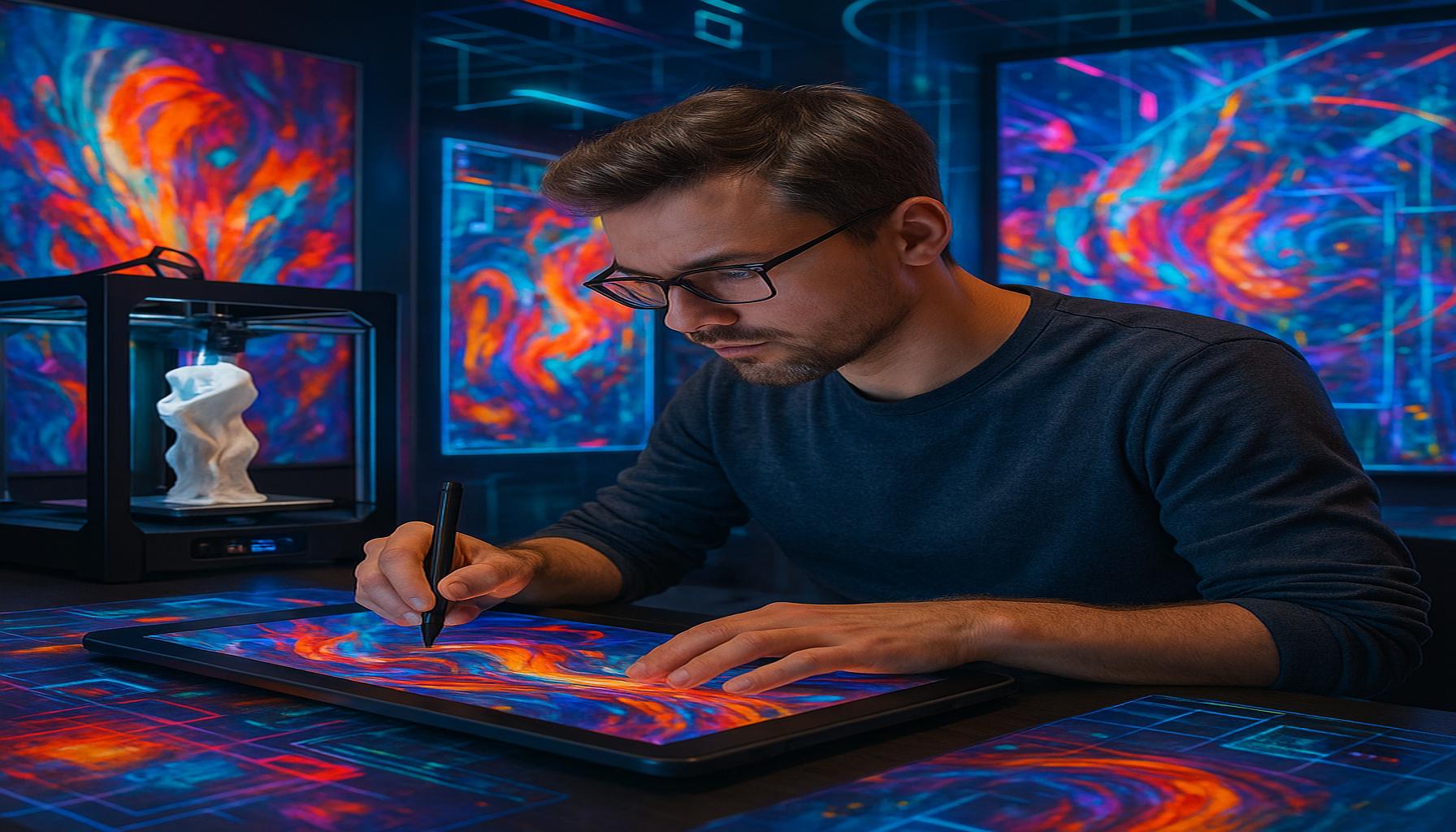
The boundaries between technology and art are continually merging, creating exciting opportunities for artists and audiences alike. New digital tools have revolutionized artistic expression, allowing creators to push the limits of their imagination. This fusion sparks innovation in ways we have yet to fully appreciate. Digital creativity is not merely a trend but a fundamental shift in how art is created, shared, and experienced in the contemporary world.
Transformative Tools and Techniques
Emerging technologies like virtual reality (VR), augmented reality (AR), and AI-generated art are reshaping the landscape of creative practices. Artists are now exploring groundbreaking forms, merging technical prowess with artistic ambition. For instance:
- Interactive installations: These engage viewers through immersive experiences that encourage participation. An example is the “The Obliteration Room” by Yayoi Kusama, where visitors add dots of color to a white room, transforming the space through collective input.
- Digital canvases: Artists can create unlimited, dynamic art in virtual spaces, allowing for works that evolve over time. Programs like Procreate and Adobe Fresco facilitate this creativity, enabling artists to manipulate their work without the limitations of physical materials.
- Generative art: This technique uses algorithms to produce unique visuals, often resulting in a fusion of mathematics and aesthetics. Artists like Refik Anadol utilize machine learning to create mesmerizing visualizations that are constantly changing, offering viewers a different experience each time they engage with the artwork.
A New Era of Artistic Expression
This evolution not only broadens how art is created but also how it is experienced. Audiences can now appreciate art in multidimensional and interactive forms, transcending traditional boundaries of media. For example, immersive art exhibits such as “Van Gogh: The Immersive Experience” leverage projection mapping techniques to allow viewers to step inside the world of the artist, creating a unique sense of presence.
As technology continues to advance, the potential for innovative collaborations between artists and technologists will further shape the future of artistic expression. The impact of social media platforms and online galleries allows artists to reach global audiences, breaking down geographical barriers and democratizing the art world. In this digital age, the intersection of creativity and technology is not just a possibility; it is an exciting reality that invites both artists and audiences to reconsider what art can be.
DISCOVER MORE: Click here to unlock the power of emotions in your writing
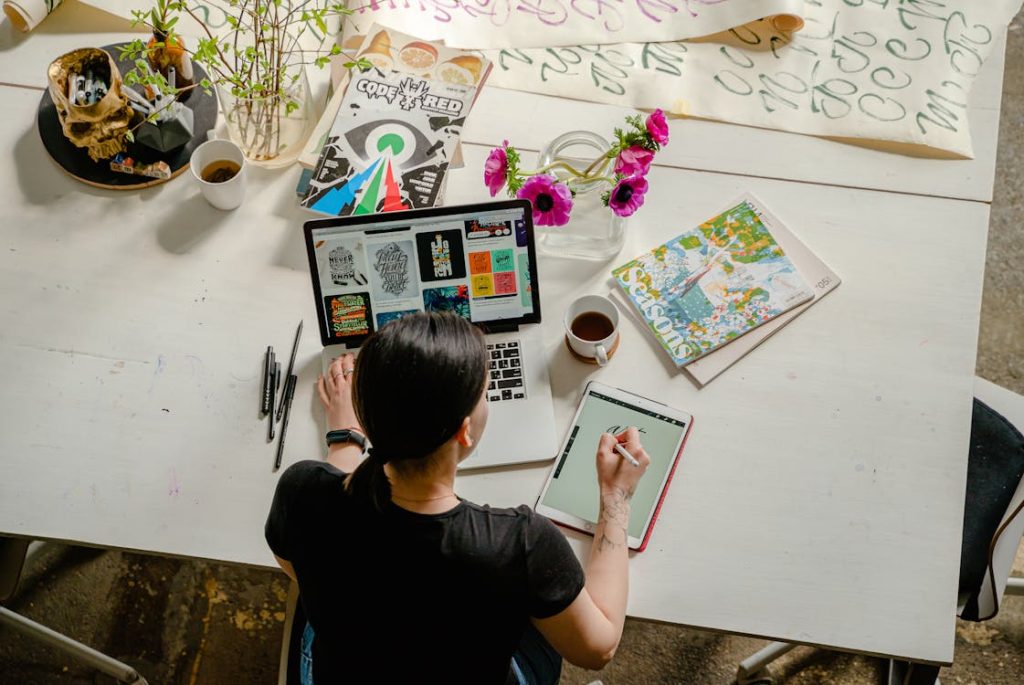
Innovative Mediums and Their Impact
The confluence of technology and art has paved the way for a multitude of innovative mediums that engage artists and audiences in unprecedented ways. The digital landscape not only introduces new tools and platforms but also alters the very concept of what an artwork can entail. As creators embrace these tools, they begin to redefine artistic boundaries, exploring realms that were previously unimaginable.
One of the most significant developments in this intersection is the rise of digital art, which encompasses a vast array of practices, including digital painting, 3D modeling, and animation. Through software like Blender, Ta Krita, and Adobe Creative Suite, artists are converting traditional techniques into digital formats. This transition allows for greater experimentation and flexibility, enabling artists to manipulate their works with ease, replicate processes, and collaborate across distances without the constraints posed by physical materials.
The Role of Artificial Intelligence
One of the most talked-about advances in digital creativity is the emergence of artificial intelligence in the creative process. AI tools such as DeepArt and DALL-E are enabling artists to generate novel artwork and even simulate an artist’s style. By harnessing vast datasets and machine learning algorithms, these tools offer extraordinary possibilities for artists, producing unique artworks that challenge traditional notions of authorship and creativity.
- AI as a collaborator: AI can analyze and mimic styles, allowing artists to treat algorithms as co-creators. This partnership has led to fascinating outcomes, such as artworks generated entirely by AI that remain indistinguishable from those produced by human hands.
- Creative assistance: AI can also act as an aid during the creative process, suggesting compositions, color palettes, or even modifications to existing pieces. This kind of assistance expands the creative toolkit available to artists, making it easier to explore new directions.
- Discussions on authorship: The use of AI raises provocative questions about the nature of authorship in art. Are these AI-generated pieces truly the work of a single artist, or are they a product of collaborative intelligence? This dialogue is opening new avenues for artists to explore.
Virtual and Augmented Realities
As technology progresses, virtual reality (VR) and augmented reality (AR) are emerging as powerful mediums for artistic expression. These immersive technologies allow artists to create experiences that dissolve the line between viewer and participant. Virtual environments can transport audiences to entirely new worlds, while AR enhances the physical space by adding digital layers. Examples such as the interactive art installation “Dreamed Realities” illustrate how these technologies offer a participatory experience, inviting audiences to engage with art more personally.
The combination of these innovative mediums and advanced technologies demonstrates that the evolution of art is ongoing. By embracing the potential of digital tools, artists continue to open new frontiers that invite engagement, challenge perceptions, and ultimately redefine our understanding of art in the contemporary landscape.
| Advantages of Technology in Art | Impacts on Creative Expression |
|---|---|
| Accessibility | Digital tools enable artists worldwide to create and share their work without geographic limitations. |
| Innovation | Emerging technologies, such as augmented reality and AI, stimulate new artistic possibilities and interactive experiences. |
| Collaboration | Digital platforms foster collaborations among artists, technologists, and audiences, enhancing creativity and innovation. |
The integration of technology into the artistic realm has come to redefine expressive boundaries, sparking dynamic conversations about the nature of creativity itself. As these digital tools continue to advance, they offer artists unprecedented avenues to explore and elaborate upon their visions. For instance, virtual reality allows creators to craft immersive environments, inviting viewers to engage in ways traditional mediums cannot replicate. Additionally, the rise of social media has transformed the art consumption landscape, enabling instantaneous feedback and global exposure. This shift not only democratizes the art world but also cultivates a community-driven approach, where audience interaction actively influences artistic direction. As artists and technologists collaborate, they unveil exciting experiments, pushing the envelope of traditional art forms into thrilling territories.This fusion of art and technology not only enhances artistic expression but also challenges societal norms, demanding an exploration of ethics, aesthetics, and identity in digitized contexts. As these new frontiers expand, the dialogue surrounding technology’s role in art continues to evolve, leaving a profound impact on what it means to be a creator today.
DISCOVER MORE: Click here to learn about community art’s impact
Democratization of Art and Access to Creative Tools
The intersection of technology and art is also democratizing artistic expression, increasing access to creative tools for individuals who may not have had the opportunity to engage with traditional art forms. Online platforms, open-source software, and mobile applications are breaking down barriers and allowing more people to experiment with their creativity, irrespective of their background or resources.
Utilizing tools like Canva, Procreate, or Pixlr, aspiring artists can turn their ideas into reality without investing heavily in expensive equipment or formal training. Online tutorials and communities flourish across platforms like YouTube and Skillshare, enabling newcomers to learn from experts around the world. This democratization supports a diverse range of voices, fostering a rich tapestry of artistic expression that reflects varying cultural perspectives.
Social Media as a Global Art Gallery
The rise of social media platforms such as Instagram, TikTok, and Pinterest has transformed how art is shared and consumed. These platforms serve not only as promotional tools but also as vibrant global art galleries, where artists can showcase their work to audiences worldwide. With millions of users engaging with content daily, the potential for virality can elevate lesser-known artists to prominence almost overnight.
- Accessibility to audiences: Through social media, artists can engage with an audience of millions without the need for art dealers or gallery spaces. This direct connection allows for immediate feedback and portfolio-building, empowering artists to find their niche and build a dedicated following.
- Collaboration and cross-pollination: These platforms have also facilitated collaborations between artists from different disciplines, leading to exciting new cross-genre works. For instance, musicians and visual artists can team up to create multimedia experiences that blend sound and visuals in unprecedented ways.
- Online competitions and exhibitions: Many artists are also participating in online challenges or virtual exhibitions, hosting galleries in digital spaces that can be accessed globally. This shift not only enhances exposure but also instills a sense of community among artists and viewers alike.
Technology and Environmental Consciousness in Art
Another important aspect of the intersection between technology and art is the growing awareness of environmental consciousness within creative practices. Artists are increasingly using technology to address ecological issues and inspire audiences to reexamine their relationship with nature. Digital mediums enable artists to create thought-provoking works that incorporate data visualization and interactive installations to communicate pressing environmental concerns.
- Data as an artistic tool: Many artists are transforming raw environmental data into engaging visuals, making complex information digestible for the public. For instance, projects like “The Ocean Data” use visualizations to illustrate the impact of climate change on marine life, urging viewers to consider the planet’s health.
- VR experiences promoting conservation: Immersive VR experiences allow users to explore endangered ecosystems, offering a first-hand view of the beauty that is at risk. This emotional connection compels audiences to take action towards preservation efforts.
- Upcycling and digital fabrication: Additionally, artists are leveraging techniques such as 3D printing and upcycling to create pieces that highlight the importance of sustainability, extending the conversation into physical art forms that advocate for environmentally friendly practices.
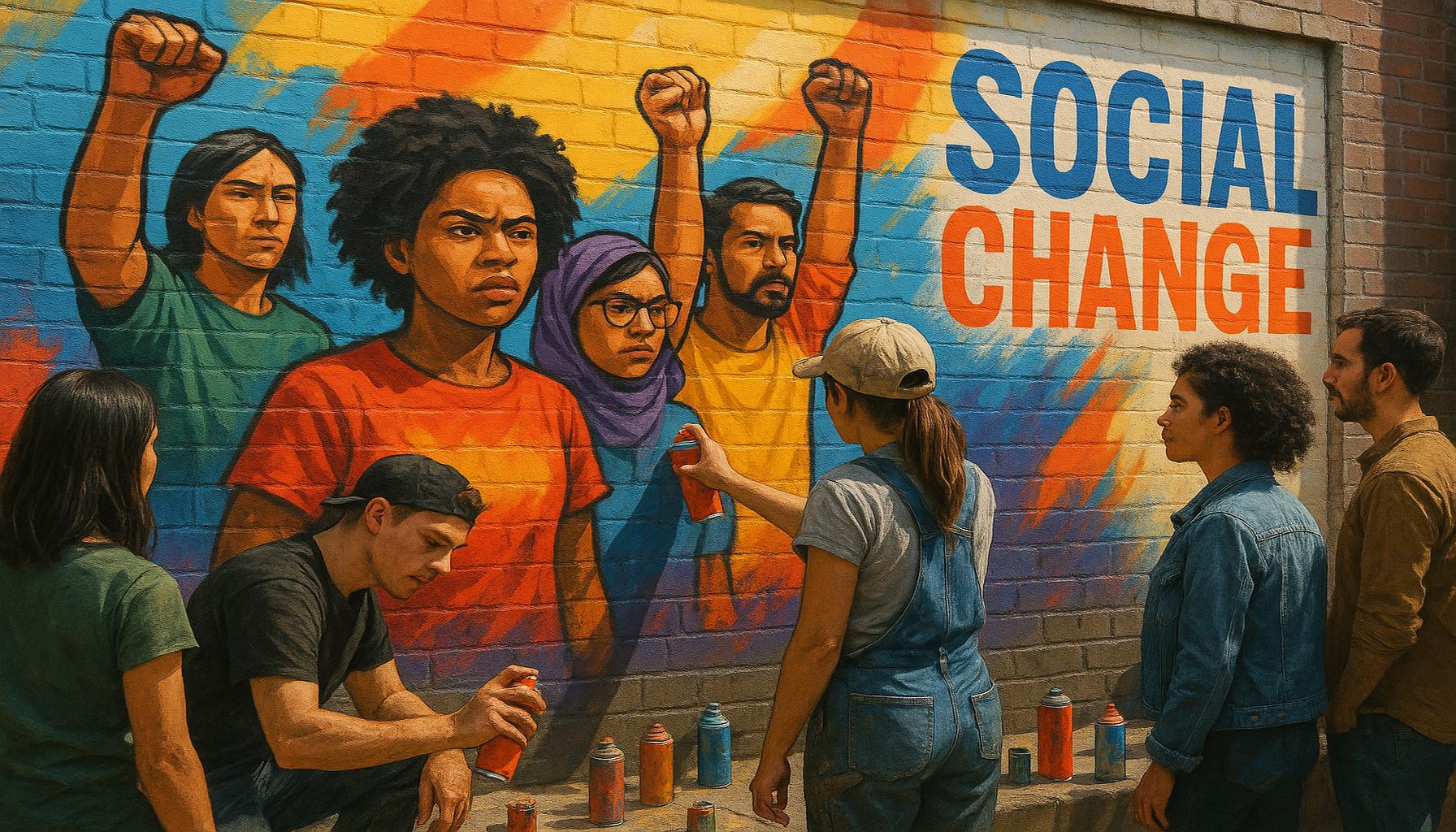
In essence, the intersection of technology and art not only offers new creative possibilities but also serves as a tool for social change, making art more accessible, diverse, and relevant in today’s world. Through an exploration of these digital frontiers, artists and audiences alike are discovering innovative ways to connect, collaborate, and convey vital messages that resonate far beyond traditional canvases.
DISCOVER MORE: Click here to delve deeper
In Closing: Embracing the New Artistic Landscape
The intersection of technology and art is reshaping how we understand and experience creative expression. As digital tools evolve, they not only empower artists to explore new mediums but also encourage a broader participation from a diverse audience. This fusion highlights the value of inclusivity, enabling voices from various backgrounds to contribute to the ever-expanding artistic dialogue.
The cultural landscape has been significantly enhanced by the advent of social media, positioning these platforms as global art galleries that promote dialogue and collaboration. Artists are no longer limited to traditional canvases or exclusive exhibitions; they can share and refine their work in real-time, forging connections that transcend geographical boundaries. This digital exchange nurtures a community that values innovation and cross-disciplinary collaboration, leading to unexpected and exciting artistic synergies.
Furthermore, as artists leverage technological advancements to tackle pressing environmental issues, they invoke a sense of responsibility while inspiring viewers to take action. By intertwining art with ecology through data visualization and immersive experiences, art becomes an advocacy tool, compelling audiences to engage with the world around them.
As we look to the future, the continuous evolution of artistic expression through digital tools invites us all to reconsider our relationships with art and technology. We encourage readers to explore these new frontiers, fuel their curiosity, and engage with the vibrant tapestry of creativity that emerges from this remarkable intersection. Whether as creators or consumers, embracing these advancements will lead us towards a more inventive and connected society.