The Art of Visual Storytelling: Telling Stories Through Illustrations and Paintings

Unveiling Stories Through Images
In a world teeming with words, visual storytelling emerges as a compelling art form, seamlessly bridging the gap between silence and voice. By utilizing illustrations and paintings, artists convey intricate narratives that engage the viewer’s imagination and evoke emotions. This age-old craft invites us to explore the depths of creativity and human experience, allowing for a profound connection to the stories being shared.
Consider the following elements that characterize visual storytelling:
- Imagery: Every stroke of a brush or line of a sketch can narrate a moment, capturing emotions and atmospheres. For instance, the haunting portrayal of a stormy sea can evoke feelings of turmoil or danger, while a bright, sunny landscape might transport viewers to a place of peace and serenity.
- Symbolism: Artists employ symbols to add layers of meaning, inviting viewers to decipher deeper narratives. Take, for example, the use of a broken chain in artwork to signify freedom or resilience, reflecting the struggles faced by communities striving for liberation throughout history.
- Color: The use of color sets the tone, influencing how stories are perceived and felt. Warm tones, such as reds and oranges, often convey excitement or passion, whereas cooler tones like blues and greens might evoke calmness or melancholy.
From the vivid landscapes of American Impressionism to the thoughtful portraits of contemporary artists, each visual piece serves as a window to diverse stories. Artists harness the power of their medium, crafting tales that resonate on personal and cultural levels. For example, the works of renowned American artist Edward Hopper often explore themes of loneliness and isolation, prompting viewers to reflect on their own experiences within society.
This exploration of visual storytelling also highlights various themes, such as:
- Identity: How do illustrations reflect personal journeys? Every brushstroke can reveal an artist’s background, experiences, and how they perceive themselves in relation to the world. The vibrant self-portraits of artists like Frida Kahlo exemplify this, intertwining her heritage and personal struggles with the visual narrative.
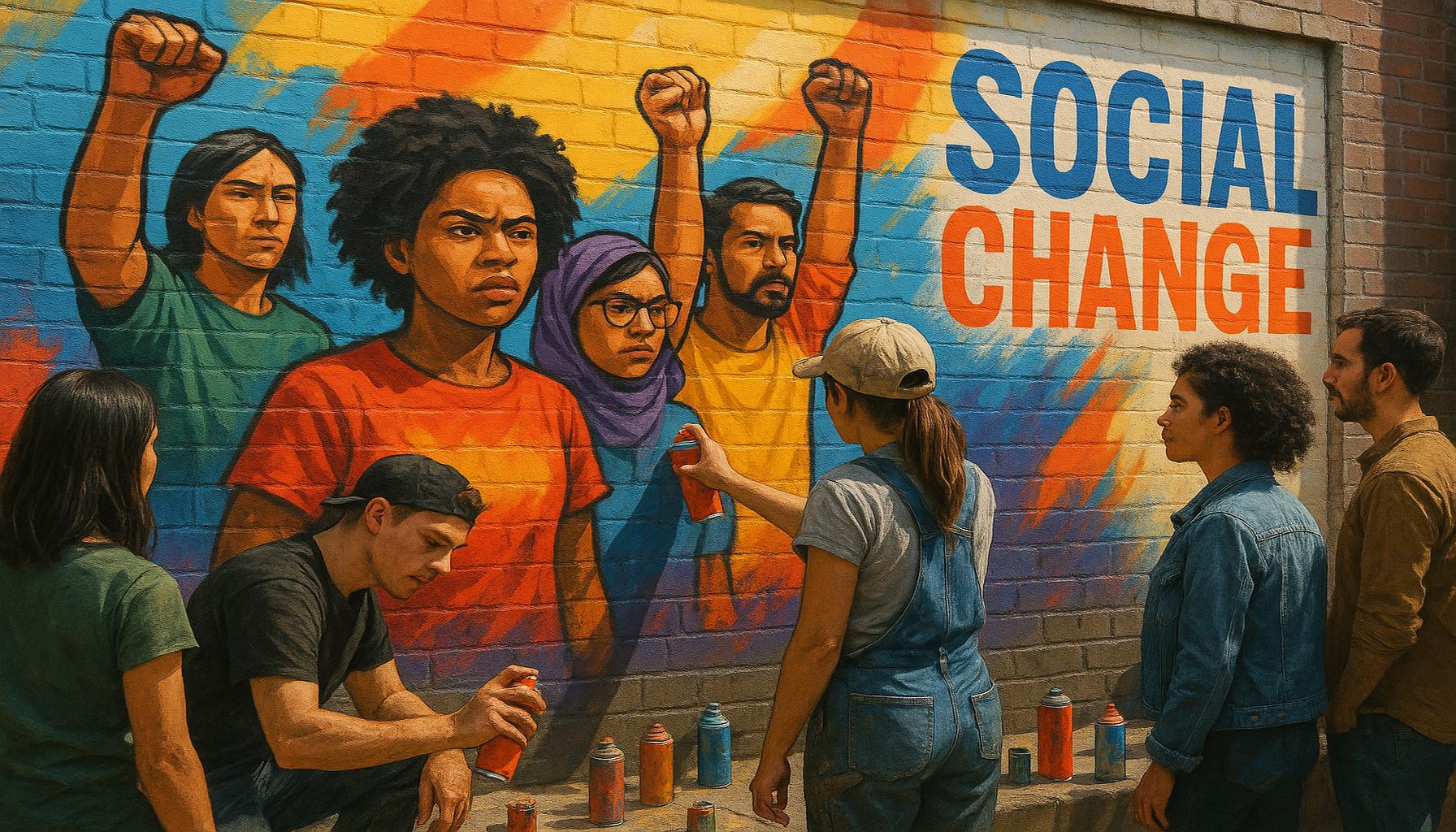
- Societal Issues: In what ways can artworks challenge perceptions? Contemporary artists often use their platforms to comment on societal disparities and injustices, as seen in the bold street art movements that address issues like racial inequality and climate change.
- History: How do paintings encapsulate historical narratives for future generations? Works like “American Gothic” by Grant Wood not only capture the heart of America during the Great Depression but also invite discussions around societal values and the American identity.
As we delve deeper into this fascinating realm, prepare to discover the intricate relationship between images and storytelling. Visual narratives challenge our perspectives, inviting us to question, learn, and engage with the world around us. This unique form of storytelling is not only essential in art but also permeates various media, shaping cultures and influencing generations.
DISCOVER MORE: Click here to enhance your DIY experience
The Language of Colors and Forms
In visual storytelling, colors and forms act as critical components that convey meaning even before the viewer processes any textual narrative. Understanding how these elements work together unlocks a deeper appreciation for the stories embedded in illustrations and paintings. For instance, the use of geometric shapes can symbolize various societal constructs, while organic forms often represent the beauty of nature. This visual syntax shapes the viewer’s interpretation, urging them to explore beyond the surface.
One of the most powerful tools in an artist’s arsenal is color theory. Each color carries psychological weight, influencing human emotions and perceptions. For example:
- Red: Often associated with passion, love, and anger, red can ignite excitement and urgency in a narrative.
- Blue: Evoking feelings of calmness and tranquility, blue often portrays themes of reflection and sorrow.
- Yellow: Bright and cheerful, yellow tends to represent optimism and joy, lending lightness to a story.
The deliberate choice of these colors not only impacts the mood of a piece but also aids in character development and atmosphere crafting. For instance, the vibrant hues in a piece by Vincent van Gogh can be seen as both an expression of his emotional turmoil and a captivating invitation to unravel his life experiences. In works like “The Starry Night,” swirling blues and yellows create a dreamlike landscape that mirrors his internal struggles, leading the viewer to delve deep into his psyche.
The effectiveness of visual storytelling is further enhanced by the composition of the artwork. Composition involves the arrangement of visual elements within the frame, guiding the viewer’s gaze and shaping their understanding of the narrative. Techniques such as the rule of thirds, balance, and focal points can direct attention to significant aspects of the story being told. An excellent example of this is found in Da Vinci’s “The Last Supper,” where the strategic placement of characters and perspective draws the viewer’s eye towards Jesus, emphasizing his role in the unfolding drama.
Moreover, visual storytelling often thrives in the relationship between illustrations and accompanying texts. Graphic novels and illustrated storybooks stand as prime examples, where images enhance or even alter the reading experience. Works by artists and illustrators like Art Spiegelman in “Maus,” which intertwines illustrations with profound themes of memory and trauma, show how visuals can enrich narratives and provide profound insights into complex subjects.
As we peel back the layers of visual storytelling, it becomes evident that understanding these elements is essential not just for artists but for any viewer seeking to unravel the intricate tales conveyed through illustrations and paintings. With every image, there lies an invitation to discover stories filled with emotional depth, cultural connections, and historical significance.
The art of visual storytelling is a powerful medium that transcends linguistic barriers, enabling artists to convey profound messages with strokes of a brush or the lines of an illustration. This artistic approach transforms traditional narratives into immersive experiences, allowing viewers to engage emotionally with the subject matter. As illustrated in diverse cultural histories, from ancient cave paintings to modern graphic novels, storytelling through art serves to document, critique, and celebrate the human experience.One major aspect of visual storytelling is its ability to capture complex narratives in an instant. Illustrations can portray emotions and scenes that resonate with audiences on a deep level, often evoking a response before any text is read. This immediacy is vital in our fast-paced world, where attention spans are limited. Moreover, the combination of colors, shapes, and textures can create a mesmerizing spectacle that lingers in the viewer’s mind. Each element works in unison to weave a tale that invites interpretation and personal connection.Additionally, visual storytelling empowers artists to embrace various mediums—ranging from paintings and digital art to animations and street art. This versatility broadens the scope of storytelling and nurtures creativity. Artists can employ innovative techniques to enhance their narratives, whether through the use of surreal imagery or abstract forms that challenge reality. As a result, audiences are not merely passive observers; they become active participants, challenged to decode the layers of meaning embedded in the visual work.In contemporary settings, the impact of social media has revolutionized how stories are shared and consumed. Platforms like Instagram, Pinterest, and TikTok have given rise to a new genre of visual storytelling, where artists can reach vast audiences instantaneously. These digital canvases encourage users to craft and curate visual narratives, thus democratizing artistic expression and storytelling. With each scroll or click, a new story unfolds, enriching the cultural tapestry with diverse perspectives.As we delve deeper into the art of visual storytelling, it is essential to recognize the immense value it adds to our collective understanding of culture, identity, and personal experience. It enables artists to engage in dialogues that resonate deeply, fostering empathy and connection among communities. Whether through an evocative painting hanging in a gallery or a thoughtful illustration shared online, the stories told through art illuminate the complexities of life, encouraging us to explore our own narratives through the lens of creativity. Table of advantages of visual storytelling through illustrations and paintings:
| Category | Advantages |
|---|---|
| Emotional Engagement | Visual storytelling captivates viewers by evoking strong emotional responses through art. |
| Universal Communication | Art transcends language barriers, connecting people of diverse backgrounds through shared visual experiences. |
This artistry invites us to explore the world anew, challenging perceptions and enriching our lives through the stories presented by talented illustrators and painters.
DIVE DEEPER: Click here to uncover the hero’s journey
Connecting Cultures Through Imagery
Visual storytelling extends beyond mere aesthetic appeal; it serves as a bridge connecting diverse cultures and experiences. Artists often draw upon their cultural backgrounds to narrate stories that resonate not only with their own communities but also with universal audiences. This cross-cultural dialogue is particularly evident in the works of contemporary artists who blend traditional techniques with modern themes, showcasing how illustrations and paintings can encapsulate shared human experiences.
Consider the works of prominent African American artists, such as Kerry James Marshall. Marshall uses his art to examine themes of identity, history, and community, providing insights into the African American experience while fostering a deeper understanding among viewers of various backgrounds. His painting “School of Beauty, School of Culture” celebrates the beauty and complexity of black culture, inviting dialogue on race and identity in a way that transcends cultural boundaries. Through powerful imagery, Marshall reclaims narratives often overlooked in mainstream art history, proving that visual storytelling can challenge perceptions and broaden awareness.
The influence of mythology and folklore also plays a pivotal role in visual storytelling across cultures. Artists like Frida Kahlo encapsulated elements of Mexican culture by intertwining personal experiences with historic and mythical references. In her painting “The Two Fridas,” Kahlo’s dual self-portrayal employs symbolism that speaks to her complex identity and cultural heritage. The vivid colors and surreal elements highlight her internal struggles, creating a narrative that invites viewers to explore personal versus collective identity. Such work exemplifies how visual storytelling can stir emotional connections and foster empathy between disparate audiences.
Moreover, the rise of digital platforms in today’s art landscape has revolutionized the way stories are told visually. Artists are leveraging social media, webcomics, and digital illustrations to craft narratives that can reach broader audiences instantaneously. Platforms like Instagram and Behance are home to a new generation of storytellers who harness the power of visuals to convey messages on social justice, environmental concerns, and mental health. The immediacy of these digital mediums enables artists to create timely commentaries that resonate with contemporary issues, proving that visual storytelling is not only a form of personal expression but also a means of societal engagement.
Animations, a contemporary evolution of visual storytelling, further highlight the power of illustration in narrating complex tales. Through the seamless combination of imagery, movement, and audio, animated works like “Spider-Man: Into the Spider-Verse” not only entertain but convey messages of diversity and acceptance. The fusion of various artistic styles within the film reflects the multicultural landscape of its characters and pushes the boundaries of traditional narratives, making it a poignant example of how visual storytelling continues to evolve and adapt in modern contexts.
The exploration of visual storytelling through various artistic mediums invites audiences to engage, reflect, and experience narratives that may challenge or affirm their viewpoints. As art continues to cross cultural and generational boundaries, the impact of illustrations and paintings in conveying profound themes is a testament to the enduring power of visual discourse. It opens doors to dialogue, understanding, and ultimately, a shared human experience, all without uttering a single word.
DISCOVER MORE: Click here to find seasonal DIY projects
Final Thoughts on the Impact of Visual Storytelling
In conclusion, The Art of Visual Storytelling stands as a vibrant, essential pathway for communication and connection in our diverse world. From traditional paintings that resonate with rich cultural narratives to digital illustrations that spark contemporary dialogues, the transformative power of visuals is undeniable. Artists from various backgrounds utilize their unique perspectives to create works that not only engage viewers aesthetically but also provoke thought, promote understanding, and foster empathy across borders.
As we navigate an increasingly digital landscape, the evolution of visual storytelling is more relevant than ever. Platforms like Instagram not only democratize art-making but also challenge the boundaries of storytelling, encouraging artists to address urgent global issues through their work. Moreover, animations have emerged as a dynamic medium that deepens the emotional resonance of narratives, allowing stories to transcend traditional formats and reach a broad audience. This fusion of art and technology invites viewers to immerse themselves in multilayered experiences, enhancing their connection to the stories being told.
As we embrace the future of visual storytelling, it becomes crucial to recognize its capacity to reflect our shared humanity. By engaging with diverse artistic expressions, we open ourselves to new perspectives and narratives that can enrich our understanding of the world. Ultimately, through costumes and colors, brushstrokes and pixels, the art of visual storytelling empowers us to come together, share our stories, and celebrate the complex tapestry of life that connects us all.