Exploring Imaginary Worlds: How to Create Universes in Your Stories
Creating Unique Universes for Your Stories
Imaginary worlds captivate our minds, allowing us to escape reality and explore limitless possibilities. Every compelling story begins with a universe that reflects the author’s vision and creativity. Creating these universes requires not just imagination but also a structured approach.
To craft a vivid world, consider the following elements:
- Setting: Define the geographical features, climates, and landmarks that give your universe character. For instance, the arid deserts and oasis-laden lands in Frank Herbert’s *Dune* shape not just the backdrop but the customs and survival strategies of its inhabitants.
- Cultures: Develop unique societies, traditions, and languages to enrich your narrative. In *Star Wars*, the diverse cultures of the Wookiees and the Twi’leks enhance the richness of the galaxy, providing depth through varied customs, languages, and even ethical beliefs.
- History: Create a timeline of events that influences the current state of your world. George R.R. Martin’s *A Song of Ice and Fire* series exemplifies this; the detailed histories shape the motivations of characters from the Stark and Lannister families, making their conflicts all the more engaging.
- Rules: Establish the laws of physics, magic systems, and societal norms that govern your universe. The intricate magic system in Brandon Sanderson’s *Mistborn* series illustrates how rules can enhance plot progression and deepen character development, showcasing limitations and unique abilities.
Each component contributes to a believable setting where readers become fully immersed. Crafting these worlds is not just about imagination; it’s about building a coherent landscape that invites readers to explore. A well-developed universe can resonate emotionally, often reflecting social dynamics or moral dilemmas relevant to our own world.
Engaging with your readers often involves tapping into familiar themes while presenting fresh twists. Think of how famous examples, like J.K. Rowling’s Hogwarts or J.R.R. Tolkien’s Middle-Earth, inspire countless adaptations and fan theories. These worlds are not merely backdrops; they are vital to the narrative, housing characters who evolve within the context of their environment.
As you embark on your journey to create, remember that the most enchanting worlds often echo the complexities and nuances of our own. Whether you aim to create a whimsical fantasy replete with magical creatures or a gripping sci-fi saga set in a dystopian future, your universe awaits. Explore its potential, and let the adventure begin!
DISCOVER MORE: Click here to learn about inclusive dance
Building the Foundations of Your Universe
When embarking on the adventure of crafting an imaginary world, the first step lies in constructing a solid foundation. This foundation sets the stage for everything that unfolds in your narrative. Just like a well-built house, the components must be coherent and sturdy. Here are some fundamental aspects to consider when developing your universe:
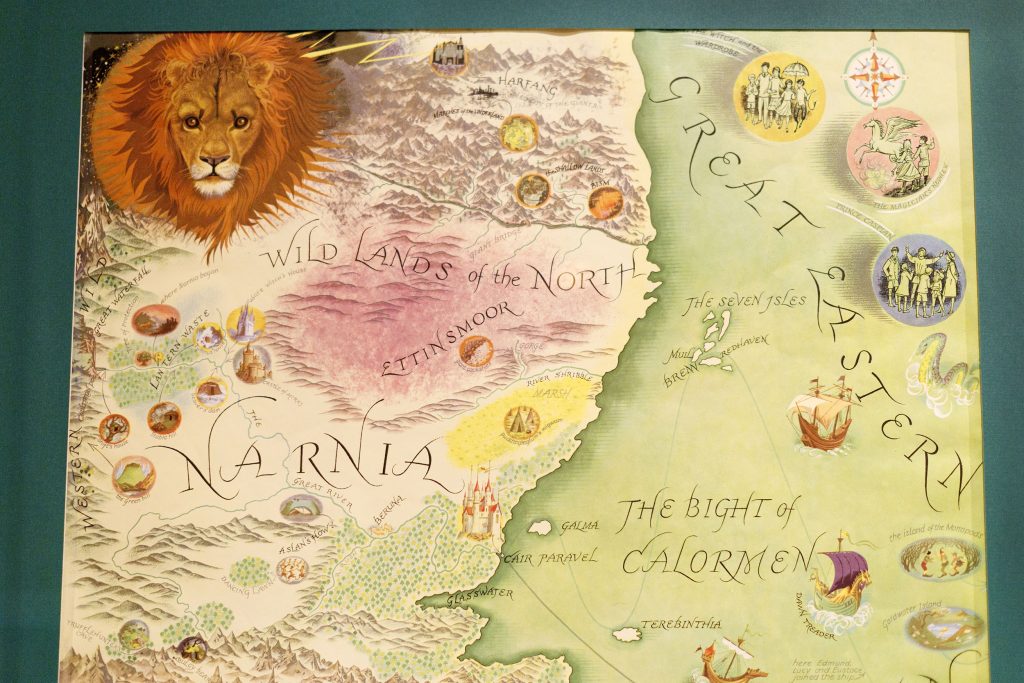
- Geography: Start by mapping out the basic terrains of your world. Will it consist of sprawling mountains, vast oceans, or enchanted forests? The physical landscape shapes the experiences of your characters and can dictate their social interactions. For instance, in C.S. Lewis’s *The Chronicles of Narnia*, the mystical land itself acts as a character, impacting the plot at every turn.
- Environment: Think about the climates and ecosystems that prevail in your universe. Whether your story is set in a frozen tundra or a tropical paradise, the environment plays a crucial role in determining the lifestyle and survival tactics of your characters. *Avatar*, directed by James Cameron, emphasizes how the flora and fauna of the alien planet Pandora deeply affect its inhabitants and the unfolding narrative.
- Inhabitants: Populate your world with beings who embody its spirit. This involves not just humans but also fantastical creatures, aliens, or anthropomorphic beings, depending on the genre. Each species can have its own customs, language, and beliefs that enrich your universe. Consider how J.K. Rowling’s magical creatures, from house-elves to hippogriffs, enhance the mystique of the Wizarding World.
- Conflicts: Every compelling story thrives on conflict. Establish the struggles that define your universe, whether they are battles between kingdoms, civil wars, or ideological clashes. The conflicts should resonate with the characters’ personal journeys, adding layers to their growth. The epic wars portrayed in *The Lord of the Rings* drive home not just the physical battles but also the moral dilemmas faced by characters like Frodo and Aragorn.
These foundational elements work in tandem to create a credible universe that can evoke a range of emotions. Readers don’t just want to observe; they want to feel the weight of every decision made by characters driven by their environments and histories. This is why credibility in world-building is essential—when readers can believe in the reality you’ve crafted, they are more likely to engage with the narrative on a deeper level.
Furthermore, considering how your universe interacts with our own can lead to compelling parallels that resonate with readers. Themes such as friendship, sacrifice, and resilience can be explored within the context of your imaginative landscape, allowing for a richer narrative experience.
As you dive deeper into your creative process, remember that constructing an imaginary world is akin to weaving a tapestry—each thread adds richness and depth. In the following sections, we will examine how to breathe life into your universe through culture, history, and sociopolitical dynamics, creating a captivating backdrop for your characters’ journeys.
Expanding the Depth of Imagination
In the realm of world-building, creating intricate societies is essential for adding depth to your imaginary worlds. Every universe thrives on conflicts, cultures, and characters that reflect the complexities of human nature. By establishing a rich history, unique traditions, and distinct social structures, you engage readers and evoke a sense of realism. Consider how geography and climate shape your world; they can influence not only the setting but the lifestyle of its inhabitants, driving your narrative forward.Furthermore, introducing fantastical elements can captivate your audience. Use mythical creatures, advanced technology, or magic systems to set your universe apart. Ensuring that these elements have clear rules and limitations fosters believability, drawing readers into the lore. Don’t shy away from exploring deep philosophical questions or ethical dilemmas within these fantastical frameworks. It’s these challenges that echo real human experiences, turning your tale into a mirror for your audience.
Engaging Characters in Unique Settings
To breathe life into your worlds, compelling characters are vital. Each character should not only serve a purpose in your storyline but also embody the values and traits of their respective cultures. Their backgrounds, motivations, and conflicts can illuminate the societies you’ve crafted. Strong character arcs that align with the universe’s overarching themes can resonate deeply with readers, making your imaginary world unforgettable.Additionally, remember to craft engaging storylines that intertwine with the landscapes you’ve developed. Let settings impact the plots organically; they should not feel like mere backdrops but rather active participants in the story. This creates a layered reading experience and enriches the reader’s journey through your universe.With these strategies, you can elevate your narrative and engage your audience even further, inviting them to delve deeper into the realms of their imagination. The key to storytelling lies in the balance of coherent world-building and relatable characters—two indispensable tools in your creative arsenal.
DISCOVER: Click here to learn how to make a difference
Enriching Your Universe with Culture and History
Having established the foundational aspects of your universe, the next step in the world-building process involves diving into culture, history, and sociopolitical dynamics. These elements not only enrich your story but also provide a realistic framework that helps readers identify with your characters and their struggles. Here’s how to effectively expand on these components:
- Culture: Culture breathes life into your imaginary world. Consider the various aspects of culture, including traditions, rituals, art, language, and cuisine. Are there annual festivals that celebrate the harvest or powerful deities worshipped by the inhabitants? For example, in Rick Riordan’s *Percy Jackson* series, the ancient Greek pantheon continues to influence the lives of modern demigods, blending historical elements with contemporary narratives. Take time to develop the social customs of different races or factions, as these will dictate their interactions and conflicts. Detailed cultural practices can create rich subplots that make your universe more engaging.
- History: A rich history adds depth to your world and gives purpose to its conflicts. Create a timeline of significant events that have shaped your universe—wars, discoveries, or catastrophes can all serve as pivotal moments that dictate current circumstances. For instance, George R.R. Martin’s *A Song of Ice and Fire* series skillfully utilizes an intricate history, where past conflicts and alliances continually influence character decisions. This historical layer can motivate your characters’ actions, giving them a sense of belonging within a larger narrative context.
- Sociopolitical Framework: Every universe is defined not just by its inhabitants but also by the systems that govern them. What type of government rules your world—monarchy, democracy, or a dystopian regime? The political dynamics can create tension and drive the narrative forward. For example, Suzanne Collins’s *The Hunger Games* introduces a totalitarian regime that forces its districts into a brutal lottery system, framing the story’s conflict around themes of rebellion and sacrifice. By establishing clear sociopolitical structures, you can explore themes of power, oppression, and resistance, making your story not only entertaining but also thought-provoking.
Another crucial aspect is the integration of mythologies and legends within your universe. These stories can serve as moral lessons or foreshadow events, guiding characters in their quests. An example can be found in Neil Gaiman’s *American Gods*, where ancient gods navigate the modern world, revealing how mythology can intertwine with contemporary culture. This layering of mythology can enrich the narrative and allow characters to resonate with universal themes of faith, identity, and change.
Ultimately, the interconnection of culture, history, and sociopolitical dynamics helps to forge a compelling tapestry that surrounds your characters. These aspects not only provide context and motivation but also evoke a sense of authenticity, drawing readers deeper into your imaginative world. In the next sections, we will delve into the importance of character development and how it interacts with the constructed universe, offering readers a holistic approach to storytelling that captivates and inspires.
DIVE DEEPER: Click here to discover more
Conclusion: Crafting Your Own Imaginary Universe
As we’ve journeyed through the intricacies of world-building, it’s evident that creating an immersive universe is a multi-faceted endeavor that extends far beyond mere geography or magic systems. The fundamentals of culture, history, and sociopolitical structures entwine seamlessly with your narrative, fostering a sense of authenticity and depth that resonates with readers. Understanding the lives and motivations of your characters within their environment is crucial; it allows for more rounded and relatable storytelling.
By investing time in developing rich cultural practices, impactful histories, and complex governance systems, you create a canvas that not only supports but also enhances your plot. These elements breathe life into your stories, making them engaging and thought-provoking. Consider how your favorite authors have shaped their worlds—be it the intricate political struggles in *Dune* by Frank Herbert or the diverse cultural tapestries woven throughout J.K. Rowling’s *Harry Potter* series. Their universes linger in readers’ minds long after the last page, not just because of their compelling narratives but due to the vivid worlds they inhabit.
As you embark on crafting your own imaginary worlds, remember the importance of layering these components thoughtfully. Each thread you weave—be it through culture, history, or politics—will contribute to the richness of your narrative, allowing you to captivate and transport your readers to places that feel vividly alive. As we delve deeper into the relationship between character development and world-building in future explorations, take inspiration from the worlds you create, and watch as they inspire your characters and stories to flourish.