Dance and Culture: The Intersection of Tradition and Innovation in the Exploration of Movement
Understanding the Rich Interplay Between Dance and Cultural Identity
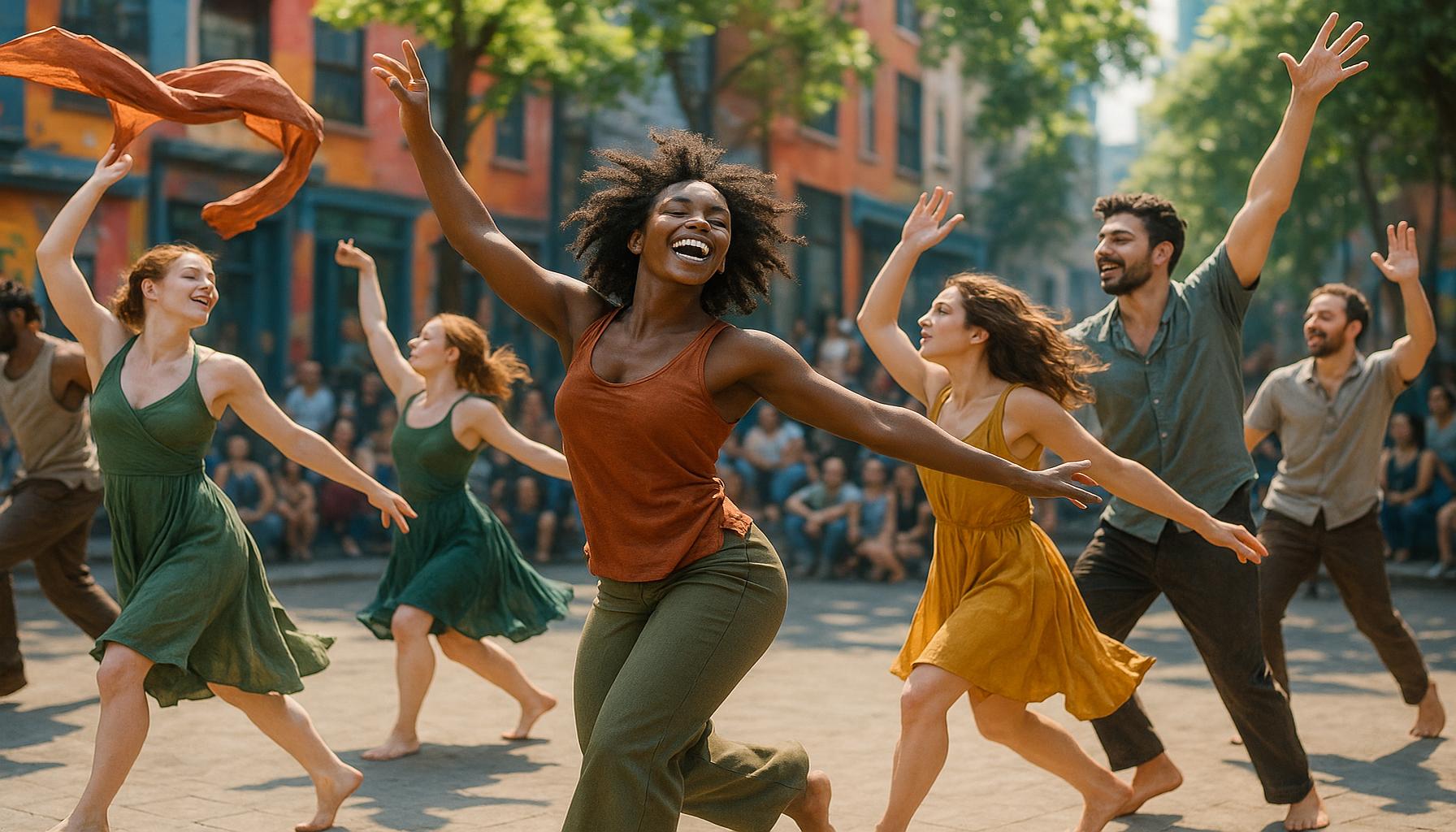
Dance is more than mere expression; it serves as a vibrant reflection of cultural identity and community values. Throughout history, various forms of dance have acted as powerful tools for storytelling, social commentary, and personal expression. From traditional ceremonies to contemporary performances, dance acts as a bridge connecting past and present, echoing the rhythms of societal evolution. As cultures evolve, the world of dance adapts to embrace innovation while also honoring age-old practices, creating a dynamic art form that resonates deeply within communities.
This intersection of tradition and innovation reveals fascinating dynamics that invite us to explore various aspects, including:
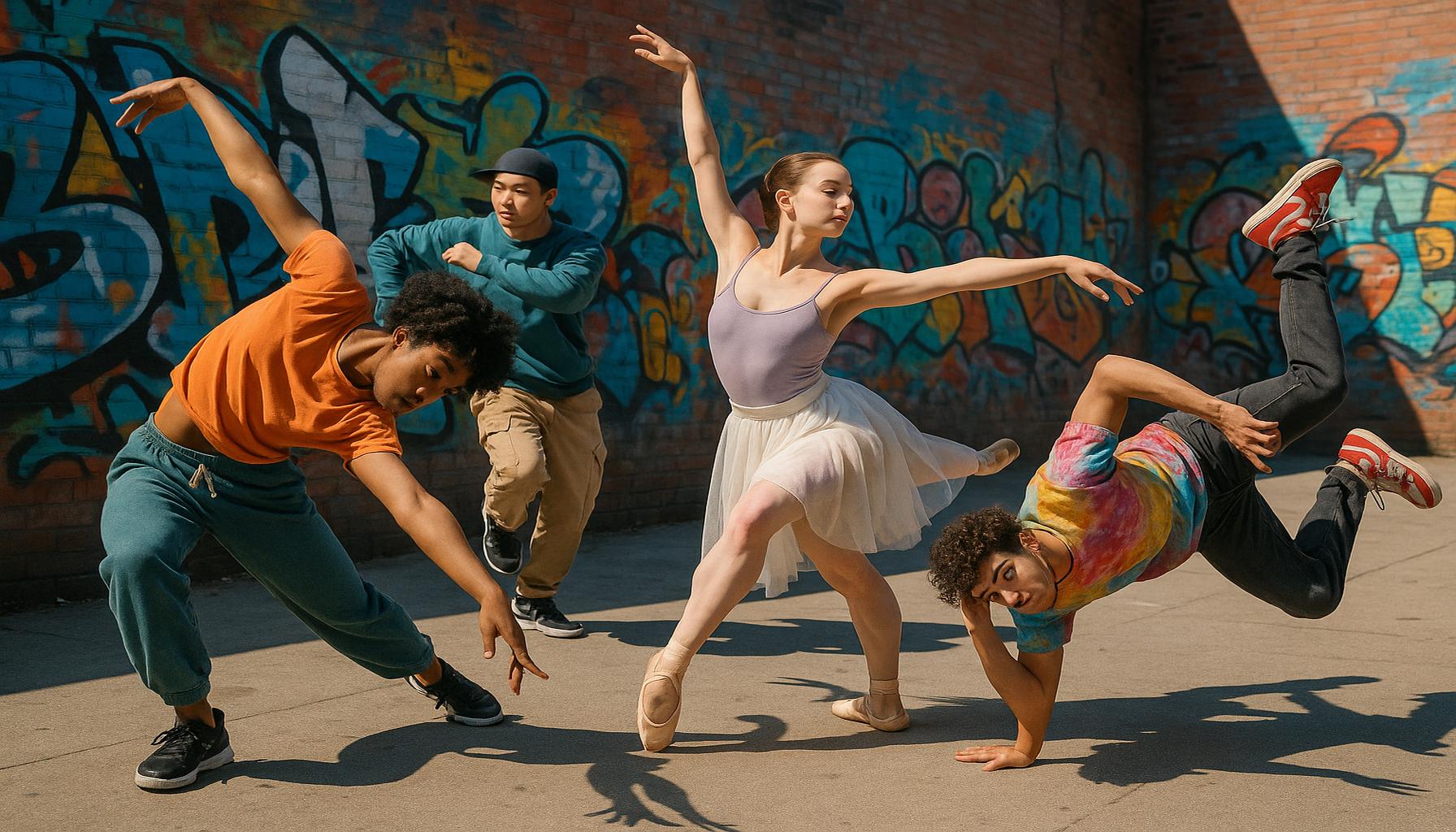
- Historical Influences: Understanding the roots of popular dance forms like ballet, hip-hop, and salsa can enhance our appreciation for each genre. Ballet, originating from the Italian Renaissance courts and evolving through French and Russian influences, demonstrates how dance can encapsulate historical timelines and societal shifts. Conversely, hip-hop emerged from the streets of New York City in the 1970s, encompassing elements of breakdancing, graffiti, and MCing, serving as a voice of urban culture and social change.
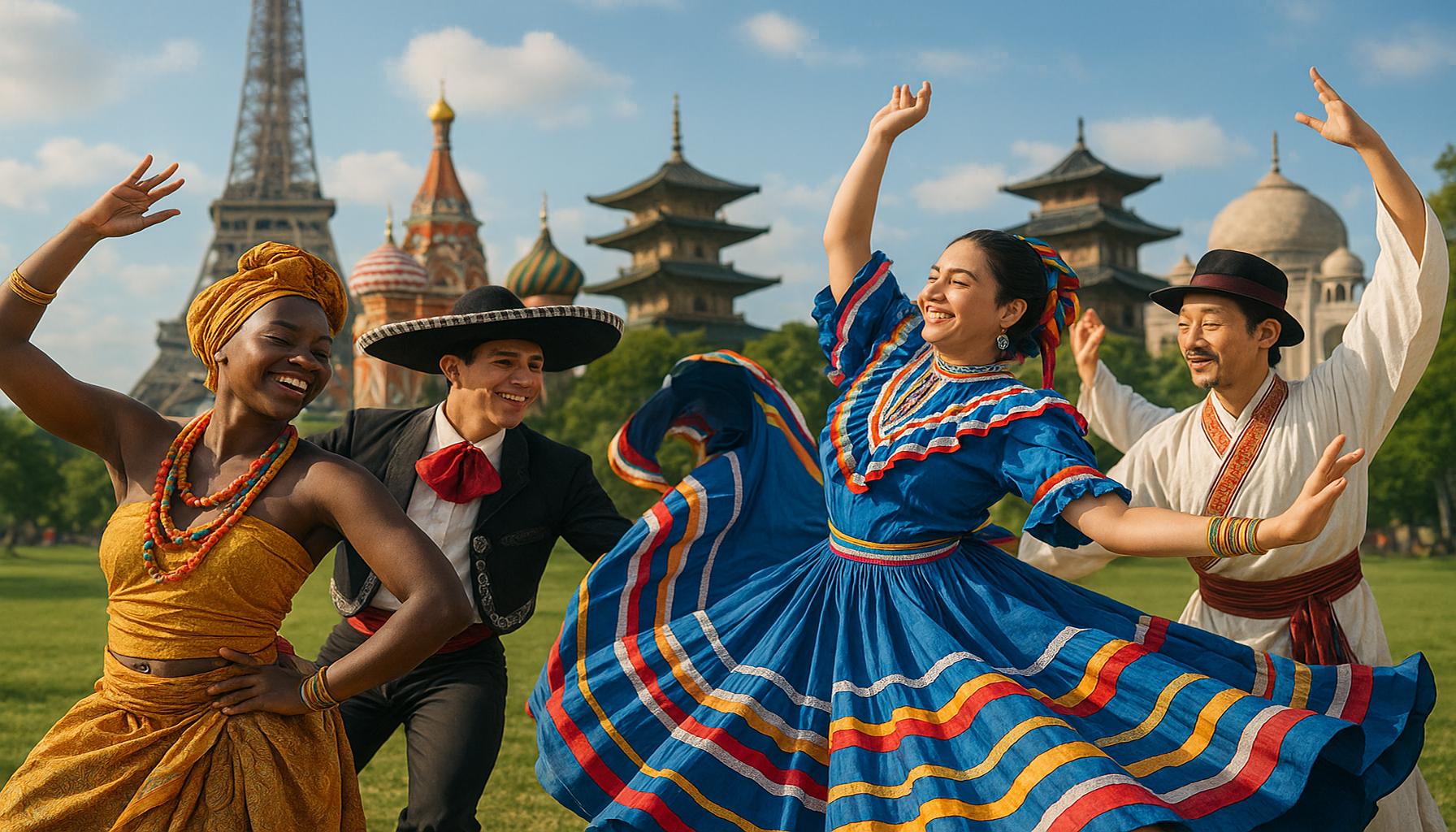
- Cultural Fusion: One of the most captivating aspects of modern dance is cultural fusion. Many contemporary dance styles are born from the blending of diverse backgrounds. For instance, styles like Bollywood dance integrate traditional Indian movement with Western pop music influences, showcasing the beauty of cross-cultural creativity. Similarly, the rise of K-Pop dance in the U.S. highlights the global reach of cultural exchange, where choreography often merges intricate Asian dance components with Western pop music, attracting audiences around the world.
- Technological Advancements: The impact of digital media on dance presentation and learning is profound. Platforms like YouTube and TikTok allow dancers to reach global audiences quickly, enabling trends to emerge and evolve at lightning speed. Online tutorials democratize dance education, allowing anyone with an internet connection to learn various styles from the comfort of their home. This digital landscape expands the reach of dance while simultaneously influencing how dance is created, shared, and appreciated.
In the United States, diverse dance forms continue to thrive, often influenced by social movements and technological progress. Styles such as jazz and tap dance originated in African American communities, reflecting the rich history of struggle and resilience. These elements not only shape artistic expression but also redefine what it means to dance in today’s society.
By examining these layers, we gain insight into how cultural narratives are intricately woven into motion, making dance a unique lens through which to understand the multifaceted human experience. Whether it’s a hip-hop battle on the streets or a graceful ballet performance on stage, each movement tells a story that transcends words and invites us to reflect on our shared humanity. The dynamic relationship between dance and culture continues to unfold, urging us to explore the beats of our own heritage while celebrating the innovations that come from embracing the new.
DIVE DEEPER: Click here to discover the evolution of music production
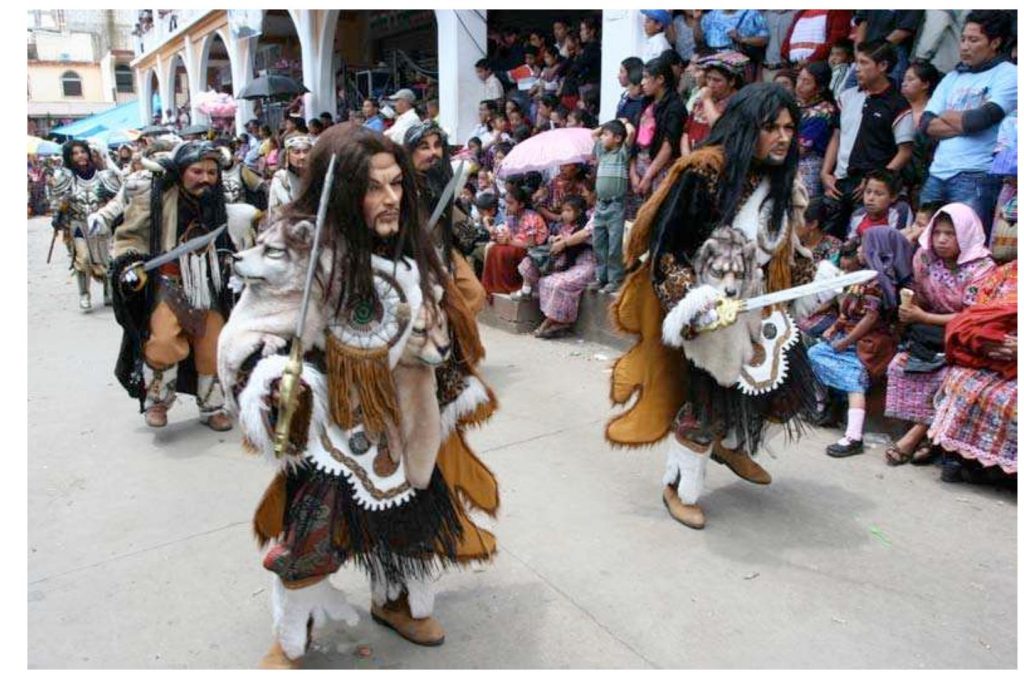
The Role of Historical Influences in Dance Evolution
To truly appreciate the artistic landscape of dance, one must first explore the historical influences that have shaped its various forms. Dance has always served as a record of social progression, embodying the cultural nuances, societal challenges, and triumphs of different eras. For instance, the classical form of ballet, with its intricate movements and storytelling, arose during the Renaissance, a period marked by immense social and political transformation in Europe. The structured nature of ballet reflects the formal hierarchies and cultural aspirations of its time, while allowing modern dancers to draw inspiration from this legacy, experimenting with its foundational techniques to create contemporary interpretations.
In contrast, more recent dance styles like hip-hop emerged as reactions against social disparities, particularly within urban settings. Born from the vibrant streets of the Bronx, hip-hop encapsulates a spirit of resilience and rebellion, giving voice to marginalized communities. This genre is not merely about the movement; it represents a rich tapestry of cultural resistance, expressive freedom, and unity among diverse urban populations. Today, it is celebrated internationally and has influenced countless other dance styles, demonstrating the power of dance as both a reflective and transformative medium.
Cultural Fusion: The Genesis of Modern Dance Forms
Cultural fusion stands as a testament to the interconnectedness of global societies, breathing new life into traditional dance forms. As globalization intertwines cultures, dancers and choreographers continuously seek inspiration across borders, combining elements that were once perceived as disparate. This melding of styles creates a ripple effect in the dance community, invigorating performances and attracting varied audiences.
One prominent example is the rise of Bollywood dance, which deftly blends traditional Indian movements with influences from Western pop music, creating a captivating style that is both vibrant and accessible. Similarly, K-Pop dance has taken the world by storm, showcasing choreography that marries intricate Asian dance techniques with the catchy beats of contemporary Western music. This cultural amalgamation not only fosters creativity but also enables performers to communicate their unique narratives through a diverse vocabulary of movement.
The fusion of traditions often leads to innovative narrative styles, allowing dance to serve as a microcosm of society itself. As cross-cultural collaborations become increasingly popular, dancers find themselves melding various cultural practices and rhythms, creating a language of movement that transcends linguistic barriers.
Technological Advancements: Reshaping Dance Through Digital Media
As we navigate the realms of tradition and innovation, technological advancements have also transformed how dance is created, shared, and experienced. The digital era has birthed a new platform for dancers, enabling them to showcase their talents on a global scale. Social media platforms like TikTok and Instagram have given rise to viral dance challenges that quickly captivate audiences, leading to trends that often blur cultural boundaries.
This accessibility not only democratizes dance education but also influences the choreography itself. Where dancers once relied solely on traditional methods for learning, they can now take online tutorials to master diverse styles at their own pace. Consequently, the proliferation of dance videos has led to a faster exchange of ideas and techniques, encouraging artists to innovate while anchoring their practices in their roots.
The interplay of tradition and innovation in dance is not just an art form; it captures the ethos of shifting cultural narratives and serves as a reminder of our shared human experience. As we explore the depths of movement, we uncover stories that transcend generations, prompting us to reflect on the intersection of historical context, cultural fusion, and technological progress. This exploration opens the door for future generations to continue this rich dialogue, ensuring that dance remains a living, evolving expression of cultural identity.
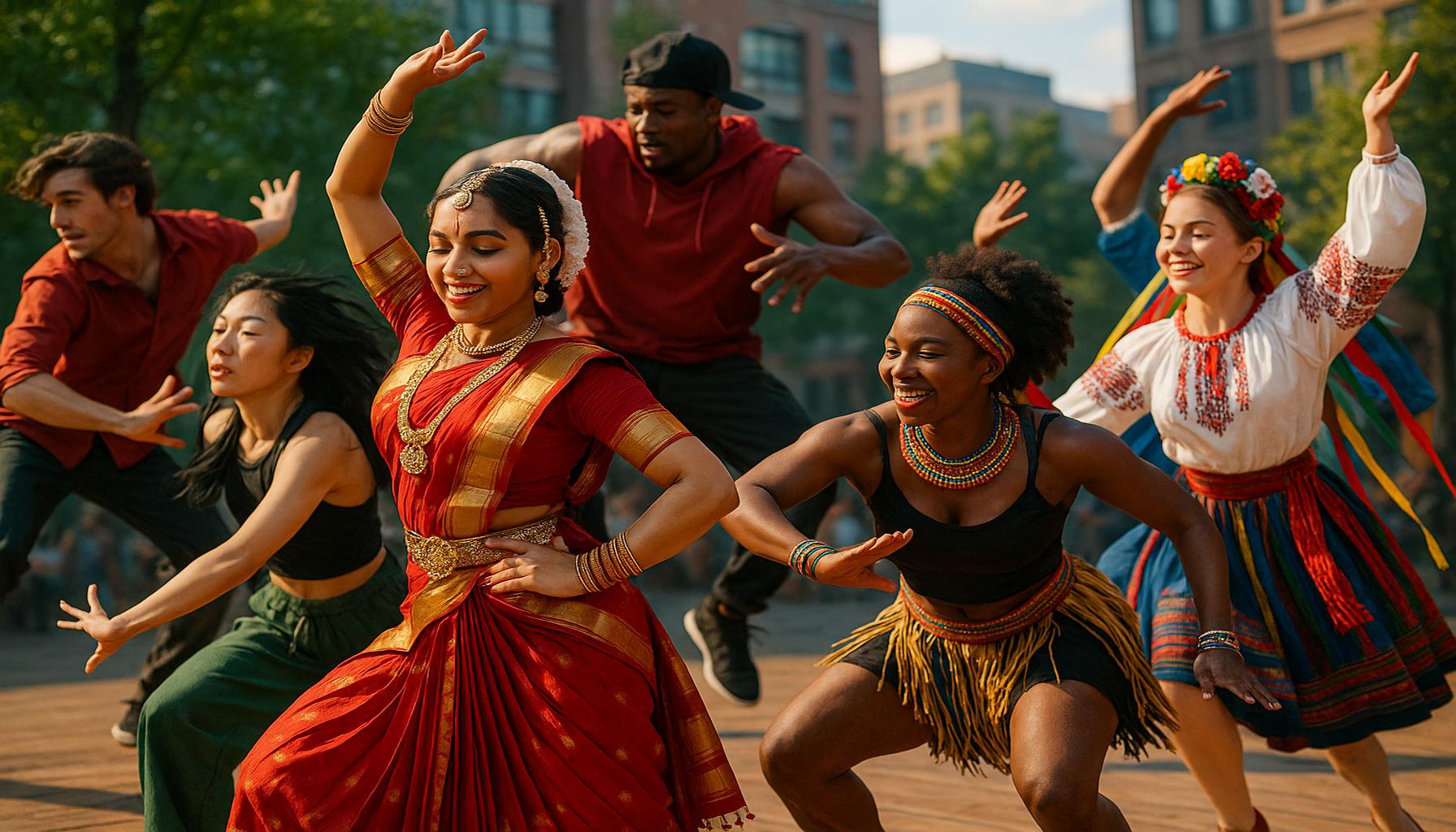
As we delve deeper into the realms of dance and culture, it becomes evident that the exploration of movement is not merely an artistic endeavor but also a profound reflection of societal values and innovations. The theme “Dance and Culture: The Intersection of Tradition and Innovation” showcases how traditional dances can evolve, incorporating modern elements that captivate contemporary audiences while preserving historical significance.One such example is the fusion of traditional folk dances with urban street styles, which not only offers a platform for cultural exchange but also breathes new life into age-old practices. This blend promotes inclusivity and diverse expressions, allowing dancers to explore their identities through various cultural lenses. Such dynamic interplay encourages dialogue about heritage and modernity, highlighting how innovation can arise from respecting and reimagining traditions.Moreover, technology plays a crucial role in this transformative process. The integration of digital media in dance performances, such as the use of projections and virtual environments, creates immersive experiences that invite audiences to engage in new ways. This innovation opens avenues for dancers to expand beyond physical spaces, reaching viewers globally.In essence, the relationship between dance and culture is an ongoing negotiation—a conversation where tradition influences innovation, and innovation redefines tradition. Each dance step can be seen as a footprint in this evolving landscape, demonstrating the vibrant tapestry of human expression. Here lies an invitation for artists and audiences alike to embrace the multiplicity of movement, as they navigate the intersections of their cultural narratives and contemporary realities.
| Advantages of Tradition | Advantages of Innovation |
|---|---|
| Preservation of Cultural Heritage | Enhanced Audience Engagement |
| Traditional dance forms maintain the essence of cultural identity, teaching values and stories through generations. | Innovative approaches such as digital storytelling make performances more relatable and accessible, encouraging a broader audience participation. |
The exploration of movement in this context signifies much more than entertainment; it serves as a powerful medium for cultural transmission and creative expression, embodying the very spirit of human connection.
DIVE DEEPER: Click here to uncover the hero’s journey
Exploring the Impact of Globalization on Dance Practices
The phenomenon of globalization has not only facilitated the exchange of cultural practices but has also profoundly shaped the way dance is created and performed across the globe. As contemporary society becomes increasingly interconnected, dance has emerged as a unique medium through which cultures can communicate and intermingle. The impact of globalization can be witnessed in various dance festivals, competitions, and social gatherings that celebrate this diversity, showcasing performances from around the world, where traditional and innovative forms coexist and interact.
Take, for instance, the International Dance Day celebrated on April 29 each year, where dancers from various cultural backgrounds unite to pay homage to the art form. This celebration fosters understanding among audiences and performers alike, creating a platform for dialogue that transcends borders. During such events, the fusion of styles—even within a single performance—becomes a reality, as dancers incorporate elements from different cultural backgrounds, fostering an appreciation for the myriad forms of movement.
Moreover, the rise of international dance competitions—like World of Dance and America’s Best Dance Crew—has contributed to the globalization of dance by providing a stage for emerging artists to showcase their talents on a global scale. These platforms have not only helped to professionalize dance but also to challenge traditional notions of movement by presenting innovative interpretations that blend different genres and styles. The contestants’ creative strategies mirror their exposure to different influences, encouraging audiences to embrace a broader understanding of cultural expressions.
The Influence of Dance in Social Movements and Activism
In addition to its aesthetic appeal, dance has played a crucial role in raising awareness and promoting change within social movements. There is a rich history of dance being utilized as a tool for activism, reflecting societal issues through compelling performances that resonate with communities. Dancers often use their art to comment on pressing issues such as racial equality, gender rights, and social justice, ensuring that their unique narratives are heard.
A prime example of this is the “Black Lives Matter” movement, which has seen the integration of dance as a powerful form of protest. Choreographers and performers have taken to the streets, using their bodies as vehicles for expression, encapsulating frustration, hope, and solidarity through movement. This not only brings visibility to the issues at hand but also serves as a reminder of the historical significance of dance as a means of cultural resistance.
Additionally, community-based dance projects, such as those seen in urban neighborhoods across the United States, demonstrate the power of collective movement. By bringing individuals together through dance—regardless of their backgrounds—these initiatives forge connections, empower participants, and inspire collective action. Community dance projects capitalize on the unifying force of movement, allowing individuals to share their stories and experiences, while cultivating a sense of belonging and cultural pride among participants.
Dance as a Reflection of Identity and Personal Narratives
At its core, dance is an exploration of the self, offering individuals the opportunity to convey their personal narratives, cultural backgrounds, and identity through movement. As dancers embark on their creative journeys, they draw from their lived experiences, translating them into choreography that resonates with audiences on a visceral level. The convergence of tradition and innovation within this context allows for a rich tapestry of expression, as performers embrace their unique identities while innovating and redefining the boundaries of dance.
This interplay is particularly evident in the emergence of personal styles that fuse cultural influences with individual expression. Dancers like Misty Copeland have shattered glass ceilings in ballet, blending her unique identity and life experiences with classical techniques. Her performances not only celebrate the artistry of dance but also challenge stereotypes within the traditionally elitist world of ballet, proving that movement can transcend preconceived notions and pave the way for more inclusive practices.
In essence, the intersection of tradition and innovation in dance reflects the dynamic nature of culture itself, offering insights into societal changes while honoring historical roots. As dancers continue to create new narratives through their movements, they craft a dialogue that transcends boundaries, celebrating the diversity of human experiences and the rich heritage of dance.
DISCOVER MORE: Click here to dive deeper
Conclusion: The Ever-Evolving Language of Dance
The landscape of dance is a vivid representation of the fluid and ever-evolving nature of culture. Throughout this exploration, it has become clear that the intersection of tradition and innovation is not merely a phenomenon but a vital process that enriches the art form and captivates audiences worldwide. As globalization facilitates the exchange of diverse practices, dancers leverage their unique backgrounds and experiences to craft narratives that challenge and inspire, ultimately transforming the way movement is perceived.
From community-based initiatives that foster social unity to global competitions that celebrate artistic diversity, dance serves as a profound vehicle for identity, activism, and cultural exchange. It reminds us that dance is not just performance; it is a means of storytelling that resonates deeply with our shared human experience. The examples of dancers such as Misty Copeland, who embody the power of innovation within tradition, highlight the ongoing dialogue between heritage and contemporary expression. This dynamic is essential for both personal and collective self-discovery.
As we observe how dance continues to evolve, we are invited to consider its implications for cultural understanding and community building. Every pirouette and every step tells a story that echoes across cultures, emphasizing the importance of celebrating our differences while finding common ground. In a world that often seeks to divide, dance remains a quintessential art form, inviting us to come together, express our truths, and understand the intricate tapestry of human existence. As we engage with dance, we are not just witnesses but participants in a rich cultural dialogue that continues to unfold.