Exploring Inclusive Dance: Creating Spaces for Everyone Through Movement
Unleashing the Power of Movement
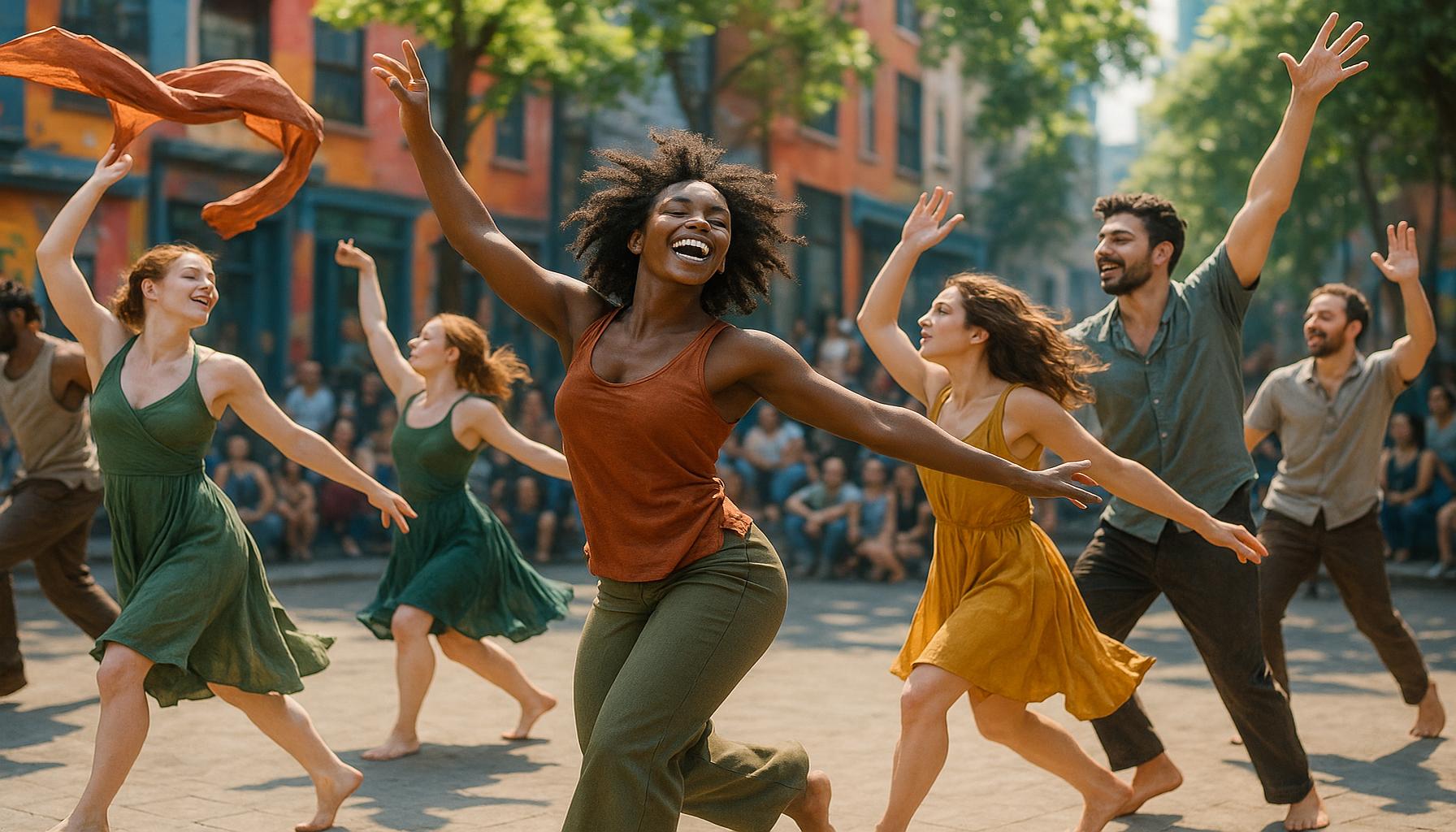
Dance has long been celebrated as a vibrant means of expression encompassing various cultures and communities. Its ability to convey emotions, tell stories, and foster connections transcends barriers. However, the traditional landscape of dance often fails to account for individuals with diverse abilities. Exploring inclusive dance helps us understand how movement can create welcoming environments, ensuring that everyone, regardless of physical or cognitive challenges, can participate and thrive.
- Inclusive dance recognizes varying physical and cognitive abilities. This approach not only acknowledges the differences in everyone’s capabilities but also celebrates them.
- It transforms traditional dance practices to accommodate all participants. This may include modifying choreography, adapting music selections, or using assistive technologies to enhance participation.
- Through innovative teaching methods, instructors foster a sense of belonging. By emphasizing creativity and collaboration, teachers encourage individual expression while cultivating a community spirit.
In the United States, the momentum for inclusive dance initiatives is steadily increasing. Various local studios and organizations are leading the charge, highlighting the transformative potential of these practices. For instance, programs like the National Dance Company in Washington, D.C., offer adaptive classes specifically designed for individuals with disabilities, ensuring that everyone has the opportunity to experience the joy of dance.
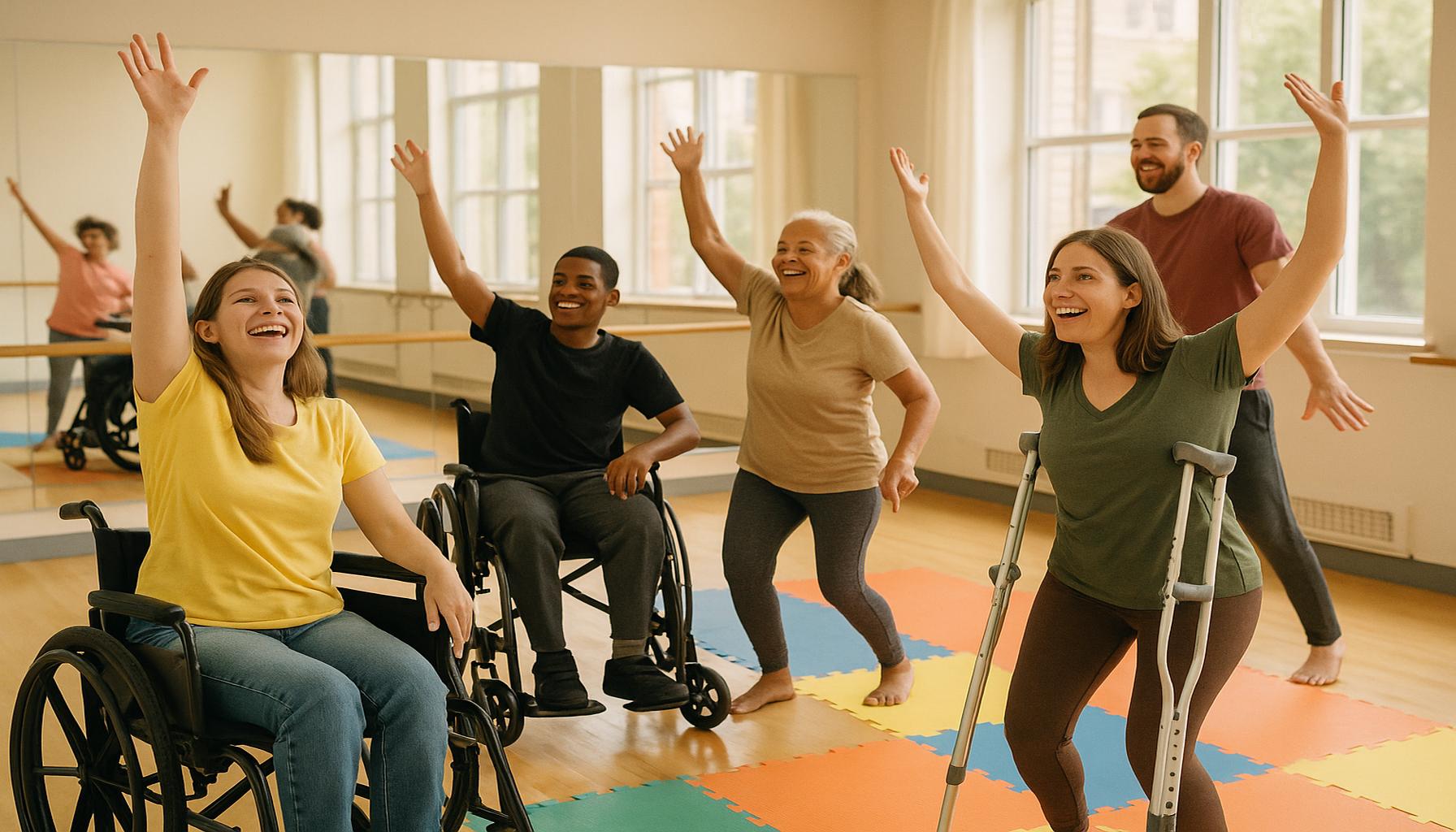
- Adaptive classes tailored for individuals with disabilities often feature small class sizes, allowing for personalized attention and individualized instruction. These classes can boost confidence and self-esteem, which are essential for personal growth.
- Performance groups such as the Rugged Movement showcase the talent of dancers with varying abilities, creating powerful platforms for artists who might otherwise be overlooked. These performances highlight the beauty of diversity in expression.
- Workshops are becoming increasingly popular, emphasizing collaboration and creativity. Programs like DanceAbility foster partnerships between dancers of all abilities, promoting an atmosphere of inclusiveness and learning.
The impact of inclusive dance extends beyond just the individuals participating in these programs; it resonates deeply within entire communities. Audiences are not only exposed to the talents of diverse performers but also gain insights into the experiences of individuals with disabilities. This exposure initiates important dialogues about accessibility, societal norms, and the universal language of movement.
As we continue to explore the dynamics of inclusive dance, it becomes evident that this transformative approach has the power to reshape perspectives, foster connections, and ultimately create a more inclusive society where every individual has the right to express themselves through the art of dance.
DISCOVER MORE: Click here for fun family crafting ideas
Breaking Down Barriers in Dance Education
Inclusivity in dance is not just a buzzword; it is a movement gaining traction across studios and performance spaces nationwide. Exploring inclusive dance starts with understanding the critical need to create equitable opportunities for individuals of all backgrounds and abilities. This involves educators, choreographers, and institutions examining and modifying traditional practices to ensure that dance is accessible to everyone.
One of the primary barriers to participation in dance lies in its conventional formats that often do not account for the unique challenges faced by individuals with disabilities. For instance, the standard dance class approach, focusing on physical agility, may exclude those who cannot physically execute traditional movements. This paradigm shift begins with adaptive dance education, which prioritizes personalizing dance instruction while allowing for various expressions of movement. By integrating techniques that respond to the needs of each dancer, teachers can reimagine dance as an inclusive art form.
- Curriculum Adaptation: Inclusive dance programs often involve revising the syllabus to include simpler movements, allowing participants to engage at their comfort level. This fosters a non-judgmental environment where every student feels safe to experiment with their self-expression.
- Assistive Tools and Technologies: The incorporation of tools such as specialized seating, tactile markers on floors, and sound cues for the visually impaired can significantly enhance participation. These tools pave the way for a more accessible approach to dance education.
- Community Engagement: Partnering with local organizations that support individuals with disabilities amplifies outreach efforts. This not only drives awareness but also enriches the experience for all involved, as community members contribute to the curriculum and learn from each other.
Numerous examples across the United States illustrate the success of inclusive dance initiatives. For instance, the Cincinnati Ballet runs a program called “Dance with Me,” which focuses on teaching dance to children with special needs and their family members. This initiative not only promotes creative expression but also encourages familial bonds through shared activities. The joy experienced during these classes highlights the emotional and psychological benefits of participating in dance, emphasizing that movement is a universal language that transcends challenges and differences.
Moreover, endeavors like Gimble Dance in Chicago provide tailored workshops aimed at integrating dancers with cognitive disabilities into mainstream dance companies. By harnessing creativity and collaboration, participants not only hone their skills but also build lasting connections within the dance community. Such collaborative efforts serve as a testament to how dance can catalyze change and harmony in society.
As the landscape of dance education evolves, the commitment to inclusive movement practices will likely yield profound societal impacts—bridging gaps among diverse groups and cultivating environments where each person can find their voice through the art of dance.
| Advantage | Description |
|---|---|
| Community Building | Inclusive dance creates bonds among participants, fostering a sense of belonging and support. |
| Enhanced Well-Being | Engaging in movement promotes physical health, emotional expression, and mental clarity for individuals of all abilities. |
Inclusive dance programs stand out as transformative spaces where creativity flourishes, and everyone is encouraged to participate. By promoting community building, these programs help break social barriers, allowing individuals from various backgrounds and abilities to come together and celebrate diversity. The shared experience of movement cultivates connections that can lead to lifelong friendships.Moreover, the pursuit of dance as a form of artistic expression brings a myriad of health benefits. Participants often experience improvements in their physical stamina, emotional resilience, and overall mental health, as engaging in movement can reduce stress and improve mood. Through adapting styles and techniques, dance instructors can cater to various needs, ensuring that everyone has the opportunity to thrive within a supportive environment.Exploring inclusive dance means embracing a vision where every body is welcomed. The countless opportunities for expression through movement further emphasize the importance of creating accessible spaces that encourage participation regardless of ability. The richness of this artistic medium not only enhances individual experiences but also contributes to a more inclusive society.
DON’T MISS: Click here to discover how social media is shaping new musical talents
Embracing Diverse Forms of Movement
As the field of inclusive dance continues to evolve, it expands beyond traditional styles, incorporating various forms of movement that cater to the unique needs and preferences of all individuals. This eclectic approach underscores the notion that dance can be redefined, allowing participants to engage in ways that resonate with their personal experiences and backgrounds. By broadening the scope of what dance can look like, we can further dismantle barriers and cultivate a culture that celebrates diversity.
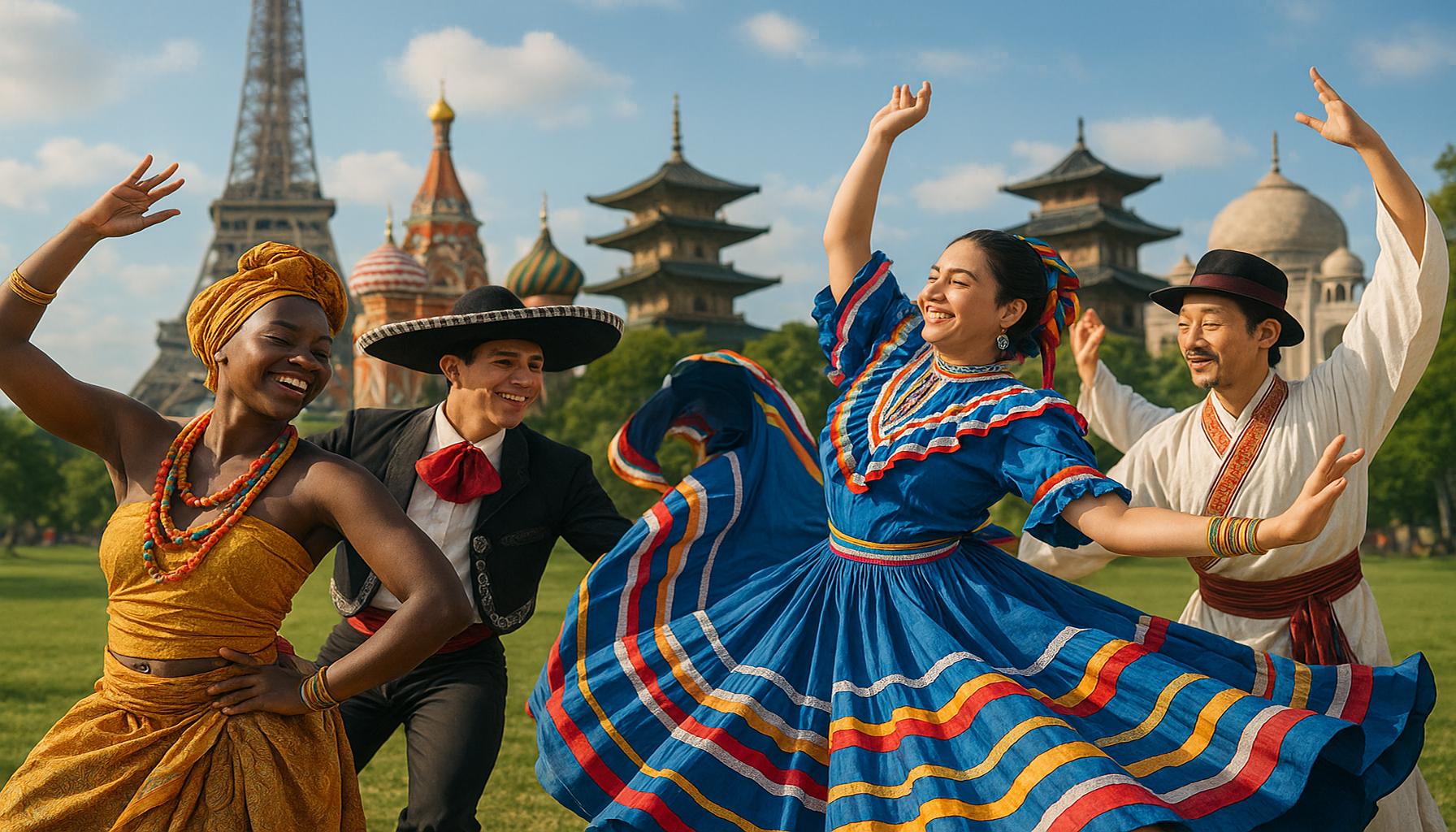
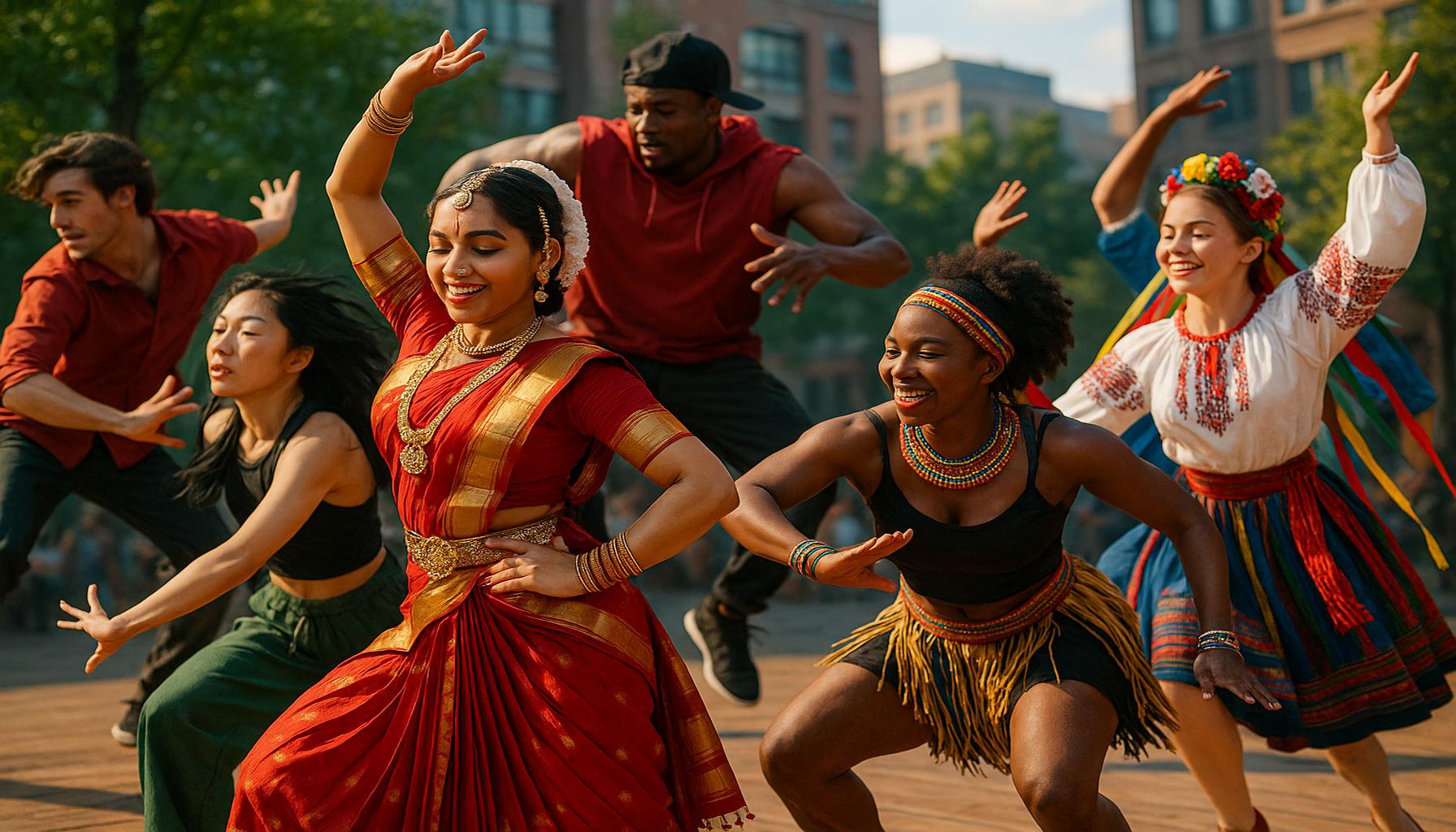
One prominent example of this inclusive expansion is the integration of cultural dance forms, such as hip-hop, salsa, and traditional folk styles into adaptive programs. These styles often elicit a strong emotional response and connection, allowing participants to express themselves in mannerisms familiar to their own cultural heritage. Programs like VSA Arts in Washington D.C. offer workshops that include cultural dance, merging accessibility with strong cultural narratives. These settings empower dancers to embrace their identities while gaining confidence in their abilities to express themselves through movement.
- Improvisational Techniques: Incorporating improvisation into dance classes encourages creativity and spontaneity. This method allows dancers of all abilities to explore movement without restrictions, embracing their bodies’ natural responses and promoting a sense of freedom. Workshops often place less emphasis on choreography and more on the exploration of movement possibilities, celebrating each individual’s unique style.
- Interdisciplinary Collaborations: Collaborating with other art forms, such as theater, music, and visual arts, can enhance the experience of inclusive dance. For instance, programs that intertwine visual storytelling with movement can provide sensory-rich environments that cater to a wide range of learning styles and abilities, creating a multi-layered artistic experience.
- Workplace Inclusion Initiatives: Some dance organizations have begun developing corporate social responsibility programs that encourage inclusion in the workplace by offering adaptive dance workshops for employees. This shift not only fosters a more cohesive and diverse company culture but also helps to break down the stigma surrounding disability in the corporate realm.
Evidence from studies and anecdotal experiences underscores the positive outcomes of embracing diverse forms of movement. Research conducted by the Pew Research Center indicates that individuals involved in artistic expressions—such as inclusive dance—report higher levels of well-being and social connectedness. This is particularly relevant in an increasingly digital world where personal interaction may be dwindling, making movement-based activities crucial for enhancing social cohesion.
Moreover, cities like San Francisco have witnessed a surge in inclusive dance performances that feature dancers with disabilities alongside their peers. Events like these not only provide visibility to talented artists but also serve to challenge audience perceptions of what dance can be, reaffirming that creativity knows no boundaries. Through shared stages, both seasoned performers and novices alike experience the power of dance in transcending societal norms and emphasizing inclusion.
Ultimately, by recognizing and celebrating the myriad forms of movement that exist, inclusive dance offers an expansive platform for self-expression, creativity, and community connection. As the movement continues to grow, it carries with it the promise of a more inclusive society, where every person can thrive through the joy of dance.
DISCOVER MORE: Click here to delve into the world of dance and technology
Conclusion: The Future of Inclusive Dance
In conclusion, the journey of inclusive dance is one that reflects the broader societal imperative to embrace diversity and foster belonging through movement. By integrating various dance styles, improvisational techniques, and interdisciplinary collaborations, we not only enrich the dance experience but also empower individuals to explore their own identities amidst a vibrant tapestry of cultures. The inclusion of everyone, regardless of ability or background, serves as a powerful reminder that art can be a catalyst for change, encouraging social cohesion and understanding.
The profound impacts of programs such as those offered by VSA Arts and inclusive performances in cities like San Francisco highlight the importance of visibility and representation in the arts. As research indicates, engagement in arts, particularly in inclusive formats, elevates well-being and social connectedness, underscoring that the benefits extend far beyond the dance floor.
Looking forward, the growth of inclusive dance paves the way for a transformative cultural shift. Initiatives that promote workplace inclusion and artistic expression challenge the misconceptions surrounding disabilities and encourage a more empathetic society. As we advocate for these spaces to flourish, we open doors to rich collaborative endeavors that can redefine the artistic landscape. Ultimately, the embrace of all movement forms promises a brighter and more inclusive future, making dance a universal language in which everyone can find their voice and thrive.