
The Influence of Location: How Environments and Settings Shape Adventures in Your Stories
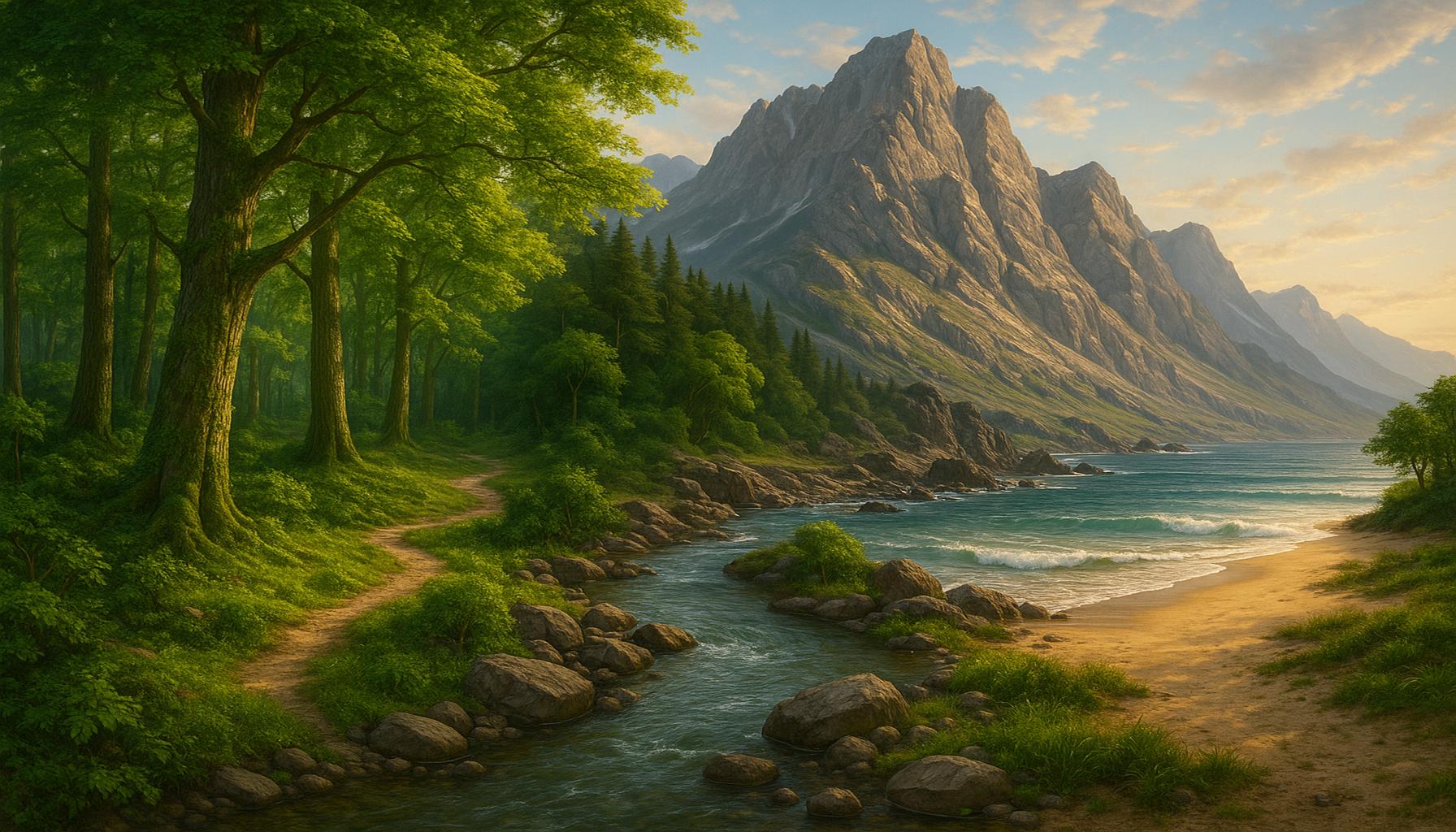
Understanding the Impact of Environment on Plot and Character Development
Setting the stage for a narrative involves much more than simply identifying a geographical location. It requires a deep understanding of how environments can shape and define not only the plot but also the intricate relationships between characters. A well-crafted setting enriches the story, guiding characters through their journeys while also influencing the emotional responses from the readers. By exploring a myriad of environments, writers can leverage the essence of location to enhance the depth of their narratives.
The Symbolism Behind Different Landscapes
Various terrains carry unique connotations that can significantly influence a storyline. For instance, mountains often symbolize challenges, endurance, and the spirit of exploration. Consider John Krakauer’s “Into the Wild,” where the mountains of Alaska represent both the allure of nature and the daunting obstacles that Christopher McCandless confronts. The majestic peaks embody not just a physical challenge but also the inner turmoil and quest for identity faced by the protagonist.
In contrast, the ocean frequently serves as a powerful metaphor for mystery, freedom, or the unknown. In novels like “Life of Pi” by Yann Martel, the vastness of the Pacific becomes a backdrop for isolation, survival, and spiritual discovery. The ocean’s unpredictability shapes not only the events of the story but also the protagonist’s transformation as he learns to adapt and confront his fears.
Cities, on the other hand, function as vibrant melting pots of culture, conflict, and companionship. The urban landscape in novels such as “The Great Gatsby” by F. Scott Fitzgerald captures the complexities of American society in the 1920s, exploring themes of ambition, class disparity, and the quest for love amidst a bustling metropolis. The setting plays an integral role in shaping the characters’ interactions and the conflicts that arise.
Leveraging Setting to Enhance Storytelling
Understanding the nuances of different environments allows writers to tap into a rich vein of potential adventures and conflicts. It is important to ask critical questions: How might a changing environment shift dynamics between characters? For example, consider a story set in a post-apocalyptic world where characters must navigate through abandoned cities and desolate landscapes. The starkness of their surroundings could heighten feelings of loneliness and desperation, while also providing opportunities for unexpected alliances and discoveries.
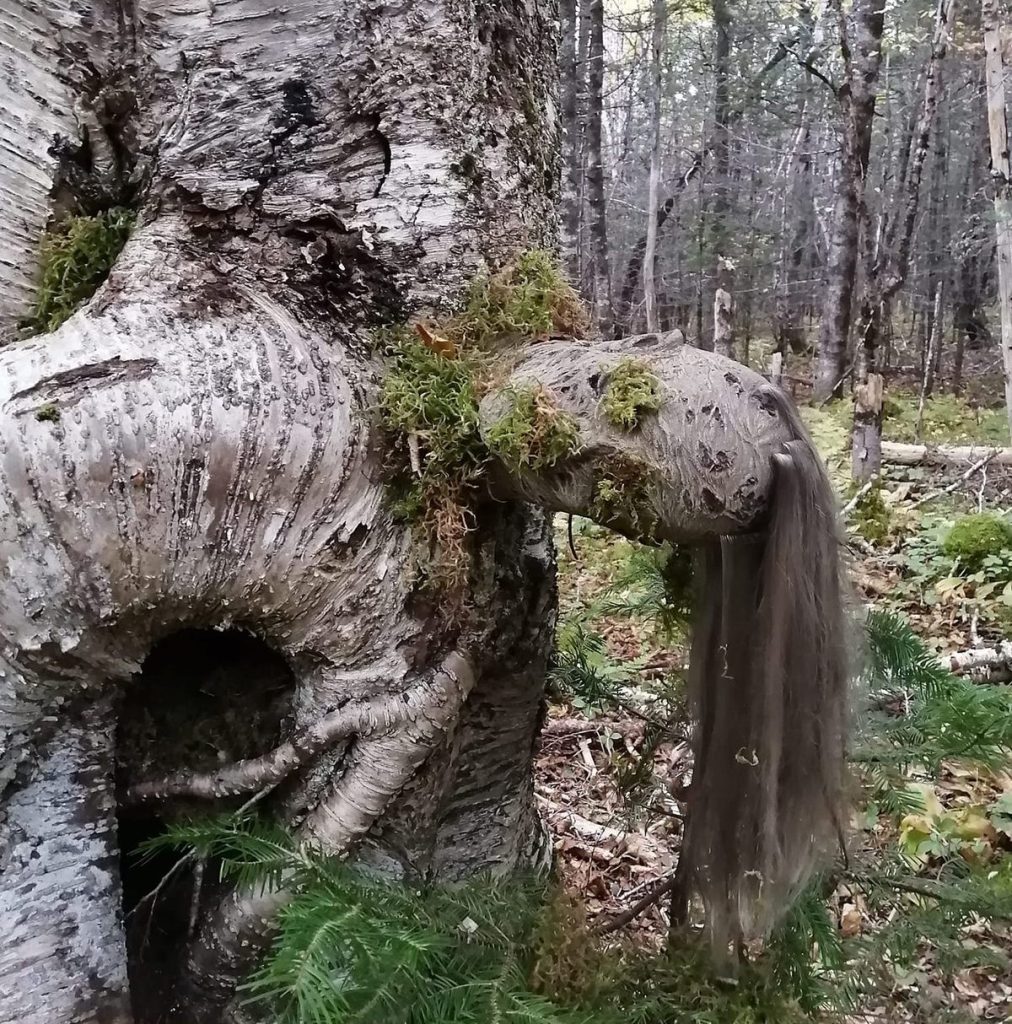
Furthermore, the settings you choose can evoke distinct emotional responses. A serene, sunlit meadow may symbolize peace and tranquility, serving as a comforting backdrop for heartfelt dialogue, while a stormy, desolate landscape may evoke tension or impending doom. The contrasts between these environments not only delineate character feelings but also foreshadow events, giving readers clues about the direction of the narrative.
In summary, the intersection of location and narrative is an essential consideration for any writer. By effectively utilizing the profound impact of settings, storytellers can create immersive worlds that resonate deeply with their audience, inviting readers to not only follow the characters but also to experience the emotional weight of their environments. This exploration of the profound relationship between setting and character development will be further expanded in the subsequent sections of this article, encouraging writers to discover innovative ways to weave location into the fabric of their stories.
DIVE DEEPER: Click here to enhance your DIY experience
The Role of Setting in Adventure Narratives
As readers navigate through the twists and turns of a story, the setting serves as an invisible character, subtly influencing the adventures and the paths characters choose. Writers have long recognized that the world within which a narrative unfolds is not just a static backdrop but a dynamic entity that shapes the plot and helps mold the personalities of the characters. It is essential for storytellers to grasp how different environments can evoke a variety of emotions and reactions, thereby driving the narrative forward.
How Wilderness, Urban, and Historical Settings Shape Adventures
The wilderness, for instance, offers unparalleled opportunities for adventure. Be it the dense forests of the Pacific Northwest or the expansive deserts of the Southwest, each natural landscape challenges characters physically and psychologically. In novels like “Wild” by Cheryl Strayed, the wilderness becomes a space for self-discovery and healing, with the protagonist tackling the formidable challenge of hiking the Pacific Crest Trail. The varied elements of her environment—the rugged terrain, towering trees, and unpredictable weather—are not just obstacles; they become catalysts for her personal transformation.
Conversely, urban settings create a different kind of adventure. Cities, bustling with life, pack in an array of cultural experiences and interpersonal conflicts. The backdrop of an urban landscape, illustrated vividly in novels like “City of Thieves” by David Benioff, brings forth themes of survival and camaraderie amidst chaos. The protagonist’s journey through the war-torn streets of Leningrad becomes a testament to human resilience, where the environment amplifies their struggle but also forges unlikely friendships.
Finally, historical settings come with their own unique set of adventural opportunities. A narrative set in a bygone era can immerse readers in specific cultural practices, societal norms, and historical challenges. For instance, in “The Book Thief” by Markus Zusak, the backdrop of Nazi Germany not only heightens the stakes but also enriches the emotional complexity of the story. The setting evokes a sense of impending doom, compelling characters to take risks that lead to acts of bravery and rebellion against oppression.
Considerations for Writers in Crafting Their Settings
When crafting environments that catalyze adventures, writers should consider several key factors that may enhance their narratives:
- Contrast: How do different environments interact within the story, offering contrasts that highlight character development?
- Historical Context: Does the historical setting provide clues or subtext that enriches the adventure?
- Character Fit: Are the environments appropriate for the characters’ skills and backgrounds, thereby creating believable challenges?
- Emotional Resonance: How does the setting evoke emotions and catalyze growth in the characters throughout their journey?
In essence, the adventure in any story is largely defined by its physical and emotional landscapes. By carefully curating the environment, writers can effectively steer not only the plot but also elevate the reader’s engagement through an enriched tapestry of settings and experiences. This deeper investigation into how geography intertwines with storytelling will continue, revealing more layers and providing actionable insights for writers aiming to harness the power of location in their narratives.
The choice of setting in storytelling is not merely a backdrop; it is a crucial element that drives the plot and influences character development. The environment where a story takes place can create an atmosphere that resonates with readers, evoking emotions and forging connections to the narrative. Writers often use geographical features, such as mountains, rivers, and forests, to symbolize the journey or challenges faced by the characters. These elements can convey themes of isolation, freedom, danger, or salvation, depending on how the author chooses to manipulate the surroundings. For instance, in many heroic tales, vast wildernesses often represent the unknown, reflecting the inner struggles of protagonists as they confront their fears.
Moreover, the cultural nuances of a location can significantly influence character motivations and interactions. In regions rich with history or mythology, characters may draw inspiration from local folklore, shaping their decisions and actions. Settings not only add depth to the narrative but also enhance the reader’s experience by immersing them in the specific cultural practices, traditions, and societal norms inherent to that environment. Writers can craft a more authentic experience by carefully integrating local dialects, customs, and landscapes, enriching the story and helping readers feel the weight of the setting in every twist and turn.
Another key aspect is how settings can change over time, influencing the trajectory of the narrative. Global events, such as natural disasters or political upheaval, can shift a character’s journey dramatically. As stories unfold, environments can evolve, reflecting characters’ growth or decline. For example, a bustling city may eventually descend into chaos, paralleling a character’s descent into despair. Such transformations in the narrative tightly weave the environment into the storyline, making it an indispensable part of the narrative fabric.
Ultimately, the influence of location extends beyond mere description; it serves as a catalyst for adventure, character development, and thematic exploration. Writers who effectively harness the power of their settings can create stories that resonate deeply with their audience, making the journey unforgettable.
| Setting Examples | Influence on Story |
|---|---|
| Wilderness | Symbolizes exploration and internal conflict. |
| Cityscape | Represents chaos and societal challenges. |
DISCOVER MORE: Click here for seasonal DIY home decor projects
Environmental Impact on Character Dynamics
The interaction between characters and their settings can significantly enhance the narrative by pushing characters toward growth and transformation. When characters face the distinct elements of their surroundings, their responses reveal deeper truths about their personalities and motivations. For writers, understanding this relationship is crucial for creating compelling and relatable adventures.
Natural Settings: The Call of the Wild
Natural environments, such as mountains, oceans, and forests, often act as both antagonist and mentor in adventure stories. They challenge characters to confront their fears and limitations while offering healing and renewal. Take, for instance, the powerful journey depicted in Jack London’s “The Call of the Wild,” where the unforgiving landscape of the Yukon during the Klondike Gold Rush forces Buck, the protagonist, to reclaim his instincts and sense of identity. As Buck encounters fierce weather and fierce competition, the wilderness embodies both the beauty and brutality of nature, enriching the adventure while simultaneously serving as a catalyst for Buck’s dramatic transformation.
Cultural Landscapes: Adventures Through Diversity
Meanwhile, adventures set against culturally rich landscapes often expose characters to diverse perspectives and experiences that challenge their preconceived notions. An excellent example of this can be found in Khaled Hosseini’s “The Kite Runner,” where the shifting landscapes of Afghanistan—from vibrant market streets to desolate war-torn towns—serve as a backdrop to the protagonist’s struggle for redemption. Here, the environment not only reflects the tumultuous history of the region but also serves as a conduit for the protagonist’s internal conflicts, pushing him toward pivotal change.
Science Fiction and Imaginative Landscapes
In contrast, imaginative, speculative settings provide opportunities for adventure that transcend the limitations of reality. Science fiction offers writers a unique platform for exploring moral dilemmas and philosophical questions through relatable characters in extraordinary environments. Consider the dystopian world of “The Hunger Games” by Suzanne Collins, where the stark divisions between the opulence of the Capitol and the dire poverty of the districts set the stage for social commentary. The landscape’s design directly influences the characters’ choices, highlighting themes of survival, rebellion, and the struggle for justice. These settings challenge not only the characters’ survival but also the fundamental values of society, making the adventures both thrilling and thought-provoking.
Creating Multi-Dimensional Settings
For writers looking to cultivate multi-dimensional settings that resonate with readers, several strategies can be implemented:
- Symbolism: Utilize environmental elements that symbolize greater themes in your narrative, enriching characters’ journeys.
- Dynamic Evolution: Allow the setting to evolve alongside the characters. How do the landscapes change as characters grow, reflecting their transformations?
- Social Context: Incorporate social or environmental challenges within the setting that compel characters to act, adding depth to the adventure.
- Immersive Details: Utilize sensory details to bring the setting to life for readers, allowing them to experience the landscape through the characters’ perspectives.
By thoughtfully integrating these elements, writers can craft settings that not only frame their adventures but also offer profound insights into the human condition, engaging readers on multiple levels and enhancing the overall storytelling experience.
DISCOVER MORE: Click here to learn about dance as a catalyst for change
Conclusion: The Intricate Dance Between Location and Narrative
The intricate relationship between location and storytelling serves as a powerful tool for writers, shaping the very essence of character and adventure. As we have explored, the diverse landscapes—whether they are the unyielding wilds, culturally rich environments, or imaginative realms of science fiction—offer writers a canvas to paint their characters’ journeys. Each setting operates beyond mere backdrop; it is a living, breathing entity that interacts with the characters, influencing their choices, growth, and ultimately, their destinies.
Moreover, the application of multi-dimensional settings enhances reader engagement, prompting audiences to reflect not only on the tale itself but also on broader themes about the human experience, societal values, and personal transformation. By infusing elements such as symbolism, dynamic evolution, and immersive details, writers can craft narratives that resonate deeply, inviting readers to not just witness, but to experience every moment alongside the characters.
As we ponder the vast potential of storytelling shaped by location, we are reminded that the environments we create—or draw from reality—can evoke a spectrum of emotions, provoke thought, and inspire adventure unlike any other. For aspiring writers and seasoned storytellers alike, understanding the profound influence of environment on adventures in literature is essential in unraveling the rich tapestry of narrative possibilities. In essence, the journey begins and ends with the world we build, underlining the importance of thoughtful and intentional setting construction in our stories.