Dance as a Universal Language: Connecting Cultures Through Movement
Global Connection Through Dance
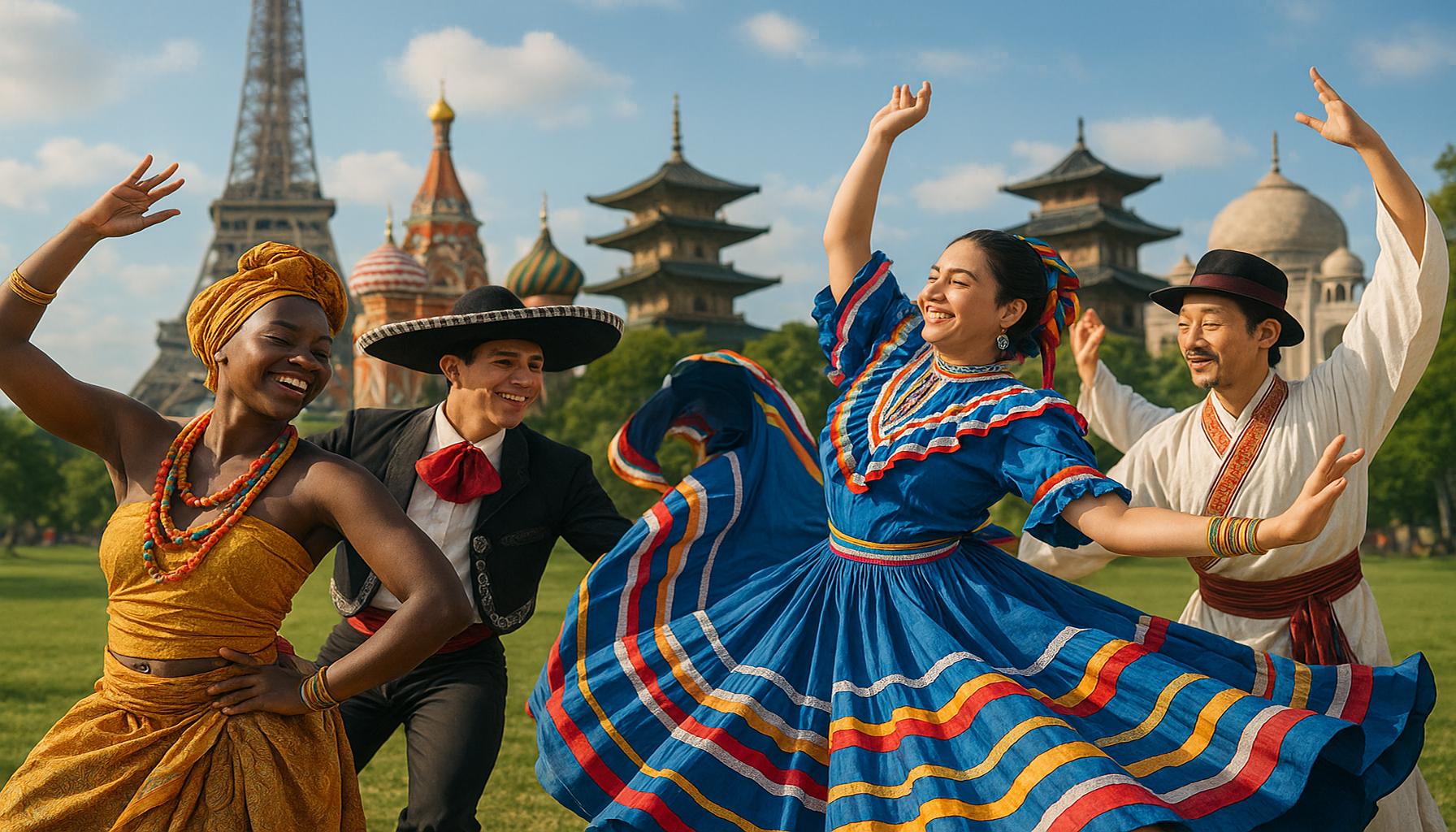
Throughout history, dance has acted as a vital medium for expression, intertwining various cultures and fostering understanding across continents. It’s more than mere movement; dance encapsulates emotions, traditions, and societal values, creating a rich tapestry that connects humanity. From the sensuous moves of the tango from Argentina to the energetic rhythms of hip-hop born in urban America, each style embodies unique narratives entrenched in local history and collective memories.
One of the most profound ways dance bridges cultural divides is by fostering a sense of community and belonging. Dance bring people together—irrespective of their background or language. Local dance events, festivals, and even community classes allow individuals to participate and strengthen their ties with others. For example, community centers in the United States often host line dancing nights, where people from different walks of life come together to engage in this uniquely American form of dance.
Moreover, dance serves as a reflection of shared human experiences, capturing emotions like love, joy, and even grief. Traditional dances often celebrate significant life events, illustrating universal themes. The Hula of Hawaii, for instance, tells stories through body movements that express everything from love to nature, providing insight into the cultural heritage of the islands. Such expressions resonate on a human level, allowing audiences to understand each other’s joys and sorrows.
Dance also acts as a catalyst for cultural exchange, encouraging people to appreciate and embrace various traditions. Global events, such as the International Salsa Congress held annually in the United States, allow dancers from around the world to share their unique styles while learning from each other. These gatherings not only promote individual exploration but also encourage collaboration and fusion in dance, leading to exciting new forms.
Exploring Rich Traditions
The cultural significance of dance can be observed in distinct regional styles:
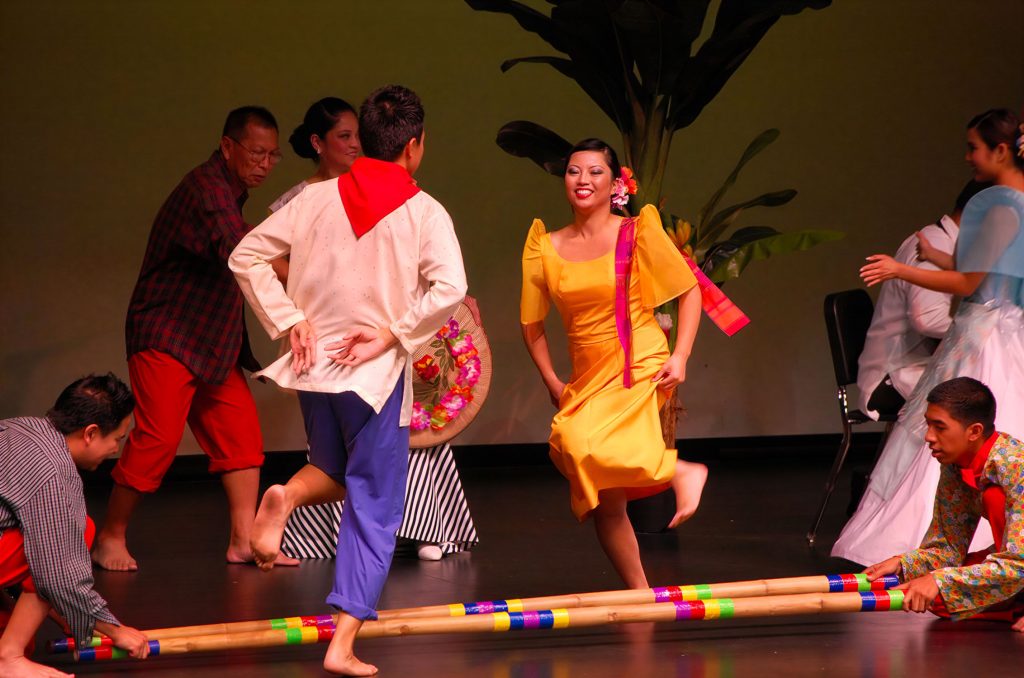
- Bollywood dance captures the vibrant essence of Indian cinema, blending classical techniques with contemporary flair. The energetic choreography and colorful attire often celebrated in Indian festivals showcase the exuberance of the culture.
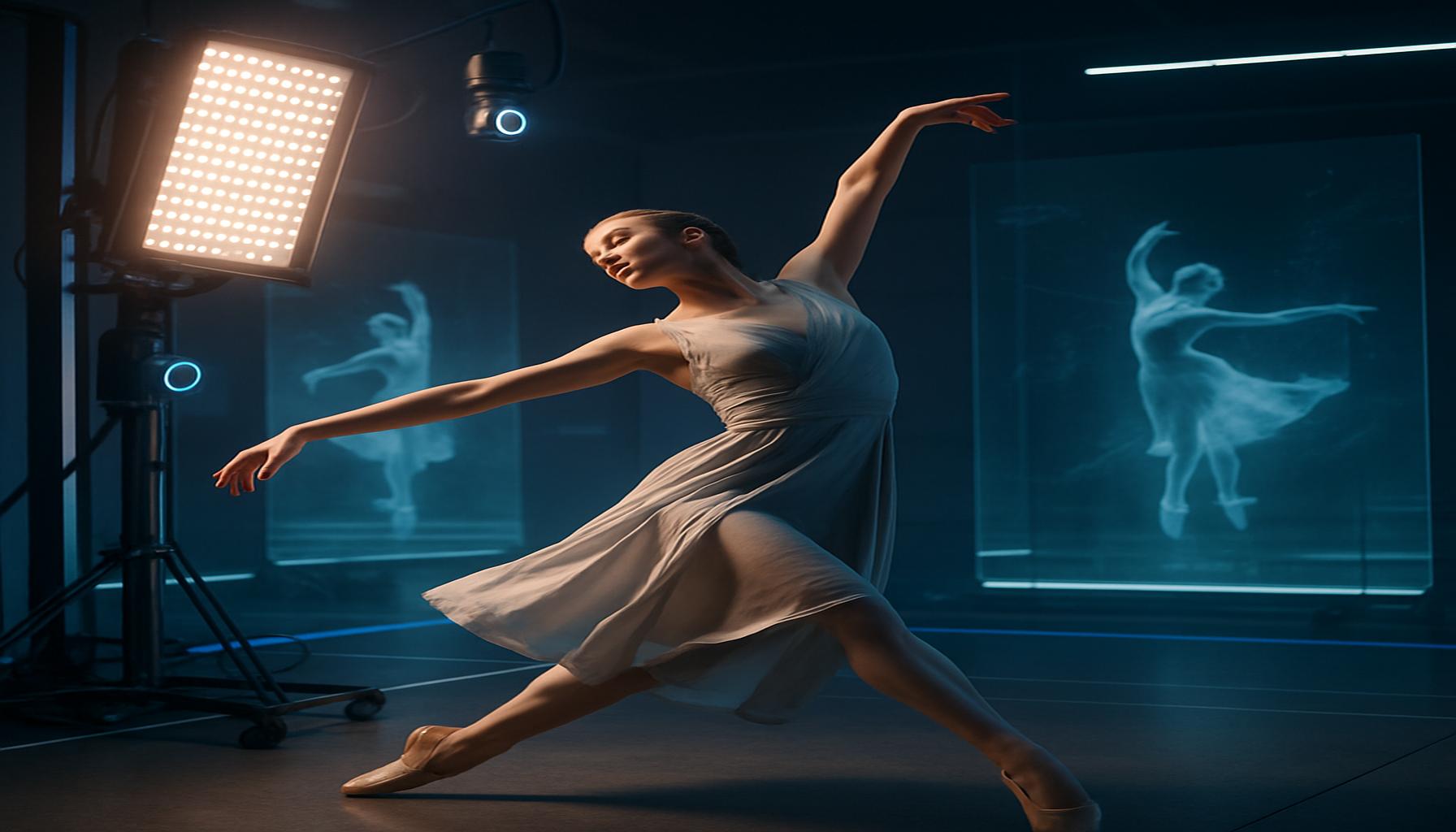
- Ballet is renowned for its elegance and technical skill, rooted in European traditions. It is both an art form and a discipline, with schools around the world promoting the rigorous training necessary to master this graceful dance style.
- Traditional African dance emphasizes the connection to ancestry, often featuring intricate footwork and rhythmic drumming. It is integral in cultural ceremonies and community gatherings, illustrating stories from generations past.
As audiences around the world tune in to dance competitions and viral social media trends, the movement not only entertains but also educates about cultural nuances and practices. The universal language of dance invites all to step onto the floor, embracing diversity while finding common ground in the rhythm of human experience.
Exploring the world of dance thus offers a rich perspective into the cultures that shape our society, deepening our appreciation for the artistry and connection it promotes. It’s a reminder that while our backgrounds may differ, the language of dance speaks to us all, celebrating the intricate fabric of humanity.
DIVE DEEPER: Click here to discover innovative techniques
Dance: A Window into Cultural Diversity
As a universal language, dance transcends barriers of speech and geography, weaving a connection among diverse cultures. Each dance expression mirrors the stories, values, and emotional landscapes of its people, fostering a deeper understanding of the human experience. By engaging with various dance forms, individuals not only learn about different cultures but also develop empathy towards others, forming a bond that goes beyond the superficial.
Central to the dance experience is the concept of storytelling through movement. Different cultures utilize dance to narrate their histories, convey folklore, and express their collective identities. For instance, the Native American powwow dances encompass centuries of tradition, where each movement signifies a part of their rich spiritual and communal life. These performances are not merely artistic expressions but are fundamental to preserving the heritage of Indigenous peoples, showcasing resilience and indigenous knowledge.
Moreover, dance serves as a communal activity, capable of bringing together people from various backgrounds. In the United States, multi-ethnic festivals often showcase traditional dances from different ethnic groups, such as the stunning Irish step dance alongside the lively Bhangra from Punjab. Such gatherings enable attendees to learn and appreciate the cultural significance of each dance. These events illustrate that while individual styles may vary, the joy of participating and sharing common experiences unites everyone on the dance floor.
Dance also allows for cultural dialogue, paving the way for creative collaborations and the blending of styles. The increasing popularity of dance challenges and viral trends on social media platforms like TikTok showcases an evolving dance landscape where traditional forms are reimagined. For instance, the combination of Western hip-hop with African dance styles has resulted in vibrant new genres, reflecting a harmonious fusion of cultural influences and bringing attention to often-overlooked dance heritages.
Diverse Dance Genres and Their Cultural Impact
The potency of dance as a cultural connector is evident in various genres, each with its own unique heritage:
- Flamenco from Spain, characterized by its passionate footwork and emotive expression, serves not only as a performance art but as a means for communities to connect to their Andalusian roots.
- K-Pop dance has taken the world by storm, with intricate choreography that has not only captivated fans globally but has also created a community of enthusiasts who learn and share their interpretations.
- Cape Breton step dancing in Canada connects dancers to their Celtic heritage, creating moments of cultural preservation and celebration during local gatherings and festivals.
As individuals continue to explore these diverse dance forms, they become part of a larger narrative—one that illustrates the multifaceted nature of human interaction. Each rhythm, every spin, and all shared moments encapsulated within dance serve as a testament to our shared desires for connection and understanding. Embracing the universal language of dance not only enriches personal experiences but also fosters an appreciation for the myriad cultures that compose the mosaic of our world.
| Cultural Connectivity | Shared Experiences |
|---|---|
| Dance as a Cultural Bridge | Promotes understanding and appreciation through global dance forms. |
| Inclusive Expression | Encourages participation from diverse backgrounds, fostering unity. |
In the realm of dance, we find a powerful medium capable of bridging cultural divides. This art form allows individuals from different backgrounds to come together, creating a shared language that transcends spoken words. Through various styles of dance, from the lively rhythms of African tribal dance to the elegant movements of Ballet, people can express their identities while also understanding others.Moreover, the phenomenon of dance workshops and international festivals encourages global collaboration, making it easier to experience diverse traditions firsthand. This not only leads to personal growth but also strengthens community ties, showcasing how dance acts as a catalyst for cultural exchange. When individuals engage in dance, they discover new perspectives and forge connections that often last a lifetime, thus reinforcing the notion that dance is indeed a universal language that fosters peace, joy, and understanding.
DON’T MISS OUT: Click here to enhance your DIY experience
The Role of Dance in Youth Identity and Community Building
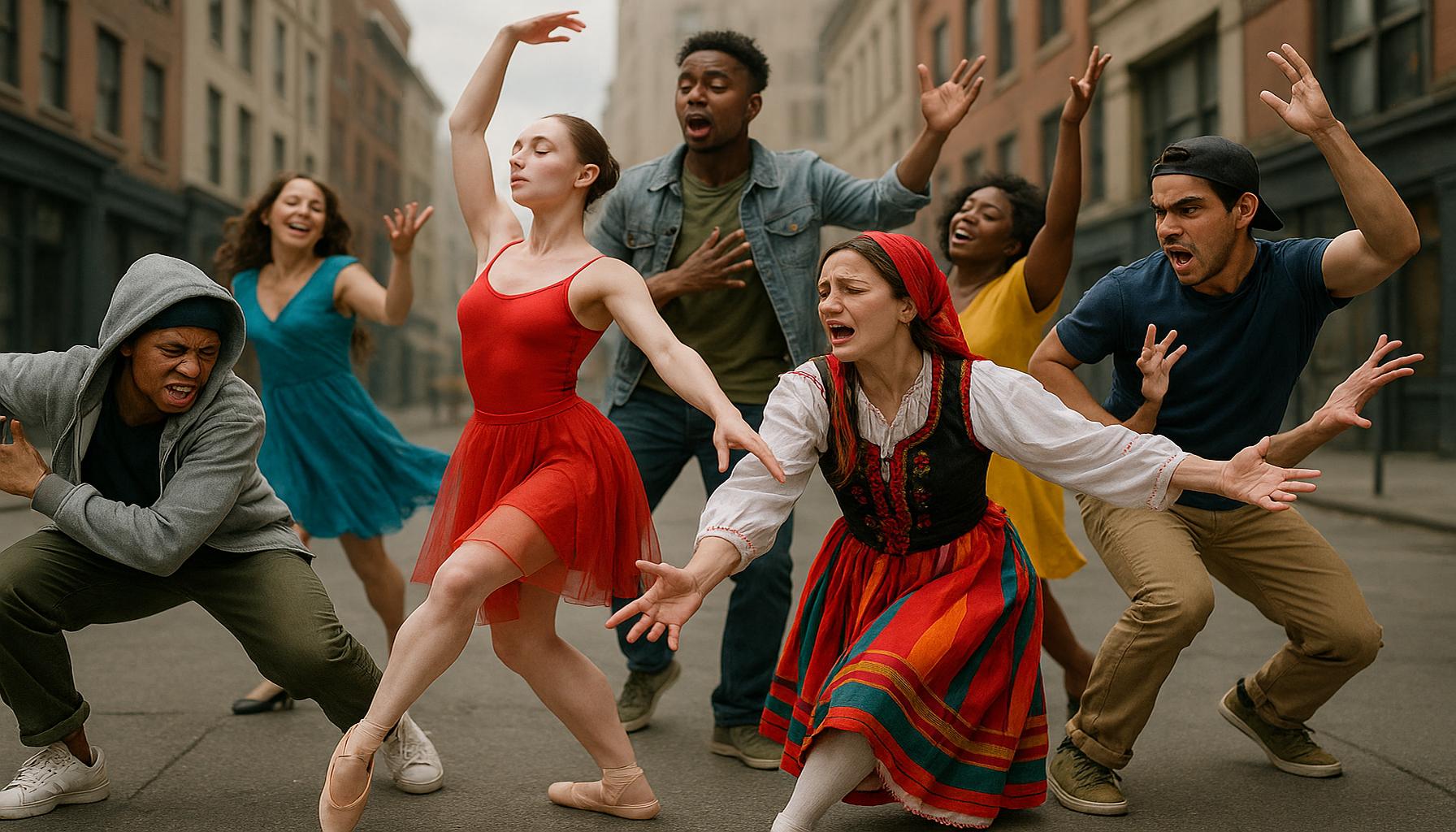
Beyond its role as an artistic expression, dance significantly shapes identity, especially among young people. In many communities, dance serves as a vehicle for self-expression and exploration of cultural roots. As adolescents encounter the complexities of identity formation, they often turn to dance to navigate their cultural narratives. For instance, the rise of cultural dance initiatives in urban areas of the United States, such as breakdancing and krumping, highlights how local youth engage in styles that reflect their environment and experiences, forging connections to cultural movements that resonate with their generation.
Additionally, organizations devoted to the preservation and promotion of dance educate youth about their heritage. Programs that teach traditional dances, such as Hawaiian hula or African tribal dances, emphasize the importance of maintaining cultural legacies. These initiatives not only encourage self-esteem and cultural pride but also build community ties, bridging generational gaps as elders share their customs with the youth. This connection paints a fuller picture of identity, allowing younger generations to embrace their history while contributing to its evolution.
The Therapeutic Power of Dance Across Cultures
The influence of dance extends into the realm of mental and emotional well-being. Dance therapy has gained recognition as a powerful tool for psychological healing, providing a cross-cultural approach to addressing personal and collective traumas. In communities adversely affected by violence or displacement, dance offers a cathartic release. For example, in refugee camps across the globe, dance workshops have been implemented to help individuals express their grief, resilience, and hope, facilitating dialogue and connection among participants.
In the American context, dance therapy programs often blend cultural styles that incorporate elements from various traditions, including Latin salsa, West African dance, and contemporary forms. Such programs enable participants to explore their emotions while celebrating their diverse heritages. Furthermore, the phenomenon of flash mobs—spontaneous dance gatherings in public spaces—can also be viewed as a form of communal therapy that encourages joy, solidarity, and participation in a shared social moment.
Dance Festivals: A Confluence of Cultures
Dance festivals around the world serve as vibrant spaces for cultural exchange, showcasing the blending of traditions through performance. Events such as the American Dance Festival and the Global Dance Festival draw international artists who share their interpretations of traditional and contemporary dance. Attending these festivals enables audiences to dive deep into the intricacies of diverse forms, encouraging an appreciation that often inspires personal exploration.
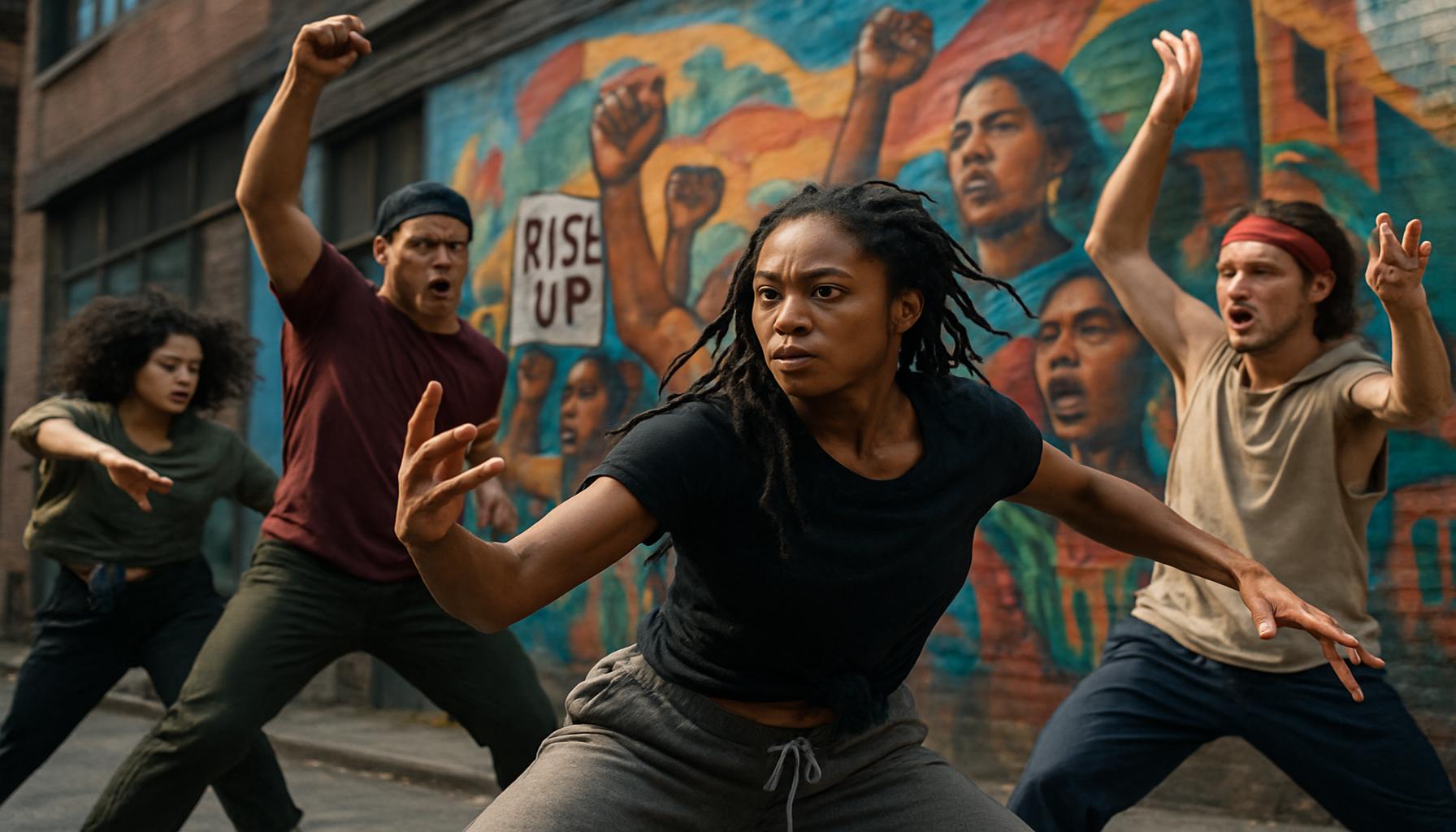
Moreover, such events give rise to discussions on the significance of dance in social movements, with performers adeptly using their platforms to address pertinent issues. Take, for instance, the emergence of Black Lives Matter protest dance performances, which highlight the fight against systemic racial injustice. These powerful expressions of solidarity illustrate how dance transcends entertainment, becoming a proactive medium for advocating change.
In examining the intersections of dance, identity, and community engagement, it becomes evident that this art form acts as both a mirror and a bridge. As individuals continue to dance, the body becomes a canvas upon which cultures are painted, celebrated, and interwoven, reinforcing the idea that movement is indeed a universal language that speaks volumes across the globe. Understanding this connection can encourage broader acceptance and an enriching exchange of ideas that uplift humanity as a whole.
DISCOVER MORE: Click here to dive deeper
Conclusion: The Enduring Language of Dance
In conclusion, dance serves as a profound universal language that transcends cultural barriers, encouraging connections that enrich our global tapestry. As we have explored, the rhythmic movements of dance provide a unique platform for identity expression, community engagement, and cultural exchange. From youth finding their voice in traditional and contemporary styles to the therapeutic benefits of movement that foster healing in diverse backgrounds, dance intertwines deeply with human experiences across the globe.
Furthermore, events like dance festivals serve not only to celebrate artistic expression but also to spark crucial dialogues surrounding social justice and collective identity. The poignant performances emerging from initiatives such as the Black Lives Matter movement remind us that dance is not merely a form of entertainment; it can be a vibrant, dynamic tool for activism and empowerment.
As we look to the future, embracing the rich diversity of dance can pave the way for greater understanding and acceptance among cultures. Every dance step tells a story, and every collective movement resonates with the shared emotions of humanity. Encouraging participation in dance, whether through community programs, cultural festivals, or therapeutic practices, opens avenues for dialogue and connection that can uplift individuals and societies alike. In the end, as we celebrate the profound essence of dance, we uncover the potential to unite and inspire one another in an ever-evolving world.