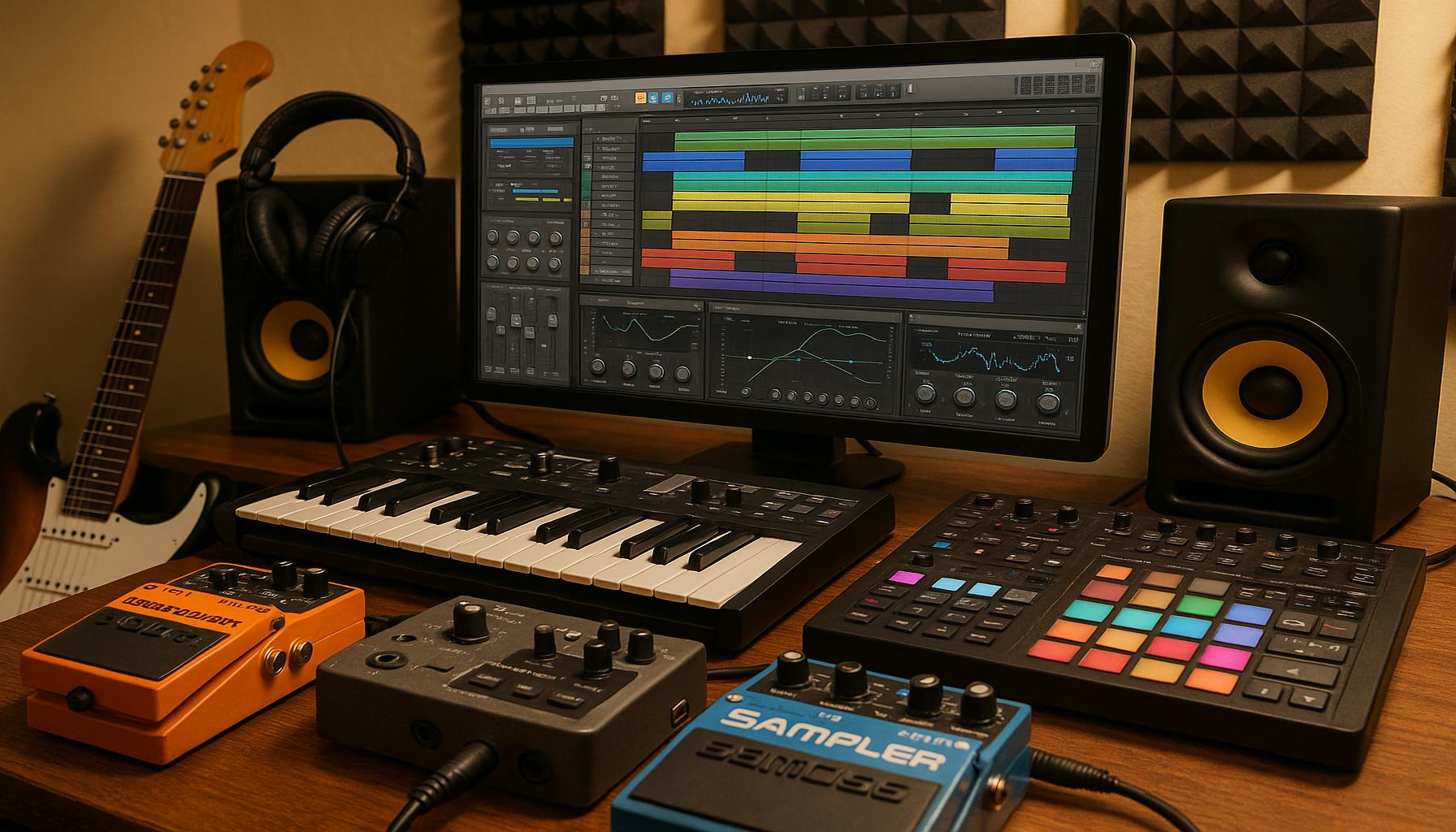
The Importance of Improvisation in Musical Creation: Techniques and Benefits
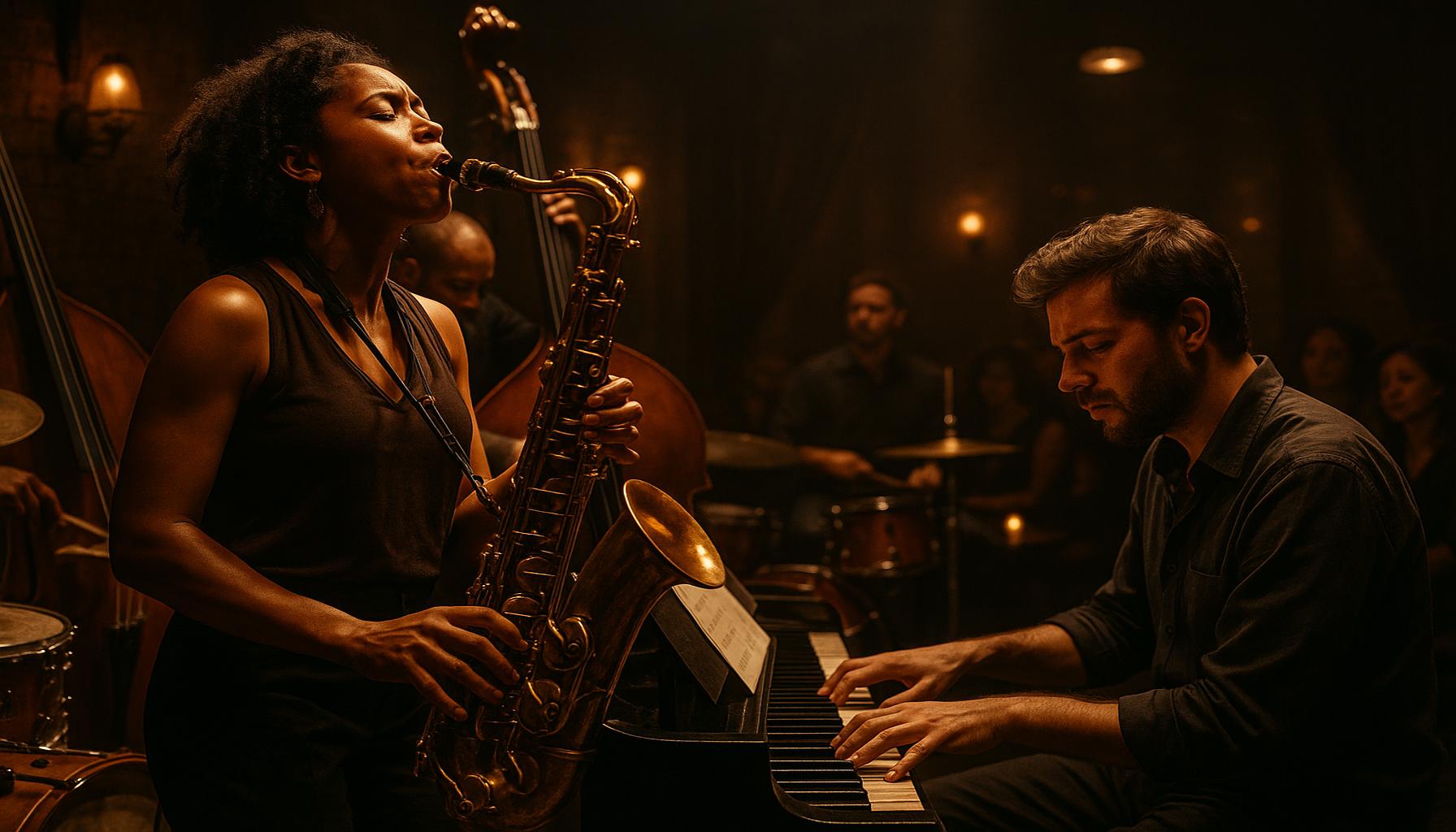
The Power of Improvisation in Music
Improvisation in music transcends mere spontaneity, serving as a cornerstone for creativity that significantly enhances the music-making process. For musicians, whether seasoned veterans or enthusiastic beginners, the ability to improvise ushers in new dimensions of expression and innovation, empowering them to go beyond the confines of written music. The transformative potential of improvisation can be explored through several key benefits.
One of the most profound advantages of improvising is its capacity to foster enhanced creativity. This musical freedom allows artists to experiment with sounds and ideas without inhibitions, encouraging them to think outside the box and tap into their personal voices. By embracing improvisation, musicians can explore unexpected harmonies and rhythms, resulting in compositions that are unique and deeply reflective of their individual artistry.
Moreover, improvisation contributes to improved musicianship. Musicians who engage in improvisation often develop a more nuanced understanding of musical structures and the intricate web of harmony. For instance, jazz musicians frequently use scales and modes as springboards for their improvisational flights, mastering the language of music in ways that classical training might not allow. This deeper comprehension not only enhances their performance quality but also enriches their compositional skills by allowing them to think critically about music theory in practice.
Another significant aspect of improvisation is its role in fostering collaborative synergy among musicians. In group settings, being able to improvise effectively promotes communication and adaptability, crucial elements for any ensemble. Consider a jazz band, where one musician’s solo can inspire others to respond with their interpretations, shifting the dynamic of the performance entirely. This interactive process leads to a rich tapestry of sound where each player’s unique voice adds to the collective artistry.
In American music, improvisation has been a powerful force, particularly in genres like jazz, blues, and rock. Legendary figures such as Charlie Parker in jazz and Jimi Hendrix in rock exemplify how improvisational skills can redefine music and set new standards. Parker’s complex improvisation patterns brought a new depth to jazz, while Hendrix’s guitar solos demonstrated wild creativity, broadening the horizons of popular music.

As we continue to explore the techniques and profound benefits of improvisation, it becomes increasingly clear that this practice enriches not only individual artistry but also fosters a collective musical experience. Staying tuned will allow you to unravel methods for cultivating your improvisational skills, as well as understand their lasting impact on your musical journey. Engaging in this dynamic aspect of music can be both a thrilling and rewarding endeavor, set to elevate your artistry to new heights.
DISCOVER MORE: Click here to learn how to create meaningful handmade gifts for those in need
Techniques to Enhance Your Improvisational Skills
Improvisation is not just an art; it is a skill that can be cultivated through specific techniques and practices. Whether you are a budding musician or an experienced performer looking to deepen your craft, adopting structured approaches to improvisation can significantly enhance your ability to create spontaneously. Here are several effective techniques that can help unlock your improvisational potential:
- Scale and Mode Familiarization: Understanding scales and modes is crucial for improvisation. Musicians should familiarize themselves with different scales, such as major, minor, pentatonic, and blues scales. Each scales provides various emotional palettes, offering a foundation for improvisational work. For instance, the use of the pentatonic scale is common in blues and rock, while modal improvisation can introduce new colors in jazz.
- Call and Response Exercises: This age-old technique encourages interactive playing between musicians. One player makes a musical statement (the “call”), and another responds with a complementary part (the “response”). This practice develops listening skills and enhances the interplay between musicians, reinforcing the idea that improvisation is a collaborative effort.
- Experimenting with Rhythm: Rhythm is an often overlooked aspect of improvisation. Musicians should spend time exploring various rhythmic patterns, syncopations, and time signatures. By experimenting with different grooves, even within a well-known melody, players can discover innovative ways to interpret their music.
- Practice Improvising Over Chord Progressions: Using backing tracks with common chord progressions can help musicians practice improvisation in a structured way. Progressions like the ii-V-I in jazz or the I-IV-V in rock can serve as frameworks for improvising melodies and solos, providing a practical ground to explore one’s creativity.
Aside from these techniques, one of the greatest benefits of developing improvisational skills is the profound impact it has on a musician’s overall performance. By engaging consistently in improvisation, musicians not only bolster their technical abilities but also cultivate their sense of musicality. The thrill of unpredictable musical interactions leads to dynamic performances that can captivate audiences.
Additionally, practicing improvisation can lead to greater emotional expression in music. When musicians allow themselves the freedom to create in the moment, they often tap into their authentic feelings, allowing their performances to convey a depth of emotion that may have been otherwise restrained in a strictly scripted format. This authenticity resonates with listeners, forging an emotional connection that elevates the overall experience of the performance.
As we delve further into the topic, exploring the multifaceted benefits of improvisation in musical creation, it becomes clear that mastering these techniques is vital for anyone looking to enrich their musical journey. The liberation found in improvisation encourages not only artistic growth but also personal expression—making the practice an indispensable tool for musicians across all genres.
| Technique | Benefits |
|---|---|
| Cross-Genre Fusion | Enhances creativity by blending diverse musical styles, leading to unique soundscapes. |
| Spontaneous Composition | Fosters innovation, allowing artists to explore new ideas and develop their own musical voice. |
| Live Jamming | Builds collaboration among musicians, strengthening their ability to communicate musically. |
| Improvisational Exercises | Improves technical skill, enabling musicians to perform with greater flexibility and expressiveness in their craft. |
Improvisation is an invaluable aspect of musical creation, offering a variety of techniques that not only foster artistic expression but also enrich the music-making experience. For instance, engaging in cross-genre fusion allows artists to innovate by merging elements from different styles, which can result in groundbreaking compositions. This mix often provokes emotional responses and draws listeners into a deeper engagement with the music.Alternatively, spontaneous composition encourages musicians to let go of traditional boundaries and express their inner creativity in the moment. The result can be a unique sound that reflects their personal artistic journey. Combining this approach with live jamming sessions cultivates a dynamic atmosphere, enabling musicians to communicate effectively and adapt to one another in real-time.Furthermore, incorporating improvisational exercises into regular practice can significantly boost one’s technical capabilities. These methods enhance musicians’ versatility, making their performances not just mere executions of notes but genuine expressions of artistry. Thus, understanding and embracing improvisation can lead to a flourishing musical career filled with enriched artistry and personal satisfaction.
DISCOVER MORE: Click here to dive into musical composition tips
Benefits of Embracing Improvisation in Music
While the techniques to enhance improvisational skills are vital, the benefits derived from embracing improvisation in musical creation extend far beyond mere technical prowess. Musicians stand to gain a wealth of advantages that nourish their artistic growth and enrich their creative processes. Here are some of the key benefits associated with improvisation:
- Enhanced Creativity: Engaging in improvisation allows musicians to think outside traditional boundaries. With no preset rules to follow, artists are encouraged to experiment and explore new musical ideas. This act of spontaneous creation can lead to groundbreaking concepts and unique soundscapes that can differentiate their work from mainstream music.
- Building Confidence: One of the often-overlooked aspects of improvisation is its ability to boost a musician’s self-confidence. When musicians learn to trust their instincts and embrace the unknown during performances, they cultivate resilience against the fear of making mistakes. This newfound confidence not only enhances their performances but can also translate into other areas of their lives.
- Adaptability to Various Musical Styles: Musicians who engage in regular improvisation develop a deeper understanding of diverse styles and genres. This versatility enables them to seamlessly adapt and collaborate with artists from different backgrounds. Whether in jazz fusion, rock, classical or world music, improvisational training equips musicians with the skills necessary to approach any genre with ease.
- Strengthening Collaborative Skills: In ensemble settings, improvisation fosters a strong sense of collaboration. Musicians learn to respond to their peers’ playing in real-time, enhancing their ability to communicate musically. This interactive creativity not only leads to tightly knit performances but also creates lasting bonds with fellow musicians, enriching their musical community.
- Encouragement of Individual Style: While techniques in improvisation can be learned, it is ultimately a highly personal endeavor. Each musician brings their own experiences, emotions, and influences into their improvisational choices. As they explore this form of expression, they contribute to the development of their unique voice, helping to carve out individuality in a crowded musical landscape.
Furthermore, improvisation plays a crucial role in developing listening skills. Musicians must attune themselves to their surroundings, which includes the nuances of their fellow musicians’ playing and the overall atmosphere of the performance. This heightened awareness enriches their ability to make informed and impactful musical choices, resulting in a more cohesive and engaging performance.
Research has also shown that improvisation contributes significantly to cognitive growth. Studies indicate that improvisational practices engage multiple areas of the brain, promoting quicker decision-making and enhanced problem-solving skills. Musicians who improvise regularly can demonstrate increased mental agility, which translates to other life tasks beyond music.
Lastly, the act of improvisation frequently fosters a sense of joy and satisfaction. The spontaneous nature of creating without rules energizes performers and audiences alike, leading to memorable and unique experiences that set live performances apart. The thrill of shared discovery resonates with listeners, heightening their connection with the music and the artist.
As we uncover the full breadth of benefits derived from improvisation, it becomes apparent that mastering this craft not only enriches musical creation but also fosters personal growth and emotional fulfillment. Ultimately, these factors solidify the position of improvisation as a fundamental aspect of musical artistry.
DISCOVER MORE: Click here to delve deeper
Conclusion
In summary, the significance of improvisation in musical creation cannot be overstated. It serves as a powerful catalyst for artistic expression, encouraging musicians to cultivate their creativity while fostering skills that transcend mere technical abilities. By embracing improvisation, musicians open themselves to a realm of spontaneity that not only enhances their individual artistry but also fosters rich collaborative experiences with others in the musical community.
The techniques developed through improvisational practice nurture adaptability and confidence, enabling musicians to navigate a plethora of genres and styles. This adaptability equips them with a nuanced understanding of music that can captivate audiences and peers alike. Furthermore, the cognitive benefits associated with improvisation, such as improved problem-solving and heightened listening skills, contribute to a musician’s overall growth, preparing them for challenges both on and off stage.
Ultimately, improvisation stands as a testament to the beauty of unpredictability in music, turning performances into unique and unforgettable experiences. As musicians explore this dynamic aspect of their craft, they not only enrich their own musical journey but also inspire those around them. The endless possibilities that arise from improvisational practices remind us of the intrinsic value of creativity, urging both seasoned artists and aspiring musicians in the United States and beyond to play, explore, and express themselves freely. By committing to improvisation, musicians can truly redefine the boundaries of their artistry, leaving lasting impacts in the world of music.