Dance as a Form of Activism: Movements that Inspire Social and Cultural Change
The Power of Dance in Activism
Dance is not just an art form; it serves as a profound medium for expression that conveys messages of social justice and change. Throughout history, various dance styles have emerged as platforms for advocacy, helping to highlight the complexities of human experience, reinforce community connections, and inspire action against systemic injustices. In understanding this dynamic relationship, we witness how rhythm and movement can ignite conversations and provide a voice to the voiceless.
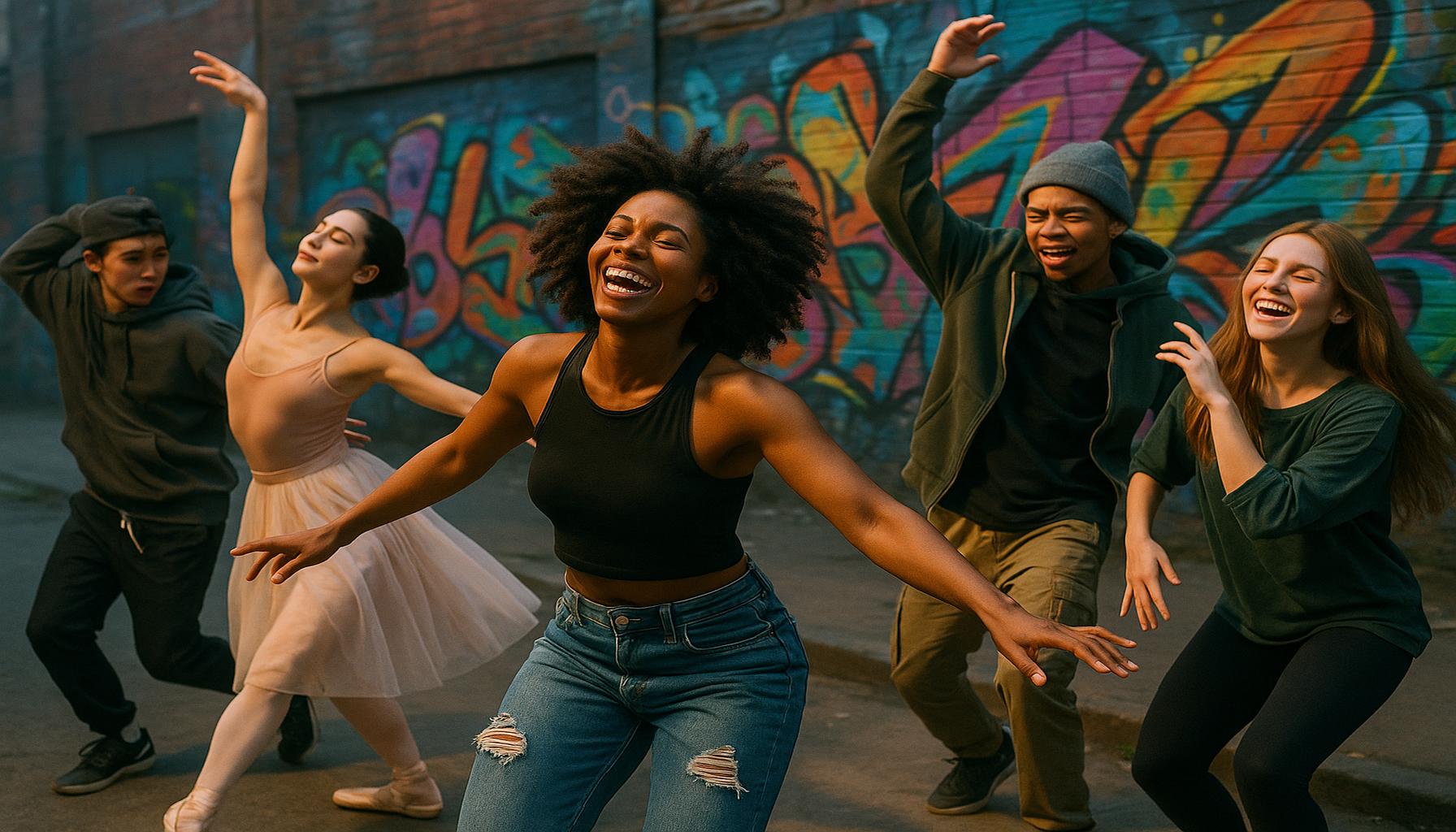
Hip-Hop Dance, originating in the vibrant streets of the United States in the late 20th century, is an exemplary illustration of this phenomenon. With its roots in African American culture, hip-hop dance has evolved into a global movement that often addresses themes such as racial inequality, systemic oppression, and identity. Renowned artists like Storm and Bronze Nazareth have used dance battles and performances to discuss their experiences with racism and other societal challenges. Festivities such as the annual Brooklyn Hip-Hop Festival showcase how this style continues to reveal the nuanced narratives of marginalized communities, encouraging discourse about race and identity through powerful dance moves and lyrical expressions.
On a different spectrum, Ballet has also transformed into a vehicle for social change. Historically regarded as an exclusive art form with predominantly white representation, companies like the Dance Theatre of Harlem have actively worked to promote racial diversity within ballet. Their performances not only showcase extraordinary talent but also confront racial stereotypes, enriching the ballet community with a broader narrative. In recent years, collaborative projects such as “A Midsummer Night’s Dream” have been reimagined to include dancers from diverse backgrounds, exemplifying how ballet is becoming increasingly inclusive and innovative.
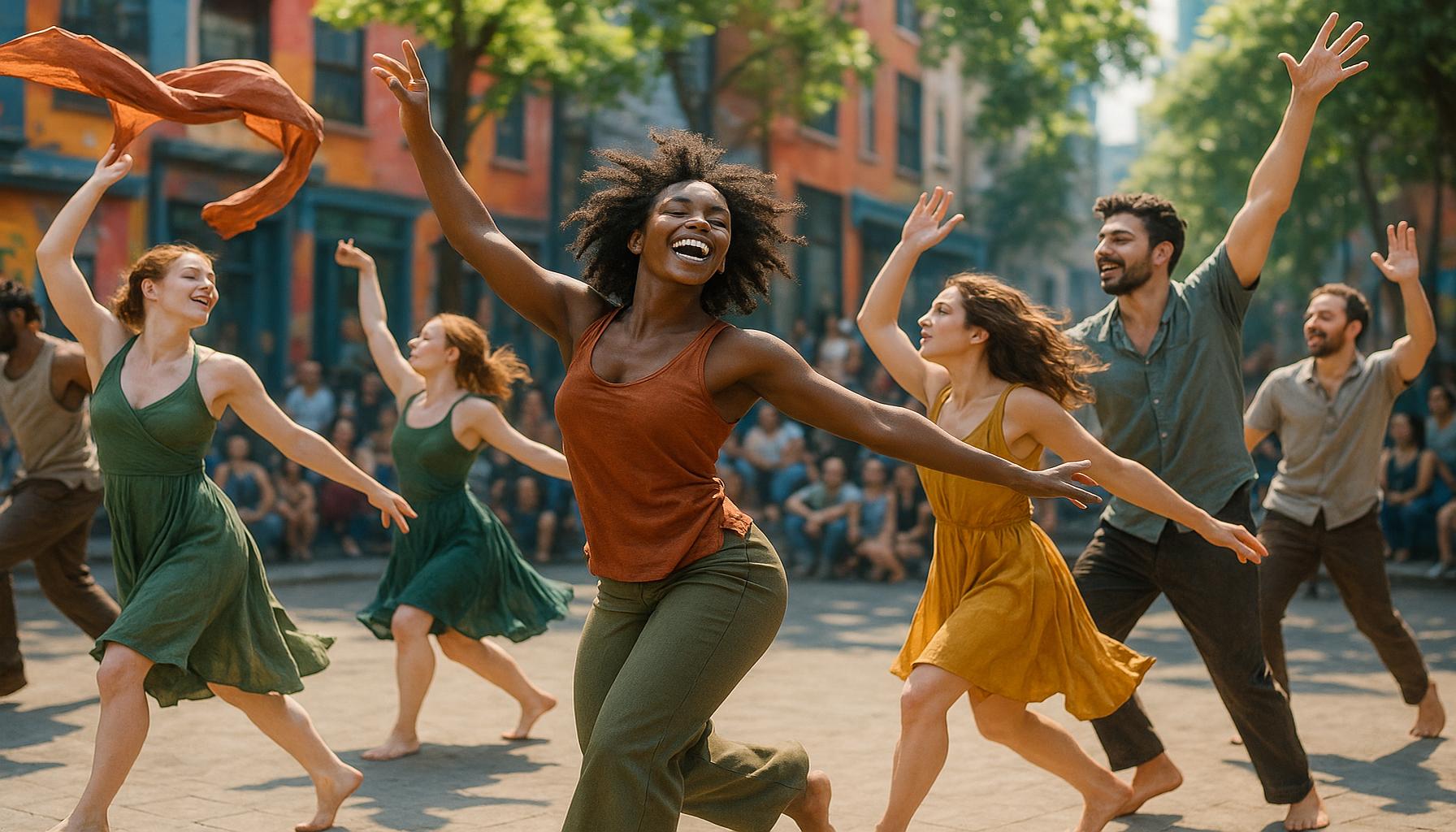
Additionally, the phenomenon of Flash Mobs has emerged as a contemporary form of dance activism. These spontaneous gatherings often feature choreographed routines in public spaces to raise awareness about political issues or celebrate significant events. For instance, the viral “Dance for Kindness” flash mob on World Kindness Day encourages participants to promote compassion and unity, transcending cultural barriers through the universal language of music and dance. Often, such events spark viral conversations online, further amplifying their messages beyond the immediate audience.
In conclusion, the interplay between dance and activism is undeniably powerful. Whether addressing climate change through performances that evoke urgency or advocating for LGBTQ+ rights through expressive choreography, dancers and choreographers harness their art to challenge societal norms. Each performance serves as a catalyst for dialogue, inviting audiences to reflect on pressing issues and inspiring them to take action. Recognizing the significant impact of dance as a form of activism allows us to appreciate both the artistry involved and the resilience that fuels these movements. As we explore the multifaceted world of dance activism, we are reminded that every step taken can indeed serve as a potent statement for change.
DISCOVER MORE: Click here for seasonal DIY home decor ideas
Celebrating Cultural Heritage Through Dance Activism
Dance has long been a reflection of cultural identity, serving as a canvas for communities to express their histories, struggles, and hopes. Throughout the United States, various forms of traditional dance have risen to prominence, acting not only as celebrations of heritage but also as potent tools for activism. These dances vividly highlight the stories of marginalized groups, allowing them to reclaim their narratives and challenge damaging stereotypes.
Native American Powwow Dances are a powerful example of this activism. These vibrant ceremonies involve intricate dances that honor traditions and promote community cohesion. Recently, powwows have gained visibility as venues for advocating issues such as land rights, environmentalism, and sovereignty. Events like the Gathering of Nations Powwow in Albuquerque bring thousands together, creating a platform where Indigenous voices can be amplified. Performers use their talents not only to showcase their rich cultural practices but also to address pressing concerns, such as the impact of climate change on tribal lands and resources.
Similarly, traditional African American dances have evolved into movements that confront social injustice and promote dialogue. Styles such as gumbo and jookin resonate deeply within the community, striking chords that honor ancestral heritage while being very much connected to contemporary issues. Events such as the National Black Dance Festival celebrate these cultural expressions, providing a space for developing conversations around race relations and social equity. The festival exemplifies how fostering a sense of identity through movement can harness joy and activism in one striking package.
The intersection of dance and social change is also evident in the global phenomenon of cumbia and salsa, which are deeply rooted in Afro-Latin culture. In the U.S., dance forms like cumbia have been used to advocate for immigrant rights, illustrating a blend of rhythm and resistance. Choreographers are increasingly incorporating themes of displacement and survival into performances, drawing attention to the challenges faced by Latinx communities. Initiatives such as the Dance the Vote campaign underscore the critical role of dance in mobilizing voters and fostering political engagement, particularly among young and underrepresented demographics.
To encapsulate the ways in which dance serves as a conduit for activism, consider the following key aspects:
- Community Building: Dance fosters connections among individuals, creating solidarity within communities facing common struggles.
- Cultural Preservation: Engaging in traditional dance during activism preserves unique heritages, keeping histories alive as a counter to erasure.
- Empowerment: Through performance, dancers take control of their narratives, thereby reclaiming identities that have long been marginalized.
In this multifaceted landscape, we see that dance serves not merely as entertainment or artistic expression but as a potent vehicle for cultural preservation and social change. By examining how various dance styles engage with activism, we can appreciate how rhythm and movement are interwoven with the stories and struggles of diverse communities.
Exploring the Role of Dance in Social Justice Movements
Dance has considerably evolved as a potent tool for activism, bridging gaps between cultures and communities while delivering powerful messages of change. Movements such as the Black Lives Matter and women’s rights campaigns have utilized dance to galvanize support and spread awareness. Through expressive movements, dancers articulate their collective struggles, inviting audiences into their narratives, thus fostering a sense of empathy and understanding.One striking example is the use of social dance in protests. In recent years, choreographed flash mobs have emerged as a way to draw public attention to pressing issues. These spontaneous gatherings, often taking place in high-traffic areas, blend entertainment with political expression, making important social messages more accessible to broader audiences. By using dance as an engaging medium, activists imbue their messages with energy and urgency, urging society to participate in the dialogues around inequality and justice.Moreover, dance is a universal language that transcends barriers of culture, generation, and language. Activist choreographers like Alicia Keys and the renowned Ballet Folklórico de México incorporate traditional movements to celebrate cultural heritage while addressing contemporary issues. This intersection of art and activism emphasizes both the celebration and critique of cultural identities, showing that dance can serve as a platform for reclaiming narratives and asserting resilience in the face of oppression.In these ways, dance remains an unyielding force for social change, illustrating the power of movement—not just physically but metaphorically. More than a mere form of entertainment, it represents a visceral form of protest and a rallying cry for individuals seeking to initiate dialogue and inspire transformation across the globe.
| Advantage | Description |
|---|---|
| Cultural Representation | Dance showcases diverse cultural identities, empowering communities to express their stories. |
| Community Engagement | Interactive dance events create solidarity, fostering a collective effort for social change. |
This dynamic relationship between dance and activism not only captivates but also mobilizes individuals towards a shared vision for a more just world. It invites further exploration into how movements can harness this expressive form to inspire change.
DISCOVER MORE: Click here for creative card ideas
The Dance Revolution: Contemporary Movements Driving Change
In recent years, dance activism has taken on new forms as artists and activists harness modern styles to address pressing social issues. This evolution highlights how contemporary dance is not only a reflection of current socio-political climates but also a powerful catalyst for change. Various movements have emerged, utilizing the dynamic nature of dance to unite communities and challenge social norms.
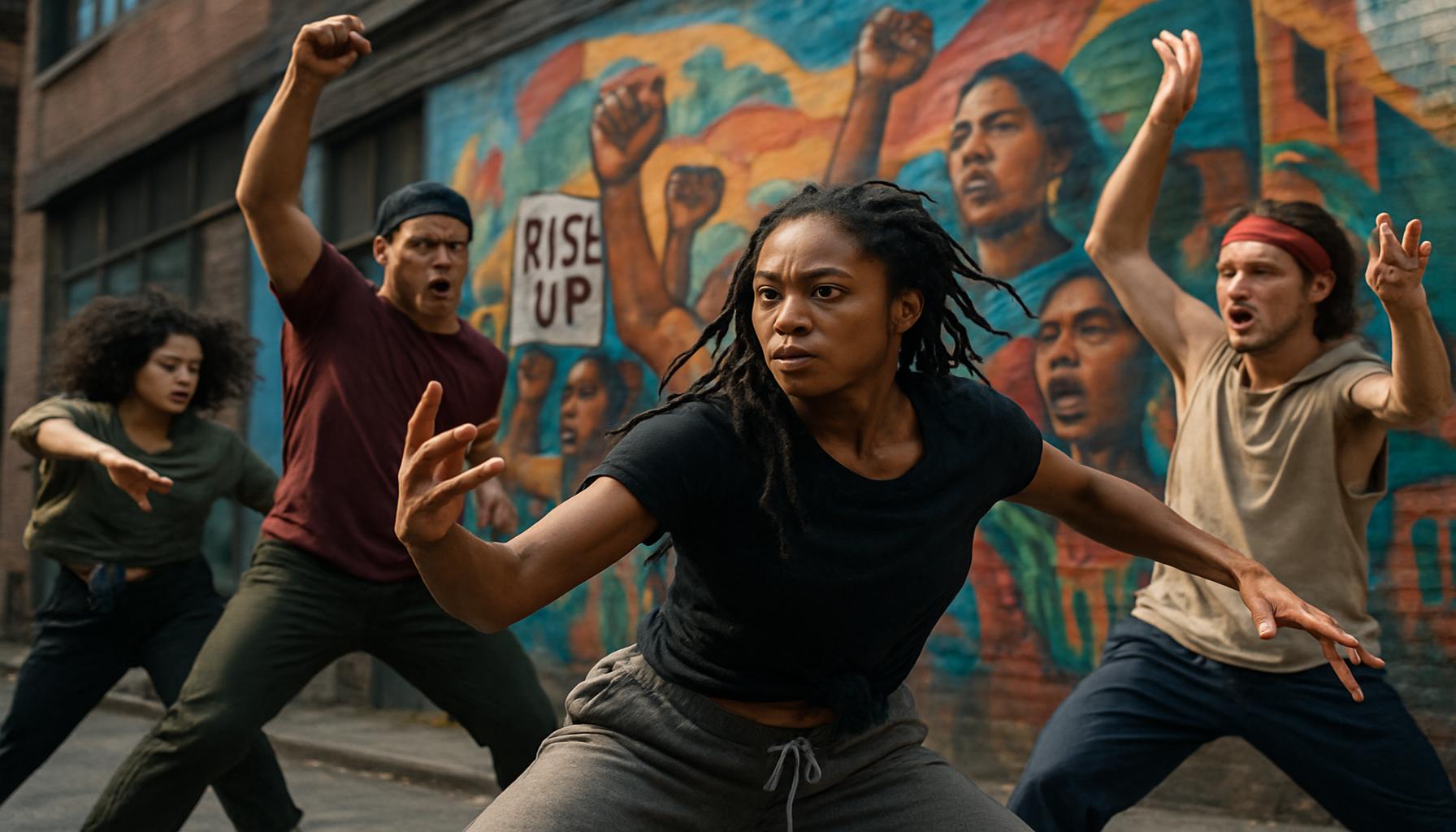
Hip-Hop culture, for example, has profoundly influenced the landscape of dance activism. Originating as an expressive outlet for African American and Latino youth in the Bronx, hip-hop dance has evolved into a movement that speaks out against racial inequality and police brutality. The work of organizations such as Open Doors and Dance for Justice demonstrates how breakdancing, locking, and popping can serve as forms of resistance. Events like the World Hip Hop Dance Championship have lent global visibility to these messages, allowing participants to not only showcase their skills but also infuse their performances with social commentary, empowering dancers to fearlessly express their narratives.
Moreover, dance activism has found fertile ground within the LGBTQ+ community, where styles like voguing and krumping convey personal and collective experiences related to identity, acceptance, and resilience. The House of Xtravaganza and other drag houses have played a crucial role in creating safe spaces for self-expression through dance, particularly for marginalized individuals. The popularization of these styles has led to the emergence of vibrant events like the Ball Culture, which not only celebrates artistry and performance but also acts as a forum to address discrimination faced by LGBTQ+ individuals. Through these expressive forms, dancers reclaim agency and foster discussions around social justice in an unapologetic manner.
Additionally, contemporary dance companies such as Alonzo King LINES Ballet and Urban Bush Women use their platforms to explore themes of identity, urban life, and race relations. Choreographers like Alonzo King integrate cultural narratives into their work, blurring the lines between traditional and modern performance. Their commitment to infusing activism within contemporary dance demonstrates how choreography can serve as a profound response to socio-political issues, compelling audiences to reflect and engage.
Dance-based activism also plays a vital role in movements like Me Too and Black Lives Matter. During protests and demonstrations, choreographed movements are mobilized to convey messages of solidarity and resistance. The striking visuals created by coordinated dances serve as a powerful form of non-verbal communication, capturing attention and evoking emotions. Actions like the Ballet for Change initiative emphasize the significance of performance art in fostering dialogue around sexual assault and systemic racism, bridging the gap between artistic expression and social critique.
- Inclusivity: Dance movements often promote inclusivity, encouraging participants from diverse backgrounds to engage and express themselves without barriers.
- Audience Engagement: Dance serves as a means to break down complex issues, making them accessible and relatable to wider audiences through movement.
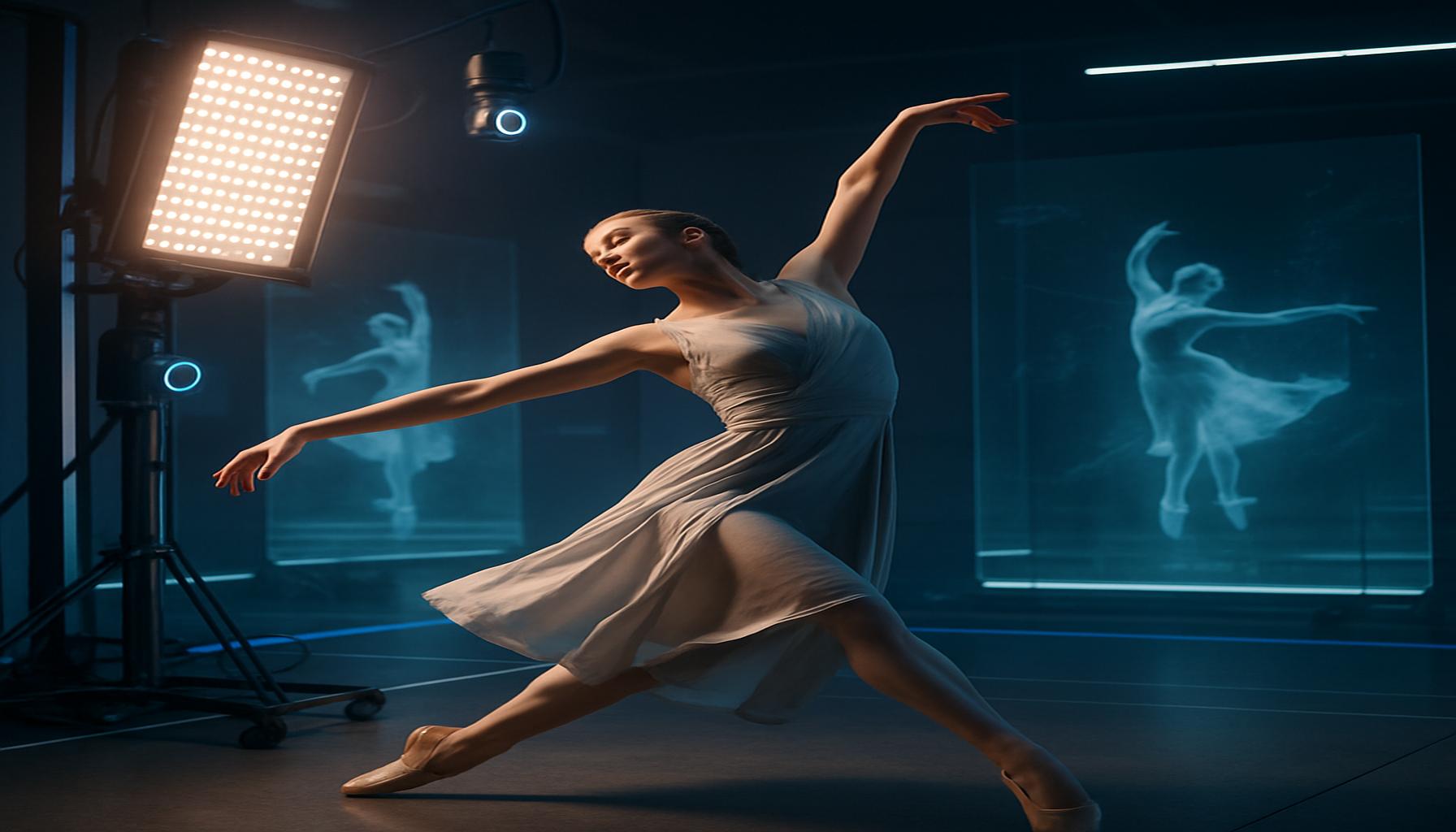
- Innovation: Contemporary dancers incorporate multimedia elements such as video projections and digital art to deepen the conversation surrounding their performances.
In the realm of activism, the diverse expressions of dance transcend entertainment. They forge connections, amplify voices, and challenge the status quo in transformative ways that resonate with audiences and participants alike.
DISCOVER MORE: Click here for fun family crafting ideas!
Conclusion: The Rhythm of Change
As we have explored, dance as a form of activism represents a vibrant and dynamic intersection of art and social justice. The myriad movements rooted in styles like hip-hop, voguing, and contemporary choreography showcase the profound ability of dance to break barriers and elevate urgent messages surrounding issues such as racial inequality, LGBTQ+ rights, and gender-based violence. From community gatherings to global events, dance acts as both a celebratory expression and a vehicle for mobilization.
The evolution of dance activism invites audiences to not only witness but also participate in conversations that demand recognition and reform. By examining the narratives encapsulated in movement, societal challenges are brought to the forefront, often resonating deeply with diverse demographics that may otherwise remain disengaged. Initiatives like Ballet for Change and platforms created by organizations such as Open Doors enhance public discourse, serving as catalysts that inspire individuals to rethink their perspectives and engage in dialogue.
As the landscape of activism continues to change, it is crucial for artists and activists to work collaboratively, leveraging the unique power of dance to forge connections and advocate for transformation. Ultimately, this artistic form will continue to evolve, promising to incite passion and propel movements that inspire true cultural change in the face of ongoing societal challenges. For anyone looking to explore or engage in activism, the world of dance offers a compelling avenue through which every step can contribute to a more just society.