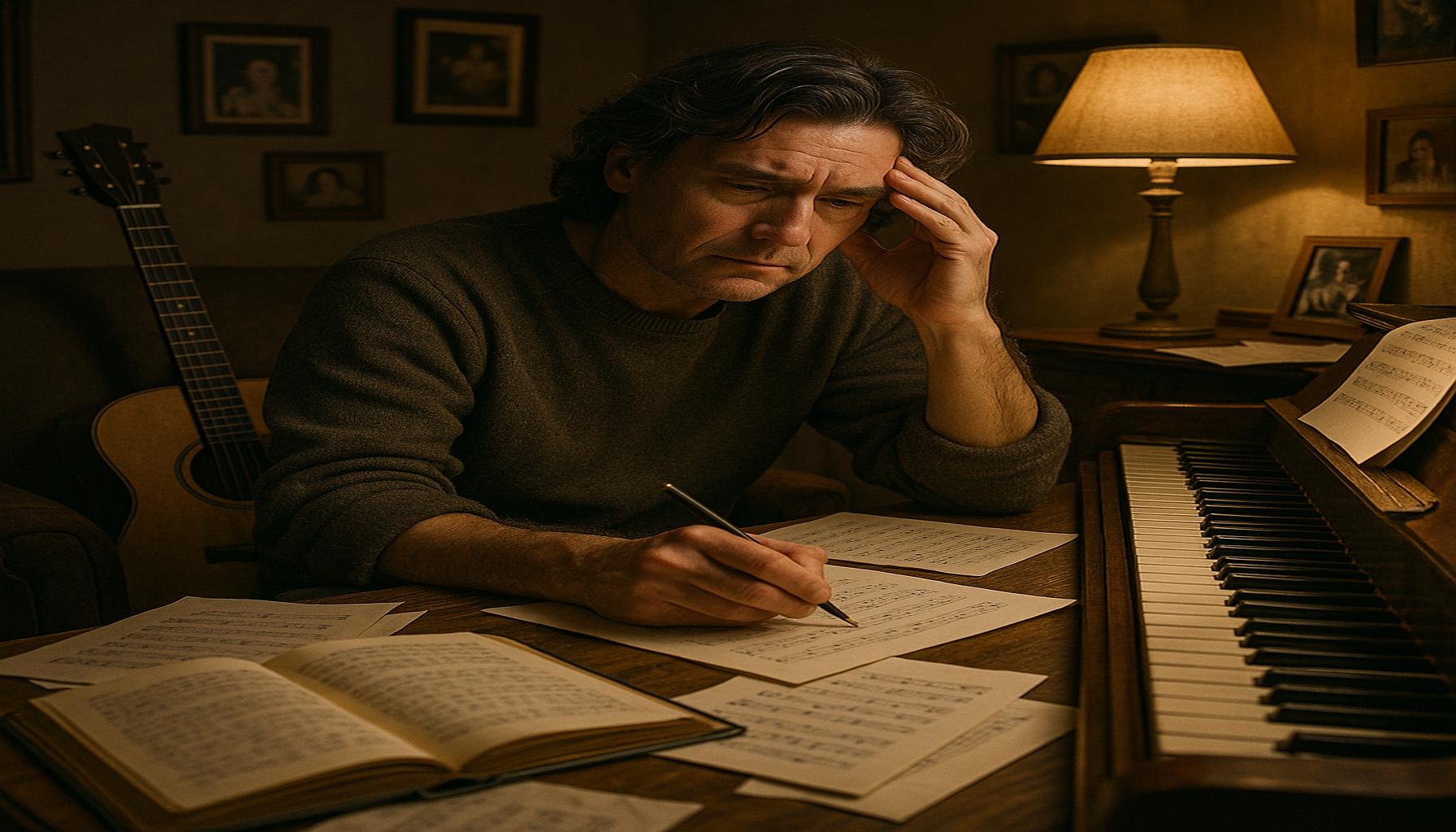
The Influence of Traditional Music on Modern Compositions: A Cultural Analysis
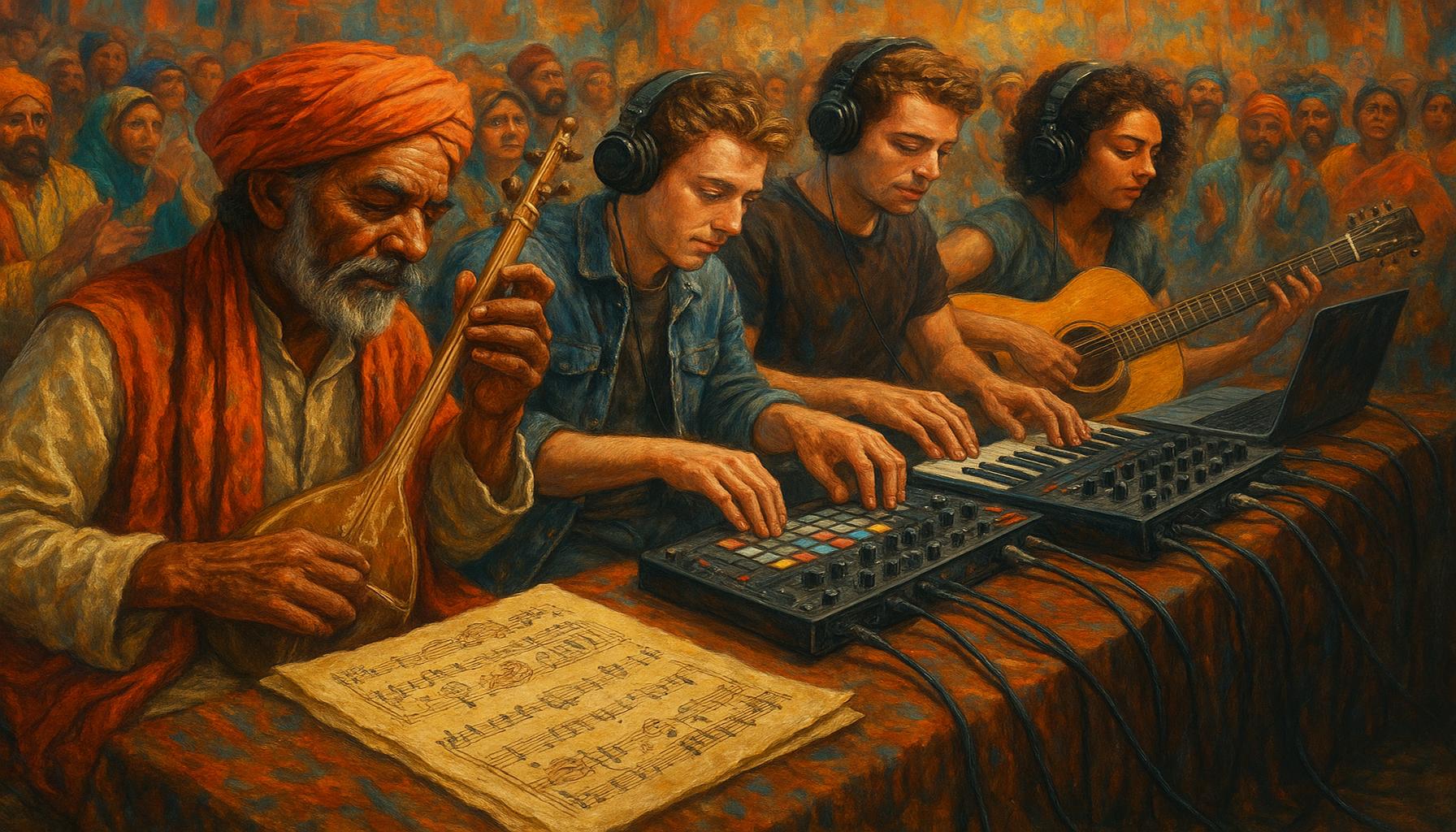
Unpacking the Evolution of Sound through Cultural Influences
Throughout the ages, music has always been a profound reflection of cultural identity. Traditional music is more than just melodies and rhythms; it is a vessel carrying the rich stories, values, and emotions of societies. Each cultural soundscape contributes to a broader narrative, shaping not only how people express themselves but also how they connect with their heritage and one another. In recent times, the integration of these traditional melodies into modern compositions has given rise to a fascinating blend that captures the essence of both past and present.
Many contemporary composers are increasingly looking towards traditional music forms for inspiration. This creative melding manifests itself in various forms, evident in:
- Genres: The music scene knows no boundaries, with genres like folk-inspired pop gaining popularity; examples include artists like Mumford & Sons who blend classic folk elements with contemporary sounds. Similarly, hip-hop has found ways to incorporate indigenous elements, as seen in the work of tribes like the Native American hip-hop artist Supaman, who uses traditional chants and rhythms.
- Instrumentation: One of the distinguishing features of modern music is the collaborative use of traditional instruments. The banjo, sitar, and djembe are now frequently juxtaposed with electronic beats, as seen in the works of bands like YouTube sensation The Piano Guys, who often feature traditional instruments in their arrangements, creating a unique fusion of sound.
- Songwriting Techniques: Artists today are also revisiting ancient storytelling methods to enrich their lyrics. An example of this is the work of Taylor Swift, who draws upon narrative storytelling that mirrors traditional folk tales while embedding modern themes of love, loss, and identity.
This cultural amalgamation extends well beyond American music, influenced by global interactions. An exploration of this dynamic reveals how:
- Cross-Cultural Collaborations: Artists increasingly seek collaborative partnerships across borders. Collaborations like Shakira’s with the Colombian singer Maluma showcase the blending of diverse musical traditions and styles, creating sounds that are both familiar and novel.
- Revival Movements: There is a burgeoning interest in the revival of traditional music genres that promote cultural preservation. The recent resurgence of bluegrass and folk festivals across the United States symbolizes a greater appreciation for historical roots, allowing younger generations to immerse themselves in their musical heritage.
- Social Commentary: Today’s modern compositions often serve as a platform for addressing pressing social issues while intertwining traditional sounds into their narratives. A clear example is the work of contemporary artists like Janelle Monáe, whose songs reflect social justice themes while fusing various musical influences.
As we explore these elements more deeply, it becomes evident how they influence contemporary music and the implications they carry for the preservation of cultural heritage. By understanding and embracing the dialogue between traditional and modern sounds, musicians not only honor their roots but also pave the way for future generations to keep their traditions alive.
DON’T MISS OUT: Click here to dive into seasonal crafting ideas
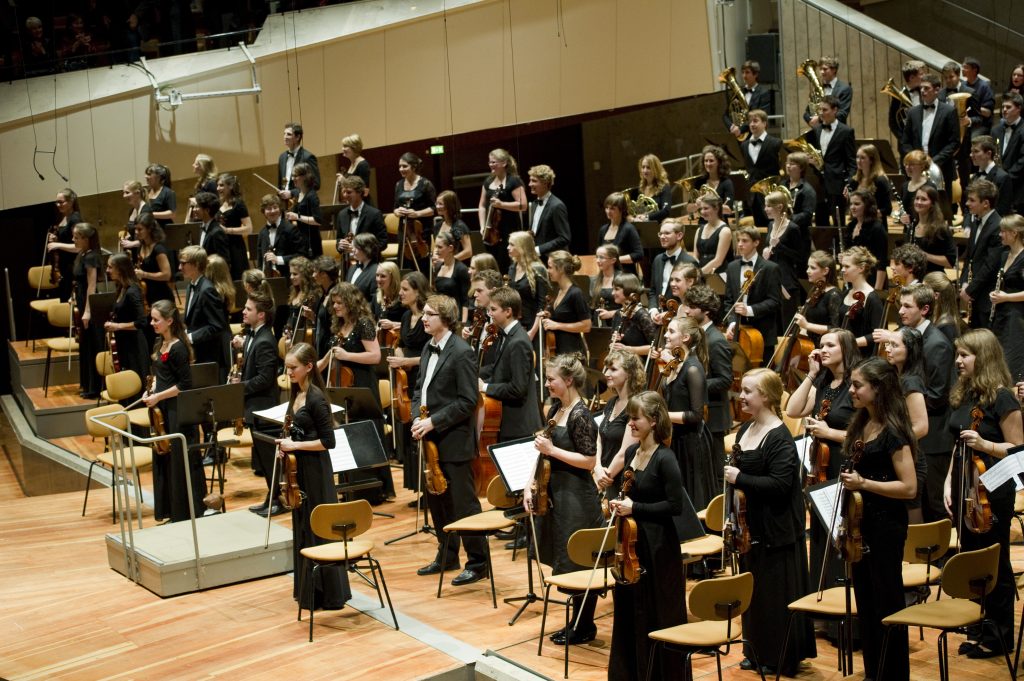
The Resonance of Ancestral Echoes in Contemporary Tunes
In an era defined by rapid technological advancements and globalization, the marriage of traditional music and modern compositions serves as a poignant reminder of our shared human narrative. As composers and artists strive to bridge the gap between varied musical landscapes, they draw upon the legacies embedded in their cultural roots. The influences of traditional music not only enrich contemporary genres but also serve as a catalyst for exploring identity, heritage, and emotional connections.
To truly appreciate the influence of traditional music on today’s compositions, one must delve into its multifaceted dimensions. The intersections between ancient sounds and modern interpretations can be observed in numerous ways:
- Rhythmic Patterns: Traditional music is often characterized by distinctive rhythmic structures that resonate deeply with listeners. Many modern artists are reinterpreting these patterns, enhancing them with state-of-the-art production techniques. An excellent example is the incorporation of African polyrhythms in the work of contemporary pop and R&B artists like Beyoncé, who often infuses traditional beats into her music, grounding her songs in a culturally rich context.
- Melodic Frameworks: Melodies rooted in traditional music are frequently adapted in modern compositions, showcasing the adaptability of these age-old tunes. The folk-inspired sound of artists like The Lumineers relies heavily on traditional melodies that paint a vivid auditory picture, resonating with listeners on a personal level while also fostering a sense of continuity with the past.
- Cultural Symbolism: Beyond melodies and rhythms, traditional music often embodies cultural symbols that convey deeper meanings. Modern artists are increasingly harnessing these symbols to engage with their audience meaningfully. For instance, the use of Native American flutes and chants in the music of artists like John Trudell not only enhances the aesthetic appeal but also conveys poignant messages about cultural identity, resilience, and environmental consciousness.
Furthermore, the rise of the digital age has made it easier for artists to access and incorporate a vast array of traditional sounds from around the globe. Platforms like YouTube and social media enable musicians to discover and integrate diverse musical styles into their work, creating a rich tapestry of sound that reflects the interconnectedness of cultural traditions.
The exploration of traditional music’s influence is also evident within the context of emerging genres and subcultures. As young musicians seek authenticity in their work, they often gravitate toward traditional instruments and writing techniques. This pursuit not only fosters creativity but also invites their audience to engage with musical forms that have historically been marginalized. For instance, the resurgence of the banjo in contemporary bluegrass and folk music has breathed new life into this once overlooked instrument, highlighting its versatility and significance in American music history.
In analyzing the influence of traditional music on modern compositions, it becomes clear that this interplay does not merely serve an aesthetic purpose; it plays an essential role in preserving cultural heritage and fostering a sense of community among diverse audiences. By weaving ancient sounds into contemporary fabric, artists not only celebrate their lineage but also invite a shared understanding that transcends generations and geographic boundaries.
The Influence of Traditional Music on Modern Compositions: A Cultural Analysis
The integration of traditional music into modern compositions serves not only as a means of preserving cultural heritage but also as a catalyst for innovation within contemporary music. This phenomenon can be seen in the diversity of genres that blend indigenous melodies with modern sounds, which encourages composers to explore new forms of expression. The roots of traditional music are intertwined with the identity of communities, and by incorporating such elements, modern composers connect with their cultural lineage while appealing to a broader audience.
Moreover, many contemporary artists have begun to use traditional instruments that have been historically significant in various cultures, such as the Indian sitar, the Chinese erhu, or the Scottish bagpipes. This not only enriches their compositions but also elevates the auditory experience, offering listeners a fusion of old and new. The rise of world music festivals demonstrates this trend, as artists are enthusiastically sharing their interpretations of traditional sounds globally. Such events facilitate cross-cultural dialogues, allowing musicians to draw inspiration from one another, which has led to a renaissance of unique styles born from traditional roots.
Another crucial aspect is the social and political dimensions intertwined with this musical exchange. Different cultural backgrounds face varying challenges, and artists often use their work to comment on social issues, utilizing traditional music as a canvas. It can provide a powerful medium for storytelling, capturing the essence of cultural struggles, victories, and values. By doing so, they create a space for awareness and understanding among diverse populations, transcending geographical and cultural boundaries.
| Cultural Impact | Modern Innovation |
|---|---|
| Preservation of Heritage | New Forms of Expression |
| Global Connections | Cross-Cultural Dialogues |
As the interplay between traditional and modern music continues to evolve, it is evident that the cultural significance behind these influences fosters a rich tapestry of sound that reflects our collective history and future. Each composition not only represents an artistic endeavor but also serves as a mirror of societal values, making the study of this relationship essential for understanding contemporary music’s trajectory and its impact on listeners worldwide.
DISCOVER MORE: Click here to dive into innovative techniques
Reviving Cultural Narratives Through Sound
The fusion of traditional music and modern compositions extends well beyond mere stylistic choices; it acts as a robust vehicle for storytelling and cultural expression. This blend showcases how music can serve as a repository of cultural narratives, illuminating the experiences and histories of marginalized groups. By incorporating elements from their cultural heritage, contemporary artists not only celebrate their roots but also challenge the prevailing narratives of mainstream music.
Incorporation of Traditional Instruments: The rediscovery and integration of traditional instruments into modern music have led to a renewed interest in the stories these tools tell. Instruments like the sitar, digeridoo, and shamisen are increasingly finding their way into contemporary genres. For instance, artists such as Norah Jones and her collaboration with Indian classical musicians exemplify this blending, as their work not only garners attention but also educates audiences about the musical traditions that inform their art. This melding not only fosters a sense of authenticity but also opens a dialogue regarding cultural awareness and appreciation.
Emphasizing Lyricism and Storytelling: The lyrical content originating from traditional music traditions often captures profound social and political messages that resonate deeply in modern contexts. Folk songs that address themes such as love, struggle, and community often serve as the backbone for contemporary songwriting. An excellent illustration of this can be seen in the work of artists like Hozier, whose lyrics frequently draw from traditional Irish folk narratives to comment on contemporary issues such as social justice and personal identity. Through the nuanced layering of traditional and modern lyrics, newer songs can tap into a collective memory, making the music feel both timeless and immediate.
Collaborative Cross-Cultural Projects: The globalization of music has led artists to collaborate across cultural boundaries, thereby creating richer and more diverse soundscapes. Projects like “Playing for Change” unite musicians from varying cultural backgrounds and traditions to create unique interpretations of familiar songs, which bring forth layered meanings and cultural insights that often go unnoticed in mainstream compositions. Such collaborations not only celebrate diversity but also foster intercultural dialogues, shaping a sense of solidarity among disparate communities while reinforcing the universal language of music.
The impact of traditional music is also evident in the resurgence of genres that celebrate regional folk styles, such as Americana and Alt-Country. Artists like Brandi Carlile and Chris Stapleton draw extensively from traditional American roots, blues, and folk genres, creating works that resonate with a sense of nostalgia while addressing modern themes of resilience and identity. These new compositions echo the struggles and triumphs of the past while creating a bridge to contemporary issues, allowing listeners to explore their cultural ties.
The influence of traditional music on modern compositions ultimately underscores a profound question: how do we define authenticity in music? With influences spanning generations and cultures, it becomes imperative to recognize that music is not created in vacuums. It thrives in a rich tapestry of historical contexts and societal changes. As musicians continue to traverse these intricate relationships, they not only redefine the sound landscape but also spark an important conversation about cultural identity in an increasingly interconnected world. With every note infused with ancestral echoes, the thread connecting past and present becomes more visible, encouraging audiences to reflect on the narratives that shape their own lives.
DISCOVER MORE: Click here to dive deeper
Concluding Thoughts: Bridging the Gap Between Eras
In exploring the influence of traditional music on modern compositions, it becomes increasingly evident that music serves as a living heritage that connects diverse cultures and generations. By embracing traditional rhythms, instruments, and lyrical themes, contemporary artists honor their legacies while challenging mainstream conventions. This synergy amplifies the voices of marginalized communities, allowing them to share rich narratives that may otherwise remain unheard in today’s fast-paced digital landscape.
Moreover, the incorporation of traditional elements into contemporary genres not only fosters a renewed cultural appreciation but also prompts listeners to reflect on their roots and identities. As artists like Brandi Carlile and Hozier continue to weave the threads of folklore into modern storytelling, they remind us that the past is not separate; it is intricately interwoven with our present. These soundscapes reflect a broader human experience, bridging cultural divides through shared emotions and historical contexts.
Furthermore, as the phenomenon of collaboration grows within the music industry, projects like “Playing for Change” illustrate the profound impact of diverse cultural exchanges. Such collaborations not only celebrate the uniqueness of each tradition but also instill a sense of solidarity in a world often influenced by division. The quest for authenticity in music, hence, opens up numerous avenues for exploration, inviting audiences to engage actively rather than passively consume.
Ultimately, the resonance of traditional music in modern compositions serves as a reminder that music transcends time, becoming a powerful medium for dialogue, connection, and cultural preservation. As we navigate through these layered compositions, we are invited to discover the stories behind the notes, inspiring a deeper understanding of ourselves and our shared humanity.