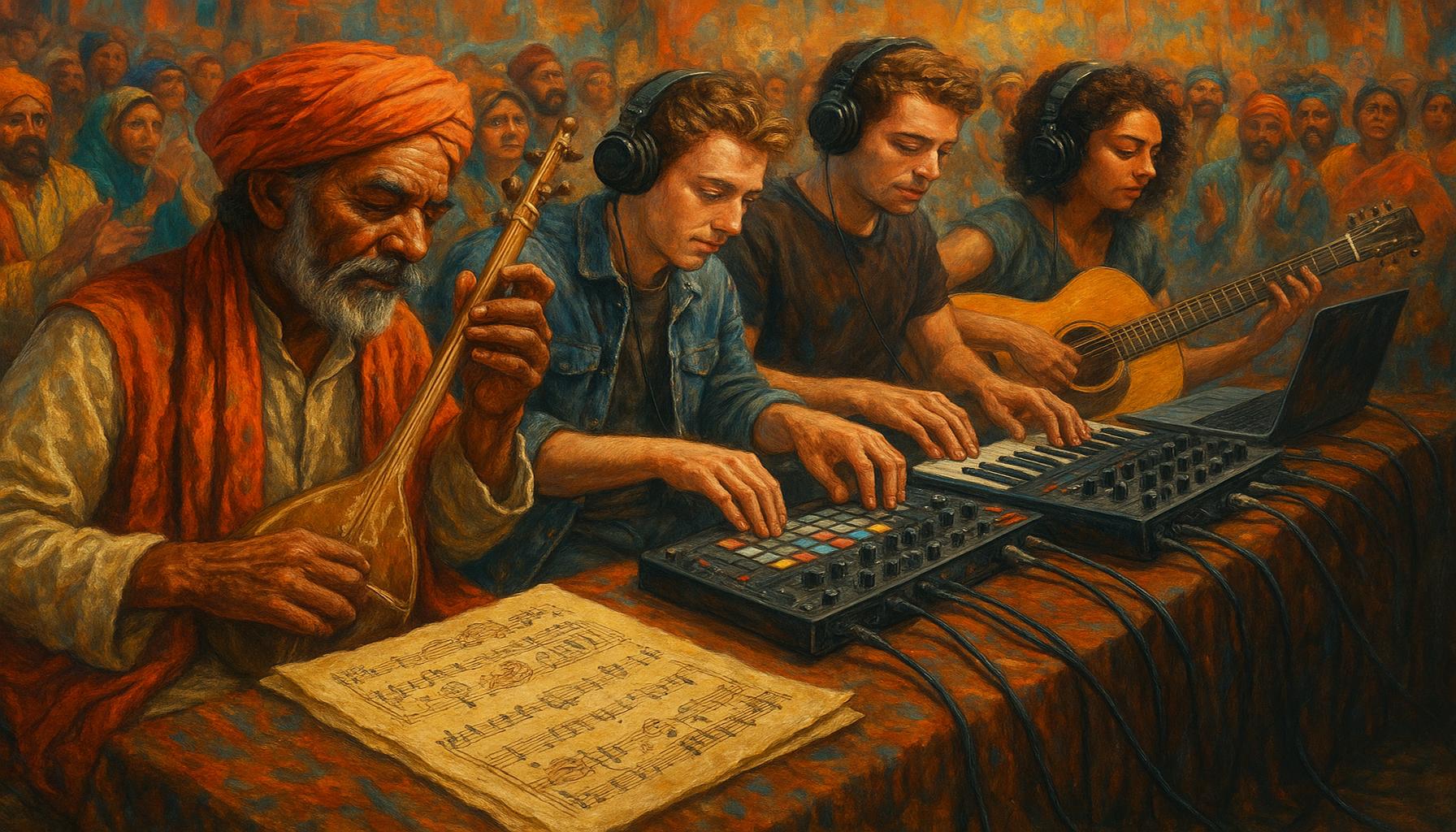
Music and Emotion: How Personal Experiences Influence Composition
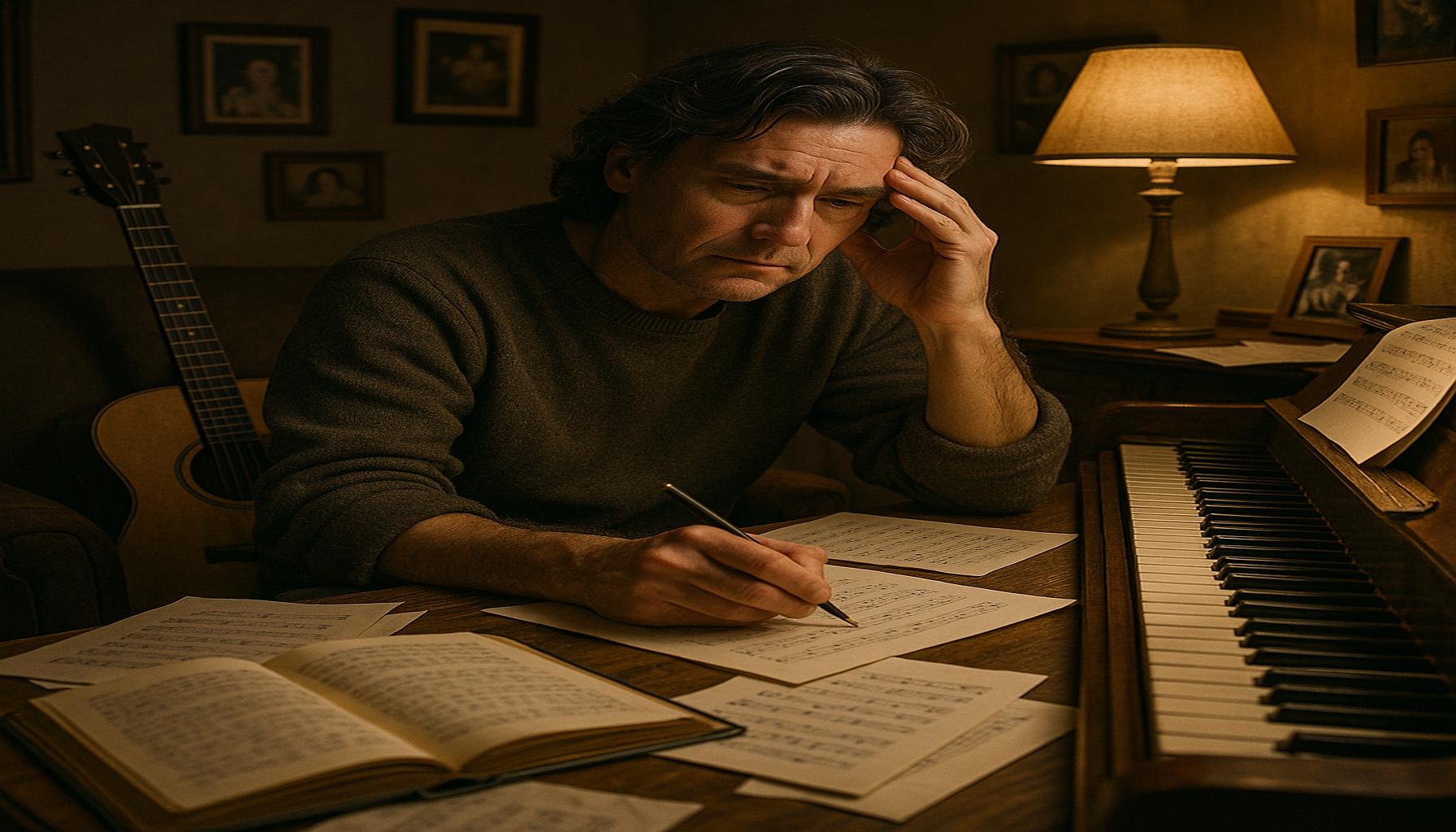
Exploring the Connection Between Music and Emotion
Music is not merely a collection of notes and rhythms; it is a profound expression of human emotion. Each composition reflects the composer’s personal experiences, shaped by their life journey, struggles, and triumphs. This relationship between music and emotion invites listeners and creators alike to delve deeper into their feelings, uncovering layers of personal and collective narratives that resonate across cultures and generations.
The Impact of Personal Experiences
Composers often draw inspiration from various aspects of their lives, leading to a rich emotional landscape in their work. Some key influences include:
- Life Events: Joyous moments, heartbreaks, and transformations play significant roles in shaping an artist’s output. For instance, Adele’s “Someone Like You” captures the anguish of lost love, stemming from her own heartbreak, which allows listeners to connect with their own experiences of sorrow and resilience.
- Cultural Background: An artist’s heritage significantly influences their musical style and emotional expression. Genres like jazz and blues, which originated from African American communities, carry deep emotional narratives often reflecting hardship, hope, and perseverance. The complexity of these genres can be traced back to the historical context of social struggles, adding depth to the melodies and lyrics.
- Social Environment: Relationships and societal issues foster unique narratives in music. For example, songs like “Fight the Power” by Public Enemy highlight social injustices and often inspire activism, channeling collective emotions stirred by societal challenges into a powerful, unifying force.
Research indicates a profound connection where emotional states influence musical creativity. For instance, the blues genre is synonymous with themes of sorrow, rendered in soulful melodies that evoke a sense of pain and reflection. Conversely, upbeat genres like pop music resonate with joy and celebration, creating a sonic backdrop for moments of happiness. Artists such as Pharrell Williams exemplify this with songs like “Happy,” which fosters an uplifting atmosphere that invites listeners to share in their joy.
The Role of Emotion in Composition
Understanding this connection opens a world of possibilities for both aspiring musicians and seasoned composers. By exploring how emotion shapes artistic creation, one uncovers a rich tapestry of stories waiting to be told through sound. Emotion can act as a catalyst for creativity, leading artists to produce works that reflect their inner lives and connect with audiences on a personal level.
This prompts aspiring musicians to ask themselves: What components of your own experience might influence your next musical piece? Drawing from your joys, struggles, and unique cultural narratives can lead to compelling compositions that resonate deeply with listeners. Many successful musicians emphasize the importance of authenticity in their work, encouraging newcomers to embrace their own stories as they craft their musical identities. Through this exploration, not only is individual expression achieved, but a larger dialogue about shared human experiences is initiated, allowing music to serve as a universal language of emotion.

DISCOVER MORE: Click here to transform your wardrobe
The Influence of Personal Narratives on Musical Composition
When it comes to music composition, personal narratives weave a complex and intricate tapestry. Musicians often transform their life experiences into auditory landscapes that reflect their innermost feelings. The compelling nature of these stories adds an authentic depth to their work, capturing both the individual’s journey and the experiences of broader social groups. This recounting not only showcases artistic expression but also acts as a conduit for emotional connections, inviting listeners into intimate realities.
Several key elements play pivotal roles in how personal experiences influence musical creation:
- Core Memories: Artists frequently tap into formative life moments—both positive and negative—that shape their emotional responses. Taylor Swift, for example, is renowned for crafting songs that detail her personal relationships, encapsulating the nuance of youth and heartbreak. Her lyrics often serve as a mirror for her fanbase, resonating on a deeply personal level with those who have faced similar experiences.
- Introspection and Vulnerability: The act of reflecting on one’s feelings and vulnerabilities can serve as powerful inspiration. Artists like Billie Eilish have carved out a niche by embracing candid depictions of anxiety and self-doubt. In her breakout hit “Ocean Eyes,” the raw emotion articulated in her voice speaks to listeners, making mental health discussions more accessible through artistic expression.
- Creative Catharsis: Many musicians utilize their craft as a form of emotional release. The genre of punk rock, known for its gritty energy and raw honesty, often stems from feelings of frustration or alienation. Bands like Green Day have channeled their discontent into powerful anthems, showcasing how music can serve as an avenue for confronting personal and societal challenges.
The emotional landscapes explored in music are not only products of the artist’s experiences but also reflect larger societal constructs. An understanding of the cultural and social milieu in which musicians operate can enhance the interpretation of their work. For example, hip-hop emerged from the urban struggles in the United States, reflecting the socio-economic hardships of African American communities. Artists such as Kendrick Lamar use their platform to discuss systemic issues while also narrating their personal journeys, creating a potent blend of storytelling that resonates with many.
Through the lens of personal experiences, the significance of emotion in music becomes increasingly clear. It acts as a vehicle for self-discovery and connection, allowing artists to engage with their own psyche while simultaneously inviting listeners to reflect on their lives. This duality of experience nurtures an environment where music can flourish as a universal language, bridging gaps and fostering empathy among diverse audiences.
As musicians navigate their creative processes, the exploration of emotion can transcend mere self-expression. It nudges aspiring artists to contemplate their unique narratives and how they can enrich their compositions. Embracing one’s personal history and emotional landscape fosters the potential for deeply impactful artwork that resonates far beyond the confines of individual experience.
| Category | Insights |
|---|---|
| Emotional Resonance | Music can evoke strong emotional reactions that connect deeply with listeners through shared experiences. |
| Personal Narratives | Composers often draw on their life stories and emotions, translating feelings into notes and lyrics that resonate universally. |
| Therapeutic Benefits | Music serves as a medium for self-expression and healing, allowing composers to process their emotions. |
| Innovative Composition | Exploring emotions leads to unique and diverse musical styles, enriching the cultural landscape of music. |
Expanding on the theme of “Music and Emotion: How Personal Experiences Influence Composition,” it is crucial to understand the profound ways in which music interacts with human psychology. Composers tap into their emotional lives, and this connection allows them to craft soundscapes that resonate on a deeply personal level with their audience. By utilizing a range of instruments and techniques, musicians articulate feelings that words often fail to convey. Additionally, examining the success of genres like blues, which emerged from the struggles of African American communities, illustrates how music can reflect the collective emotional history of a culture. This bridge between the personal and the universal constructs a powerful narrative within music that continues to evolve with every new composition. The intricate relationship between emotion and composition invites listeners to delve into their own experiences, creating a shared space of understanding and empathy. For those intrigued by academic explorations of this topic, numerous studies link music and emotion, outlining how different compositions can elicit a variety of responses based on the listener’s background. This dynamic interplay emphasizes that music is not merely heard; it is felt, experienced, and lived.
DISCOVER MORE: Click here to dive deeper
The Role of Experience and Environment in Musical Interpretation
Musicians do not create in a vacuum; their environment significantly impacts their emotional interpretations and musical compositions. This multifaceted relationship between external influences and personal circumstances deepens the emotional resonance of a piece, expanding the narrative beyond the individual to touch on communal experiences.
One aspect of this influence is the cultural context in which the artist operates. Genres often emerge from specific cultural backdrops, infusing the music with collective emotions associated with those communities. For example, the emergence of blues music from African American communities in the early 20th century reflects both personal and collective grief, resilience, and triumph. This genre has continually informed contemporary artists like Gary Clark Jr., who infuses modern themes with the traditional sounds and struggles of the blues, creating a bridge between past and present.
Moreover, the geographical setting plays a crucial role in shaping music. For instance, the vibrant sounds of New Orleans jazz encapsulate the city’s rich history of diversity and fusion. Musicians like Trombone Shorty utilize their city’s backdrop to convey an emotive narrative, blending various musical styles while telling stories that are deeply rooted in the culture of their home. Similarly, the rise of Country music, often rooted in stories of heartland life, draws considerable emotion from the landscape and lifestyle of rural America. Artists like Miranda Lambert leverage their environment to express themes of love, loss, and longing, reflecting the shared experiences of many who listen.
Additionally, technology in today’s music industry has transformed the way artists access and interpret their experiences. With platforms like Spotify and social media, artists can now share their emotions almost instantly, allowing for real-time feedback from listeners. This immediacy alters the way emotions are conveyed within music, as artists respond to the societal climate around them. A prime example of this can be seen in the works of artists like Halsey, who often addresses current events and personal hardships in her music, effectively capturing the zeitgeist. Her work resonates because it reflects a shared emotional landscape—a phenomenon that invites listeners to engage with their shared experiences more profoundly.
The significance of collaboration cannot be overlooked in this context either. Working with other musicians allows artists to blend differing life experiences to cultivate unique compositions. Collaborative efforts often yield unexpected emotional journeys that resonate deeply with diverse audiences. Projects like the “We Are the World” song, which brought together artists to address famine in Africa, exemplify how shared goals and experiences can enhance emotional depth through music. With each artist contributing their narrative, they create a multifaceted emotional experience that embodies a broader social message.
In examining how personal experiences intertwine with the feelings evoked in music, it is evident that the interaction of life narratives, cultural contexts, and technological developments shapes the soundscape of today’s music. This interplay propels composers to draw not only from their emotions but also from the rich tapestry of the world around them, fostering connections and understanding that reach far beyond individual stories.
DISCOVER MORE: Click here to learn about the evolution of music production
Conclusion
In conclusion, the intricate relationship between music and emotion underscores how deeply personal experiences shape musical composition. As we have explored, the interplay of life narratives, cultural influences, and geographical contexts all converge to create a unique sonic experience that resonates not only with the artist but also with listeners from diverse backgrounds. The emotional palette of an artist is significantly enhanced by their surroundings—whether it be through cultural heritage, geographical location, or technological innovation—which collectively molds the sounds and stories that define their work.
Today’s music scene reflects a dynamic tapestry woven from the threads of various experiences, signaling a shift towards greater inclusivity in emotional expression. Artists like Halsey and Miranda Lambert illustrate how the immediacy of contemporary platforms allows for the rapid exchange of emotions in response to social issues, enabling them to craft songs that are both personal and communal. Moreover, collaborative projects enrich the emotional depth of music, suggesting that collective experiences amplify individual creativity, providing a broader platform to convey messages that matter.
As listeners, we are invited into these emotive narratives, allowing us to forge connections with the music that transcend our personal experiences. By recognizing the profound impact of personal experiences on composition, we not only deepen our understanding of music but also enhance our appreciation for the stories it tells. This exploration opens the door to further inquiry: How will future artists continue to harness their experiences amidst ever-evolving cultural landscapes? The answer may ultimately redefine the soundscape of music in the years to come.