Dance and Technology: Interactive Explorations that Transform the Performance Experience
A New Era for Dance Performance
The world of dance is experiencing a revolutionary transformation, driven by technology’s influence. As digital tools become increasingly integrated into artistic expression, an exciting landscape is unfolding. This development not only enhances the craft but also redefines the relationship between dancers and their audiences, offering immersive experiences that were once beyond imagination.
Interactivity is at the core of this evolution. Dancers no longer perform in isolation; instead, they engage audiences in ways that challenge traditional boundaries. Here’s how technology is reshaping dance performance:
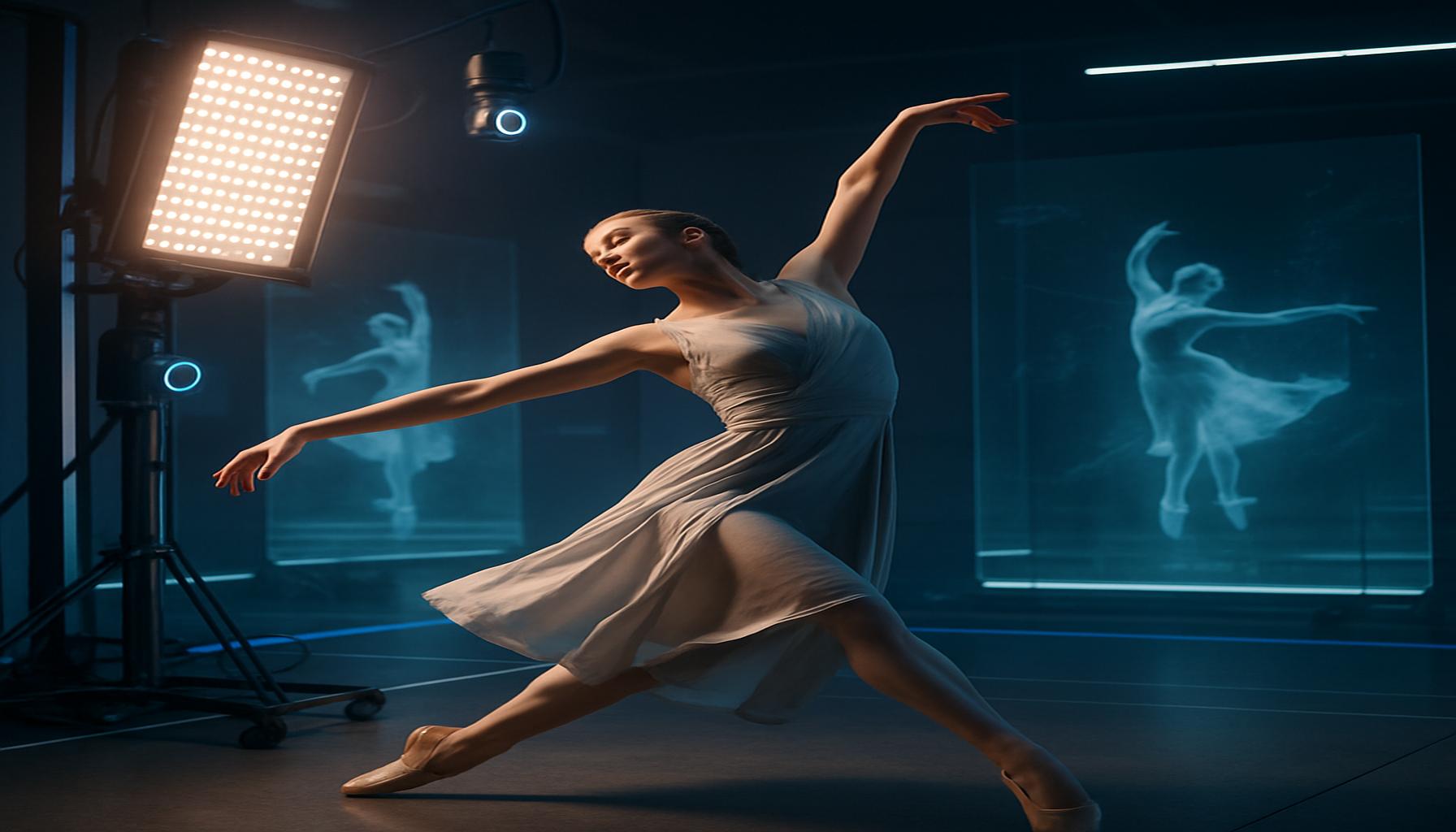
- Augmented Reality (AR): Dancers are now utilizing AR to create visual narratives that blend seamlessly with their movements. For instance, a performance may feature digital landscapes—like a sparkling night sky or an underwater environment—that dynamically respond to each dancer’s movements, thereby deepening emotional engagement for the audience.
- Wearable Tech: Devices such as smart suits or motion sensors are providing real-time feedback to performers. This technology helps dancers enhance their movement quality by offering insights into their performance, such as speed, balance, and overall fluidity. A notable example is the collaboration between choreographers and tech companies to create suits that track and analyze movement, allowing for immediate adjustments during practice.
- Live Streaming: In recent years, especially during the pandemic, many dance companies have turned to live streaming to broaden their reach. This innovative approach allows audiences from around the globe to experience performances from the comfort of their homes. For example, the New York City Ballet has successfully utilized live streaming to present their ballets, attracting viewers who may not typically have access to in-person performances.
These innovations not only enhance the artistic experience but also redefine how stories are told through movement. Dancers are now teaming up with tech experts to harness capabilities like motion capture, which records movement and translates it into digital forms, and interactive software, that allows audiences to influence the performance in real-time. Such collaboration fosters a unique dialogue between bodies in motion and digital realms, creating a multifaceted experience that challenges preconceived notions of performance art.
As curiosity about these developments grows, artists are exploring the synergy between creativity and technology more than ever before. The possibilities lying ahead for the dance world seem boundless, from innovative choreographic techniques to audience engagement strategies. The journey into this transformative exploration invites audiences to rethink their connection to performance art and contemplate how technology will continue to shape artistic expression for years to come.
DISCOVER MORE: Click here to learn how social media shapes new musical talents
The Intersection of Creativity and Innovation
At the heart of this transformative exploration is a profound synergy between artistry and cutting-edge technology. As artists integrate tech into their routines, new realms of creativity emerge that amplify the traditional dance experience. This juncture is not merely an enhancement of performance but a fundamental rethinking of how stories are told through movement and how audiences interact with that storytelling.
Digital Projections are revolutionizing the stage by blurring the lines between reality and imagination. With state-of-the-art projectors, choreographers are now mapping intricate visuals onto dancers’ bodies or their surrounding environments. For example, performances of “The Nutcracker” have been reimagined using immersive digital backdrops that transport audiences into fantastical realms, heightening emotional responses and tightening the bond between the story and the viewer. These visuals are not static; they evolve in real time, reflecting the nuances of a dancer’s movements, thereby creating a multi-sensory experience that is as captivating as it is innovative.
Moreover, the rise of interactive installations represents another frontier in dance technology. These installations transform conventional performance spaces into dynamic environments where the audience becomes part of the choreography. For example, productions like “Pina” by the late choreographer Pina Bausch have experimented with audience interaction, encouraging viewers to participate in the performance rather than passively observe. The incorporation of movement sensors allows dancers to trigger lights or soundscapes through their actions, creating an ongoing dialogue between performer and spectator.
Technological innovations also extend to the realm of choreography itself. In recent years, choreographers have embraced algorithm-based creations that analyze and interpret human movement through data. Notably, choreographers such as Katarzyna Huzar are collaborating with computer scientists to develop programs that can generate choreography based on existing performance data, pushing the limits of what traditional dance can be. This approach not only provides a fresh lens through which movements can be examined but also challenges performers to adapt and incorporate previously unexplored styles.
Furthermore, social media platforms are changing the landscape of dance dissemination. Dancers leverage these platforms to connect with audiences, share their performances, and inspire a global dialogue about their art. Platforms like TikTok have given rise to viral dance trends that encourage wider participation while reducing the gap between performer and audience. This phenomenon enables even aspiring dancers to engage with seasoned professionals, creating a new dimension of community within the dance world.
As these technological advancements continue to unfold, it is clear that the potential for creative expression in dance is evolving rapidly. From enhanced audience engagement to revolutionary choreographic practices, the relationship between dance and technology is a fruitful ground for exploration. Each innovation not only amplifies the artistic journey but also encourages both artists and audiences to reflect on the future of performance experience.
Enhancing Creativity and Expression
The intersection of dance and technology fosters an unprecedented environment that enhances creativity and self-expression among artists. Through innovative tools such as motion capture and virtual reality, dancers can interact with their surroundings in ways previously unimagined. These technologies allow for the exploration of new choreography styles that seamlessly blend physical movement with digital landscapes, providing performers with the freedom to express their art in innovative formats. Digital interfaces and applications encourage experimentation, enabling artists to push the boundaries of traditional dance forms while engaging wider audiences. Moreover, the integration of technology in dance performances can significantly alter the audience’s experience. Using augmented reality, for instance, spectators can delve deeper into the story being told, allowing for a more immersive and participatory environment. This encourages a dialogue between the performer and viewer, transforming passive observation into interactive engagement.Interactive dance installations, where audiences become participants, further exemplify this shift. Such experiences blur the lines between performer and spectator, fostering a community-centric atmosphere where technology acts as a bridge for collaboration. The utilization of real-time feedback in performances also enhances the visual and auditory dimensions, creating a multi-sensory journey that captivates audiences.
Revolutionizing Accessibility
The incorporation of technology not only enriches the creative process but also plays a crucial role in making dance more accessible to diverse groups. Digital platforms offer opportunities for remote participation and learning, enabling individuals from various backgrounds to engage with dance. Online tutorials, virtual workshops, and social media share experiences that democratize dance education. Furthermore, the advent of mobile applications tailored for dance practice allows enthusiasts to learn new styles at their own pace and convenience. This accessibility factor is significant, as it opens doors for people with disabilities or those in remote locations who may otherwise face barriers to entry in the performing arts. In this dynamic landscape, technology serves as a vital tool that both preserves traditional forms of dance and paves the way for new expressions. As artists and technologists continue to collaborate and innovate, the transformative power of dancing with technology promises to redefine performance experiences for generations to come.
| Category | Advantages |
|---|---|
| Creative Exploration | Empowers artists to blend choreography with digital elements, enhancing self-expression. |
| Audience Engagement | Transforms the viewer’s role from observer to participant through immersive experiences. |
| Increased Accessibility | Allows individuals from diverse backgrounds to engage with dance, breaking barriers. |
As the artistic landscape evolves, it is evident that dance and technology together hold the potential to revolutionize performance experiences, stirring excitement and curiosity both on and off the stage.
DON’T MISS: Click here for fun crafting ideas with kids!
Revolutionizing Dance through Wearable Technology
The rapid advancement of wearable technology is carving fresh paths for dancers to innovate and redefine their art. Devices such as smart fabrics and motion-tracking sensors are allowing artists to not only monitor their performance but also engage their audiences in entirely new ways. For instance, smart costumes that change colors or patterns based on the dancer’s heart rate or movement can visually represent the emotional landscape of a performance, creating a live dialogue between the performer and the audience. This intertwining of physicality and technology enables a real-time manifestation of a dancer’s emotional state, heightening the viewing experience.
Choreographers are increasingly utilizing motion capture technology to deconstruct and analyze dance movements. By capturing the intricate details of human motion, artists can examine their work from different perspectives, allowing them to refine their techniques or explore new choreography styles. This process was significantly showcased in “Merce Cunningham: Common Time,” which took advantage of digital media to blend dance with 3D animation, resulting in a performance that transcends traditional boundaries. The resulting visualizations not only serve to inspire other dancers and choreographers but also deepen the audience’s engagement with the work being presented.
Augmented Reality: A New Frontier in Dance
Another groundbreaking aspect of the dance-tech relationship is the use of augmented reality (AR) in live performances. AR technology brings an interactive layer to the stage, allowing audiences to experience an enhanced version of reality. For instance, in productions like “Digital Dance: Augmented Movements,” dancers are accompanied by AR elements that overlay digital graphics onto the physical world. These elements can react to the dancers’ movements, creating an immersive experience where the audience feels as if they are part of the choreography itself. This not only makes performances visually spectacular but also creates opportunities for narrative depth, as the audience experiences the fusion of the digital with the corporeal in real-time.
Furthermore, the adoption of virtual reality (VR) is expanding the landscape of dance to new dimensions. Artists can create entirely virtual performances where viewers can immerse themselves fully. VR allows audiences to enter the performance world, experiencing dance from vantage points that would otherwise be impossible. A notable example is “Dance in a Virtual Reality Space,” where viewers navigate through a 3D environment, walking around and even interacting with digital dancers. This kind of engagement challenges conventional notions of spectator experience, as it transforms the audience into active participants who influence the unfolding of the performance.
The Future of Collaboration and Education
As technology continues to reshape the dance world, the opportunities for collaboration between artists and technologists are becoming increasingly essential. Educational institutions are beginning to incorporate tech-focused programs that teach dancers not just physical techniques but also the technological aspects of performance. This integration leads to a generation of dancers who are proficient in both their craft and the technologies that can enhance it, encouraging interdisciplinary collaboration and pushing creative boundaries.
Furthermore, platforms such as DanceTech foster communication among creators and technologists, allowing them to share innovative methods and cross-pollinate concepts. As a result, the dance realm is not only growing but evolving in its inclusivity, welcoming contributions from diverse voices and disciplines.
In sum, the fusion of dance and technology continues to deepen, yielding profound insights and experiences that challenge the traditional performance model. From innovations in wearable tech to immersive AR and VR, each dimension enriches the performance experience and paves the way for exciting future explorations.
DISCOVER MORE: Click here to transform your style
Conclusion: The Symbiotic Relationship of Dance and Technology
The intersection of dance and technology has ushered in a new era of artistic expression, where innovation and imagination collide to transform the performance experience. Through the integration of wearable technology and interactive digital elements such as augmented reality (AR) and virtual reality (VR), dancers are able to enhance their artistry in ways previously thought impossible. The result is a deeply immersive environment that blurs the line between performer and audience, inviting spectators to engage actively with the performance rather than simply observe.
This evolving landscape not only fuels creativity but also fosters collaboration between dancers and technologists, encouraging a cross-disciplinary approach to the performing arts. As educational institutions adapt their curricula to include technological training, the future generation of dancers will be equipped not only with physical skills but also with the technological literacies required for modern performance. Platforms like DanceTech further facilitate this exchange, creating communities where ideas and innovations can flourish.
As we look ahead, the potential for further explorations in danced technology is limitless. Artists are continually challenging conventional norms, making performances not just events, but rich, interactive experiences that engage viewers on multiple levels. By embracing the synergy of dance and technology, we can anticipate performances that are not only entertaining but also transformative, pushing the boundaries of what is possible in the performing arts and enriching the cultural tapestry of our society.