Looping and Sampling Techniques: Innovating in Home Music Creation
Transforming Creativity with Technology
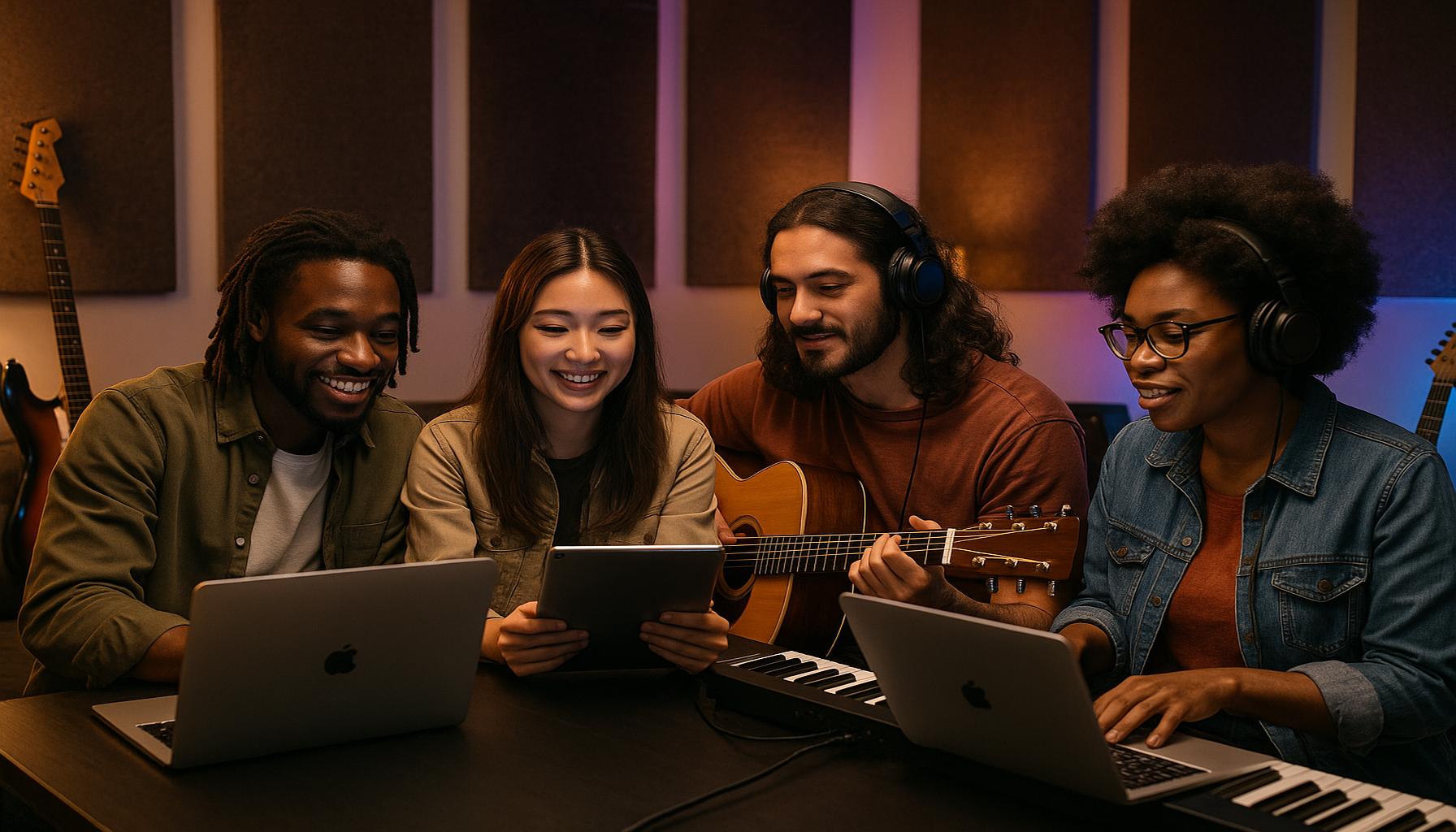
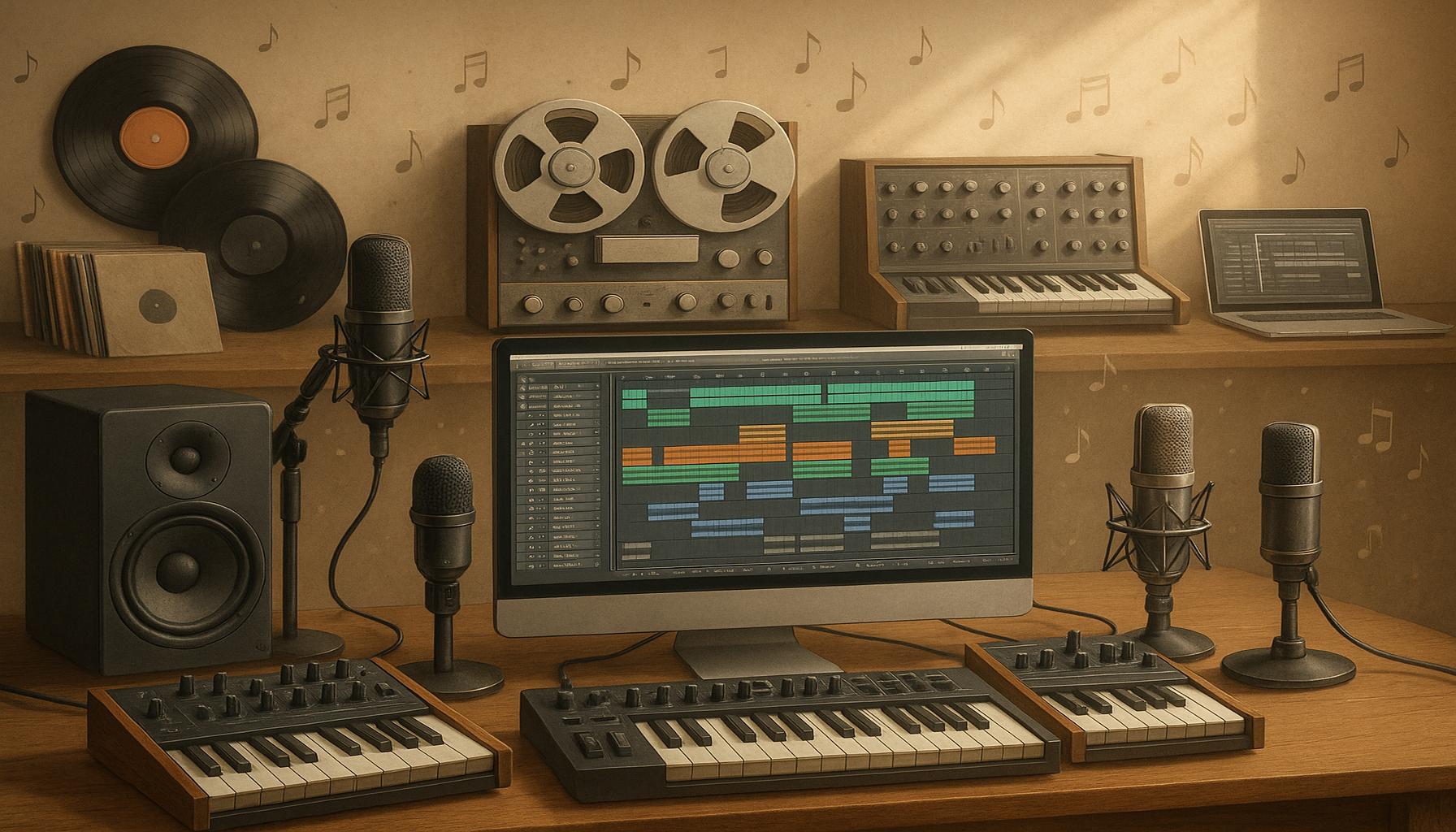
In the current digital landscape, the way music is created has undergone a profound shift. The barriers previously associated with professional music production no longer stand, allowing aspiring artists and dedicated hobbyists to transform their creative ideas into full-fledged tracks from the comfort of their homes. With just a computer and some essential software, anyone can dive into the world of music making.
Looping and sampling techniques are at the forefront of this revolution, offering music creators unique ways to express their artistic visions. These innovative methods enable the exploration of sound in numerous shapes and forms, bringing forth a multitude of opportunities for experimentation. Here are some specific benefits of utilizing these techniques:
- Layering sounds: This technique allows you to combine different audio snippets, creating intricate and multilayered compositions. For instance, you can layer a melodic loop with vocal samples and percussion to create a rich soundscape that captivates listeners.
- Creating beats: By using rhythmical loops, you can easily lay down the backbone of a song. Many hip-hop and electronic artists rely on looping as a foundation for their tracks, enabling them to experiment with various rhythms and patterns.
- Manipulating genres: The beauty of looping and sampling lies in its ability to blend various musical styles, creating innovative sounds. Artists like Billie Eilish and Kanye West frequently sample older tracks and reshape them into something entirely new, showcasing the genre-blending capabilities these methods offer.
Software like Ableton Live, FL Studio, and GarageBand has gained immense popularity among aspiring musicians. These platforms provide users with intuitive interfaces and robust features that streamline the music production process. Their accessibility has contributed significantly to the rise of home studios across the United States, democratizing music production for everyone. The result? A vibrant creative culture where anyone with passion can make a profound impact in the music industry.
As we delve deeper into this exciting domain, expect to uncover:
- Essential tools: A comprehensive guide to the gear and software necessary for novices and experienced creators alike.
- Creative tips: Tips and techniques that help artists develop their unique sound using looping and sampling.
- Real-world examples: Insights into the innovators who are shaping contemporary music through these revolutionary techniques.
Join us as we navigate the landscape of home music creation. By focusing on looping and sampling, we will reveal the endless possibilities that await artists ready to harness these tools, empowering individuals everywhere to break boundaries and explore their musical potentials.
DISCOVER MORE: Click here for fun family projects
Unlocking the Power of Looping and Sampling
As music creators embrace the digital age, looping and sampling have become essential techniques that redefine the creative process. Looping refers to repeating a segment of music, which can serve as a foundation for a song or a standalone piece, while sampling involves taking a portion of sound from an existing recording to create something fresh and unique. Together, these methods offer limitless opportunities for innovation, allowing artists to sculpt their soundscapes in extraordinary ways.
One of the most attractive aspects of looping is its ability to assist artists in structuring their compositions efficiently. By utilizing various loops, musicians can build a track layer by layer without getting bogged down in intricate music theory. For example, a artist might start with a simple drum loop, adding a bass line and melodic loops to create a dynamic rhythm. This technique is not only time-saving but also encourages freestyle creativity, inviting spontaneous ideas and experimentation. As a result, many artists find that looping enhances their workflow, allowing for quicker and more satisfying outcomes.
Sampling, on the other hand, enables artists to connect with the rich history of music while reinventing it. It can breathe new life into old recordings, drawing from diverse genres and eras. For instance, artists such as DJ Khaled and J Dilla are known for their innovative sampling techniques that blend soul, jazz, and hip-hop elements into contemporary sounds that resonate with audiences today. Sampling opens the door for genre fusion and exploration, offering a means for creators to honor their musical influences while carving out their unique spaces in the industry.
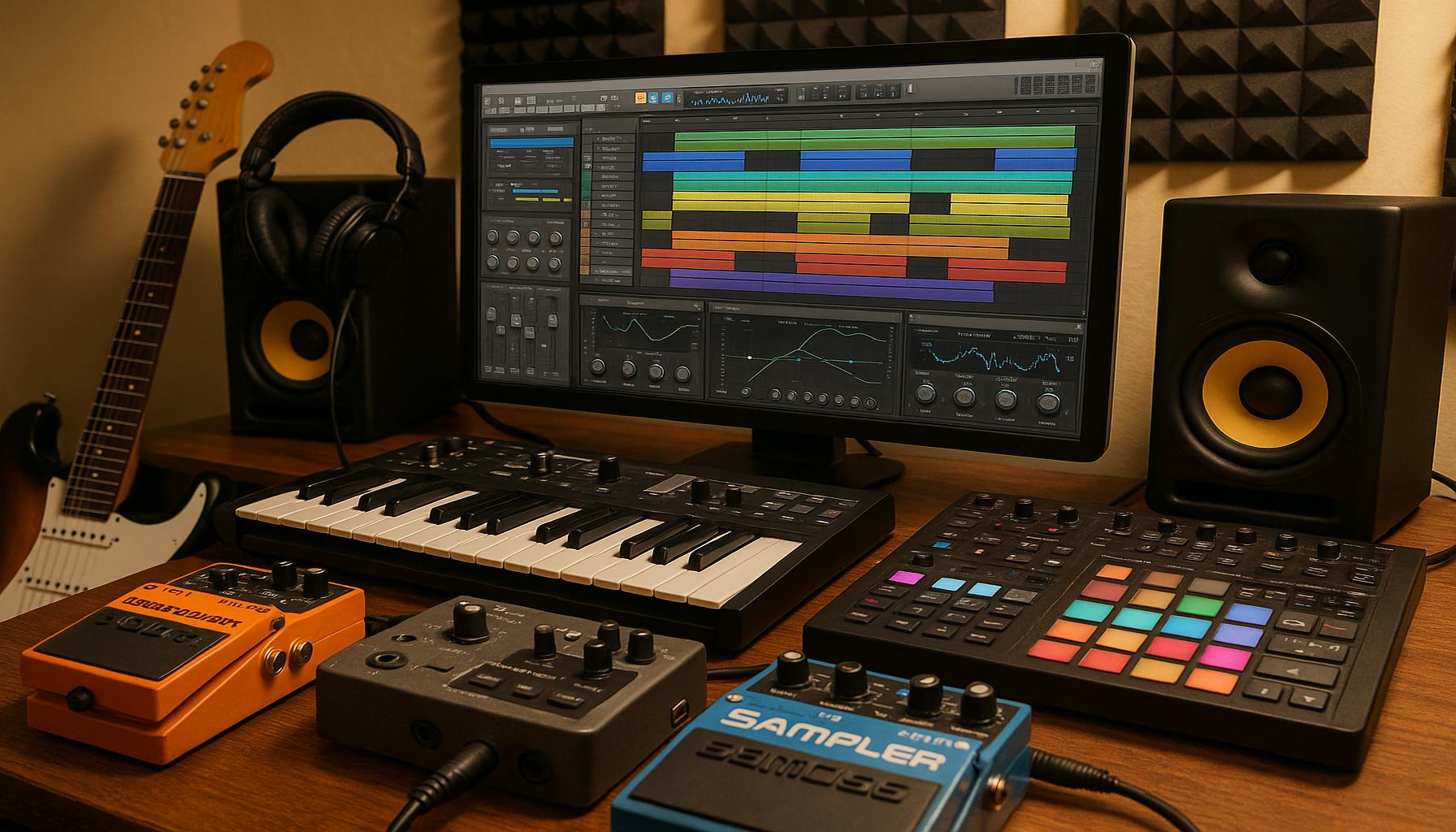
The advent of advanced software tools has made looping and sampling more accessible than ever. Programs like Ableton Live, Logic Pro, and Pro Tools come equipped with libraries filled with premade loops and samples, making it easy for users to experiment without starting from scratch. With just a few clicks, singers and producers can manipulate beats and melodies, turning a simple loop into a complex composition. Even free platforms like GarageBand offer essential tools that enable anyone with a curiosity for music to start producing within minutes.
To maximize the potential of looping and sampling techniques, here are some practical tips:
- Embrace experimentation: Don’t hesitate to combine loops and samples in unconventional ways. You might discover a combination that inspires an innovative track.
- Manipulate your sounds: Use effects and modulation to alter loops and samples, giving them a personal touch while transforming the familiar into the unfamiliar.
- Start with a vision: Consider what you want to convey through your music. Having an idea can guide your choices and help you select the appropriate loops or samples.
As we explore the world of looping and sampling, it becomes evident that these techniques are not mere trends; they are the bedrock of modern music production. With every loop and sample, creators are empowered to break free from conventional boundaries, ushering in an era of artistic expression that resonates with authenticity and dynamism.
| Category | Description |
|---|---|
| Looping Techniques | Maximizes creativity by allowing musicians to build layers and textures effortlessly, creating intricate soundscapes. |
| Sampling Techniques | Enhances originality by incorporating unique sounds from diverse sources, enabling artists to craft distinctive tracks. |
| Affordable Production | Reduces costs of studio time, letting aspiring producers experiment freely from the comfort of their homes. |
| User-Friendly Software | Offers accessibility for beginners, with intuitive interfaces that simplify the learning curve, promoting widespread music creation. |
The evolution of looping and sampling techniques has drastically transformed the landscape of home music creation. Musicians can now experiment with different sounds and rhythms like never before. With the rapid advancements in technology, innovative software solutions are accessible, allowing even novice artists to dive into the production process. As a result, many are discovering their unique voices and styles, significantly rendering traditional barriers to entry obsolete.Moreover, the integration of digital audio workstations (DAWs) is enhancing collaboration among artists, irrespective of geographical locations. This shift is fostering a vibrant community that thrives on sharing tips, remixes, and original content, thus stimulating further innovation in music creation. The heart of this revolution is deeply rooted in the hands of those who are willing to explore and push boundaries in their artistry, making it an exhilarating time to be involved in music. The limitless potential of these techniques empowers creators to not just replicate existing sounds but also to innovate upon them, carving out entirely new genres and styles. With endless possibilities at their fingertips, home-based artists stand poised to redefine the future of music.
DISCOVER MORE: Click here to learn how to make a difference
Expanding the Horizons of Creativity
As the landscape of music production continues to evolve, looping and sampling techniques have emerged as fundamental pillars that nurture creativity within the home studio. The rise of social media platforms, such as TikTok and Instagram, has significantly influenced how artists present their music, creating an environment where catchy loops and sample-driven content often go viral. The ubiquitous nature of these platforms emphasizes the importance of captivating hooks, which looping excels in producing. This trend not only impacts the creation process but also shapes the consumption patterns of audiences, leading to a new wave of music that is both participatory and engaging.
One striking development in the realm of looping and sampling is the advent of loop-based performance software designed for live settings. Tools like Serato Sample and Traktor allow DJs and musicians to manipulate pre-recorded loops in real-time, encouraging a dynamic performance style that captivates audiences. This innovation blurs the lines between studio-produced tracks and live music, fostering a culture where songs can evolve and adapt even during performances. Artists like Bonobo and Flume have seamlessly integrated these techniques into their live shows, delivering an immersive experience that keeps listeners on their toes.
The accessibility of sampling libraries has also transformed the creative process. Services such as Splice provide a near-endless resource for loops and samples, curated by industry professionals and fellow creators. This marketplace not only democratizes access to high-quality sounds but also fosters collaboration and cross-pollination of ideas among musicians. Aspiring artists can dive into the library to find sounds that resonate with their vision, enabling them to create tracks that feel relevant and contemporary. Additionally, the ability to collaborate remotely encourages artists from different backgrounds and genres to work together, pushing the boundaries of what is sonically possible.
Furthermore, the legal landscape surrounding sampling is evolving. Platforms like Sample Clearance services have popped up, providing guidance on copyright laws and assisting producers in legally using sounds from their favorite tracks. This development serves to empower artists to explore sampling without the daunting fear of legal repercussions. More importantly, it encourages a culture of respect and collaboration, where creators credit their influences and inspirations, ultimately enriching the music community.
For those eager to harness the power of looping and sampling in their own creations, understanding sound design can significantly enhance their outputs. By learning techniques such as layering, pitch shifting, and time-stretching, artists can transform ordinary loops into intricate and multifaceted audio experiences. Additionally, incorporating sound from everyday life, known as field recordings, can add unique textures to compositions, allowing for an organic sound that resonates with authenticity and creativity.
Lastly, engaging with the community of fellow creators can offer fresh perspectives and new techniques. Online forums, social media groups, and local meetups can forge connections that inspire collaborative projects, sharing of tips, and constructive feedback. The collaborative nature of music creation today means that no artist has to struggle alone; instead they can connect and innovate collectively. Whether it’s through joining a Virtual Audio Workstation session or co-creating a beat, collaboration can strengthen both the artistic process and the final product.
In exploring the world of looping and sampling, it’s clear that artists are not limited by the tools at their disposal; instead, they are empowered to redefine and innovate within their musical journeys. This continuous wave of experimentation encourages creators to seek out new methodologies, thus galvanizing a diverse and evolving music landscape.
DISCOVER MORE: Click here for fun and easy projects
Conclusion: The Future of Home Music Creation
In the realm of home music creation, looping and sampling techniques stand as transformative forces that elevate artistic expression and redefine how music is produced and consumed. As we navigate this dynamic landscape, it becomes evident that these techniques are not merely tools; they are gateways to innovation, collaboration, and a deeper connection with audiences. The proliferation of user-friendly software and vast sampling libraries democratizes access to high-quality sounds, empowering aspiring musicians to experiment and refine their craft with ease.
Moreover, the integration of loop-based performance software encourages a live, improvisational spirit, where artists can engage with their audience in real-time, fostering a more immersive experience. As the digital age continues to flourish, the collaborative nature of music creation is further accentuated, allowing artists to connect across genres and geographical boundaries. The shared knowledge within online communities fuels creativity and inspires new techniques that continue to evolve, ultimately leading to a rich tapestry of musical innovation.
As we look to the future, it is crucial for musicians to stay informed about the evolving legal landscape surrounding sampling, ensuring that they can navigate copyright challenges with confidence and creativity. The blending of technology with artistic skill will undoubtedly shape the next generation of home music creators. By embracing the principles of looping and sampling, artists can not only honor the past but also carve out their unique sonic identities, inviting listeners to embark on an exciting journey of sound. This is just the beginning — the possibilities are endless for those willing to explore and innovate in the world of music creation.