The Evolution of Music Production: How Technology Transformed Music Creation
The Shift in Music Production
Music production has experienced an unprecedented evolution over the past few decades. This transformation, largely spurred by technological advancements, has influenced not only how music is created but also how it reaches listeners worldwide. The journey from analog to digital is a testament to the ingenuity behind music creation, allowing artists to explore and innovate in ways previously thought impossible.
Recording Techniques
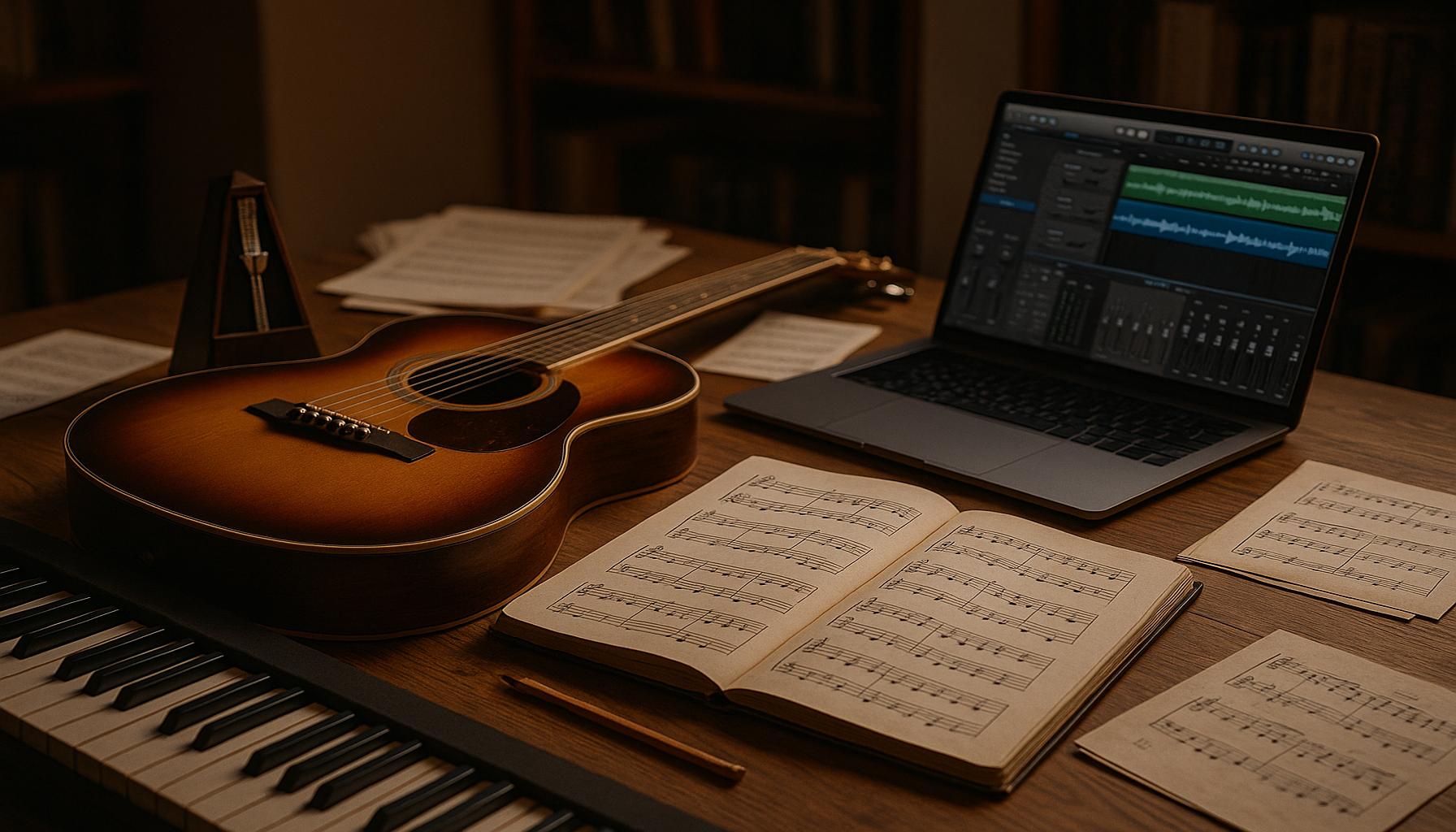
The evolution of recording techniques marks a significant milestone in this journey. The transition from traditional tape recording to digital audio workstations (DAWs) has dramatically streamlined the production process. DAWs such as Pro Tools, Ableton Live, and Logic Pro X have become industry standards, enabling musicians and producers to record, edit, and mix audio with remarkable efficiency. A producer can layer multiple tracks, apply various effects, and experiment with sound in ways that analog technology simply could not accommodate. This flexibility allows for more intricate compositions, revealing the depths of creativity that can be realized.
Accessibility of Music Production
Accessibility represents another groundbreaking change in music production. The rise of affordable software and hardware has transformed home studios into serious contenders against professional recording studios. Tools like the Focusrite Scarlett interface and microphones like the Shure SM57 have made it possible for aspiring musicians to produce high-quality recordings at home. Many successful artists today, from Billie Eilish to Shawn Mendes, began their journeys with DIY setups in their bedrooms, illustrating how democratization has opened doors for diverse voices to be heard in the music industry.
Innovative Software Solutions
Additionally, the impact of software innovations cannot be overstated. The introduction of plugins and virtual instruments has expanded the sonic palette available to producers. This expanding array of tools allows for the creation of unique sounds that blend genres and push boundaries. For instance, the rise of VST (Virtual Studio Technology) instruments like Native Instruments’ Kontakt and Serum by Xfer Records has enabled producers to craft everything from lush orchestral arrangements to crisp electronic beats. These innovations encourage collaboration and experimentation, fostering a dynamic environment for music creation.
Historical Innovations
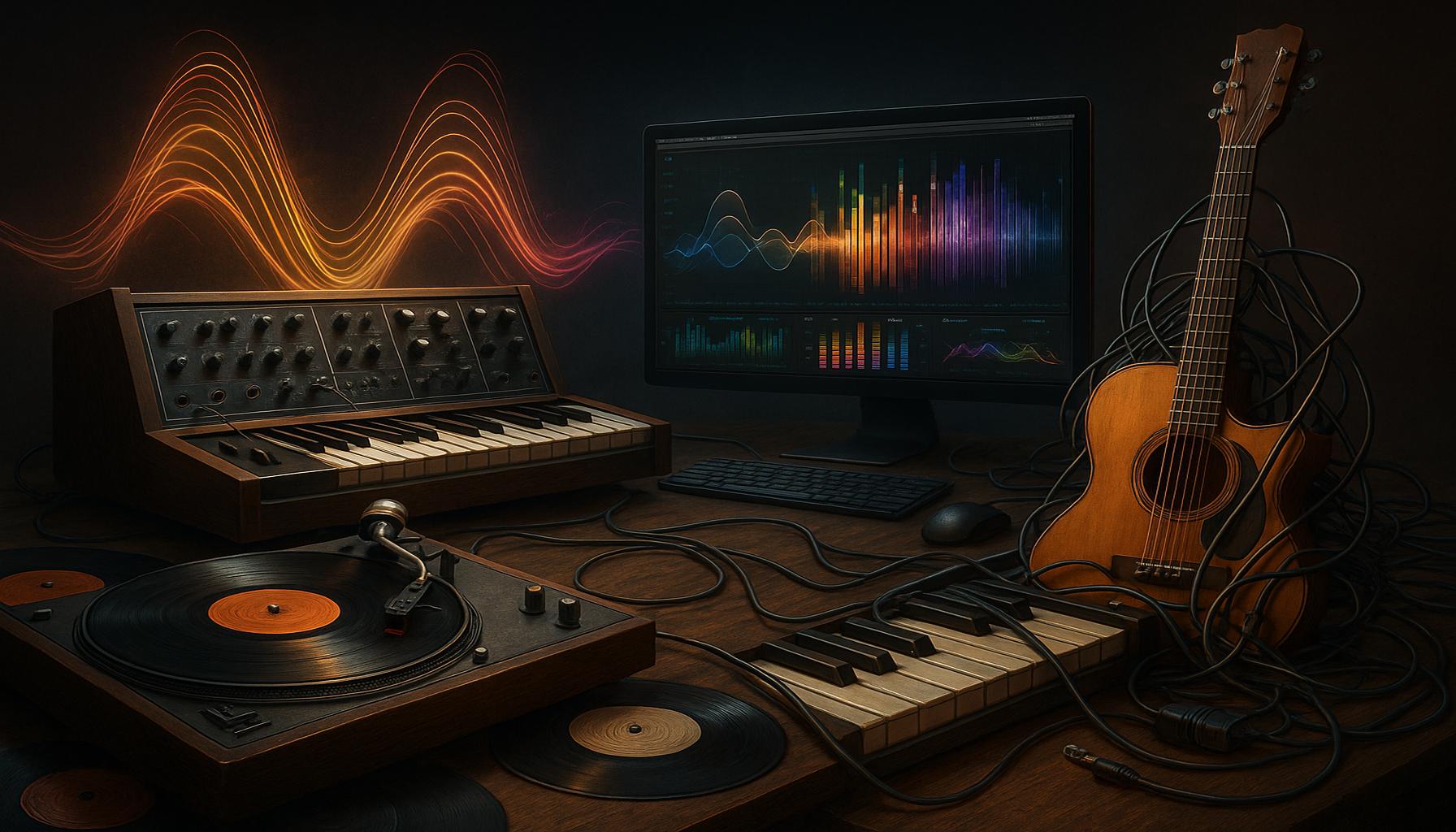
Historical innovations such as the synthesizer in the 1960s and the rise of sampling techniques in the 1980s and 1990s have played significant roles in how genres have evolved. The synthesizer allowed artists to create an entirely new range of sounds, leading to the emergence of electronic music as a dominant force in popular culture. Similarly, sampling has not only influenced hip-hop but also inspired genres like EDM and pop, with artists now using samples from classic tracks in innovative ways. For example, artist Notorious B.I.G. famously utilized samples from artists like James Brown and Donna Summer, shaping the sound of hip-hop for years to come.
Looking Ahead
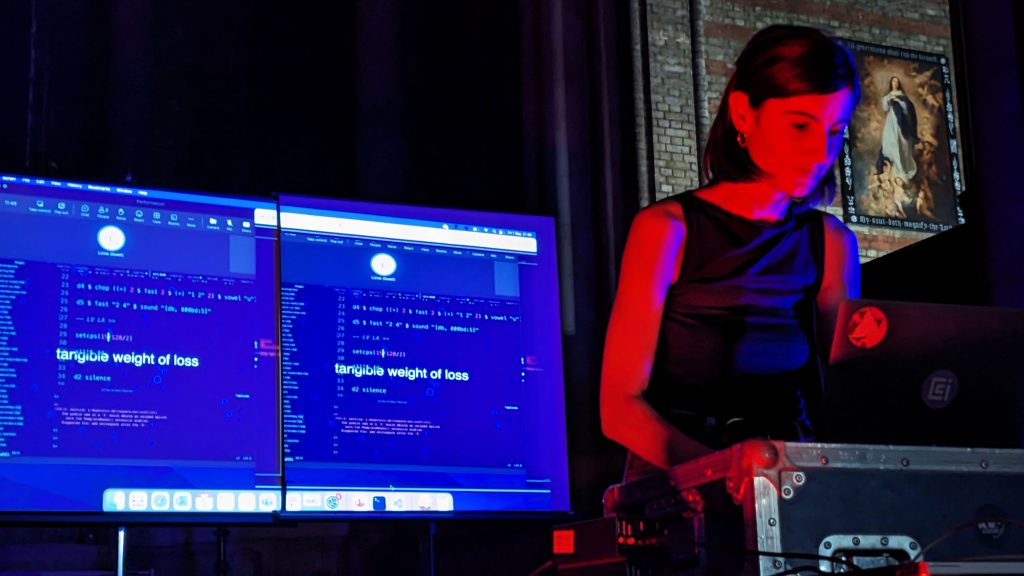
As technology rapidly progresses, the possibilities for music creation grow endlessly. The music landscape is continually being reshaped by developments such as artificial intelligence in music composition and immersive sound experiences in virtual environments. Understanding this evolution provides a deeper insight into musical trends as well as a glimpse into how future generations might harness these advancements to redefine what music can be. It is indeed an exciting time to explore the intermingling of technology and artistry in a world where every aspiring musician has the potential to make their mark.
DISCOVER MORE: Click here to get inspired by eco-friendly craft projects
The Revolution of Sound: Tracing the Technological Journey
The landscape of music production has undergone a profound transformation, driven largely by rapid advancements in technology. This revolution has reshaped not only the ways in which music is produced but also how it is experienced by audiences around the globe. As we delve deeper into the various facets that have contributed to this evolution, it becomes clear that each technological milestone has played a pivotal role in equipping artists with the tools needed for inventive expression.
Analog to Digital: The Paradigm Shift
At the forefront of this transformation lies the shift from analog to digital technologies, profoundly impacting how music is recorded and produced. Before the dawn of digital technology, analog tape machines and vinyl records dominated the music scene. While these methods had their charm, they came with inherent limitations, such as the difficulty of editing and mixing sounds with precision. The arrival of digital recording not only made processes more efficient but also introduced various capabilities that have revolutionized music production.
Digital audio technology enables producers to manipulate sound waves with remarkable accuracy. This includes:
- Non-destructive editing: Artists can adjust and experiment with their recordings without permanently altering the original material.
- High-quality sound: Digital formats offer superior sound fidelity, allowing for clearer and richer audio experiences.
- Instantaneous sharing: Musicians can upload their compositions directly to platforms like SoundCloud or Spotify, providing near-instant access to a global audience.
Emergence of Home Studios
The advancement of technology has inevitably democratized music production, enabling artists from all backgrounds to become producers in their own right. The creation of affordable recording equipment combined with powerful software tools has made it feasible for even novice musicians to produce professional-sounding tracks from the comfort of their homes. Equipment such as USB microphones and MIDI controllers has become common staples for aspiring artists.
Moreover, platforms like BandLab and Soundtrap have allowed users to collaborate with one another remotely, fostering a sense of community among artists and producers. In this new landscape, the barriers that once separated professional studios from bedroom recordings have all but dissolved, exemplified by artists like Chance the Rapper, who gained critical acclaim and commercial success using nothing more than a laptop and affordable software.
The Influence of Streaming Services
Another major development in the evolution of music production is the rise of streaming services. These platforms have revolutionized not only how music is distributed but also how it is produced. Artists now tailor their music to fit modern consumption trends, where singles often reign supreme over traditional album formats. This shift has led producers to experiment with track length, song structure, and release strategies to maximize audience engagement.
With data analytics provided by these platforms, producers and artists can gain insights into listener preferences, allowing them to adjust their creative processes accordingly. The confluence of technology, data, and creativity has paved the way for more targeted and effective music production strategies.
Conclusion: The Endless Possibilities Ahead
The ongoing evolution of music production is a testament to the extraordinary ways technology has shaped artistic expression. With each innovation, artists are pushed to explore new sonic territories, enriching the musical landscape as a whole. As we continue to see advancements in AI, virtual reality, and more, the future of music production promises even greater opportunities for innovation, creativity, and connection.
The Transformation Landscape: Tools and Techniques
As we delve deeper into the evolution of music production, it’s essential to explore the myriad of tools and techniques that have emerged, reshaping how artists create and produce music. The transition from analog to digital technology has been particularly pivotal, leading to innovations that have democratized music production and expanded creative possibilities.One such groundbreaking tool is the digital audio workstation (DAW). Programs like Ableton Live, Pro Tools, and Logic Pro have revolutionized the music-making process by allowing users to record, edit, and mix tracks within a single interface. The integration of MIDI capabilities within DAWs has enabled artists to experiment with virtual instruments in ways that were unimaginable in the analog era. This technological shift has not only streamlined the workflow but has also opened doors for a greater range of genres and styles, encouraging diverse expressions that resonate with various audiences.In addition, home studio setups have become increasingly accessible. With relatively inexpensive equipment such as audio interfaces, studio monitors, and quality microphones, aspiring musicians can produce professional-sounding tracks from the comfort of their homes. The rise of platforms like SoundCloud and Bandcamp allows for easy distribution, further diminishing the barriers to entry in the music industry. This shift has led to a surge in independent artists, and many find success without the backing of major label support.The impact of technology doesn’t end here; it also encompasses the way music is consumed. Streaming platforms like Spotify and Apple Music have transformed not only how we listen to music but also how artists monetize their work. This new landscape encourages artists to produce music more frequently while engaging with their fans directly through social media and live-streaming events.Moreover, artificial intelligence (AI) is making its mark in music production. AI-driven tools are now capable of generating melodies, suggesting chord progressions, and even mastering tracks, providing artists with new avenues for creativity. These technologies support producers in overcoming creative blocks, allowing them to focus on refining their unique sound.The evolution of music production technologies is an ongoing journey. As we witness the integration of virtual reality (VR) and augmented reality (AR) in live performances, the landscape of music creation continues to expand. It invites us to consider how emerging technologies will further shape the artistry and experience of music, pushing boundaries and fostering innovation.
Table of Advantages in Music Production Technology
| Category | Advantages |
|---|---|
| Digital Audio Workstations | Streamlined workflow and enhanced creative options |
| Home Studios | Affordability and accessibility for independent artists |
| Streaming Platforms | Direct access to global audiences and revenue models |
| AI Technology | Support for creativity and production efficiency |
As the music production landscape continues to transform through technology, it is vital for emerging artists to stay informed about these advancements to leverage them effectively in their creative journeys.
DON’T MISS: Click here for fun crafting ideas!
Breaking Barriers: The Impact of Software Innovation
As we venture further into the evolution of music production, it is essential to highlight the transformative role that innovative software has played in shaping how music is created today. With the emergence of Digital Audio Workstations (DAWs) such as Ableton Live, Pro Tools, and Logic Pro, musicians and producers now have unprecedented control over their creative processes. These platforms have revolutionized the workflow of music production by providing an all-in-one solution for recording, editing, mixing, and mastering.
Power of Plugins and Virtual Instruments
One of the standout features of modern DAWs is their compatibility with a range of third-party plugins and virtual instruments. These tools have expanded the sonic palette available to musicians and producers, allowing them to create unique sounds that were once deemed impossible. For example, plugins like Serum and Massive offer an extensive range of customizable synth sounds, while companies such as Native Instruments and iZotope provide comprehensive suites for mixing and mastering.
Moreover, the integration of AI-driven tools has started to reshape music production. Producers can now leverage algorithms that suggest chord progressions, melodies, or even automate mixing processes, streamlining the workflow further. This not only enhances creativity but also helps artists save time, enabling them to focus on their core ideas and artistic expression.
The Rise of Mobile Production
The evolution of music production also embraces the mobile environment, with the advent of powerful music creation apps like GarageBand and FL Studio Mobile. These applications allow artists to create and edit music on-the-go, breaking the traditional constraints of being tied to a desktop workstation. The accessibility of music production tools on mobile devices has introduced a new generation of creators who use their smartphones and tablets to generate tracks anytime, anywhere.
This capability has also led to a notable increase in music produced for social media platforms, where brevity and catchy hooks reign supreme. TikTok, for instance, has become a breeding ground for viral music trends, with snippets often repurposed into full tracks. Producers are quick to adapt, tailoring their music to fit these evolving formats and leveraging these platforms for instant feedback and exposure.
Collaborative Platforms and Global Network
Technology has also reshaped the landscape of collaboration. Cloud-based platforms like Splice facilitate seamless sharing of project files, enabling artists and producers from different corners of the globe to work together in real time. This has not only accelerated the creative process but also fostered a diverse range of influences and styles, leading to a fusion of genres that continually pushes the boundaries of traditional music structures.
The collaborative aspect extends beyond music creation; educators and industry professionals are increasingly utilizing these platforms to mentor budding musicians. Programs and webinars hosted by experienced producers provide invaluable insights into the nuances of music production, further democratizing knowledge. This combination of technology and collaboration is reshaping the music production ecosystem, creating a culture that thrives on diversity and innovation.
Impact on Music Consumption and Market Trends
The integration of technology into music production has had far-reaching implications for consumption patterns and market trends. As audiences become more accustomed to on-demand content and personalized playlists, producers are responding by crafting music that caters specifically to emerging sonic tastes. This adaptability not only ensures relevance but also allows musicians to engage with their listeners on a deeper level.
Furthermore, the use of data analytics to understand listener behavior has become an essential tool in the music industry. Record labels and independent artists alike harness insights from streaming services to make informed decisions about genre trends, promotion, and even tour planning. Producers now create with a keen understanding of their target demographic, ensuring that their music resonates with audiences in meaningful ways.
DISCOVER MORE: Click here to unearth creative inspiration
Conclusion: The Future of Music Production
The journey through the evolution of music production reveals an intricate tapestry woven with elements of technological innovation, creativity, and accessibility. As we have explored, advancements such as Digital Audio Workstations (DAWs), innovative plugins, and mobile production apps have dismantled the barriers once faced by aspiring musicians and established artists alike. The profound impact of these tools extends beyond mere convenience; they have fostered an environment where originality thrives and collaboration knows no bounds.
In addition, the rise of AI technologies and data analytics has created an interconnected framework for understanding audience preferences, driving musicians to adapt their craft in ways that resonate deeply with listeners. This shift reflects a fundamental change in the music landscape—one that emphasizes not just the production of art, but its consumption and engagement within a rapidly evolving digital ecosystem.
As we look to the future, the possibilities for music creation appear limitless. Embracing a global network of collaboration, artists can draw from diverse influences, leading to the emergence of new genres and innovative sounds that defy categorization. With each technological evolution, music becomes both more accessible and more intricate, challenging the conventional narratives of what music can be.
Ultimately, the fusion of technology with artistry invites us all to explore the rhythms of our individual experiences, creating a rich landscape of sonic possibilities that will continue to evolve. For artists, producers, and enthusiasts alike, this transformation signals a new era of creativity that encourages experimentation and collaboration, providing a vibrant canvas for the next generation of musical talent. As we embrace these advancements, one thing is certain: the evolution of music production is far from over, and its journey will continue to inspire and shape the very fabric of culture itself.