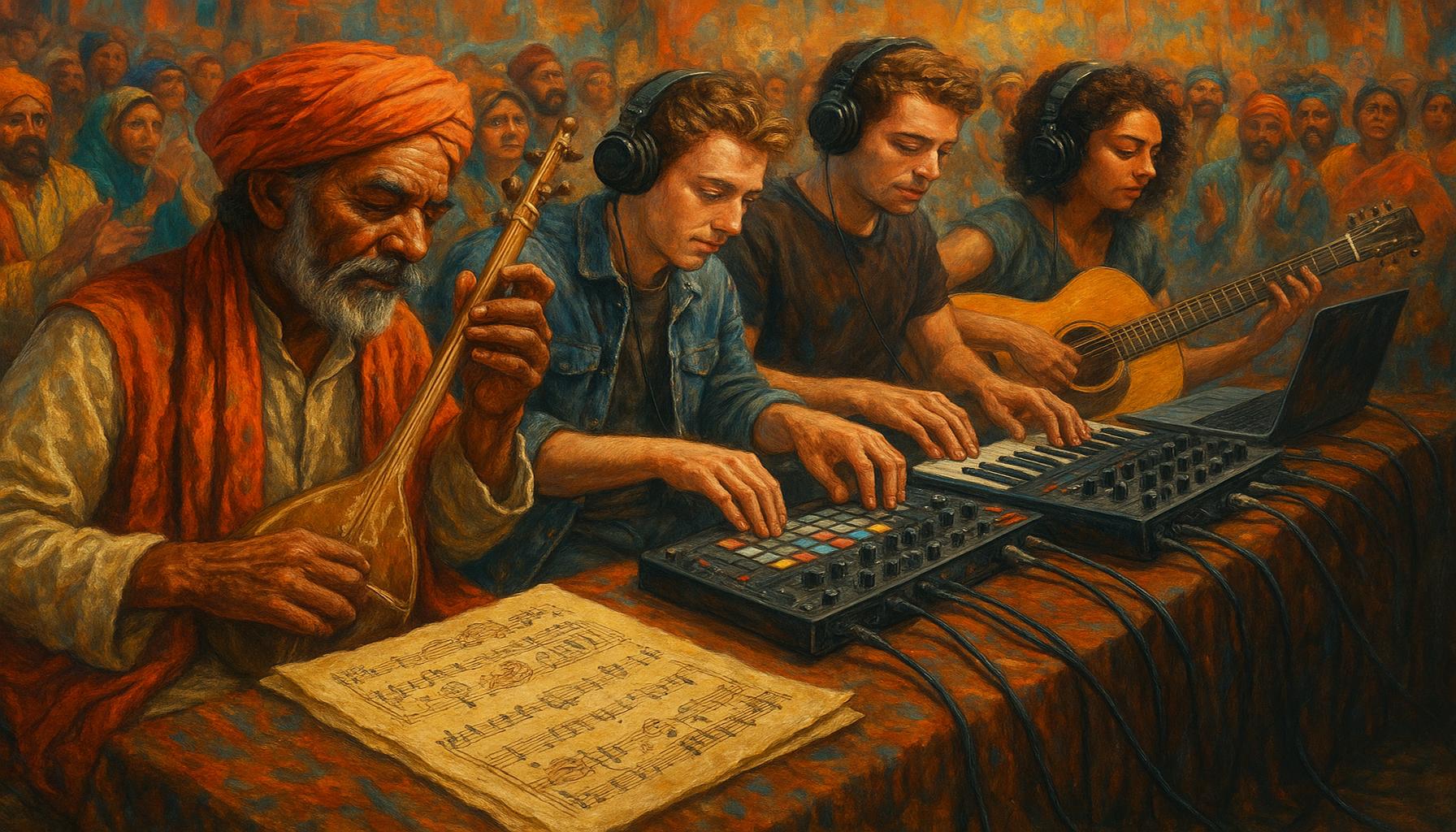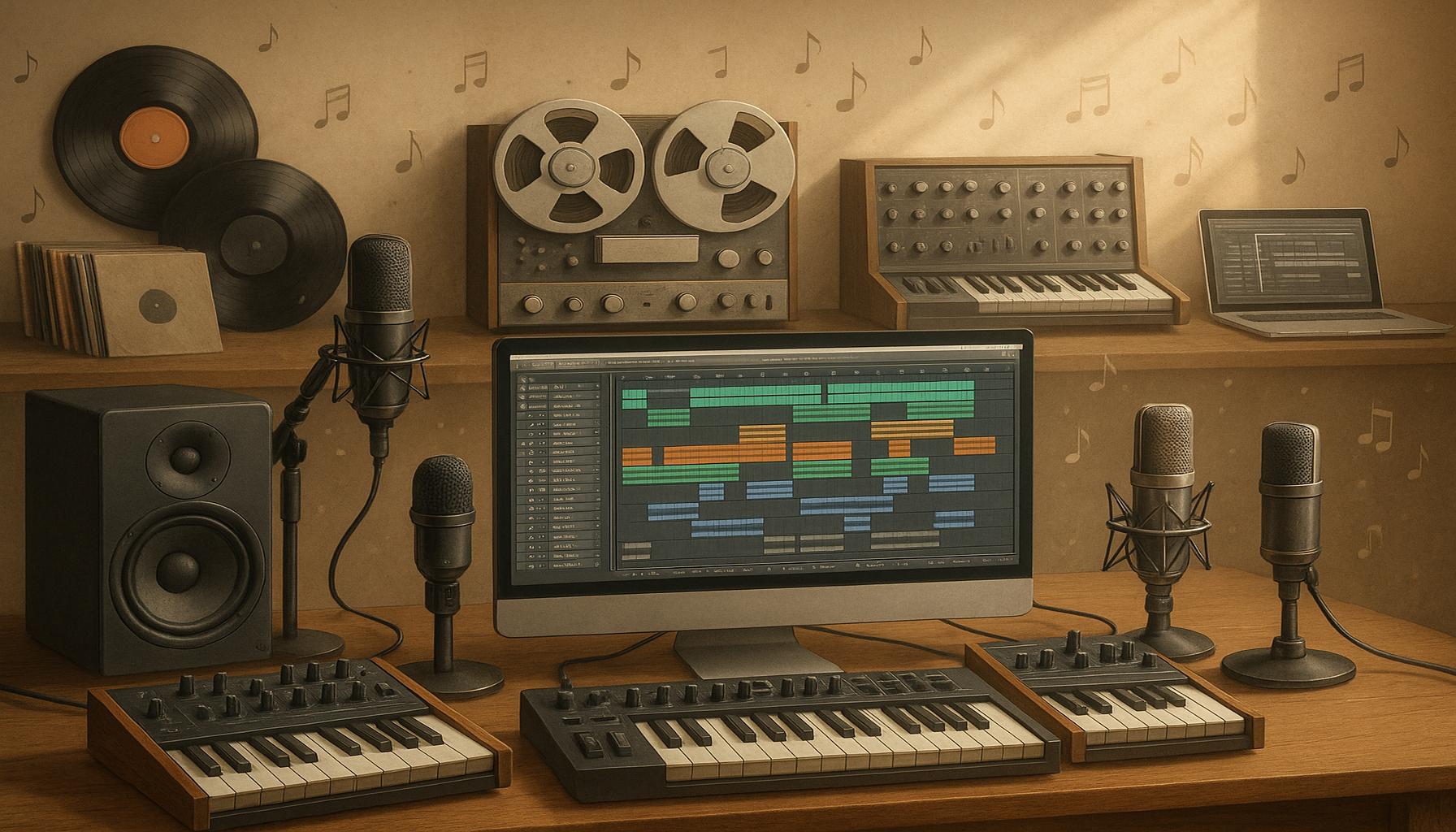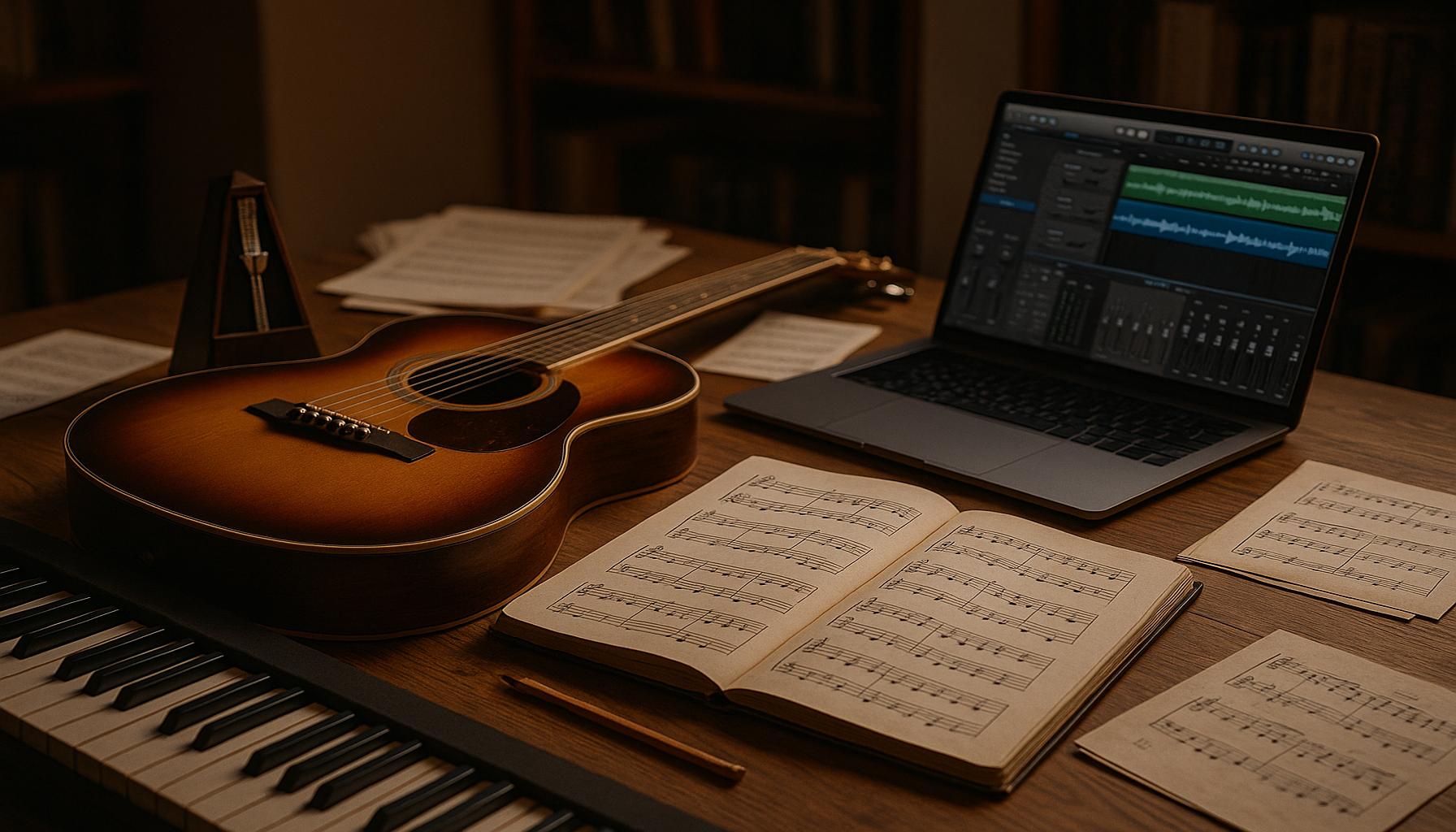
The Challenges of Musical Creation in a Digital World: Creativity versus Mass Production
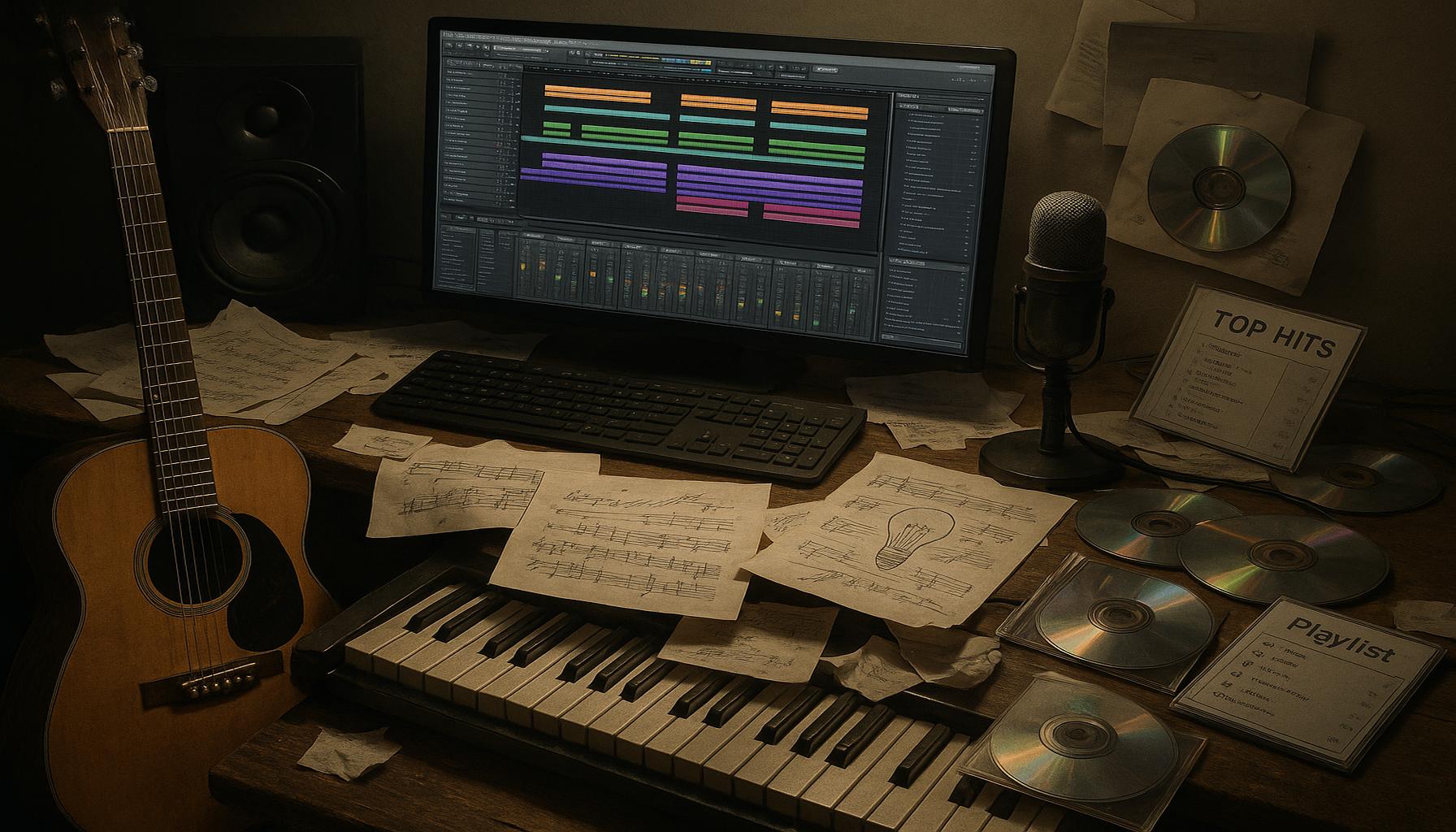
The Paradox of Creativity in Today’s Music Industry
In the age of digital technology, the music industry is witnessing an extraordinary transformation. On one hand, the availability of powerful software and platforms has transformed how artists create, share, and distribute their work. However, this freedom comes at a cost—one that raises questions about the balance between creativity and mass production. As we dive deeper into these issues, we unveil complexities that artists, producers, and fans are increasingly grappling with.
Accessibility of Tools
The emergence of user-friendly software like Logic Pro and Ableton Live has democratized music production. Aspiring musicians can now access high-quality tools that were once restricted to professional studios. For example, GarageBand allows budding creators on Mac platforms to compose and mix tracks from their living rooms. This democratization has led to a surge in home studios, enabling more people to share their unique sounds with the world. While this increased accessibility promotes creativity, it also floods the market with an overwhelming number of tracks, making it challenging for unique voices to emerge.
Social Media Influence
Social media platforms, particularly TikTok and Instagram, have redefined how music is consumed and promoted. The addictive nature of scrolling encourages users to favor short, engaging snippets over longer, nuanced pieces. For instance, a viral 15-second soundbite can propel an artist to stardom overnight, driving many musicians to prioritize catchy hooks and repetitive structures over genuine artistic expression. As a result, many artists may feel pressured to conform to formulas that yield viral success, risking their artistic integrity in the process.
Market Oversaturation
With the rise of streaming services like Spotify and Apple Music, millions of new tracks are uploaded daily. This market oversaturation creates a double-edged sword; while it offers listeners a wealth of options, it also complicates the struggle for artists who want to stand out. For example, emerging genres like lo-fi hip hop and bedroom pop thrive on platforms such as Bandcamp, yet they often find it hard to break through the noise. The very platforms that provide access to potential fans may also bury original works beneath an avalanche of content.
Striking a Balance
The convergence of these factors leads to essential questions about creative evolution in the modern music landscape. How can musicians maintain their unique voices in an industry that increasingly favors commercial appeal? What strategies can artists employ to sustain artistic integrity while adhering to commercial demands? These inquiries prompt a broader exploration of what defines artistry in an age where quantity often seems to overshadow quality.
As we reflect on these challenges, it becomes crucial to support artists navigating this intricate terrain. Acknowledging the obstacles they face can deepen our appreciation for their craft, reinforcing the importance of valuing creativity in all its forms—whether it emerges from a bedroom studio or a legendary recording label. Understanding these dynamics is key to furthering the discussion about the future of music creation and what it means to be an authentically crafted artist today.
DISCOVER MORE: Click here to get inspired
Navigating the Creative Landscape
As artists find themselves submerged in a digital ocean teeming with possibilities, the question of how to navigate this creative landscape becomes more pronounced. The music industry, once a bastion of artistic flair, now faces a myriad of challenges that redefine the essence of musical creation. This evolution prompts artists to reconsider not only their approach to composing music but also their relationship with the technology that has revolutionized their craft.
The Role of Algorithms
In the current digital music landscape, algorithms play a pivotal role in shaping both discovery and success. Platforms like Spotify utilize sophisticated algorithms to curate personalized playlists, suggesting tracks based on users’ listening habits. While this fosters a more customized experience for listeners, it raises significant concerns regarding the creative process. Artists often find themselves tweaking their sounds to align with algorithmic preferences, which can detract from their authentic expression. The question looms: is music being made for humans or for machines?
Instant Gratification Culture
The viral nature of social media contributes to a culture of instant gratification, one that can sometimes stifle the lengthy, thoughtful process of creativity. Many artists feel the pressure to produce content rapidly to remain relevant in the fast-paced digital world. Consider the phenomenon of “challenge songs” on platforms like TikTok, which encourage musicians to create tracks that fit a specific mold that can be easily shared. This expectation can lead to a scenario in which the artist sacrifices depth in favor of breadth, prioritizing quantity over quality. The need to constantly churn out new material often compromises the integrity of their work and limits the time available for experimenting with innovative ideas.
Emotional Connection and Authenticity
Despite the challenges presented by digital platforms, there is a silver lining: the potential for deep emotional connections between artists and their audiences. The digital age has given rise to platforms that foster community interaction, such as Patreon and Bandcamp, where fans can engage more directly with creators. This creates a new paradigm where artists can retain ownership of their work while connecting with listeners on a personal level. Consumers are increasingly drawn to authenticity, often preferring artists who share their creative journey and personal stories over those who fit a preconceived corporate mold.
Strategies for Resilience
To thrive amidst these challenges, artists must adopt versatile strategies that respect their creative impulses while navigating the commercial demands of the industry. Here are a few approaches they can consider:
- Emphasizing Authenticity: Artists should focus on their unique voices and personal narratives, ensuring their music resonates with their true selves.
- Building a Community: Engaging with fans through social media and direct platforms fosters loyalty and supports an artist’s brand beyond mere streaming numbers.
- Balancing Production and Reflection: Artists should carve out time for reflection and experimentation, allowing room for spontaneity and growth within their creations.
- Leveraging Technology Wisely: Understanding the tools at their disposal can empower artists to use technology to enhance their creativity, not hinder it.
As artists strive to find their footing, connecting creativity with commercial viability remains an ongoing challenge. Striking this balance may ultimately redefine what it means to be a successful musician in our digital world.
| Advantage Category | Description |
|---|---|
| Increased Accessibility | Digital platforms and tools allow artists from various backgrounds to create and distribute music easily. |
| Diverse Creative Collaboration | Musicians can collaborate globally, combining different styles and influences that enrich their work. |
| Immediate Audience Feedback | Artists can receive instant reactions to their work, helping to refine their creativity in real-time. |
| Affordable Production Resources | Artists can produce high-quality music on a budget using accessible digital tools. |
In the era of digital music, increased accessibility stands as a glaring advantage for creators. Unlike the days of costly studio bookings, modern musicians can harness digital platforms to unleash their creativity without significant financial constraints. Furthermore, diverse creative collaboration is another endpoint of this digital revolution. Artists can now easily connect across different cultures, leading to the birth of unprecedented genres and styles that break conventional barriers.In addition, immediate access to audience feedback shapes a musician’s work in unparalleled ways. The ability to gauge listener reactions digitally fosters a unique dialogue between creators and consumers, allowing for adjustments and iterations based on real responses. Lastly, the use of affordable production resources ensures that talent does not go unnoticed due to financial limitations, democratizing music creation like never before. These facets of the digital landscape encourage creativity, pushing artists to explore innovative possibilities while navigating the complexities of mass production.
DISCOVER MORE: Click here to dive deeper
Redefining Success in the Digital Arena
The digital era has transformed not only how music is created but also how its success is measured. Traditionally, record sales and radio play were the golden metrics of achievement. However, in a world dominated by streaming platforms and social media, success is increasingly defined by metrics such as streams, likes, and shares. This shift has far-reaching implications for artists who must adapt their creative processes to fit these quantifiable standards.
Shift to Streaming and Data Analytics
With the rise of streaming services like Spotify and Apple Music, the music industry has embraced data analytics as a crucial element in gauging an artist’s reach and popularity. This transition offers valuable insights into listener behavior, allowing artists and labels to tailor their output to maximize engagement. However, the overreliance on data can lead to a formulaic approach to music creation, where artists prioritize tracks that are statistically more likely to succeed. The fine line between leveraging analytics and sacrificing creativity is a delicate balance that many find challenging to navigate.
Crowdsourced Creativity
Platforms such as SoundCloud and Bandcamp have democratized music production, enabling emerging artists to distribute their work directly to audiences without the gatekeeping of traditional record labels. While this innovation fosters creative freedom, it also inundates listeners with a vast array of choices, often leading to a phenomenon known as “choice overload.” As listeners are bombarded with content, discovering new artists can become overwhelming, prompting many to gravitate towards familiar sounds. This reinforces the cycle of mass production, as artists may feel compelled to align their music with popular trends rather than exploring original ideas.
Impact of Shortened Attention Spans
The digital age has catalyzed a cultural shift towards shorter, more digestible content that caters to the decreasing attention spans of audiences. TikTok, for instance, has spawned a generation of songs designed to encapsulate a catchy hook within the first few seconds to capture rapid consumer attention. While this can lead to viral hits, it may also impose limitations on the creative process, pushing artists to conform to the idea of “snackable” music rather than deeper, more profound compositions. As a result, the artistry of constructing an entire album or concept piece may be overshadowed by a focus on creating individual tracks that are readily consumable.
Globalization of Music Trends
The internet allows for an unprecedented exchange of musical styles across cultures and demographics. While this globalization enriches the diversity of musical influences available to artists, it can lead to homogenization, where distinctive regional sounds are diluted into mainstream formats. As musicians are inspired by global hits, they may unknowingly echo similar themes and sounds, contributing to a crowded sonic landscape that challenges the uniqueness of individual artistry. The allure of cross-genre experimentation may lead to innovation, yet it can also create pressure to produce commercially viable tracks that conform to global trends.
Faced with these challenges, artists must continuously adapt their strategies to remain relevant while preserving their creative integrity. The pursuit of originality amidst mass production is a tightrope walk that defines the contemporary music scene, pushing artists to reevaluate what it means to succeed in a world where the demands of creativity and commerce often collide. As this landscape evolves, the ongoing dialogue surrounding the nature of musical creation will undoubtedly shape the future of the industry.
DISCOVER MORE: Click here for fun projects with kids
Conclusion: Navigating the Future of Musical Creation
The complex interplay between creativity and mass production in the digital music landscape presents an evolving challenge for artists and the industry alike. As streaming platforms reshape how success is quantified, redefining metrics from album sales to data-driven streams, musicians find themselves under immense pressure to balance artistic expression with commercial viability. The temptation to conform to popular trends, coupled with the inundation of content available, creates a paradox where true innovation can be stifled in favor of familiarity.
While platforms like SoundCloud and Bandcamp have democratized music distribution, allowing emerging artists a pathway to showcase their work, this accessibility opens the floodgates to choice overload. The unique voices that seek to challenge the status quo may struggle to be heard amongst a cacophony of sounds designed to cater to fleeting consumer attention. Moreover, the influence of globalization introduces a further layer of complexity, where regional sounds risk dilution in a quest for mainstream appeal.
To thrive in this environment, artists must cultivate their unique narratives and cultivate resilience against the pressures of mass production. Embracing innovation while remaining true to their artistic vision will be essential in forging a new path forward. As audiences increasingly celebrate authenticity, the future of musical creation may hinge upon the ability of artists to navigate these dueling forces, ultimately enriching a landscape that demands both creativity and accessibility. As we move ahead, it will be crucial to listen closely to how these challenges evolve and how they shape the culture of music in the rapidly changing digital world.