The Role of Social Media in Promoting New Musical Talents
The Role of Social Media in Transforming Music Careers
In today’s fast-paced digital landscape, social media has emerged as a transformative platform for aspiring musicians. It has become an essential tool for connecting artists directly with fans and industry professionals alike. For instance, artists such as Lil Nas X became household names by leveraging platforms like TikTok to showcase their music and personalities, completely bypassing traditional music marketing channels. Let’s explore how these online avenues have reshaped the music industry.
Accessibility
One of the most profound impacts of social media is the accessibility it provides emerging artists. In the past, musicians often faced the daunting challenge of gaining attention through record labels and radio airplay, with traditional gatekeepers deciding who could succeed. Now, platforms like SoundCloud and Bandcamp allow aspiring talents to share their work directly with the world. For example, artists like Billie Eilish initially gained fame through her music on SoundCloud, which eventually led to a record deal and global recognition.
Engagement
Social media fosters active engagement between artists and their audiences. Fans can interact with their favorite musicians, commenting on songs, sharing personal stories, and even participating in live streams. This creates a sense of community that was less prevalent in the past. Artists like Ed Sheeran frequently use live Q&A sessions on social platforms, allowing fans to feel a personal connection and allegiance to their music. Such interactions can significantly enhance fan loyalty and lead to sold-out shows and merchandise sales.
Viral Opportunities
Another critical aspect is the potential for viral opportunities. With the right post, a single video or song snippet can reach millions of viewers overnight. The viral success of “Old Town Road” demonstrates how a creative TikTok challenge led to unprecedented exposure for Lil Nas X. This phenomenon illustrates the power of social media in redefining how music is shared and consumed, making it accessible to a broader audience. The immediacy of these platforms allows songs to capture the cultural zeitgeist, leading to chart-topping success.
The Statistics Speak Volumes
As we delve deeper into this new reality for musicians, statistics reveal astounding growth in the role of social media:

- 85% of musicians utilize social media for promotional purposes, highlighting its integral role in modern marketing strategies.
- Over 60% of fans discover new artists through social networks, underscoring the importance of these platforms in artist promotion.
- In 2023, platforms like TikTok generated approximately $100 million in revenue for song royalties, illustrating their financial impact on the music industry.
The evolution in how music is shared opens doors for numerous artists waiting to be discovered. Many strategies, such as using trending hashtags, collaborating with influencers, and participating in challenges, are paving the way for the next big name in music. As social media continues to evolve, artists who leverage these platforms effectively are likely to thrive in this digital music age.
DIVE DEEPER: Click here to explore fascinating craft traditions
Unleashing Creativity Through Social Media Platforms
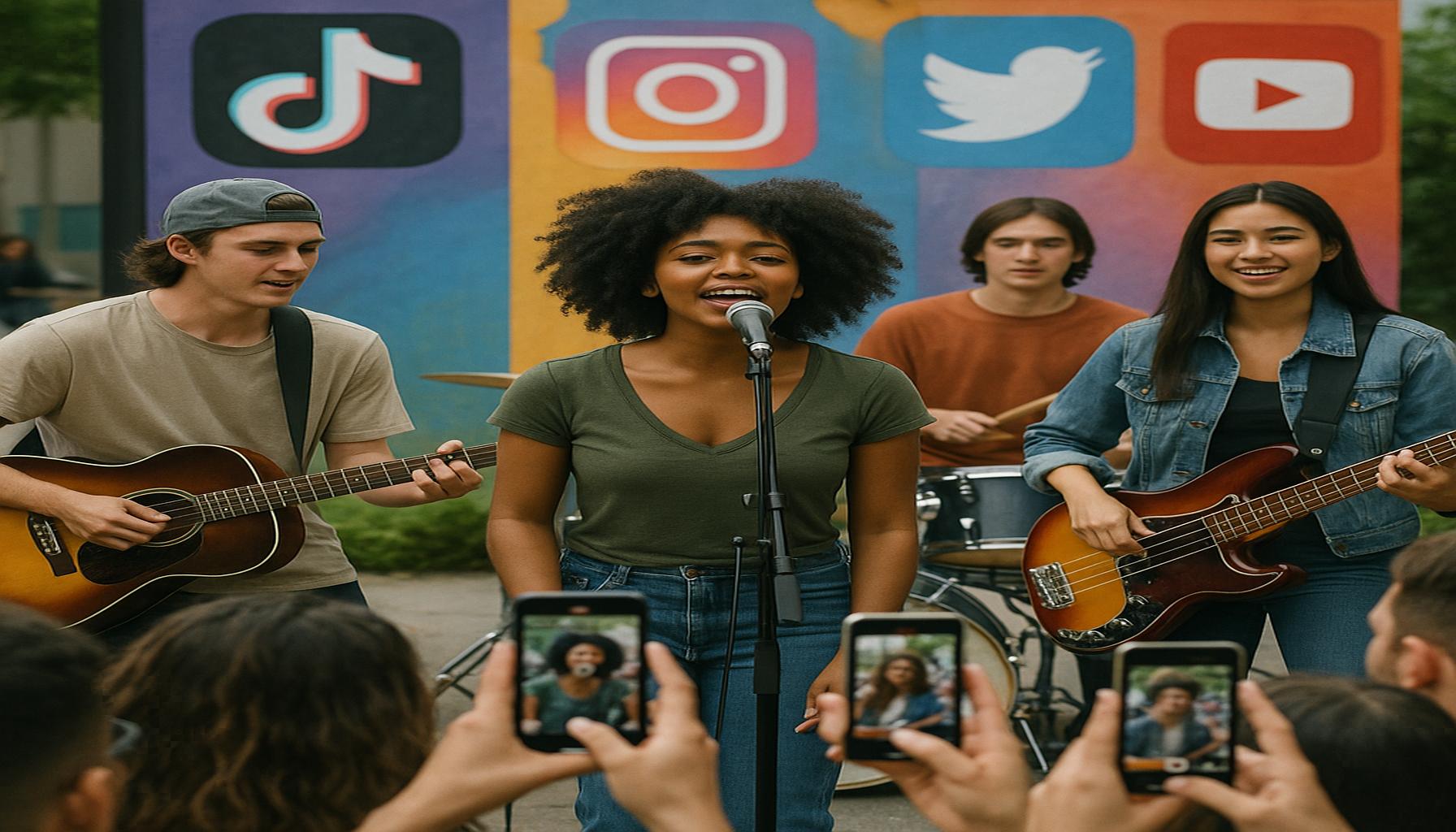
As the music industry continues to evolve, the advent of social media has unlocked new avenues for creativity and exposure, enabling emerging musical talents to showcase their skills without the constraints of traditional processes. This democratization of the music landscape means anyone with a smartphone and a compelling sound can reach a global audience. Platforms like Instagram, TikTok, and YouTube serve as modern-day stages, facilitating an unprecedented artistic exchange. With millions of active users, these social media platforms enhance the potential for new artists to break through the noise of the music industry.
Content Creation and Storytelling
At the heart of every successful musical venture lies not just talent, but the ability to tell a compelling story. Social media provides new artists with tools to craft and share their narratives authentically. By posting behind-the-scenes footage, studio recordings, and personal anecdotes, musicians can create a brand that resonates with their audience. For instance, artists like Hozier have used Instagram to share insights into their songwriting process, connecting with fans on a deeper level beyond the music itself. This emotional engagement is crucial, as audiences are often more inclined to support artists they feel a personal connection to.
Collaborations and Networking
The interconnectedness fostered by social media platforms has also paved the way for meaningful collaborations between artists. Musicians can easily connect across geographical boundaries, working together on tracks that blend distinct styles and genres. Collaborative projects have proven successful for many new artists, as they tap into each other’s fan bases and increase visibility. A noteworthy example is the collaboration between the rapper Doja Cat and producer Yeti Beats, which was initiated through social media interactions, leading to chart-topping hits.
The Influence of Music Challenges and Trends
Social media is rife with viral challenges and trends that often dictate the trajectory of new music consumption. Platforms like TikTok have transformed the way songs gain traction; a simple dance challenge or catchy hashtag can launch a relatively unknown track to viral status overnight. Consider the case of “Savage Love,” which soared to popularity after a dance challenge went viral on TikTok, leading to mainstream success for artist Jawsh 685. These trends not only spotlight new music but also forge connections with a young, digitally-savvy audience that thrives on creativity.
Engagement Metrics and Success Indicators
The effectiveness of social media as a promotional tool can be validated through various engagement metrics that gauge success:
- Social media engagement rates often exceed traditional promotional efforts, enabling quick feedback from fans.
- Viewership statistics from platforms like YouTube provide artists with valuable insights into audience preferences and trends.
- Stream counts on services like Spotify often correlate with social media buzz, indicating a symbiotic relationship between the two.
In this ever-evolving digital landscape, the fusion of artistry and technology empowers new musical talents to shape their own journeys. By understanding and capitalizing on the potential of social media, artists can fully embrace their creative expression while reaching audiences worldwide.
| Advantage | Description |
|---|---|
| Wider Audience Reach | Social media platforms allow musicians to connect with global audiences, breaking geographical barriers. |
| Real-Time Feedback | Musicians receive instant responses from listeners, helping them understand audience preferences and improve their craft. |
| Cost-Effective Promotion | Social media marketing is less expensive than traditional marketing methods, offering more affordable ways for emerging artists to promote their music. |
| Creative Collaboration | Platforms facilitate connections among artists, enabling collaborations that can enhance their musical output and reach. |
The impact of social media on the music industry is undeniable, redefining how new talents burst onto the scene. Platforms like Instagram, TikTok, and YouTube have become launchpads for aspiring musicians, allowing a single post or video to go viral overnight. With the right strategy, a homemade track can gain millions of views and attract industry attention, showcasing the true power of digital engagement. Furthermore, social media encourages independent music production, erasing some traditional gatekeeping that artists faced when trying to secure a record deal, ultimately democratizing the music landscape.
DISCOVER MORE: Click here to explore the beauty of natural art
The Power of Viral Marketing and Fan Engagement
Social media not only serves as a platform for artistic expression but also acts as a powerful marketing tool for emerging musical talents. The concept of viral marketing—leveraging content that rapidly spreads across networks—has been drastically transformed by social media dynamics. Artists can create engaging content that encourages sharing, leading to organic growth in their fanbase. Research indicates that songs that gain traction on social media often translate into increased streaming numbers and album sales. For example, the song “Old Town Road” by Lil Nas X became a cultural phenomenon, initially driven by TikTok virality, before dominating the Billboard charts for weeks. This indicates that a well-crafted social media strategy can have immediate and significant impacts on an artist’s success.
Building a Dedicated Fanbase
In the digital age, building a dedicated fanbase is crucial for an artist’s longevity. Social media provides a direct line of communication between artists and fans, enabling real-time interaction and connection. New musicians can utilize platforms like Twitter and Facebook to engage with their audiences, running polls, Q&A sessions, and even live streams. This level of engagement fosters loyalty among fans, creating a community that is emotionally invested in the artist’s journey. Artists like Billie Eilish have mastered the art of this interaction, regularly communicating with her followers over various platforms, which strengthens their connection and support for her music.
The Role of Influencers and Tastemakers
The influence of social media extends beyond just artists to include popular tastemakers and influencers who help to elevate new musical talents. When influencers share an artist’s music or attend their shows, it generates buzz and credibility, making it easier for new talents to gain recognition. In the age of influencer culture, even a single shout-out from a popular figure can lead to a significant surge in an artist’s following and visibility. For example, when artists like Olivia Rodrigo received attention from social media influencers and platforms like TikTok, their songs quickly became trending topics, resulting in massive streaming success.
Strategic Use of Hashtags and Engagement Tools
To maximize their reach, new musical talents must embrace the strategic use of hashtags and engagement tools. Hashtags allow artists to categorize their content, making it discoverable to broader audiences interested in specific genres or topics. Additionally, utilizing features like Instagram Stories, Reels, and TikTok videos can create visually appealing content that resonates with fans. According to statistics, posts featuring hashtags generally see 12.6% more engagement than those without. This underscores the importance of not just posting music, but also crafting a visually engaging and relatable narrative around it.
The Rise of DIY Culture
Social media has also contributed to the rise of the “Do It Yourself” (DIY) culture within the music industry. New artists can record, produce, and distribute their music without the need for major label backing. Platforms such as Bandcamp and SoundCloud empower musicians to reach audiences directly. The success of artists like Chance the Rapper exemplifies this trend, as he gained recognition through his independent releases and savvy social media promotions. This democratization of the music industry allows for a more diverse set of voices to be heard, showcasing talents that may have previously gone unnoticed in a traditional industry model.
In summary, the role of social media in promoting new musical talents is multi-faceted, involving viral marketing, audience engagement, and the power of influencer endorsements. By effectively leveraging these channels, emerging artists can carve out their niche in the competitive musical landscape.
DISCOVER MORE: Click here to dive into natural creativity
Conclusion: The Transformative Impact of Social Media on Emerging Music Artists
In conclusion, the role of social media in promoting new musical talents has revolutionized the way artists connect with audiences and navigate the music industry. By utilizing platforms such as TikTok, Instagram, and Twitter, emerging musicians have the opportunity to share their work widely and engage with fans on a personal level. This direct communication fosters a sense of community and loyalty, enabling artists to cultivate dedicated followings that drive their success.
Moreover, the influence of viral marketing and tastemakers cannot be overstated. A single viral moment can propel an artist from anonymity to stardom, as seen with songs that have taken over social media trends. The ability to tailor content through strategic use of hashtags and engagement tools further amplifies reach, making it essential for new talents to master these techniques. The rise of the DIY culture, supported by social media, has also democratized music production, allowing creative voices to emerge without traditional barriers.
As we move further into the digital age, it is clear that social media will continue to play a critical role in shaping the musical landscape. Artists who embrace these tools not only elevate their visibility but also contribute to a more diverse and dynamic music scene. For aspiring musicians, understanding and leveraging social media is no longer optional; it is a vital component of their success plan. The question remains: which new talents will create the next viral moment, and how will they use social media to redefine their musical journeys?