Exploring Cultural Craft Traditions: A Journey Through Global Handicrafts
The Beauty of Cultural Craft Traditions
In a world increasingly driven by technology, the allure of cultural craft traditions remains a vibrant testament to human creativity. Every corner of the globe holds unique handicrafts that tell profound stories about heritage, community, and identity. Exploring these traditions offers a glimpse into the rich tapestry of cultures that shape our world. Handicrafts serve not only as fascinating objects but also as a means of preserving history and fostering community connections.
The Art of Handicrafts
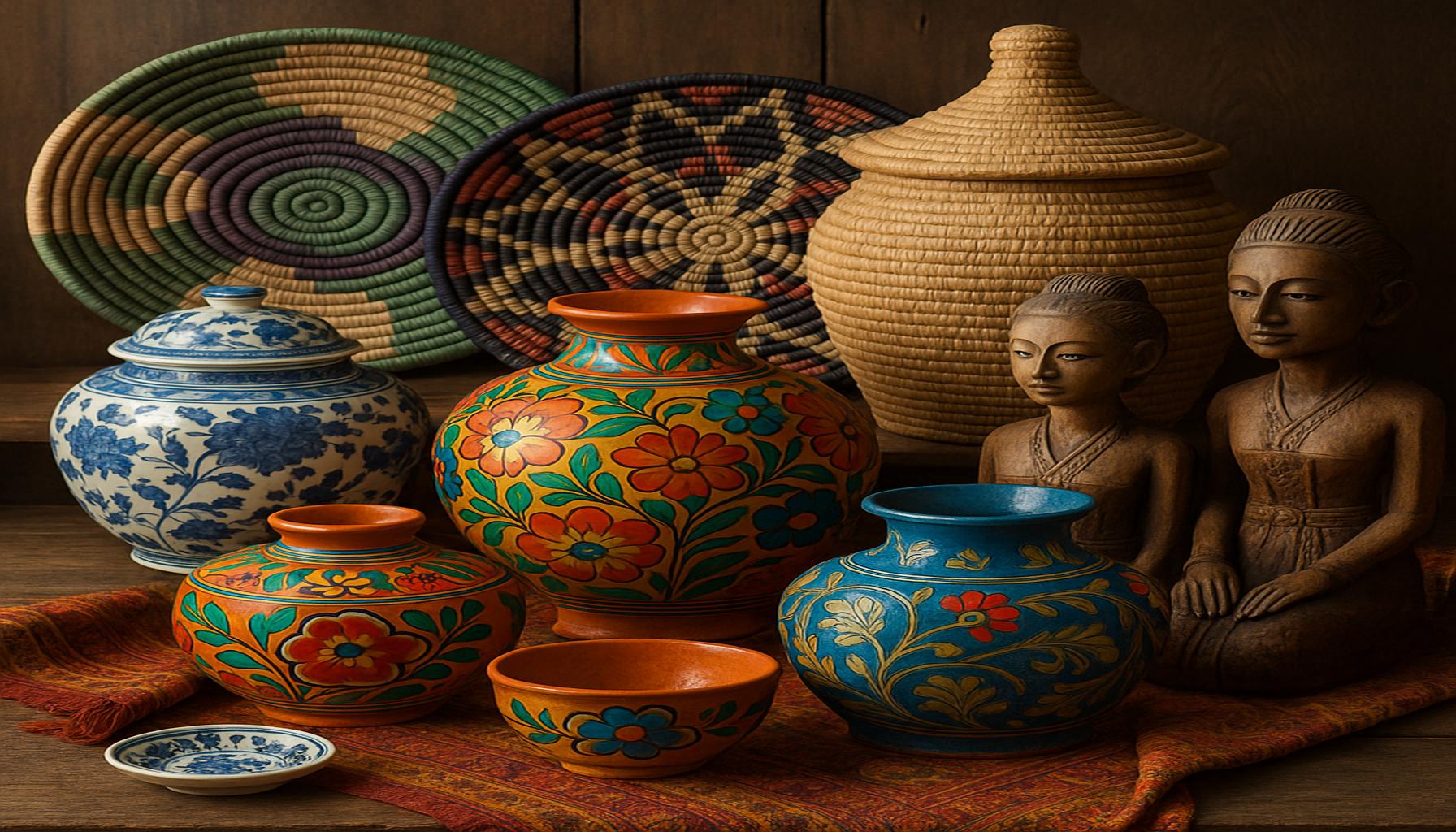
Handicrafts encompass an array of techniques and materials, reflecting local resources and artistry. Each item generated through traditional crafting methods represents a significant aspect of its culture, embodying the skills and stories of generations. Take, for instance, the pottery from Mexico, which is esteemed for its intricate designs, often influenced by indigenous techniques passed down through families for centuries. The vibrant colors and detailed patterns found in Talavera pottery, for example, not only serve aesthetic purposes but also resonate with the traditions of the Spanish-Mexican heritage.
Textiles from India offer another fascinating example, renowned for their vibrant colors and traditional weaving methods. From the silk sarees of Varanasi to the intricate block prints of Rajasthan, these textiles not only signify the region’s rich heritage but also play a crucial role in the local economy, providing livelihoods to countless artisans. The process of hand-weaving, often done on traditional looms, promotes sustainability by using local materials and techniques that have been honed over generations.
Moreover, the carvings from Africa carry deep meanings, often reflective of historical and spiritual narratives. In countries like Nigeria and Kenya, skilled artisans carve wood into intricate sculptures depicting stories from folklore, community life, and ancestral respect. These carvings are not mere decorations; they serve as cultural symbols, embodying the values and struggles of the people, making them essential to understanding African culture.
More than Just Products
Each handcrafted item is not just a product; it’s a symbol of cultural legacy, a link to ancestors, and a means of sustenance for many artisans today. As these crafts evolve, they also adapt to contemporary influences, bridging the gap between tradition and modernity. For example, many artisans are now utilizing social media platforms to reach wider audiences, allowing their crafts to gain appreciation far beyond their local communities.
As you delve into the dynamic world of global handicrafts, you’ll discover how these practices not only preserve traditions but also foster community relationships. Workshops, craft fairs, and festivals centering on these themes encourage collaboration and learning among artisans, helping to maintain these vibrant traditions. The act of creating and sharing crafts becomes a communal activity, reinforcing local identities and connections.
Join us on this captivating journey, where the stories behind each craft come alive, revealing the essence of humanity and the power of creativity across cultures. Each craft offers a unique opportunity to appreciate the interconnectedness of our shared world, encouraging a greater understanding of the diverse expressions of human creativity and resilience. By celebrating and supporting these cultural craft traditions, we not only honor the artisans but also enrich our own lives through their stories and artistic expressions.
DON’T MISS OUT: Click here to discover how to create meaningful handmade gifts
The Global Tapestry of Handicrafts
As we embark on our journey through global handicrafts, it’s essential to recognize the myriad ways these artistic expressions shape cultures and communities. Handicrafts are not only reflections of cultural identity but also serve as mediums for storytelling that transcend geographical boundaries. Throughout the world, local artisans breathe life into their craftsmanship, creating pieces that are both functional and beautiful.
Regional Specificities: The Essence of Craft Traditions
Global handicrafts come in many forms, and each region possesses unique characteristics that define its craft traditions. Here are a few striking examples:
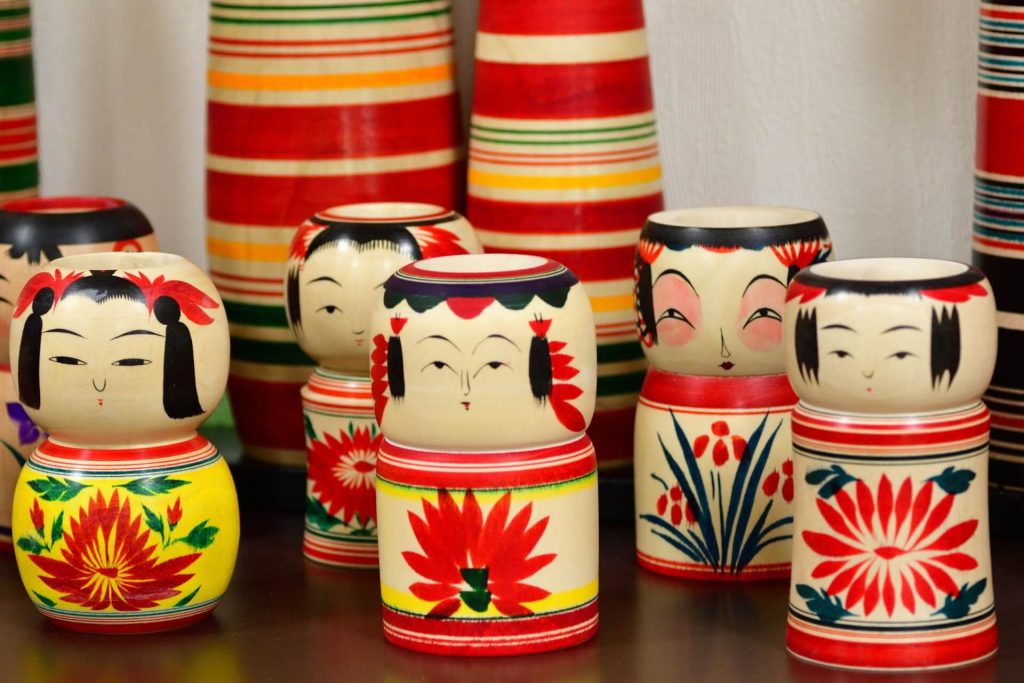
- Traditional Japanese Pottery: Known as Oribe or Raku, Japanese pottery is famous for its distinctive glazes and forms, often used in tea ceremonies. These pieces not only serve a practical purpose but also convey centuries of artistic philosophy and spiritual significance.
- Scandinavian Woodworking: In countries like Sweden and Norway, woodcraft has a rich heritage. Items range from intricately carved furniture to simple kitchen utensils, showcasing the craftsmanship that celebrates both function and aesthetic beauty.
- Indigenous Beadwork of North America: From the intricate patterns of Native American tribes to the vibrant designs of First Nations artisans, beadwork is a profound symbol of identity, each piece carrying deep meanings that reflect cultural narratives.
By examining these craft forms, we can see how local materials and techniques influence production, as well as the stories embedded within each piece. They not only serve practical roles but encapsulate the essence of the communities they originate from.
The Intersection of Tradition and Modernity
In today’s fast-paced world, many artisans face the challenge of maintaining traditional practices while also adapting to modern consumer demands. This balancing act has sparked a renaissance in global handicrafts, leading to innovative designs that merge contemporary aesthetics with time-honored techniques. For instance, many textile artisans in Africa are creating modern fashion pieces that highlight traditional motifs, showcasing a blend of innovation and heritage.
The increasing popularity of eco-friendly products has also influenced this intersection. Artisans are embracing sustainable practices, using locally sourced materials and traditional methods that promote environmental consciousness. This approach not only supports local economies but also appeals to a growing demographic of consumers who value sustainability in their purchasing decisions.
The Impact of Cultural Craft Traditions
Beyond the personal stories of artisans, cultural craft traditions have a broader social significance. They help to foster community identity and pride, encouraging collective efforts in craft preservation. Furthermore, initiatives aimed at promoting handicrafts often bring international attention to local artisans, opening doors for fair trade opportunities and fostering cultural exchange.
As we delve deeper into the world of cultural craft traditions, we will uncover the powerful narratives that each craft carries, the artisans behind these creations, and the impact of globalization on these age-old practices. By understanding these elements, we celebrate not just the objects themselves, but the rich history and diversity that they represent.
| Advantages of Cultural Crafts | Key Features |
|---|---|
| Preservation of Heritage | Cultural crafts serve as a living record of a community’s history and traditions. They enable artisans to express their culture uniquely. |
| Economic Empowerment | Engaging in handicrafts not only provides income to artisans but also stimulates the local economy, encouraging sustainable practices. |
| Community Engagement | Craft traditions foster strong community ties as artisans often collaborate, share techniques, and pass down knowledge to younger generations. |
As we delve deeper into the realm of cultural craft traditions, it becomes evident that these practices are not just art forms; they are narratives laden with history, identity, and creativity. Exploring global handicrafts reveals various styles that highlight cultural uniqueness and variation. From the intricate patterns of Indian textiles to the delicate pottery of Mexican artisans, every piece tells a story, showcasing human connection to the environment and traditions. Furthermore, participation in craft traditions lays a foundation for innovation. While rooting themselves in traditional techniques, artisans often incorporate contemporary designs, appealing to a broader audience. This dynamic blend of old and new invigorates the craft scene and ensures its relevance in a modern marketplace, paving the way for future generations to experience and appreciate their cultural heritage. Today, the urge to engage with local crafts serves not only personal satisfaction but also contributes towards sustainability and ethical practices in business and artistry, encouraging consumers to think critically about their purchases. The journey through these craft traditions is not just an exploration of techniques, but a deep dive into the soul of humanity.
DISCOVER MORE: Click here to find out how to make a difference
Reviving Heritage: The Role of Craft Preservation
As we continue our exploration of cultural craft traditions, it becomes imperative to address the ongoing efforts to preserve these irreplaceable skills and techniques. Many traditional craft practices are at risk of fading away due to a variety of factors, including urbanization, technological advancements, and shifts in consumer behavior. However, various organizations and grassroots movements around the world are tirelessly working to ensure that these cultural treasures are safeguarded for future generations.
The Power of Education in Craftsmanship
Education plays a crucial role in the preservation of craft traditions. Many non-profits and cultural foundations are developing programs that pair seasoned artisans with apprentices, providing hands-on training that encompasses not only technical skills but also the cultural significance behind each craft. In India, for example, the Crafts Council of India has initiated training programs for young artisans, ensuring traditional skills like weaving and pottery are passed down while also integrating modern marketing strategies.
These educational initiatives are often complemented by workshops and exhibitions showcasing the intricacies of local crafts, fostering a greater appreciation among the public. Such exposure can ignite interest and support for traditional craftsmanship, enabling artisans to sustain their livelihoods while sharing their unique cultural narratives.
Global Collaborations and Fair Trade Practices
In the realm of global handicrafts, collaborations between artisans and designers have become increasingly prevalent. Not only do these partnerships meld traditional skills with contemporary influences, but they also foster fair trade practices that empower local artisans economically. For instance, organizations like Ten Thousand Villages connect artisans from developing countries with consumers in the United States, allowing them to share their craft while receiving fair compensation for their work. This model has led to increased visibility for artisans and has strengthened cultural ties globally.
Moreover, as consumer interest in ethically sourced products surges, the handicraft sector is poised to benefit. Consumers in the United States are increasingly gravitating towards products that tell a story and reflect authenticity, leading to a revitalization of interest in artisanal goods. This shift not only nurtures local economies but also reinforces the importance of cultural craftsmanship in a modern context.
The Role of Technology in Craft Innovation
While tradition is paramount, the integration of technology is also influencing the landscape of global handicrafts. Technologies such as social media platforms enable artisans to showcase their work to a global audience, effectively bypassing traditional market barriers. For example, craftspeople in Ethiopia are using platforms like Instagram to highlight their unique basket weaving methods and connect with customers worldwide. This exposure not only brings financial benefits but also cultivates a sense of global community around shared heritage.
Furthermore, technological advancements in production methods, such as 3D printing and digital design tools, are creating exciting opportunities for artisans to innovate while honoring their traditional techniques. These developments allow for intricate designs and greater customization, attracting a younger demographic that seeks unique products that resonate with their values.
As we uncover the layers of cultural craft traditions, it is important to recognize the interconnectedness of preservation efforts, educational initiatives, and technological innovations that together foster resilience in the world of handicrafts. By engaging with these elements, communities around the globe are not only preserving their heritage but also cultivating a thriving ecosystem that celebrates craftsmanship across generations.
DISCOVER MORE: Click here to learn how to craft for a cause
Embracing the Future of Craft Traditions
In our captivating journey through global handicrafts, we have unearthed the profound connection between culture and craft, revealing how these traditions are interwoven into the fabric of humanity. From the intricate weaving techniques of South America to the exquisite pottery skills of Asia, each craft provides a tangible link to the past, offering insight into the values, stories, and identities of different cultures. However, as we look to the future, it becomes increasingly important to recognize the challenges that threaten these age-old practices.
The initiatives aimed at preservation, education, and innovation serve as catalysts for not just sustaining these crafts, but revitalizing them in a world that craves authenticity. As artisan skills are shared through mentorship programs and technological advancements, the dialogue surrounding cultural craftsmanship expands beyond borders. This interconnectedness fosters an appreciation for artisan products that tell stories and support communities, transforming the way consumers approach their choices.
Furthermore, the rise of ethical shopping and fair trade practices reflects a burgeoning awareness of our role as global citizens. By supporting local artisans and engaging in the stories behind their creations, we contribute to an ecosystem that values cultural heritage, creativity, and innovation.
Ultimately, the exploration of cultural craft traditions is not merely an examination of the past; it is a vibrant dialogue that must continue into the future. Let us remain curious and passionate about the crafts that narrate our shared human experience, ensuring that generations to come will appreciate and celebrate the rich tapestry of craftsmanship that spans the globe.